Civil Engineering in the World: Shaping Infrastructure, Modernity, and Sustainability
Civil engineering shapes the global built environment, driving economic development, protecting populations from natural hazards, and providing the critical infrastructure required for modern civilization. From high-speed transit netwo...
Civil engineering shapes the global built environment, driving economic development, protecting populations from natural hazards, and providing the critical infrastructure required for modern civilization. From high-speed transit networks and massive water treatment facilities to seismic-resistant skyscrapers and renewable energy grids, the discipline addresses the fundamental physical needs of societies worldwide.
Contents
The Global Scope and Evolution of Civil Engineering
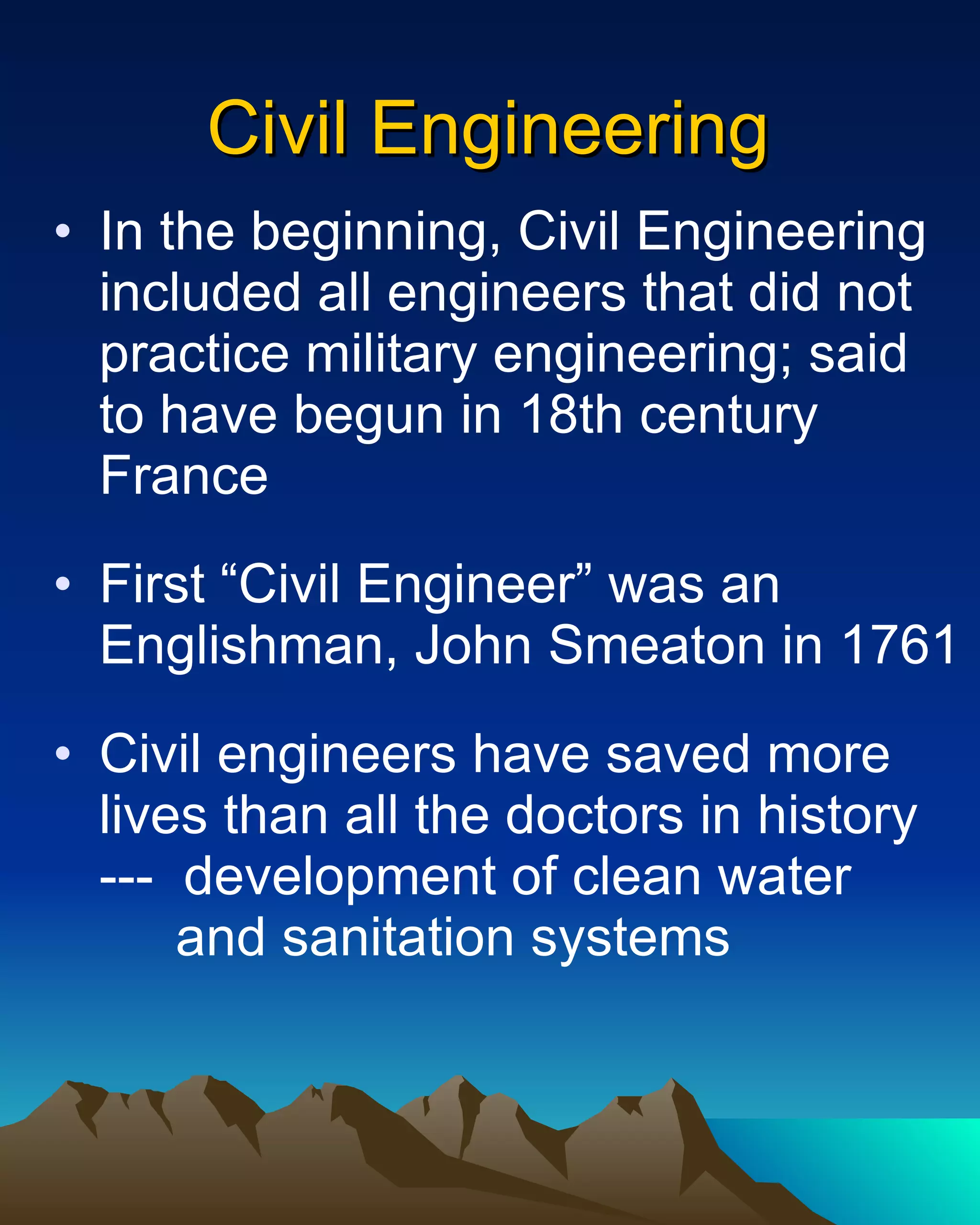
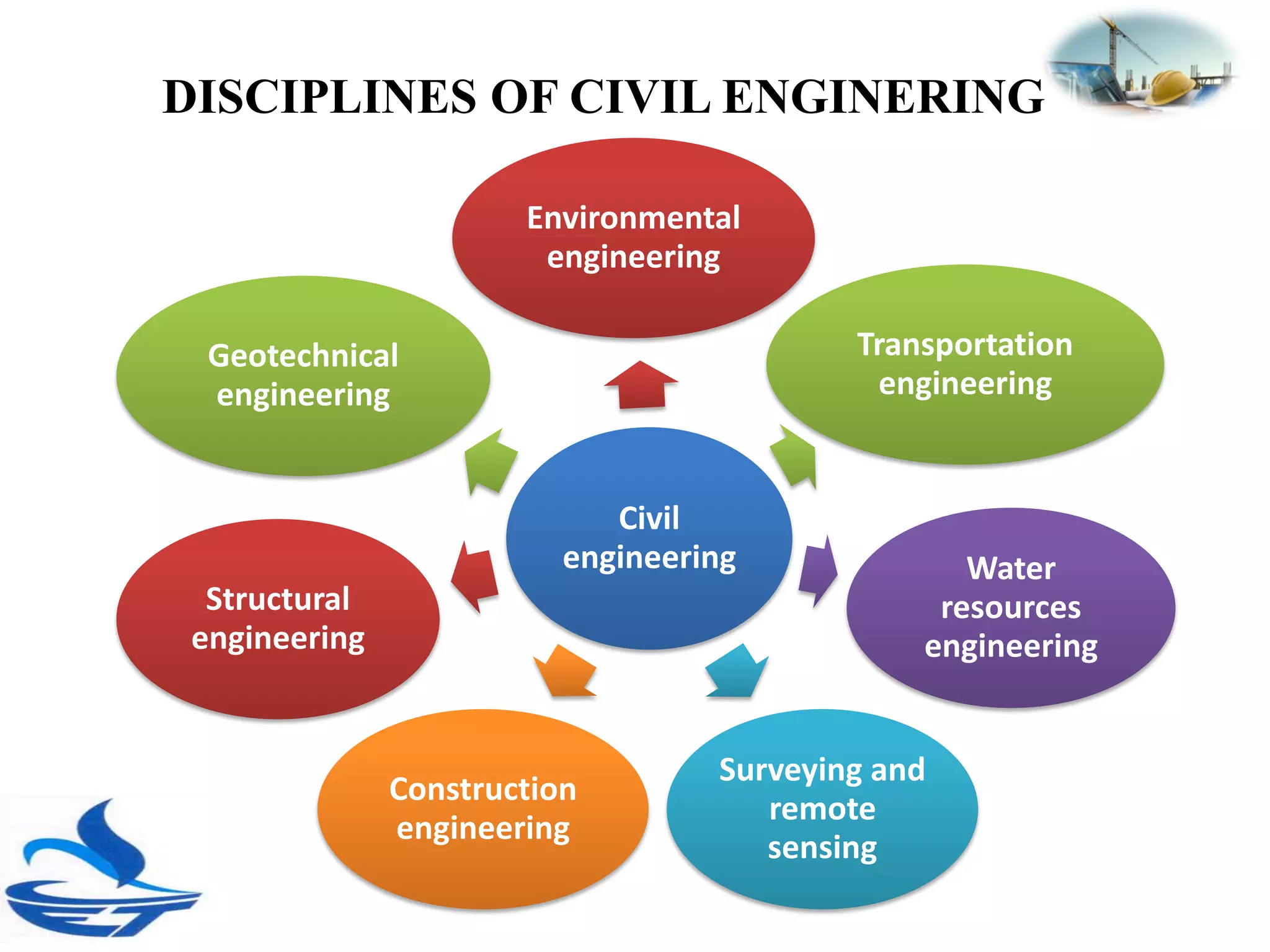
Civil engineering is one of the oldest engineering disciplines, yet its scope evolves constantly to meet the demands of a changing planet. Historically rooted in military engineering—building fortifications, roads, and siege engines—the field transitioned into civilian applications focused on public works. Today, civil engineering in the world encompasses structural design, geotechnical evaluation, transportation planning, environmental protection, water resources management, and construction project execution.
The global landscape of civil engineering is characterized by megaprojects and complex urban renewal initiatives. As populations urbanize rapidly, particularly across Asia, Africa, and Latin America, civil engineers must design resilient infrastructure that can support dense metropolitan populations. Simultaneously, developed nations face the challenge of rehabilitating aging infrastructure—such as bridges built in the mid-20th century—requiring innovative retrofitting techniques and asset management strategies.
Modern civil engineering operates within strict regulatory and environmental frameworks. Projects are no longer judged solely on structural integrity and cost-efficiency; they must also demonstrate long-term ecological sustainability, social equity, and resilience against climate change impacts such as sea-level rise and extreme weather events.
Core Specializations and Their Global Impact
The discipline is divided into several specialized branches, each addressing a critical component of global infrastructure development.
Structural and Geotechnical Engineering
Structural engineers design the skeletons of buildings, bridges, dams, and tunnels, ensuring they withstand dead loads, live loads, seismic forces, and wind pressures. Geotechnical engineers analyze the behavior of earth materials—soil and rock—beneath these structures. Together, they form the foundation of physical construction. Internationally recognized standards, such as Eurocodes in Europe and American Society of Civil Engineers (ASCE) standards in the United States, guide these designs to maintain high safety margins across diverse geological conditions.
Transportation and Urban Planning
Transportation engineering focuses on the safe and efficient movement of people and goods. This subfield spans highway design, railway engineering, airport planning, and mass transit systems. Globally, transportation engineers are pivoting toward multimodal transit networks, intelligent transportation systems (ITS), and non-motorized infrastructure to reduce carbon emissions and urban congestion.
Water Resources and Environmental Engineering
Water resources engineering manages the supply, treatment, and distribution of clean water, as well as stormwater management and flood control. Environmental engineers work alongside them to mitigate pollution, design wastewater treatment facilities, and manage solid waste. These systems are vital for public health, particularly in developing regions where clean water access remains a primary humanitarian and engineering challenge.
| Sub-Discipline | Primary Focus | Key Global Challenges | Standard Reference Bodies |
|---|---|---|---|
| Structural | Load-bearing frameworks, safety margins | Aging assets, extreme seismic events | ASCE, CEN (Eurocodes) |
| Geotechnical | Soil-structure interaction, foundations | Liquefaction, unstable slopes, urbanization | ISSMGE |
| Transportation | Highways, railways, airports, mass transit | Decarbonization, congestion, autonomous vehicles | PIARC, TRB |
| Water Resources | Hydrology, dams, flood protection, water supply | Drought resilience, water scarcity, pollution | IWA, ICID |
Sustainable Infrastructure and Climate Resilience
Sustainability has shifted from an optional design consideration to a core requirement in international civil engineering. The construction sector accounts for a significant portion of global greenhouse gas emissions, primarily due to the production of Portland cement and steel, as well as operational energy consumption.
To address this footprint, global engineers are adopting low-carbon materials, such as geopolymer concretes, recycled aggregate composites, and engineered mass timber. Furthermore, life-cycle assessment (LCA) methodologies are routinely applied to evaluate the environmental impact of a project from raw material extraction through construction, operation, and eventual decommissioning.
Climate resilience is equally critical. Coastal cities worldwide face threats from rising sea levels and intensified storm surges. Civil engineers are implementing both grey infrastructure (seawalls, tidal barriers, and drainage pumps) and green infrastructure (mangrove restoration, permeable pavements, and constructed wetlands) to create adaptive defense systems. The Resilient Design principles promoted by organizations like the Global Infrastructure Hub help developing and developed nations alike prioritize investments that withstand climate shocks.
Technological Innovations Transforming the Industry
Digital transformation is redefining how civil engineering projects are planned, designed, and maintained worldwide. Several key technologies stand out for their industry-wide adoption:
- Building Information Modeling (BIM): BIM creates intelligent 3D models that streamline collaboration among architects, engineers, and contractors, reducing clashes and material waste during construction.
- Geographic Information Systems (GIS) and Remote Sensing: Satellite data, drone photogrammetry, and LiDAR allow engineers to survey vast terrain areas rapidly and monitor structural health over time.
- Artificial Intelligence and Machine Learning: AI algorithms analyze sensor data from bridges and dams to predict structural degradation before catastrophic failures occur.
- Advanced Construction Automation: Prefabrication, modular construction, and 3D-printed concrete components reduce on-site labor requirements and construction timelines.
Frequently Asked Questions
What are the main educational requirements to become a civil engineer?
A career in civil engineering typically requires a bachelor’s degree in civil engineering or a closely related field from an accredited institution. Most jurisdictions also require professional licensure or registration—such as the Professional Engineer (PE) license in the United States or Chartered Engineer (CEng) status in the United Kingdom—which involves passing rigorous examinations and accumulating documented professional experience.
How do civil engineers ensure infrastructure safety against earthquakes?
Civil engineers apply seismic design principles by implementing ductile structural framing, base isolation systems, and energy dissipation devices. These technologies allow buildings and bridges to absorb and dissipate seismic energy rather than resisting ground motion rigidly, minimizing structural collapse and protecting human life.
What is the role of green infrastructure in modern civil engineering?
Green infrastructure uses natural systems—such as bioswales, green roofs, and restored wetlands—to manage stormwater, reduce urban heat island effects, and enhance local biodiversity. It complements traditional grey infrastructure by providing adaptable, cost-effective environmental management solutions.
How does civil engineering contribute to global economic development?
Reliable infrastructure—including ports, highways, energy grids, and clean water networks—reduces transaction and logistics costs, facilitates trade, attracts foreign investment, and improves public health. According to studies by the World Bank, strategic infrastructure investments are foundational to poverty reduction and sustainable economic growth.
Next Actions for Infrastructure Development and Careers
For aspiring professionals, entering the field requires a solid foundation in mathematics, physics, and computational design tools like BIM. For municipal leaders and policymakers, prioritizing infrastructure renewal means adopting asset management frameworks that incorporate life-cycle cost analysis and climate resilience projections. Investing in sustainable engineering practices today ensures that global infrastructure remains functional, safe, and adaptable for future generations.
Image Gallery