Understanding the Cost of First to Die Life Insurance Policies
A first-to-die life insurance policy is a joint coverage plan for two individuals that pays out a death benefit only when the first person passes away. The cost is typically 15% to 25% lower than purchasing two separate individual poli...
A first-to-die life insurance policy is a joint coverage plan for two individuals that pays out a death benefit only when the first person passes away. The cost is typically 15% to 25% lower than purchasing two separate individual policies because the insurance company is only obligated to make a single payout, thereby reducing their total actuarial risk.
Contents
First-to-die life insurance, a subset of joint life insurance, has historically served as a strategic financial tool for couples and business partners. By the year 2026, while individual policies remain the market standard, joint first-to-die contracts continue to offer a niche solution for specific liability-matching needs, such as mortgage protection or buy-sell agreements. Understanding the cost structure of these policies requires a deep dive into how insurance carriers assess joint risk and the specific variables that influence premiums.
The Mechanics of Joint Risk and Premium Calculation
To understand the cost of a first-to-die policy, one must first understand how underwriters view two lives under a single contract. Unlike individual life insurance, where the premium is based on a single person’s mortality curve, a first-to-die policy uses a "joint mortality" calculation.
The primary reason these policies are more affordable than two separate ones is the limitation of the benefit. In two individual $500,000 policies, the insurer potentially owes $1,000,000 in total. In a $500,000 joint first-to-die policy, the insurer’s liability is capped at $500,000. Once the first person dies and the claim is paid, the policy terminates, leaving the surviving member without coverage under that specific contract.
The Joint Equal Age Method
Insurance companies often use a "Joint Equal Age" (JEA) calculation to determine the premium. This method takes the ages of both applicants and blends them into a single representative age. For example, if a 40-year-old and a 30-year-old apply, the JEA might be 36. The premium is then calculated based on the mortality rate of a 36-year-old, adjusted for the fact that there are two chances for a claim to occur rather than one.
However, if there is a significant age gap or a major health discrepancy between the two parties, the cost-saving benefits of a first-to-die policy may diminish. The "weaker" link—the older or less healthy individual—exerts a disproportionate influence on the premium because they represent the most immediate risk of a payout.
Primary Factors Influencing First to Die Policy Costs
As of 2026, several key factors dictate the monthly or annual premiums for joint life coverage. While the underlying mathematics remain consistent, economic shifts and medical underwriting advancements have refined how these costs are applied.
1. Underwriting Classes and Health Status
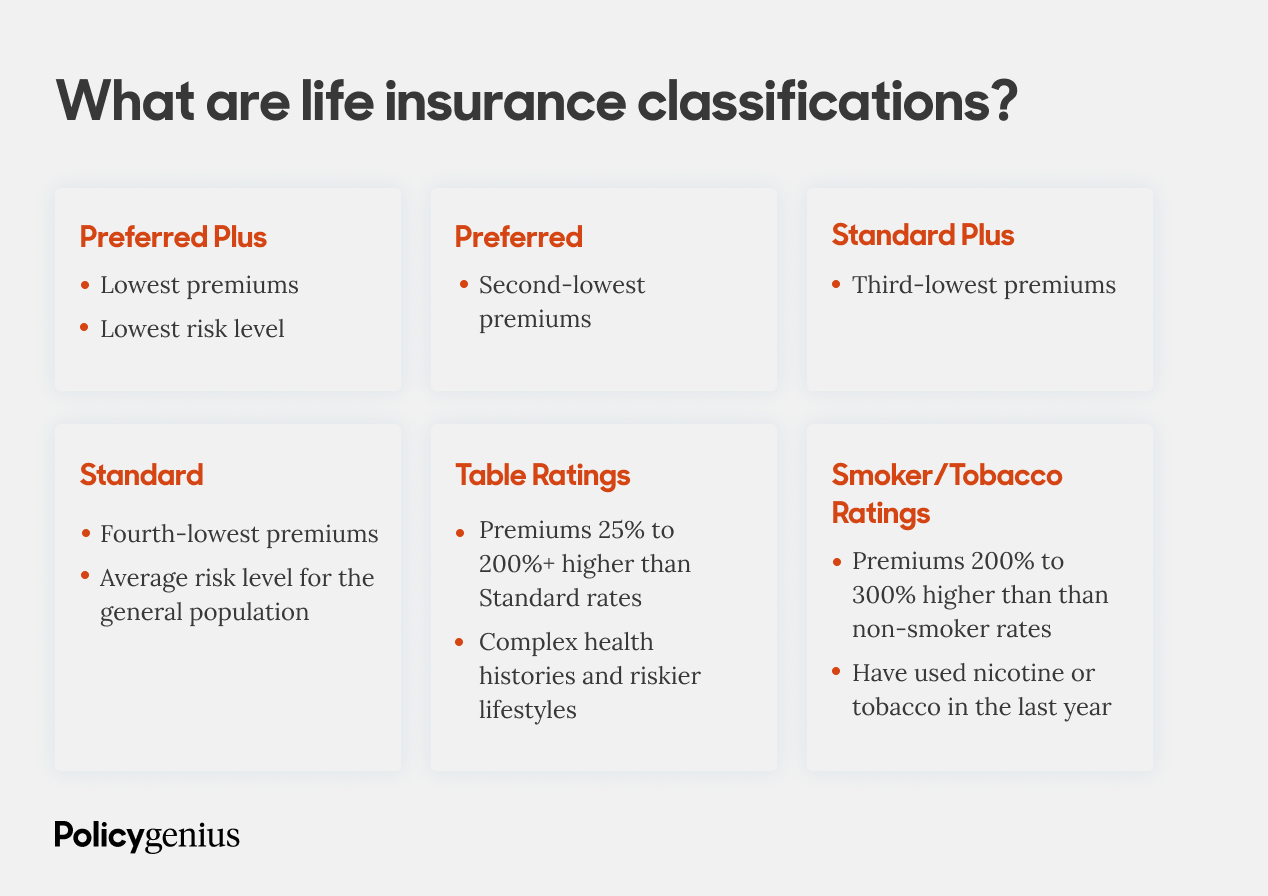
Both individuals must undergo medical underwriting. If one spouse is in "Preferred Plus" health and the other is "Standard," the policy is generally rated based on the lower health tier. This is a critical cost consideration: if one partner has a chronic condition, the "discount" of a joint policy might evaporate, making separate individual policies a more financially sound choice.
2. Policy Type: Term vs. Permanent
- Joint Term Life: This is the most cost-effective version. It covers a specific period (e.g., 10, 20, or 30 years). It is frequently used for mortgage protection. If both parties survive the term, the policy expires with no value.
- Joint Permanent Life (Whole or Universal): These policies are significantly more expensive but build cash value and cover the parties for their entire lives. The cost is higher because a payout is guaranteed eventually, provided premiums are paid.
3. Face Amount (Death Benefit)
The total amount the policy will pay out is the most direct driver of cost. In 2026, with the cost of living and housing prices remaining high, many couples opt for higher face values. Because the administrative costs of a policy are often fixed, the "cost per thousand" of coverage usually decreases as the death benefit increases.
4. Riders and Conversion Options
Added features, such as a "Survivor Purchase Option," can increase the premium. This rider allows the surviving partner to purchase a new individual policy without a medical exam after the first death. While this adds to the initial cost, it mitigates the massive risk of the survivor being uninsurable later in life.
Cost Comparison: Joint First-to-Die vs. Separate Individual Policies
When deciding whether a first-to-die policy is worth the cost, it is essential to compare it against the alternative of two individual policies. The following table illustrates the typical cost-benefit landscape for a healthy couple in 2026 seeking $500,000 in coverage.
| Feature | First-to-Die Joint Policy | Two Separate Individual Policies |
|---|---|---|
| Total Death Benefit | $500,000 (One payout) | $1,000,000 ($500k per person) |
| Estimated Premium | $100 - $130 / month | $140 - $180 / month (combined) |
| Administrative Fees | One policy fee | Two policy fees |
| Survivor Coverage | Terminated upon first death | Remains active for the survivor |
| Best Use Case | Debt/Mortgage protection | Income replacement/Estate planning |
As seen in the data, the joint policy is cheaper in terms of monthly cash flow. However, the "value" per dollar of coverage is often higher with individual policies because they provide double the total potential benefit.
Business Applications: Buy-Sell Agreements
Beyond couples, first-to-die insurance is a staple in business partnership planning. For two partners who own equal shares of a company, the cost of a first-to-die policy is often a line item in the business budget.
In this scenario, the policy is structured so that if Partner A dies, the death benefit is paid to Partner B (or the business entity) to buy out Partner A’s heirs. This ensures a smooth transition of ownership. Because businesses are often sensitive to cash flow, the 20% savings of a joint policy over two individual policies is highly attractive.
The cost here is also influenced by the Internal Revenue Service (IRS) guidelines regarding life insurance in business settings. While premiums are generally not tax-deductible, the death benefit is usually received tax-free, making the "net cost" of the policy very efficient compared to saving cash reserves for a buyout.
The "Survivor's Trap": Long-Term Cost Implications
While the upfront cost of a first-to-die policy is lower, the long-term financial impact can be much higher. This is often referred to as the "Survivor’s Trap."
When the first person dies, the surviving spouse receives the benefit. However, they are now left with no life insurance. If they want to purchase a new policy at that time—perhaps 15 or 20 years after the original policy was issued—they will be older and potentially less healthy. The cost of a new individual policy at age 60 will be significantly higher than if they had locked in a level-premium individual policy at age 40.
Financial advisors in 2026 often suggest calculating the "Total Lifetime Cost of Insurance." If the survivor will still need coverage (for example, to protect an estate or provide for children), the initial savings of a first-to-die policy may be outweighed by the extreme cost of seeking new coverage later in life.
How to Verify and Calculate Your Quote
To get an accurate understanding of the cost for your specific situation, you should follow a structured verification process:
- Determine the "Joint Need": Identify the specific debt or income gap that ends when the first person dies. If the need persists for the second person, this policy type may not be the right fit.
- Request "Joint Equal Age" Quotes: Ask your broker for a comparison between JEA pricing and individual pricing.
- Check Carrier Financial Strength: Ensure the insurer has a high rating from agencies like A.M. Best or Standard & Poor's. A "cheap" policy from a financially unstable company is a high-risk investment.
- Evaluate the "Insurability Rider": Always ask for the cost of a conversion or purchase rider. This is the only way to protect the survivor from being left entirely uninsured.
Frequently Asked Questions
Is first-to-die insurance cheaper than second-to-die insurance?
No, first-to-die is typically more expensive than second-to-die (survivorship) insurance. A second-to-die policy only pays out after both people have passed away. Since the insurance company can delay the payout for a much longer period, the premiums are significantly lower. Second-to-die is primarily used for estate tax planning, whereas first-to-die is used for immediate debt or income needs.
What happens to the cost if we get divorced?
Divorce can complicate a joint policy. Many first-to-die policies include a "separation rider" that allows the policy to be split into two individual policies without further medical evidence. However, exercising this rider usually results in a combined premium that is higher than the original joint premium. If no such rider exists, the policy may need to be cancelled, resulting in a loss of all premiums paid (in the case of term) or a surrender of cash value.
Can business partners use first-to-die insurance for three or more people?
While most first-to-die policies are designed for two people, some carriers offer multi-life "first-to-die" coverage for small groups of business partners. However, as the number of people on the policy increases, the premium rises sharply because the probability of any one person dying becomes much higher. For three or more partners, individual policies are almost always the more efficient choice.
Does the death of the first person trigger any taxes?
In most jurisdictions, including the United States under current 2026 tax laws, the death benefit from a life insurance policy is received by the beneficiary tax-free. However, if the policy is owned by a business or if the estate exceeds federal or state exemption limits, there may be estate tax implications. It is vital to consult with a tax professional to ensure the policy is structured to minimize the "tax cost" of the payout.
Why are first-to-die policies harder to find in 2026?
Many insurance companies have phased out joint first-to-die products in favor of individual policies with "additional insured" riders. This shift is due to the administrative simplicity of individual contracts and the consumer preference for the flexibility of separate coverage. If you are specifically looking for a first-to-die policy, you may need to work with a specialized broker who has access to niche carriers or commercial insurance markets.
Practical Recommendation
If your primary goal is to cover a specific, shared liability—such as a 20-year mortgage or a business buy-sell agreement—the first-to-die life insurance policy offers a clear cost advantage. It provides the necessary protection while keeping monthly overhead low.
However, if you are looking for comprehensive family protection, the cost savings (often just $20-$40 per month) rarely justify the risk of leaving the surviving spouse uninsured. In most cases, purchasing two separate term life policies provides 100% more total coverage and permanent flexibility for a relatively small increase in premium. Before committing, always request a "Side-by-Side Illustration" from your insurance agent to see the exact price delta between the joint option and two individual plans.
Image Gallery