Why the Leak Busters Matter for Homeowners: Protecting Your Largest Investment in 2026
Professional leak detection services, often referred to as "leak busters," are essential for homeowners because they identify hidden water intrusions that standard visual inspections miss. By utilizing non-invasive technology like ther...
Professional leak detection services, often referred to as "leak busters," are essential for homeowners because they identify hidden water intrusions that standard visual inspections miss. By utilizing non-invasive technology like thermal imaging and acoustic sensors, these specialists prevent catastrophic structural rot, hazardous mold growth, and denied insurance claims, ultimately saving thousands in avoidable repairs.
Contents
The Evolution of Home Protection: Why Specialized Detection is Non-Negotiable
As we move through 2026, the landscape of home maintenance has shifted from reactive repairs to proactive risk management. For the modern homeowner, water damage remains the leading cause of property loss, often outpacing fire and theft in both frequency and cumulative cost. The "Leak Busters"—specialized technicians dedicated to finding the source of moisture before it manifests as a flood—have become a critical part of the residential ecosystem.
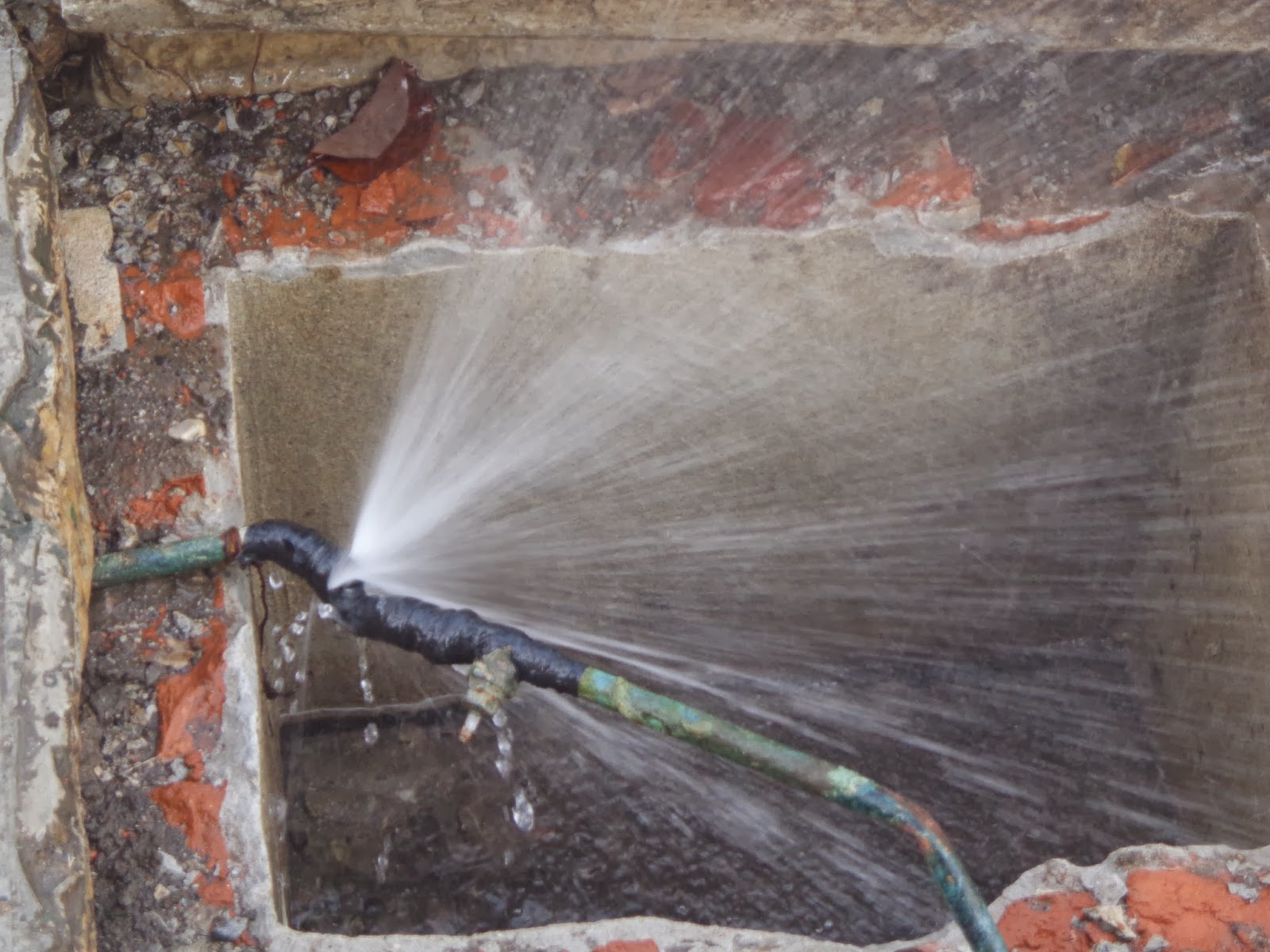
Standard plumbing services are excellent for fixing known issues, such as a burst pipe or a dripping faucet. However, the most dangerous threats to a home are often silent and invisible. Pinhole leaks in copper piping, hairline cracks in slab foundations, and slow-seeping roof intrusions can persist for months or even years before they are noticed by the untrained eye. By the time a "soft spot" appears in the drywall or a "musty smell" permeates the basement, the structural integrity of the home may already be compromised. Specialized leak detection matters because it bridges the gap between a perceived problem and a verified solution.
The Financial Reality: Cost Mitigation and Property Valuation
The primary reason professional leak detection matters is financial. In 2026, the cost of construction materials and labor has reached record highs, making structural remediation an expensive endeavor. A leak left undetected for six months can lead to the replacement of entire flooring systems, structural joists, and electrical wiring.
Insurance Compliance and Claim Approvals
One of the most significant shifts in 2026 is how insurance carriers handle water damage claims. Many policies now include specific "seepage and leakage" exclusions. These clauses state that if a leak has been occurring for more than a set period (often 14 to 30 days) and the homeowner failed to address it, the claim may be partially or entirely denied.
The Leak Busters provide more than just a repair; they provide a documented diagnostic report. This documentation serves as vital evidence for insurance adjusters, proving that the homeowner exercised due diligence and that the damage resulted from a sudden, accidental failure rather than neglect. Without this professional verification, homeowners are often left to pay tens of thousands of dollars out-of-pocket.
Utility Bill Management
Beyond the threat of structural damage, silent leaks are a significant drain on household finances through utility costs. A single pinhole leak in a pressurized water line can waste over 10,000 gallons of water per year. In regions where water scarcity has driven up municipal rates, these "ghost" costs can add hundreds of dollars to annual expenses. Professional detection identifies these inefficiencies, ensuring that homeowners are only paying for the water they actually use.
Technical Sophistication: How Professional Detection Works
What distinguishes the Leak Busters from a general handyman is the use of high-precision diagnostic equipment. In 2026, these technologies have become more refined, allowing for pinpoint accuracy without the need to tear down walls or dig up lawns.
Infrared Thermography (Thermal Imaging)
Thermal cameras detect minute temperature differences on surfaces. Because water evaporation naturally cools building materials, a "cool spot" on a ceiling or wall—invisible to the naked eye—often indicates a hidden leak. This allows technicians to see through drywall and insulation to find the exact origin of a moisture plume.
Acoustic Leak Detection
When water escapes a pressurized pipe, it creates a specific sound frequency. Specialists use high-sensitivity microphones and ground sensors to "listen" through concrete slabs and earth. By triangulating the sound of the escaping water, they can locate a leak within inches, significantly reducing the area that needs to be excavated for a repair.
Tracer Gas Analysis
For the most elusive leaks, particularly those in complex heating systems or pools, technicians use a non-toxic, non-flammable tracer gas (usually a mixture of nitrogen and hydrogen). The gas is injected into the lines; because it is lighter than air, it escapes through the leak and rises to the surface, where it is detected by sensitive "sniffers." This method is incredibly effective for finding tiny cracks that would otherwise be impossible to locate.
The Health and Safety Implication: Mold and Air Quality
For many homeowners, the most pressing concern is not the structural timber, but the health of the occupants. Modern building science has created "tight" homes that are energy-efficient but have limited natural ventilation. When water enters these environments, it creates a breeding ground for microbial growth.
The 24-48 Hour Germination Window
Mold spores are present everywhere, but they require moisture to colonize. Once a leak occurs, mold can begin to grow within 24 to 48 hours. Many types of mold, including Stachybotrys chartarum (black mold), release mycotoxins that can lead to chronic respiratory issues, allergic reactions, and neurological symptoms.
The Leak Busters matter because they address the root cause of mold. Cleaning mold off a surface is a temporary fix; if the underlying leak remains, the mold will return. Professional detection ensures that the environment is dried thoroughly and that the source of moisture is permanently sealed, protecting the long-term indoor air quality of the residence.
Comparison of Detection Methods and Their Efficacy
Understanding the different approaches to leak detection helps homeowners appreciate the depth of service provided by specialists.
| Method | Best For | Non-Invasive? | Accuracy |
|---|---|---|---|
| Visual Inspection | Active, surface-level leaks | Yes | Low (misses hidden issues) |
| Thermal Imaging | Walls, ceilings, and insulation | Yes | High (identifies moisture plumes) |
| Acoustic Testing | Under-slab pipes and service lines | Yes | Very High (pinpoint location) |
| Tracer Gas | Micro-leaks and pool systems | Yes | Extreme (finds hairline cracks) |
| Moisture Metering | Verifying dryness after a leak | Partially | High (measures material saturation) |
Signs Every Homeowner Should Monitor
While professional intervention is necessary for diagnosis, homeowners must remain vigilant for the warning signs that necessitate a call to the Leak Busters. In 2026, smart home sensors have become common, but they cannot replace physical observations.
- The Meter Test: Turn off all water in the house and check the water meter. If the dial is still moving, there is an active leak somewhere in the system.
- Warm Spots on Floors: A warm spot on a tile or laminate floor often indicates a hot-water line leak beneath the slab foundation.
- Persistent Efflorescence: A white, powdery substance on basement walls or garage floors is the result of mineral deposits left behind by seeping water.
- Discoloration and Bubbling: Paint that is bubbling or wallpaper that is peeling is a classic sign of moisture trapped behind the surface.
- Sudden Low Water Pressure: If pressure drops significantly without a municipal outage, a major leak may have developed in the main supply line.
Environmental Responsibility and Resource Conservation
In the context of 2026, environmental stewardship is no longer optional. Domestic water waste contributes to the strain on aging municipal infrastructures and depletes local aquifers. Homeowners who ignore leaks are not just wasting money; they are participating in the depletion of a vital resource.
Professional leak detection is an act of conservation. By maintaining a "tight" plumbing system, homeowners reduce their environmental footprint. This is increasingly recognized by green building certifications and can even contribute to higher resale values as buyers prioritize "efficient" and "well-maintained" homes in their search criteria.
Frequently Asked Questions
Does homeowner insurance cover the cost of professional leak detection?
In most cases, if the leak is part of a "covered peril" (like a sudden pipe burst), insurance companies will cover the cost of detection and access to the leak. However, they may not cover the cost of the pipe repair itself if it was due to wear and tear. It is essential to consult your policy or an agent to verify coverage for "diagnostic services" in 2026.
How long does a typical professional leak detection take?
A comprehensive inspection for a standard residential property usually takes between two and four hours. This varies based on the complexity of the plumbing system and whether the technician is searching for a single known leak or performing a whole-home preventative scan.
Is leak detection invasive or will it damage my walls?
Modern leak detection is designed to be non-invasive. The goal of using thermal imaging and acoustic sensors is to find the leak before any walls are cut. While some minor drilling might be necessary for tracer gas in specific scenarios, the process is significantly less destructive than the "search and destroy" method used by traditional plumbers.
Can smart home water sensors replace professional services?
Smart sensors (like Moen Flo or Phyn) are excellent for alerting you to an unusual flow of water or a shut-off during a burst. However, they cannot tell you where the leak is located behind a wall or under a slab. They are a "first alert" system, whereas the Leak Busters are the "diagnostic and surgical" team required to solve the problem.
Why shouldn't I just wait for the leak to show up on the wall?
Waiting for a leak to become visible is the most expensive strategy a homeowner can take. By the time water stains appear, it usually means the insulation is saturated, the studs are rotting, and mold has already begun to colonize. The cost of "early detection" is a fraction of the cost of "late remediation."
Practical Recommendation for 2026
If your home is more than 15 years old, or if you have recently experienced a significant spike in your water bill, schedule a professional leak detection survey immediately. Do not wait for visible damage to occur. In the current economic climate, the protection provided by these specialists is a necessary investment in your property’s longevity, your family’s health, and your financial security. Always ensure the technician is certified in infrared thermography or acoustic diagnostics to ensure the highest level of accuracy.
Image Gallery