The Love & Death Series Explained: A Comprehensive Guide to the 2023 Crime Drama
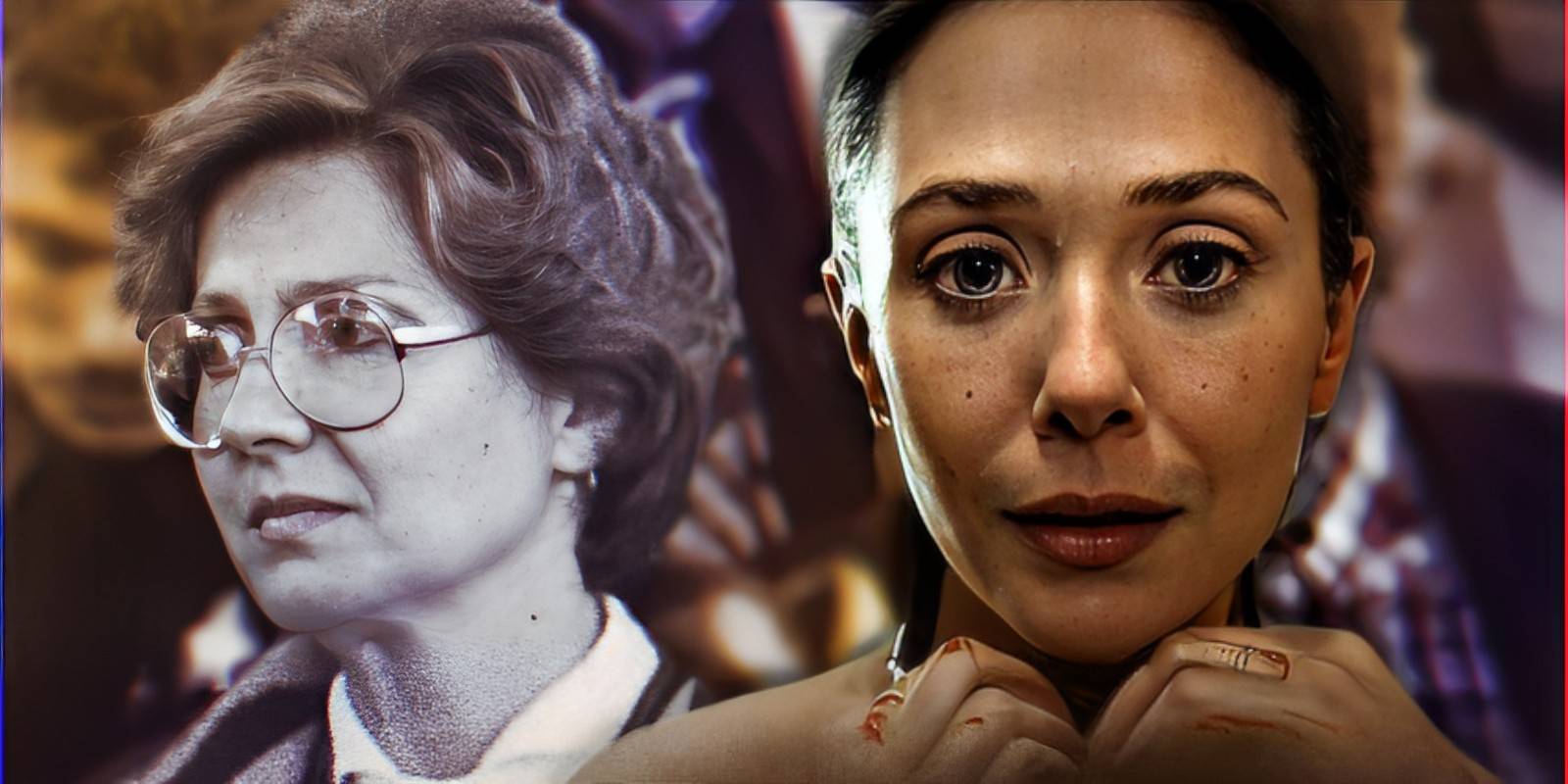
The Love & Death series is a true-crime limited television drama that chronicles the 1980 killing of Betty Gore in Wylie, Texas, and the subsequent trial of Candy Montgomery. Created by David E. Kelley and starring Elizabeth Olsen, the...
The Love & Death series is a true-crime limited television drama that chronicles the 1980 killing of Betty Gore in Wylie, Texas, and the subsequent trial of Candy Montgomery. Created by David E. Kelley and starring Elizabeth Olsen, the series examines the complexities of suburban life, infidelity, and the legal battle that concluded with an acquittal by self-defense.
Contents
Understanding the Source Material and Scope
The series is primarily based on a collection of articles titled "Love & Death in Silicon Prairie," published in Texas Monthly in 1984. Authors John Bloom and Jim Atkinson conducted extensive reporting on the incident, which shocked the small town of Wylie, Texas, just outside Dallas. The narrative follows Candy Montgomery, a housewife and churchgoer who enters into an affair with Allan Gore, the husband of her friend, Betty Gore.
Unlike documentary-style reporting, this limited series provides a dramatized psychological exploration of the events leading up to the Friday the 13th confrontation in June 1980. The production aims to reconcile the public perception of the participants—who were viewed as pillars of their local Methodist church—with the private realities of boredom, marital dissatisfaction, and the eventual violent outcome.
Core Characters and Their Real-Life Counterparts
To understand the gravity of the show, it is essential to distinguish between the fictional portrayal and the verified historical individuals. The series focuses on four central figures:
- Candy Montgomery (played by Elizabeth Olsen): A suburban mother of two who seeks a thrill to escape the stagnation of her marriage. Her affair with Allan Gore acts as the catalyst for the events that follow.
- Betty Gore (played by Lily Rabe): The primary victim in the case. A middle-school teacher struggling with postpartum depression and marital insecurity, her death serves as the pivot point of the narrative.
- Allan Gore (played by Jesse Plemons): An engineer whose coldness and professional detachment from his wife, Betty, create the vacuum in which the affair with Candy begins.
- Pat Montgomery (played by Patrick Fugit): Candy’s husband, an electrical engineer for Texas Instruments. His role reflects the stoicism and unawareness that characterized the era's suburban family structure.
The Timeline of Events
The series follows a non-linear but coherent path, focusing on the buildup and the immediate legal aftermath. The timeline is anchored by the following verified events:
- The Affair (1978–1979): The relationship between Candy and Allan began as a calculated, mutually agreed-upon arrangement to manage their respective marital discontents.
- The Confrontation (June 13, 1980): On a Friday afternoon, Candy visited the Gore residence to pick up a swimsuit for their daughter. According to court records and testimonies, a confrontation occurred involving an axe. Betty Gore was struck 41 times.
- The Discovery: Betty’s body was discovered later that evening after Allan, who was out of town on a business trip, requested that neighbors check on his house because he could not reach his wife.
- The Trial (1980): Candy was charged with murder. The trial became a media spectacle, focusing heavily on the reliability of hypnotic testimony and the legal definition of self-defense.
Legal Strategy and the Verdict
The legal proceedings represent the most technical aspect of the series. Candy Montgomery was represented by attorney Don Crowder. The defense team took the high-risk approach of having Candy testify in her own defense. The central pillar of their strategy was the argument of self-defense, bolstered by the testimony of a psychiatrist who claimed that Candy had experienced a "dissociative reaction" triggered by a childhood trauma when Betty Gore allegedly brandished the axe.
The jury’s acquittal was controversial at the time and remains a subject of analysis. It highlighted the limitations of the legal system in 1980, specifically regarding how suburban social status and psychological testimony could influence a jury. The outcome did not find Candy "innocent" of the act, but rather found the state failed to prove she did not act in self-defense, leading to an acquittal.
Comparison of Key Dramatizations
It is important to note that Love & Death (2023) is not the only adaptation of this story. Because the case was so high-profile, it has been explored across various media formats, including a previous television movie.
| Feature | Love & Death (2023 Series) | Candy (2022 Series) |
|---|---|---|
| Primary Focus | Psychological depth and suburban atmosphere | Condensed pacing and stylistic recreation |
| Lead Actress | Elizabeth Olsen | Jessica Biel |
| Source Base | Texas Monthly reporting | General historical record |
| Tone | Methodical, character-driven drama | Dark comedy/thriller hybrid |
Why the Case Still Resonates
The enduring interest in this series stems from the contrast between the mundane nature of the suburban setting and the extremity of the violence. It serves as a study of 1970s and 1980s American social norms, where appearances, church attendance, and family structure were paramount. The series successfully depicts how secrets festered beneath the surface of seemingly perfect marriages.
Viewers often find the "why" more compelling than the "how." The lack of an obvious villain—in the traditional sense—complicates the audience's emotional connection. By showing both the humanity and the flaws of all parties involved, the creators force the audience to question the reliability of memory and the ease with which one can be misled by appearances.
Practical Considerations for Viewers
If you are planning to watch the series to understand the historical context, keep in mind that the show takes creative liberties with dialogue and certain non-documented interactions to maintain pacing and narrative flow.
- Safety/Legal Warning: This series contains graphic depictions of violence and domestic abuse. It deals with sensitive subject matter regarding mental health and legal processes.
- Recommended Supplemental Reading: To verify the details provided in the show, readers are encouraged to look up the original 1984 Texas Monthly articles written by Jim Atkinson and John Bloom, which serve as the primary factual basis for the production.
- Accuracy Note: While the series accurately follows the timeline of the murder and the trial, the internal emotional states of the characters are interpretations by the screenwriters and actors.
Frequently Asked Questions
Did Candy Montgomery ever confess to the killing? Yes, Candy admitted to the killing of Betty Gore, but she maintained throughout the police interrogation and the trial that it was an act of self-defense. She testified that the conflict began after Betty confronted her about the affair.
How did the jury reach an acquittal? The jury reached an acquittal based on the instruction that if the state could not prove beyond a reasonable doubt that Candy was not acting in self-defense, they had to find her not guilty. The defense’s use of psychological testimony regarding a dissociative break was influential in swaying the jury.
Is the series a documentary? No, it is a dramatized limited series. While it relies on historical records and court transcripts, dialogue and scene-specific details are scripted and dramatized for television.
Where did the events take place? The events occurred in Wylie, Texas, a small suburb in Collin County, during the late 1970s and early 1980s. The culture of the time and the geography of the area are central themes in the series.
Why are there two different shows about this same case? True crime stories that have a significant cultural impact are frequently adapted by different production companies. In this case, two separate streaming services developed competing projects that were released within one year of each other, focusing on different narrative styles.
Final Recommendation
To gain the most from Love & Death, approach it as a character study rather than a pure documentary. Pay close attention to the courtroom scenes, as they provide the most accurate representation of how the case was litigated in 1980. For those interested in the real-world facts, pairing the viewing with the original Texas Monthly source material will provide a balanced view of where dramatization meets historical reality.
Image Gallery