How Much Does Life Insurance Cost in Springfield, Ohio?
In Springfield, Ohio, a healthy 30-year-old non-smoker typically pays $15 to $25 per month for a $250,000 20-year term life insurance policy. Rates for a $500,000 policy average $25 to $35 per month. Actual premiums depend on your age,...
In Springfield, Ohio, a healthy 30-year-old non-smoker typically pays $15 to $25 per month for a $250,000 20-year term life insurance policy. Rates for a $500,000 policy average $25 to $35 per month. Actual premiums depend on your age, health classification, coverage amount, term length, lifestyle factors, and regulations governed by the Ohio Department of Insurance.
Contents
Average Life Insurance Costs in Springfield, Ohio
Life insurance pricing in Clark County reflects statewide mortality trends and national actuarial tables. Insurance carriers evaluate individuals based on risk tiers rather than specific ZIP codes, but regional cost-of-living standards influence how much coverage Springfield residents actually need to protect their families.
For most healthy adults seeking basic financial protection, term life insurance provides the highest death benefit for the lowest monthly outlay. Below is an overview of estimated monthly rates for a 20-year term life insurance policy across different age groups and coverage amounts for healthy, non-smoking men and women in Ohio.
Estimated Monthly Premiums for 20-Year Term Life Insurance
| Age | Gender | $250,000 Death Benefit | $500,000 Death Benefit | $1,000,000 Death Benefit |
|---|---|---|---|---|
| 25 | Male | $14 – $19 | $20 – $28 | $35 – $48 |
| 25 | Female | $12 – $16 | $17 – $23 | $28 – $38 |
| 35 | Male | $18 – $25 | $28 – $38 | $48 – $68 |
| 35 | Female | $15 – $21 | $23 – $31 | $38 – $52 |
| 45 | Male | $35 – $52 | $60 – $88 | $110 – $155 |
| 45 | Female | $28 – $40 | $46 – $68 | $82 – $120 |
| 55 | Male | $90 – $135 | $165 – $245 | $310 – $450 |
| 55 | Female | $68 – $102 | $122 – $180 | $225 – $330 |
| 65 | Male | $240 – $360 | $450 – $680 | $850 – $1,300 |
| 65 | Female | $175 – $260 | $320 – $480 | $610 – $920 |
Note: Rates shown reflect sample quotes for non-smoking individuals in the Preferred or Preferred Plus risk classes. Rates increase significantly for tobacco users or individuals with underlying medical conditions.
Key Factors Determining Life Insurance Premiums in Ohio
Understanding how life insurance underwriters calculate risk helps clarify why two neighbors in Springfield might pay vastly different premiums for identical death benefits. Life insurance underwriters evaluate risk based on statistical life expectancy.
PRIMARY UNDERWRITING FACTORS
- Age & Gender: Older age = higher statistical risk
- Medical History: Chronic conditions, BMI, vitals
- Tobacco & Nicotine: 2x to 4x cost multiplier
- Family Medical History: Hereditary illnesses before age 60
- Coverage Amount & Term: Duration and liability size
1. Age and Gender
Age is the single primary determinant of life insurance premiums. Each year you delay purchasing a policy, premiums generally rise by 8% to 12% in your 30s and 40s, and up to 15% or more per year after age 50.
Biological gender plays a major role because women have a longer average life expectancy than men in the United States. As a result, women in Springfield consistently pay roughly 15% to 30% less than men of the same age for equal coverage amounts.
2. Underwriting Tiers and Health Status
When you apply for a policy, the insurer assigns you to a specific risk class based on your medical history, body mass index (BMI), blood pressure, cholesterol, and prescription history:
- Preferred Plus / Super Preferred: Exceptional health, ideal weight, no personal or family history of major illness, clean driving record.
- Preferred: Excellent overall health, minor manageable issues (such as controlled cholesterol), non-smoker.
- Standard Plus: Above-average health, but slightly elevated BMI or mild health conditions.
- Standard: Average health, average life expectancy, potentially higher BMI or well-controlled chronic conditions (e.g., mild hypertension).
- Substandard / Table Ratings: Individuals with complex medical histories (e.g., diabetes, heart disease history). Policies are rated on a letter or number table, adding 25% to 200% above standard rates.
3. Tobacco and Nicotine Usage
Tobacco use drastically alters premium rates. Smokers, vape users, and chewing tobacco users in Clark County pay 200% to 400% more for life insurance than non-smokers. A 40-year-old male smoker looking for a $500,000, 20-year term policy might pay $120 to $160 per month, compared to just $35 per month for a non-smoker. Most carriers require an applicant to be completely nicotine-free for at least 12 to 24 months to qualify for non-smoker rates.
4. Personal Occupation and Lifestyle
Certain occupations common in southwestern Ohio, such as heavy manufacturing, high-voltage electrical work, or aviation, may incur supplemental premium charges (flat extras) if the job involves significant physical hazard. Similarly, high-risk hobbies like scuba diving, private piloting, or motor racing can elevate premiums.
Term Life vs. Permanent Life Insurance Costs
When purchasing life insurance in Springfield, selecting the correct policy structure determines both long-term financial commitments and overall costs.
- TERM LIFE INSURANCE
- Coverage lasts for a fixed period (10, 20, 30 years).
- Lowest initial cost; high coverage per dollar spent.
- No cash value accumulation; expires at term end.
- PERMANENT LIFE INSURANCE
- Coverage lasts for lifetime (Whole Life / Universal Life).
- Costs 5x to 10x more than term life for identical coverage.
- Builds tax-deferred cash value; guaranteed death benefit.
Term Life Insurance
Term life insurance covers a specified window of time, typically 10, 15, 20, or 30 years. If the insured passes away during the active term, the beneficiary receives the death benefit tax-free. If the policy expires while the insured is still living, coverage ends unless renewed at higher, age-adjusted rates.
- Best for: Income replacement, mortgage protection, unpaid debts, and child-rearing years.
- Cost profile: Highly affordable. A 20-year, $500,000 policy for a healthy 30-year-old costs approximately $25 per month.
Whole Life and Universal Life Insurance
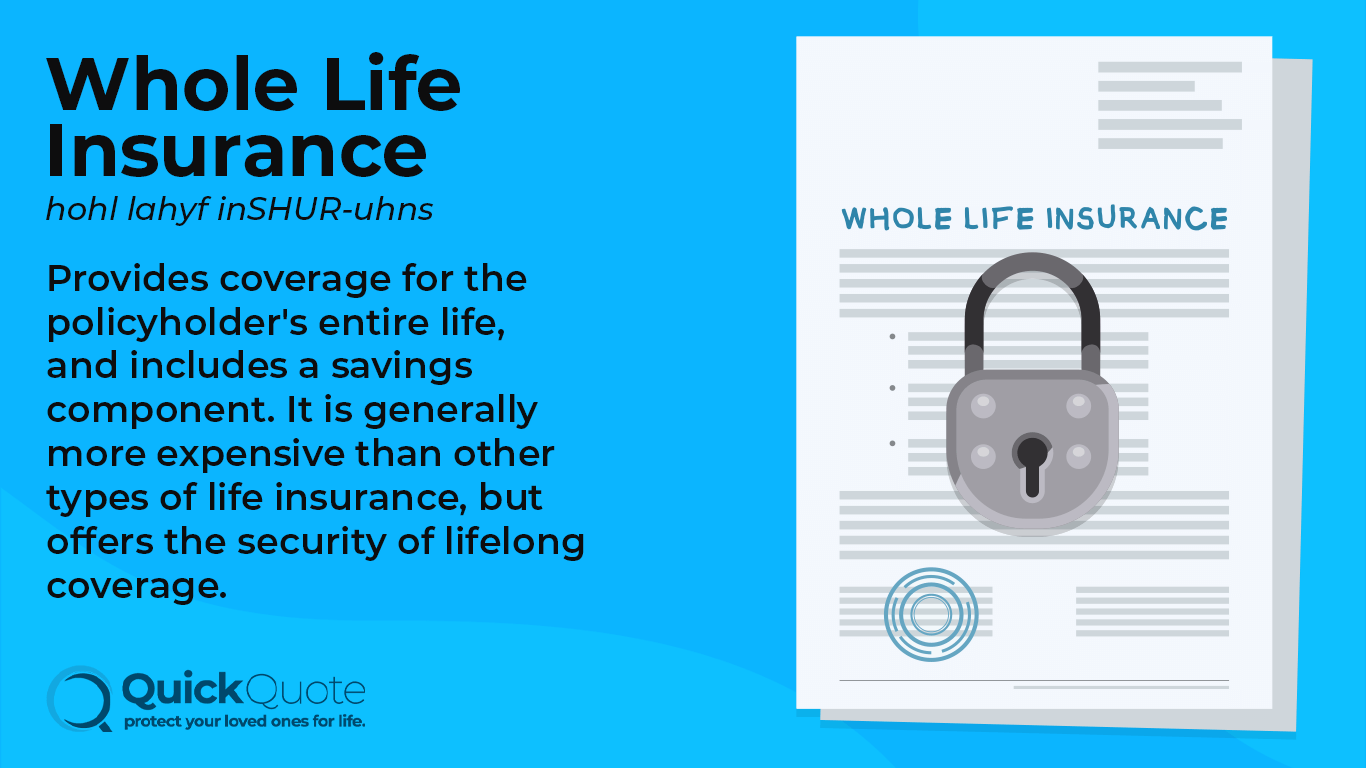
Permanent life insurance covers your entire lifetime as long as premiums are paid. These policies combine a death benefit with a cash value savings component that grows tax-deferred over time.
- Best for: Estate planning, lifetime dependents (such as special needs care), business succession planning, or permanent tax-advantaged wealth transfer.
- Cost profile: Substantially higher. A healthy 30-year-old purchasing a $500,000 whole life policy might pay $350 to $550 per month—roughly 10 to 15 times the cost of an equivalent term policy.
Determining Your Life Insurance Needs in Springfield, OH
To calculate how much coverage you should purchase, evaluate local cost-of-living metrics and personal obligations in Clark County.
Common Coverage Calculation Frameworks
Financial advisors frequently recommend using the DIME method to establish an appropriate death benefit target:
- Debt: Total outstanding debt excluding mortgage (credit cards, personal loans, auto loans, student loans).
- Income: Multiply your annual salary by the number of years your family would need income replacement (typically 7 to 10 years).
- Mortgage: Balance remaining on your primary home loan in Springfield.
- Education: Estimated post-secondary education costs for surviving children (average in-state college costs in Ohio range from $10,000 to $15,000 per year for tuition).
Local Real Estate and Income Context
According to regional economic data, the median home value in Springfield, Ohio, remains below the national average, making mortgage protection needs somewhat lower compared to major metropolitan hubs like Columbus or Cincinnati.
A local household earning $55,000 annually with a $130,000 remaining mortgage balance often finds that a $500,000 to $750,000 term life policy provides comprehensive coverage for income replacement, final settlement, and mortgage payoffs.
Ohio Insurance Regulations and Consumer Protections
Life insurance policies sold in Springfield are strictly governed by state statutes enforced by the Ohio Department of Insurance. These regulations protect policyholders against unfair carrier practices and insolvency.
Key Ohio Consumer Rights
- 10-Day Free Look Period: Under Ohio law, consumers have at least 10 days from the date of policy delivery to review the coverage details. If you cancel during this period, you are entitled to a full refund of all premiums paid.
- 30-Day Grace Period: If you miss a premium payment, Ohio law mandates a grace period (typically 30 to 31 days) during which the policy remains active. If death occurs during this timeframe, the insurer must pay the benefit minus unpaid premiums.
- Incontestability Clause: After a policy has been in force for two years during the insured's lifetime, the insurance company cannot void the policy or deny claims based on misstatements in the original application, except in cases of deliberate fraud.
- Insolvency Protection: The Ohio Life and Health Insurance Guaranty Association safeguards resident policyholders if an insurance carrier becomes insolvent. In Ohio, death benefit claims are protected up to $300,000 per individual, and cash surrender values are covered up to $100,000.
Strategies to Secure Lower Life Insurance Rates
- Buy While Young and Healthy: Lock in level rates as early in life as possible. Rates lock permanently for the length of a term policy or the duration of a permanent policy.
- Improve Health Vitals Prior to Applying: Managing blood pressure, reducing cholesterol, achieving a healthy BMI, and getting documented routine physicals can move your application from a Standard risk tier up to Preferred.
- Quit Nicotine: Transitioning to fully nicotine-free status for 12 to 24 consecutive months allows you to re-apply or request a policy re-rate at non-smoker pricing.
- Pay Premiums Annually: Most life insurance companies assess administrative service fees on monthly automatic withdrawals. Paying your premium in one annual lump sum typically saves 3% to 5% per year.
- Work with an Independent Broker: Independent insurance agents in Springfield represent multiple competing carriers, unlike captive agents who only sell products from a single company. An independent broker can compare underwriting niches across dozens of companies to find the lowest rate for your health profile.
Frequently Asked Questions
Is life insurance more expensive in Springfield compared to other Ohio cities?
No. Life insurance base rates in Springfield are identical to those in Columbus, Cleveland, or Dayton. Life insurance companies establish rates at the state level based on state laws and mortality tables, rather than hyper-local ZIP codes.
Do I need a medical exam to get life insurance in Ohio?
Not always. Many insurance carriers offer accelerated underwriting or "no-exam" term policies up to $1,000,000 or more for applicants under age 50 in good health. However, if you have complex medical conditions, taking a traditional paramedical exam (including blood work and urinalysis) may help secure a lower premium.
What happens if I outlive my 20-year term life policy?
When a term life policy reaches the end of its duration, coverage terminates and no payout is made. You typically have three options: allow the policy to expire, convert the term policy into a permanent whole life policy without evidence of insurability (if your policy includes a term conversion rider), or re-apply for a new term policy based on your current age and health.
Are life insurance proceeds taxable to beneficiaries in Ohio?
No. Life insurance death benefits paid to named beneficiaries are generally exempt from federal and Ohio state income taxes. However, if the benefit is paid directly to your estate rather than a named individual, it may be subject to probate and potential federal estate tax considerations if the total estate exceeds federal exemption thresholds.
Can I get life insurance in Springfield if I have pre-existing health conditions?
Yes. Many life insurance carriers specialize in impaired-risk underwriting. Conditions like well-managed type 2 diabetes, high blood pressure, asthma, or thyroid conditions can still qualify for competitive Standard or Standard Plus rates. An independent broker can target carriers with underwriting guidelines tailored to your specific health history.
Next Steps to Protect Your Family
Determining the exact cost of life insurance requires evaluating your family's personal debt, income replacement targets, and medical history. Springfield residents seeking coverage should follow a structured approach:
- Calculate Your Death Benefit Needs: Sum up remaining mortgage balances, personal debts, annual income replacement needs, and long-term education funds.
- Gather Personal Health Information: Have medical records, current prescription lists, and recent blood pressure/cholesterol numbers readily available.
- Compare Quotes Across Multiple Carriers: Consult an independent life insurance agent or request quotes online from several top-rated carriers (rated A- or higher by A.M. Best).
- Review Policy Terms Carefully: Take advantage of the 10-day free look period guaranteed by Ohio law to verify that all terms, riders, and benefit schedules align with your expectations.
Disclaimer: This article provides general insurance information for educational purposes and does not constitute formal legal, tax, or financial advice. Life insurance rates, underwriting criteria, and state regulations are subject to change. Consult a licensed Ohio insurance professional or financial advisor for personal policy guidance.
Image Gallery