The Iron Chef Iron Legend in Culinary Competition History
The Iron Chef iron legend in culinary competition history refers to iconic masters of cuisine—such as Chen Kenichi, Hiroyuki Sakai, and Masaharu Morimoto—who defined the global phenomenon of televised high-speed cooking through technic...
The Iron Chef iron legend in culinary competition history refers to iconic masters of cuisine—such as Chen Kenichi, Hiroyuki Sakai, and Masaharu Morimoto—who defined the global phenomenon of televised high-speed cooking through technical mastery, pressure management, and deep respect for seasonal ingredients.
Contents
The evolution of televised cooking competitions changed forever when Fuji Television launched Iron Chef (Ryōri no Tetsujin) in 1993. Before this format captured international audiences, cooking shows were predominantly instructional, slow-paced, and focused on home economics. Iron Chef transformed cooking into an elite sport, combining the theatricality of a stadium sporting event with the rigorous discipline of professional omakase and haute cuisine kitchens. At the center of this cultural shift were the "Iron Chefs"—designated culinary titans who defended their kitchen stadium against challengers from around the world. Understanding what makes an Iron Chef an "iron legend" requires examining the technical competencies, psychological resilience, and cultural influence that elevated these chefs from kitchen professionals to historical figures in gastronomy.
The Origins of Kitchen Stadium and the Iron Chef Concept
Created by Fuji TV producer Takeshi Suga, Iron Chef introduced a premise that would become a blueprint for modern reality television: an undefeated roster of resident culinary masters facing off against visiting challengers within a strict one-hour time limit. The overarching theme of each episode was a mandatory secret ingredient (shokuzai), announced only when the timer began.
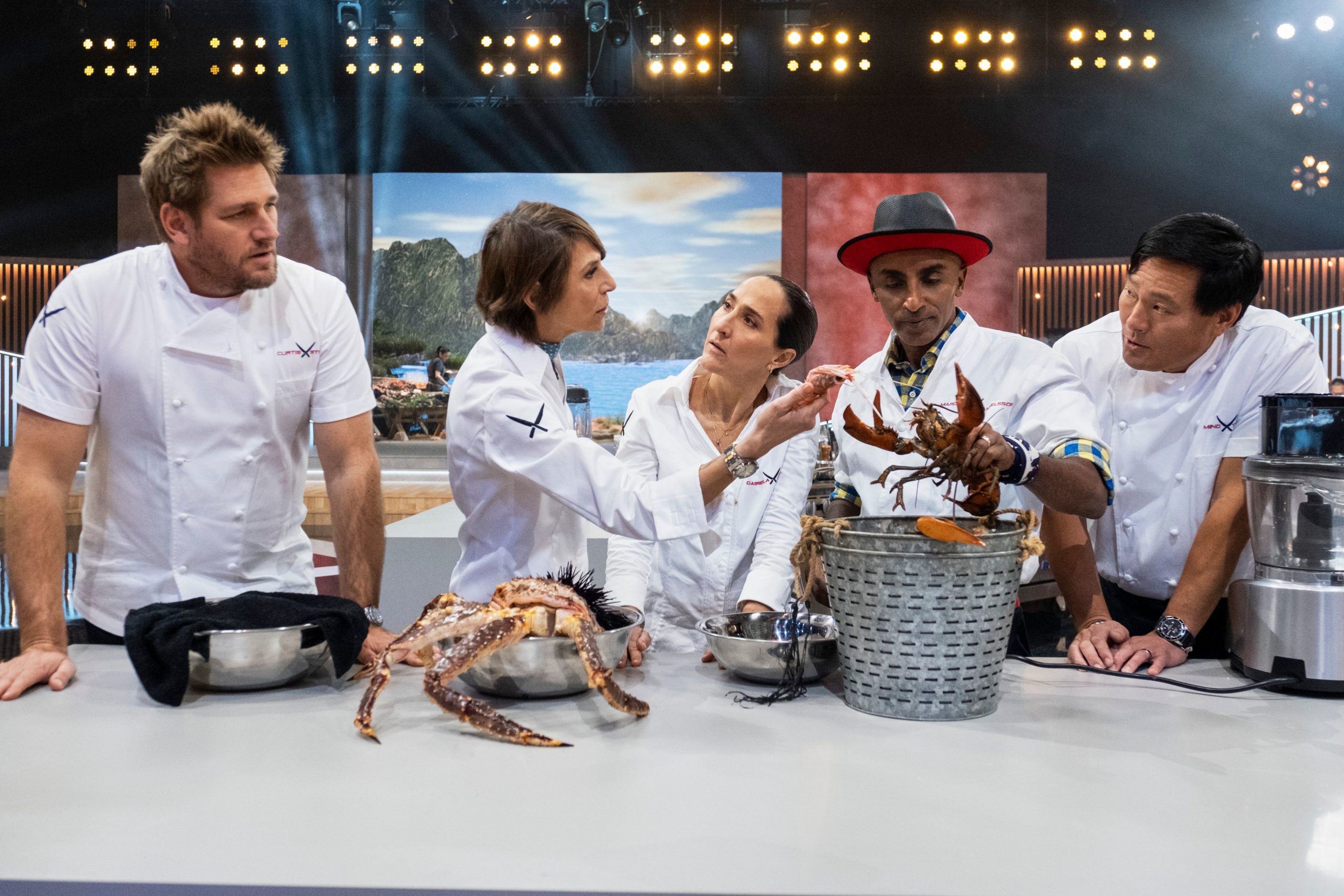
The physical environment of Kitchen Stadium was engineered to test every boundary of a chef's capability. Contestants navigated open-concept cooking stations equipped with high-pressure burners, specialized refrigeration, ice-carving tools, and instant access to a sprawling pantry. The pressure was magnified by the charismatic presence of Chairman Kaga (portrayed by actor Takeshi Kaga), whose theatrical bites of raw bell peppers and dramatic proclamations set a high-stakes tone.
To earn the designation of an Iron Chef, a candidate required more than just technical proficiency in a single cuisine. They needed an encyclopedic knowledge of world gastronomy, the ability to improvise complex flavor profiles under extreme duress, and the physical stamina to execute multiple dishes simultaneously. The original lineage established a standard where French, Japanese, Chinese, and Italian culinary philosophies were defended by masters who viewed the kitchen as both a laboratory and an artistic canvas.
Defining the Legendary Iron Chefs of the Original Era
While several chefs held the title over the show's original run from 1993 to 1999, a select few achieved undisputed legend status due to their win-loss records, signature innovations, and cultural impact.
Chen Kenichi: The "Sage of Szechwan"
Holding the longest tenure of any Iron Chef in the history of the original series, Chen Kenichi specialized in Sichuan cuisine. Known affectionately as the "Sage of Szechwan" or the "Sichuan God of Cooking," Kenichi popularized fiery, bold flavor profiles in Japan while adapting them to local palates. His battles were defined by high-energy execution, precise knife work, and an signature mastery of mapo tofu, chili prawns, and innovative dessert integrations involving doubanjiang and tropical fruits. His record of over 90 appearances solidified his endurance and consistency under fire.
Hiroyuki Sakai: The French Virtuoso
Iron Chef French Hiroyuki Sakai brought an artistic, delicate sensibility to Kitchen Stadium. Earning the title of Iron Chef in 1994, Sakai was celebrated for his elaborate seafood presentations, meticulous plating, and seamless fusion of French classical techniques with Japanese seasonal ingredients. His famous "Bouillabaisse" and sea urchin dishes showcased a level of elegance that frequently earned him high marks from discerning judges. Sakai ultimately won the coveted "King of Iron Chefs" tournament in 1999, cementing his legacy in international culinary history.
Masaharu Morimoto: The Modern Japanese Innovator
Blending traditional Japanese Edomae sushi techniques with Western culinary arts and global spices, Iron Chef Japanese Masaharu Morimoto introduced a modern, avant-garde perspective to Kitchen Stadium. Morimoto's approach was marked by unexpected flavor pairings, such as foie gras paired with unagi, and striking architectural plating. His transition from the original Japanese series to the American adaptation on Food Network helped bridge the gap between Asian and Western culinary media, establishing him as a global ambassador of modern Japanese cuisine.
| Iron Chef | Specialty Cuisine | Tenure / Era | Signature Style & Legacy |
|---|---|---|---|
| Chen Kenichi | Sichuan Chinese | 1993–1999 | Longest-serving Iron Chef; popularized authentic Sichuan flavors with high-energy execution. |
| Hiroyuki Sakai | French | 1994–1999 | Winner of the 1999 King of Iron Chefs; known for artistic seafood presentations and classical technique. |
| Masaharu Morimoto | Japanese / Fusion | 1998–1999 (Original), 2005–2018 (US) | Bridged Eastern and Western techniques; renowned for dynamic knife work and avant-garde plating. |
| Michiro Kagata | Japanese | 1993–1999 | Master of traditional kaiseki cuisine, focusing on deep seasonal reverence and minimalism. |
The Mechanics of Culinary Competition Under Pressure
The enduring legacy of the Iron Chef tradition rests on how contestants operated within strict operational parameters. A typical battle allotted exactly 60 minutes for the preparation of a multi-course meal centered on the secret ingredient. This constraint forced chefs to make split-second strategic decisions regarding menu planning, flavor balancing, and time management.
The Secret Ingredient Challenge
The revelation of the secret ingredient—ranging from common staples like pork, tofu, and rice to unexpected items like watermelon, milk, or eel—triggered an immediate tactical workflow. Legendary Iron Chefs did not merely cook the ingredient; they interrogated it. They manipulated its texture, temperature, and chemical properties to present it across appetizers, soups, main courses, and desserts. For example, when faced with "octopus," an elite chef would simultaneously braise it for tenderness, deep-fry it for crunch, and emulsify its juices into an accompanying sauce.
Judging Criteria and Scoring
Dishes were evaluated by a panel of four judges, typically consisting of food critics, cultural figures, and celebrity guests. Scoring was based on three strict metrics:
- Taste: The primary determinant, assessing flavor balance, seasoning, and execution.
- Presentation: Visual appeal, plating geometry, and aesthetic harmony.
- Originality: Creativity, innovation, and how effectively the challenger or Iron Chef utilized the secret ingredient.
Each category was scored out of 20 points, leading to a maximum possible score of 100 points per chef. The transparency and strictness of this scoring system lent legitimacy to the competition, separating it from standard variety shows.
Global Expansion and the Evolution of the Franchise
The cultural footprint of Iron Chef extended far beyond Japanese television. In the early 2000s, Food Network licensed the format for Iron Chef America, introducing a new generation of American chefs—including Bobby Flay, Mario Batali, and Michael Symon—to the rigors of Kitchen Stadium. This adaptation maintained the dramatic flair of the original while incorporating local culinary stars and arena-style commentary by culinary personalities like Alton Brown.
Subsequent iterations across various global markets demonstrated the universal appeal of the format. Whether through Iron Chef Canada, Iron Chef Thailand, or Netflix's high-budget revival Iron Chef: Quest for an Legend, the core mythology remained unchanged: skilled culinary artisans facing off against formidable resident masters under the tyranny of the clock. Throughout these expansions, the original Japanese Iron Chefs retained their status as historical pioneers who established the gold standard for televised culinary arts.
Common Misconceptions About Iron Chef Competitions
Discussions surrounding televised culinary competitions often generate myths regarding their authenticity and production methods. Understanding the realities of Kitchen Stadium clarifies the genuine skill required of these culinary legends.
- Myth: Chefs receive advanced notice of the secret ingredient to plan their menus.
- Reality: The secret ingredient was kept strictly confidential until the moment Chairman Kaga unveiled it. Chefs relied entirely on their foundational knowledge, spontaneous creativity, and comprehensive pantries to design viable menus on the spot.
- Myth: The cooking stations lack fully functional equipment and rely on theatrical props.
- Reality: Kitchen Stadium featured professional-grade commercial kitchens equipped with blast chillers, specialized induction burners, and industrial-grade mixers. The equipment was entirely functional, and competitors operated under real restaurant-kitchen conditions.
- Myth: Judging scores are pre-determined for narrative drama.
- Reality: Independent judges scored dishes blindly based on taste, presentation, and originality, ensuring genuine competitive outcomes during high-stakes battles.
Frequently Asked Questions
Who was the most successful Iron Chef in the original series?
Chen Kenichi is widely regarded as the most successful and prolific Iron Chef from the original 1993–1999 Japanese series, competing in nearly 100 matches and maintaining a high win percentage while specializing in Sichuan cuisine.
How were the secret ingredients chosen for each episode?
Secret ingredients were selected by the production team based on seasonal availability, thematic relevance, or cultural significance. They ranged from everyday proteins and vegetables to exotic or challenging items designed to test culinary versatility.
Did the Iron Chefs know the secret ingredient beforehand?
No. The chefs had no prior knowledge of the secret ingredient. They entered Kitchen Stadium blind and were required to conceptualize, prep, and execute multiple dishes within the 60-minute time limit immediately after the announcement.
What happened to the original Kitchen Stadium?
The original set used by Fuji Television was decommissioned following the conclusion of the primary series in 1999, though subsequent international adaptations constructed their own bespoke versions of Kitchen Stadium to honor the format.
How did Iron Chef change modern cooking shows?
Iron Chef pioneered the shift from instructional cooking programs to fast-paced, competitive sports entertainment, establishing reality-TV pacing, dramatic narration, and high-stakes judging panels that define modern food television.
Practical Next Steps for Culinary Enthusiasts
For those inspired by the technical discipline and creative problem-solving of the Iron Chef legends, developing similar kitchen agility requires deliberate practice. Start by timing standard meal preparation to build efficiency, experiment with incorporating unexpected single ingredients across multiple courses, and study classical flavor pairing foundations across French, Japanese, and Chinese traditions. Mastering these fundamentals provides a solid foundation for elevated home cooking and a deeper appreciation of professional culinary competition history.
Image Gallery