The Best Top Life Insurance Marketing Organizations for Agencies
Independent life insurance agencies and brokerage general agencies rely on specialized marketing organizations to secure competitive contracts, advanced technology, back-office underwriting support, and high-tier commission structures....
Independent life insurance agencies and brokerage general agencies rely on specialized marketing organizations to secure competitive contracts, advanced technology, back-office underwriting support, and high-tier commission structures. Navigating these partnerships requires understanding how top organizations operate, what services they provide, and how to evaluate their value relative to your agency's long-term growth objectives.
Contents
Independent life insurance agencies operating in the modern financial services landscape face an operational balancing act. Securing high-volume carrier appointments, navigating complex underwriting guidelines, and implementing scalable lead-generation strategies require resources that extend beyond the capacity of a typical independent shop. This is where Life Insurance Marketing Organizations (LIMOs)—frequently structured as Field Marketing Organizations (FMOs), General Agencies (GAs), or Independent Marketing Organizations (IMOs)—become critical.
Partnering with the right organization provides independent producers and agency principals with institutional leverage. However, choosing the wrong partner can result in restricted carrier access, lagging compensation, and poor technological integration. Evaluating the top organizations requires an objective examination of their core competencies, commission structures, back-office support, and technological infrastructure.
Understanding the Role of Life Insurance Marketing Organizations
Life Insurance Marketing Organizations act as the intermediary bridge between independent insurance agents and national life insurance carriers. Rather than contracting directly with dozens of distinct carriers—a process burdened by minimum production requirements, extensive administrative overhead, and complex compliance tracking—agencies partner with an IMO or FMO to aggregate their volume.
This aggregation grants agencies access to diverse product portfolios, including term life, whole life, universal life (UL), indexed universal life (IUL), final expense, and annuities. Beyond simple product access, top-tier marketing organizations provide systemic support designed to accelerate agency growth. This support typically spans three foundational pillars:
- Carrier Contracting and Compensation: Aggregating volume allows organizations to negotiate higher commission tiers with major insurance carriers. They pass these elevated rates down to sub-agencies while maintaining overriding commissions.
- Underwriting Advocacy: Navigating impaired risk, jumbo cases, or specialized medical underwriting requires experienced advocacy. Top organizations employ in-house underwriters and case managers who review applications before submission, identifying the most favorable carrier to prevent costly delays or declinations.
- Technology and Lead Generation: Modern agencies demand robust CRM systems, electronic application (e-app) platforms, quote engines, and structured lead-generation programs. Leading organizations invest heavily in proprietary or white-labeled software suites to streamline client acquisition and policy management.
Key Criteria for Evaluating Life Insurance Marketing Organizations
Selecting a top-tier marketing organization involves moving past promotional marketing materials and examining operational realities. Agency owners must analyze several objective metrics to determine alignment with their business model.
Carrier Portfolio and Compensation Schedules
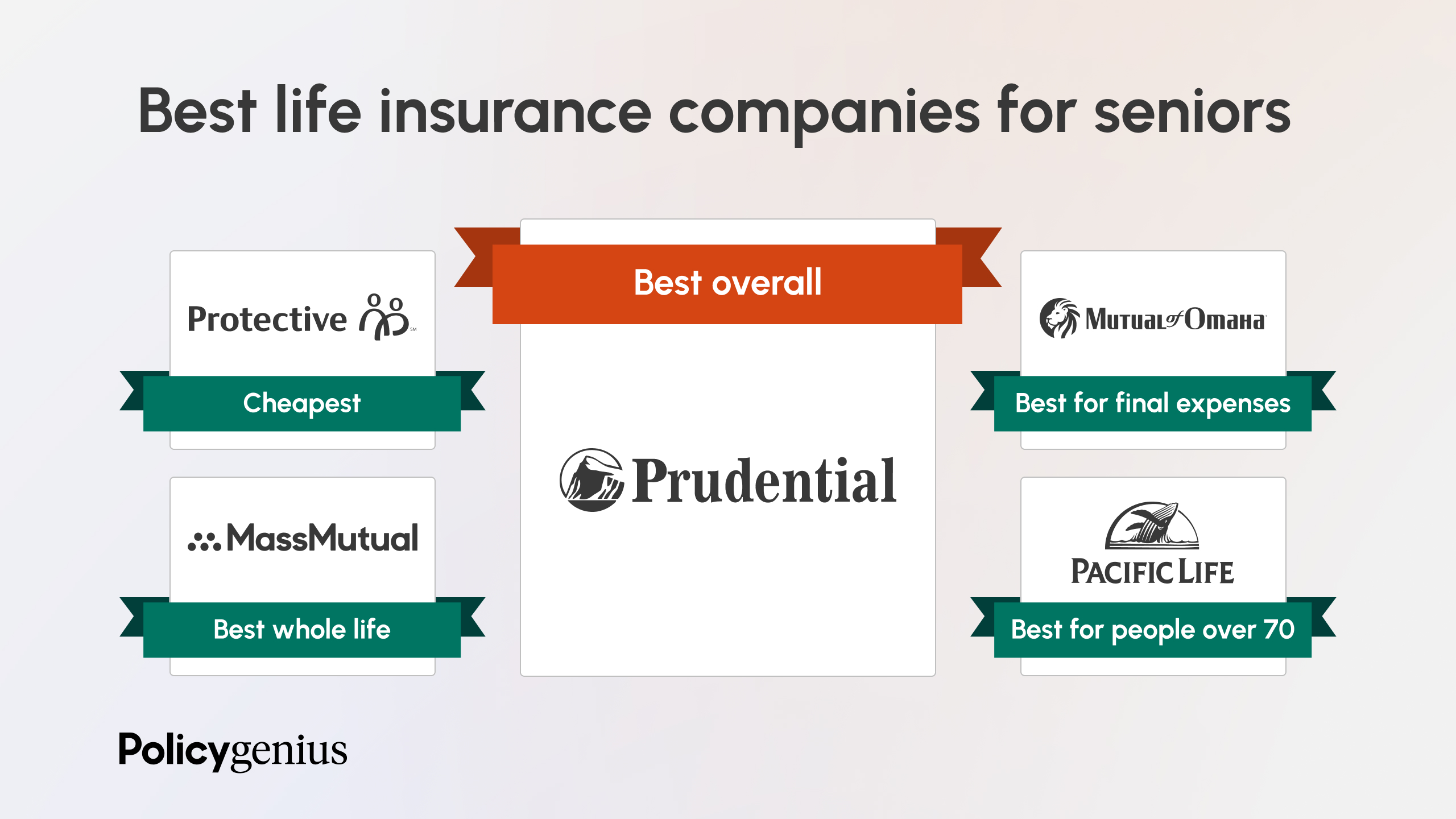
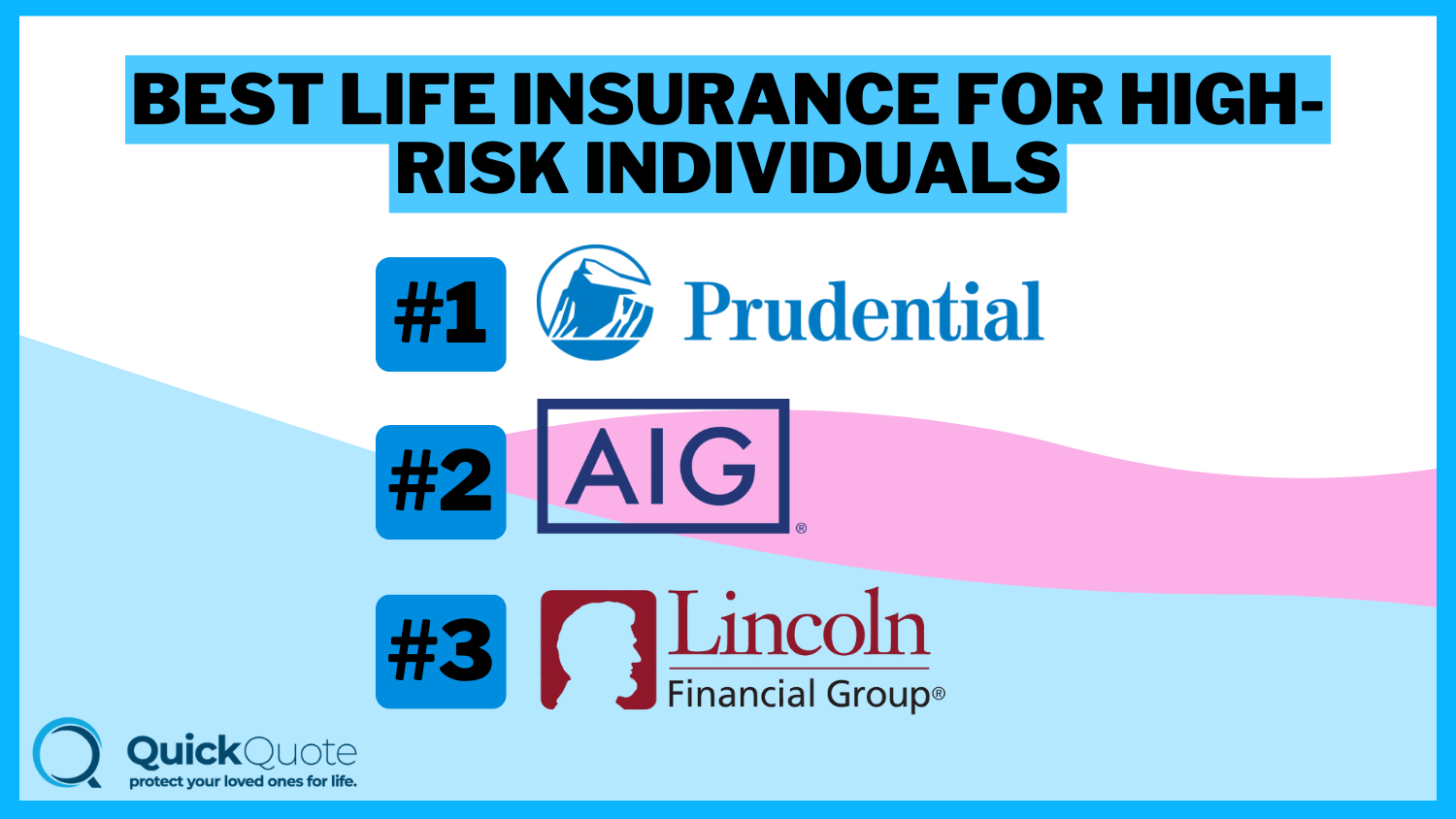
A robust carrier lineup is non-negotiable. Agencies must verify whether an organization offers direct contracts with "A-rated" carriers such as Prudential, Mutual of Omaha, Lincoln Financial, Legal & General America (Banner Life), and Pacific Life. Furthermore, agency owners should examine the vesting schedule. Organizations offering fully vested renewals ensure that the agency retains its hard-earned renewal income even if the partnership dissolves.
Technology Integration and E-App Capabilities
Efficiency dictates profitability in contemporary insurance distribution. Evaluate whether the organization provides a centralized dashboard for tracking pending business, commission statements, and client communications. Platforms featuring multi-carrier quote engines, automated underwriting pre-qualification tools, and seamless e-app integration significantly reduce cycle times from submission to policy issue.
Lead Generation and Co-Op Marketing Programs
Lead quality remains a primary bottleneck for growing agencies. While some organizations offer generic, recycled leads, top-tier partners provide proprietary lead generation programs, digital marketing training, and co-op funding. Agencies should inquire about the exact source of leads—such as direct-mail, internet landing pages, or social media funnels—and whether exclusive territory rights apply.
Training, Mentorship, and Compliance Support
For agencies scaling their producer headcounts, structured training and compliance oversight are essential. The best marketing organizations offer continuous agent development programs, advanced market training for estate and business planning, and compliance monitoring to ensure adherence to state regulations and carrier guidelines.
Comparison of Leading Life Insurance Marketing Organizations
While the industry features numerous players, several organizations have established dominant market positions through scale, proprietary technology, and comprehensive support systems. The following table highlights key characteristics of prominent national marketing organizations serving independent agencies.
| Organization Name | Primary Focus / Specialties | Core Advantages | Typical Agency Fit |
|---|---|---|---|
| Crusader / National Industry Leaders | High-net-worth, advanced markets, IUL | Exceptional underwriting advocacy, sophisticated case design | Established agencies focusing on affluent clientele and advanced planning. |
| Digital-First IMOs | Scalable lead generation, e-app efficiency | Proprietary CRM tools, turnkey digital funnels | Tech-enabled agencies and high-volume independent producers. |
| Final Expense / Senior Market FMOs | Simplified issue life, final expense, Medicare | High-volume carrier contracts, direct-mail lead co-ops | Agencies specializing in the senior demographic and direct-to-consumer sales. |
| Multiline Brokerage General Agencies | Comprehensive life, annuities, and disability | Diversified product shelf, localized back-office support | Hybrid agencies offering property & casualty alongside life and financial products. |
Note: Specific contractual terms, overriding percentages, and bonus structures vary significantly based on verified agency production levels and historical performance.
Operational Challenges and Mitigation Strategies
Partnering with a major marketing organization introduces specific structural dependencies. Agency principals must proactively manage these relationships to maintain business autonomy.
Managing Carrier Vesting and Commission Splits
A common friction point involves commission level adjustments and contract ownership. Independent agencies must carefully review their hierarchy agreements to ensure they maintain clear ownership of their downline agents and renewal streams. Ambiguous contracts can trap renewal commissions if an agency decides to transition to a different organization.
Avoiding Lead Quality Disconnects
Co-op lead programs require continuous ROI auditing. Agencies should track conversion rates meticulously from initial lead receipt to closed policy. If a marketing organization's proprietary leads exhibit high churn or poor contact rates, agencies must retain the flexibility to deploy external lead vendors without penalty.
Frequently Asked Questions
What is the difference between an IMO, FMO, and GA?
These terms frequently overlap in modern insurance distribution. Historically, an FMO (Field Marketing Organization) focused heavily on senior markets and Medicare, an IMO (Independent Marketing Organization) specialized in life insurance and annuities, and a GA (General Agency) operated at a regional level. Today, most large organizations function as hybrids, providing broad national support across multiple product lines.
Do I lose ownership of my clients when partnering with a marketing organization?
No. Independent agencies retain ownership of their book of business and client records. However, the servicing of contracts and commission payouts are routed through the organization's hierarchy based on the agreed-upon contract level.
How do marketing organizations make money if they offer high commission splits?
Marketing organizations profit through overriding commissions (spreads) paid by the insurance carriers based on the total aggregate volume produced by all sub-agencies and agents within their hierarchy, as well as carrier-sponsored marketing co-op funds and bonuses.
Can I partner with multiple marketing organizations simultaneously?
While technically possible for different product lines (e.g., one organization for final expense and another for advanced estate planning life insurance), spreading production too thin across multiple organizations can dilute your total volume tier, resulting in lower overall commission percentages.
What should an agency look for in an underwriting advocacy team?
Look for organizations that employ dedicated case managers and medical directors who possess direct relationships with carrier chief underwriters. This ensures proactive advocacy for borderline medical cases, potentially saving policies from unnecessary ratings or declines.
Next Actions for Agency Principals
Choosing the right life insurance marketing organization requires a structured audit of your agency's current production, technical requirements, and growth trajectory. Begin by documenting your monthly submission volume, target demographic, and pain points in your current workflow—whether underwriting delays, lead acquisition costs, or software limitations. Schedule exploratory calls with leadership teams at prospective organizations to review specific carrier schedules, verify contract vesting terms, and test-drive their proprietary technology platforms before signing an exclusive agreement.
Image Gallery