Why Is The Simpsons Voice Actor Retiring? Understanding Cast Changes in 2026
The primary reason a major Simpsons voice actor, most notably Pamela Hayden, retired is the natural conclusion of a legendary career spanning over 35 years. After voicing iconic characters like Milhouse Van Houten since 1989, Hayden ch...
The primary reason a major Simpsons voice actor, most notably Pamela Hayden, retired is the natural conclusion of a legendary career spanning over 35 years. After voicing iconic characters like Milhouse Van Houten since 1989, Hayden chose to "hang up the microphone" to pursue personal interests and enjoy her legacy, a move reflective of the broader aging of the show's original cast.
Contents
As The Simpsons continues its unprecedented run through 2026, the series has reached a pivotal junction. The retirement of key cast members is no longer just a rare occurrence but a strategic transition for one of the most successful media franchises in history. To understand why these changes are happening now, we must look at the intersection of physical vocal limitations, the desire for personal legacy, and the evolving creative philosophy of the show's producers.
The Retirement of Pamela Hayden: Milhouse’s Final Bow
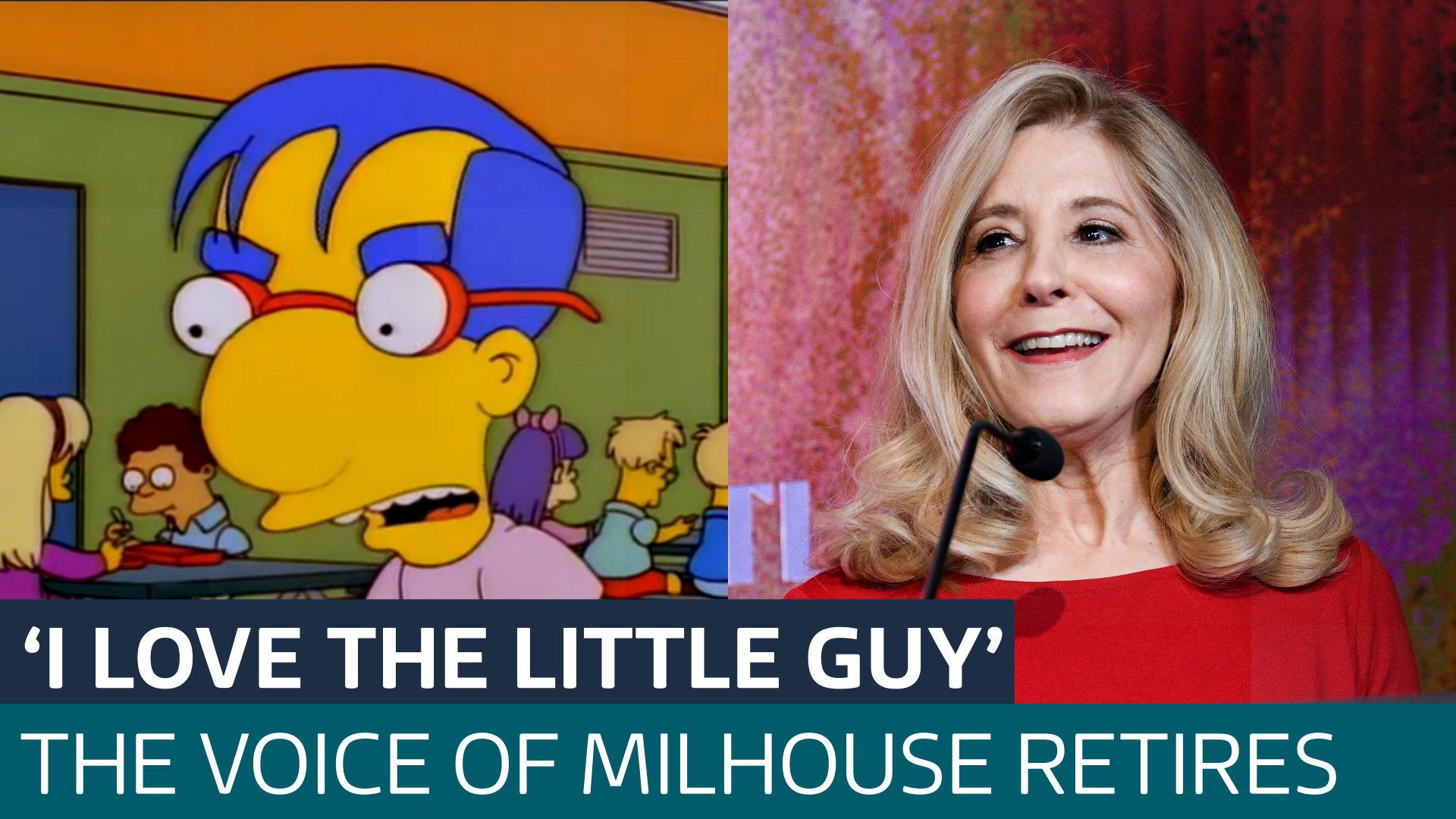
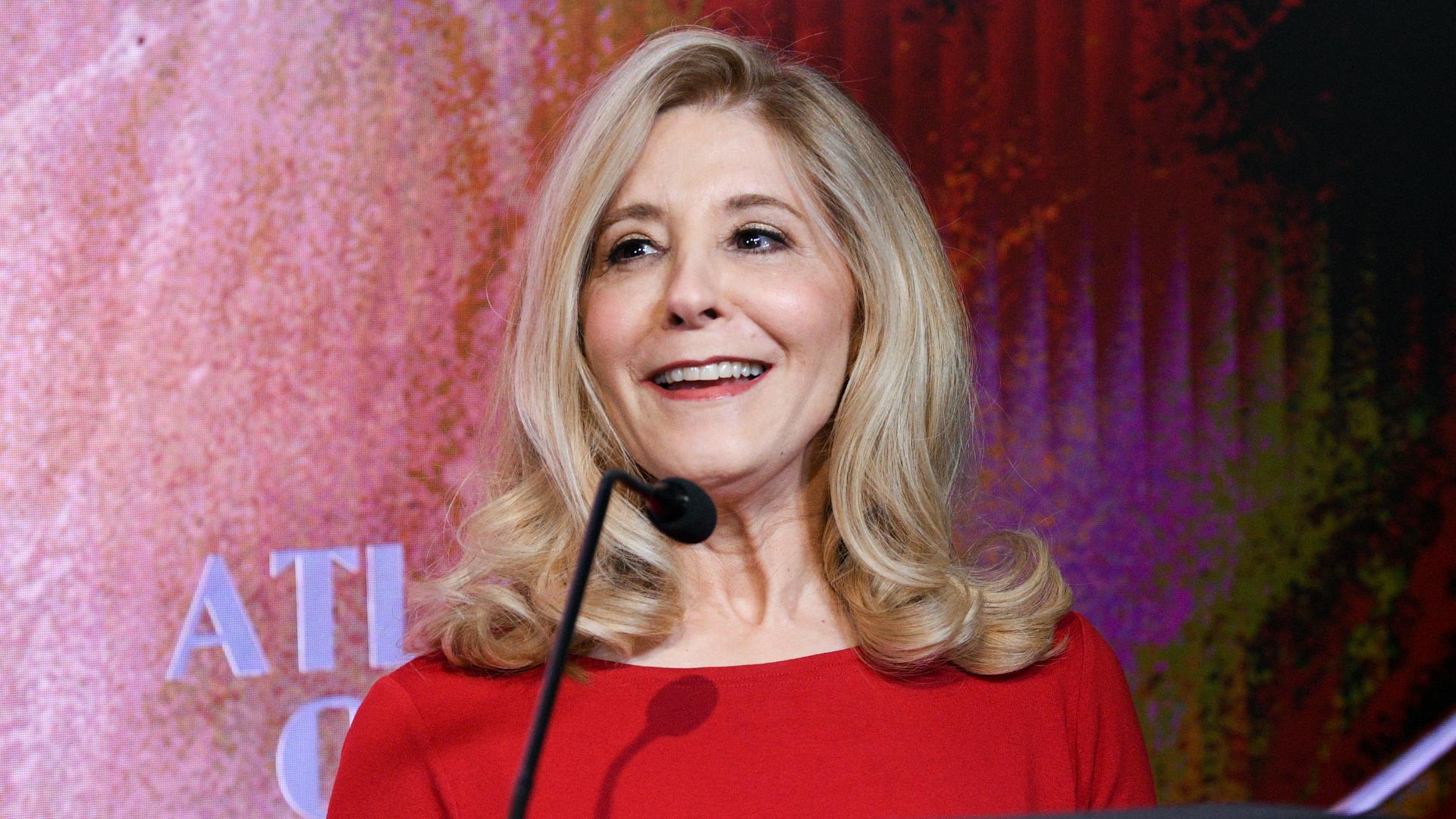
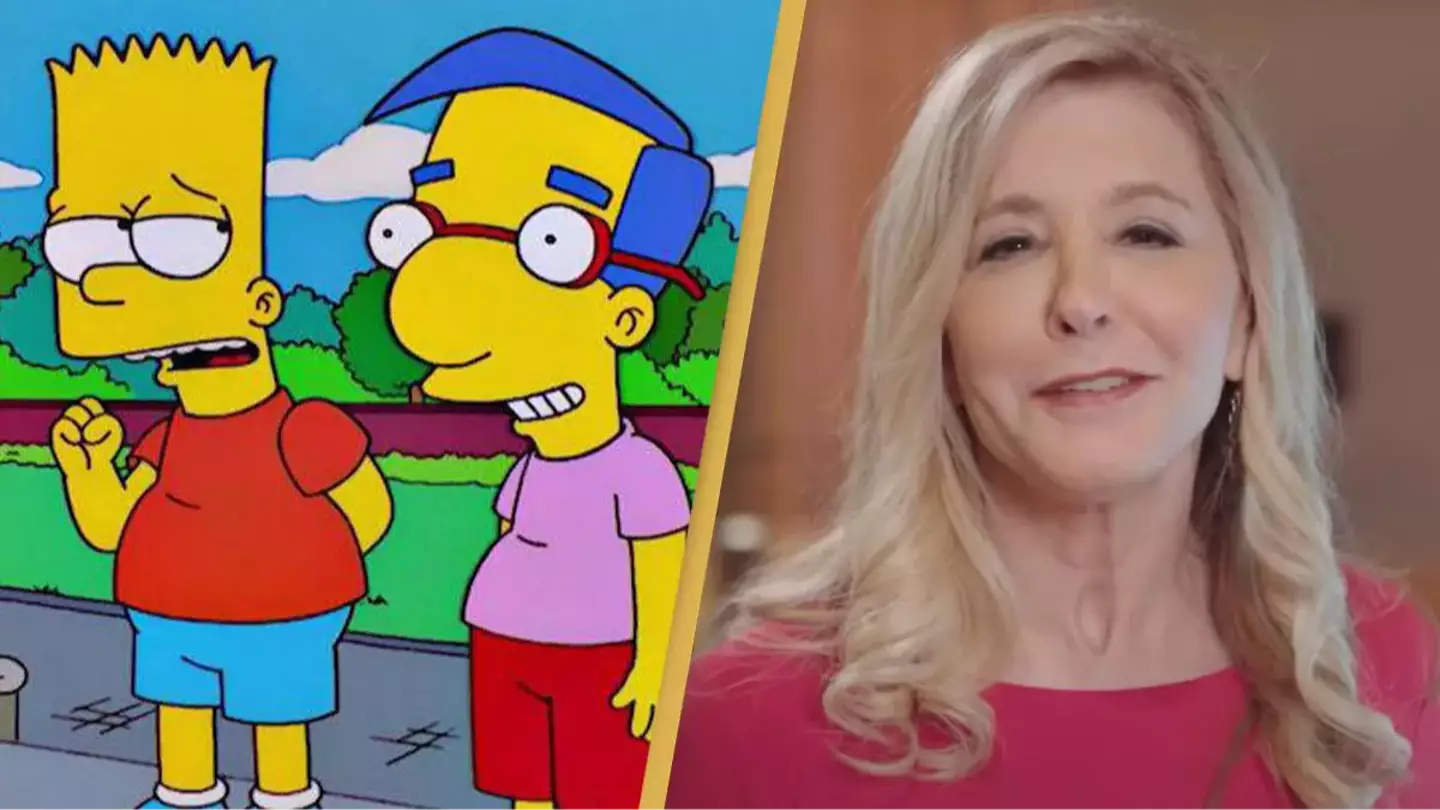
In late 2024, Pamela Hayden officially announced her retirement from The Simpsons. For fans who grew up with the show, her departure marked the end of an era. Hayden was the voice behind Milhouse Van Houten, Bart’s chronically unlucky best friend, as well as Jimbo Jones, Rod Flanders, and Sarah Wiggum.
Hayden’s decision was largely personal. In her official statement, she expressed immense gratitude for being part of a show that "broke the mold." Having started with the series during its first season in 1989, Hayden had dedicated three and a half decades to the residents of Springfield. By 2026, her retirement is fully settled, and her characters have been transitioned to new performers. The "why" in her case is a simple but profound reality: after thousands of episodes and a career that defined a subgenre of animation, the artist chose to step away while the show was still at a creative high.
Impact on the Character of Milhouse
Milhouse is not a secondary character who can be easily phased out. He is essential to the "Bart Simpson" dynamic. Producers faced a choice: retire the character or find a sound-alike. Unlike the situation with Edna Krabappel (where the character was retired following the death of Marcia Wallace), the show opted to keep Milhouse active, recognizing his integral role in the Springfield ecosystem.
The Physical Toll of Voice Acting Over Decades
One often overlooked aspect of why voice actors retire from long-running shows is the physical strain on the vocal cords. While many assume voice acting is "easier" than live-action performance, the reality is that maintaining a specific, often heightened or distorted pitch for 30+ years is taxing.
Vocal Chord Aging and Elasticity
As humans age, the vocal cords lose elasticity, and the muscles surrounding the larynx can weaken. For actors like Julie Kavner (Marge Simpson), the raspy, gravelly tone required for the character has become visibly (and audibly) more difficult to maintain. While Kavner remains with the show in 2026, the "retirement" conversation often circles around the physical ability of the actors to replicate voices they created in their 30s and 40s now that they are in their 70s and 80s.
Consistency Challenges
The technical depth of a voice actor's job involves matching the "voice print" established decades ago. When an actor finds they can no longer reach the necessary registers without pain or significant electronic assistance, retirement becomes a matter of professional integrity. They would rather step down than provide a performance that feels like a shadow of the character's peak.
Cultural Sensitivity and Recasting vs. Retirement
The "why" behind actors leaving their roles on The Simpsons also includes a massive shift in cultural standards that occurred between 2020 and 2024. This era saw several actors "retiring" from specific roles—though not the show entirely—to allow for more authentic representation.
- Hank Azaria and Apu: Azaria stepped down from voicing Apu Nahasapeemapetilon after a long period of reflection regarding the character's impact as a South Asian stereotype.
- Harry Shearer and Dr. Hibbert: In 2021, Harry Shearer stopped voicing Dr. Julius Hibbert, a Black character, who was then taken over by Kevin Michael Richardson.
- Recasting as a Preservation Strategy: In 2026, the show continues to use this "recasting" model rather than "retirement" for characters. This allows the show to maintain its ensemble cast while aligning with modern casting standards.
Financial and Contractual Realities in 2026
By 2026, the economics of The Simpsons have shifted. While the show remains a powerhouse on Disney+, the original "Core Six" cast members (Dan Castellaneta, Julie Kavner, Nancy Cartwright, Yeardley Smith, Hank Azaria, and Harry Shearer) have contracts that are among the most expensive in television history.
Retirements sometimes occur during contract renegotiations. If an actor feels that the grueling production schedule—which includes not just the show, but mobile games, theme park attractions, and promotional shorts—is no longer worth the investment of their time, they may use a contract cycle as a natural exit point. For someone like Pamela Hayden, who was a "utility player" (voicing multiple recurring characters), the decision to retire may also be influenced by the show moving toward a different payroll structure for non-core cast members.
Technical Management of Cast Departures
How does a show as iconic as The Simpsons manage when a voice actor retires? The process is a mix of traditional auditioning and high-end audio engineering.
| Character | Original Voice Actor | Status in 2026 | Replacement Method |
|---|---|---|---|
| Milhouse Van Houten | Pamela Hayden | Retired (2024) | New Voice Actor |
| Dr. Hibbert | Harry Shearer | Recast (2021) | Kevin Michael Richardson |
| Carl Carlson | Hank Azaria | Recast (2020) | Alex Désert |
| Edna Krabappel | Marcia Wallace | Retired (2013) | Character Written Out |
| Martin Prince | Russi Taylor | Recast (2019) | Grey DeLisle |
| Maude Flanders | Maggie Roswell | Recast/Returned | Replacement (formerly) |
The Role of AI and Voice Synthesis
As of 2026, the use of AI voice cloning remains a controversial topic in the SAG-AFTRA community. While the technology exists to perfectly replicate the voices of retiring actors, The Simpsons has largely avoided using pure AI to replace retiring stars, preferring to hire human "sound-alikes." This is partly due to union regulations and partly to maintain the "soul" of the performance, which AI still struggles to replicate in comedic timing.
The Future: Will More Actors Retire?
Looking at the current landscape, the question isn't if more actors will retire, but when. The "Core Six" are all in their late 60s to mid-70s.
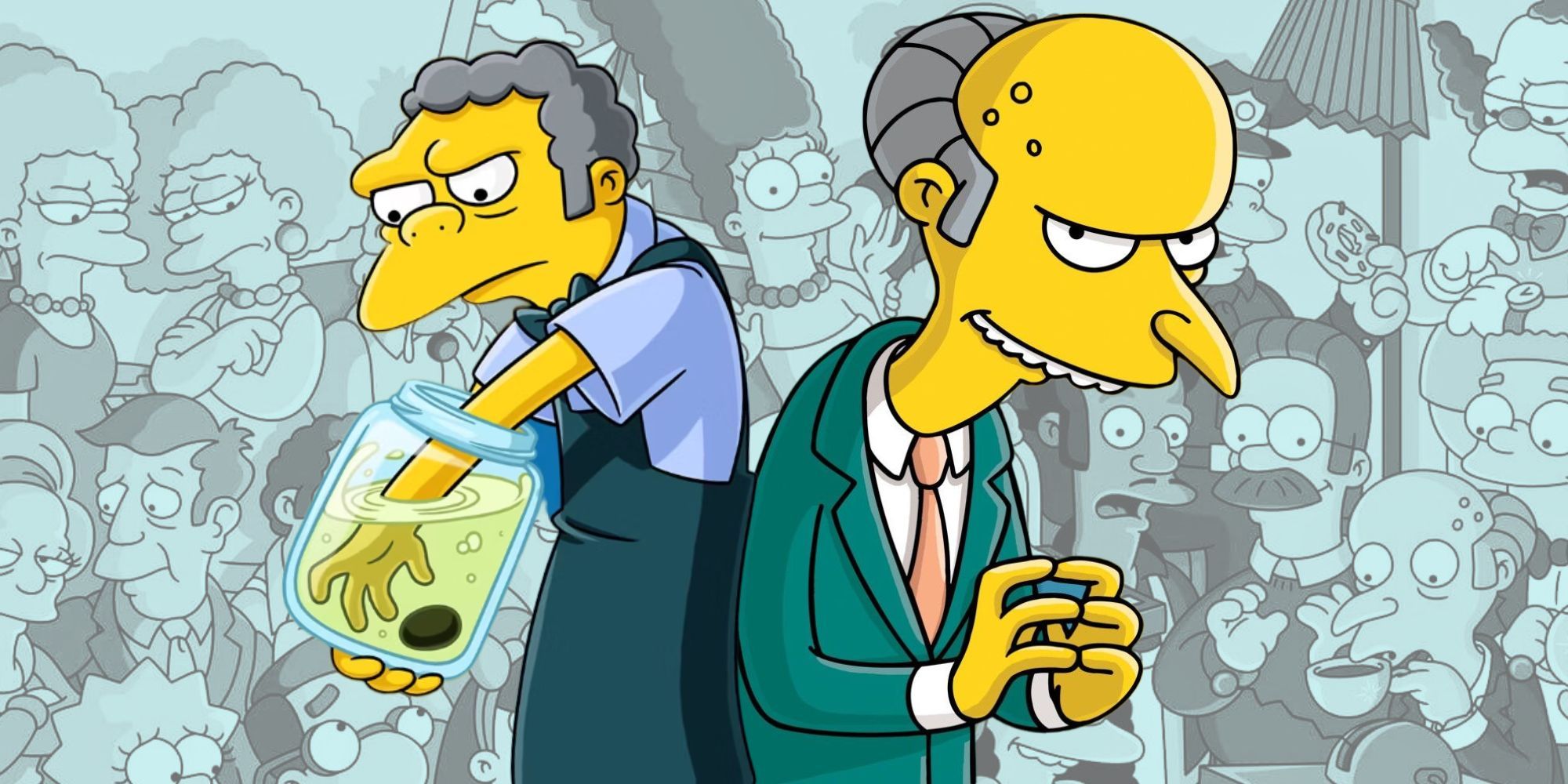
- Harry Shearer has often been the most vocal about the show's creative direction and his own tenure. While he continues to voice dozens of characters (Mr. Burns, Ned Flanders, Principal Skinner), rumors of his partial retirement persist.
- Julie Kavner has significantly scaled back her public appearances, leading to speculation that she may be the next to transition into a more limited role or full retirement.
The production team, led by Al Jean and Matt Selman, has prepared for this by building a deeper bench of guest stars and versatile voice actors who can step into roles if an emergency or sudden retirement occurs.
Why the Show Continues Despite Retirements
You might wonder why the show doesn't simply end when a legendary voice actor retires. The answer lies in the franchise value. The Simpsons is no longer just a sitcom; it is a global brand.
- Syndication and Streaming: The back catalog of over 800 episodes is a cornerstone of Disney+. New episodes, even with changed voices, keep the "algorithm" fresh and the brand relevant to younger generations.
- Creative Reinvention: New voices often bring a slightly different energy to characters, allowing writers to explore new angles that might have felt stale after 30 years with the same performer.
- Global Dubbing: It is important to remember that for millions of viewers in Germany, Japan, Spain, or Latin America, the "voice" of the characters has already changed multiple times due to local dubbing actors retiring or passing away. The "global" Simpsons has already proven it can survive voice changes.
FAQ: The Simpson Voice Actor Retirements
Who was the most recent major voice actor to retire from The Simpsons?
Pamela Hayden, the voice of Milhouse Van Houten, Jimbo Jones, and Rod Flanders, is the most recent major retirement, having announced her departure in late 2024.
Why didn't they just retire the character of Milhouse?
Milhouse is considered too essential to the show's structure, particularly as Bart Simpson's primary foil. Unlike Edna Krabappel, whose role was more localized to the school, Milhouse's absence would fundamentally change the family dynamic and the "kids of Springfield" storylines.
Is Harry Shearer still on the show in 2026?
As of early 2026, Harry Shearer remains part of the cast, though his roles have been streamlined. Some of his characters, like Dr. Hibbert, were recast several years ago to address representation concerns, but he still provides the voices for Mr. Burns and Ned Flanders.
Do voice actors get royalties when they retire?
Yes, under SAG-AFTRA contracts, original cast members receive residuals from the episodes they recorded. These residuals continue to provide significant income even after the actor has officially retired from recording new lines.
Has the show ever used AI to replace a voice actor?
While the show has utilized digital cleaning and occasionally "patched" dialogue using existing recordings for minor corrections, they have not officially replaced a retiring main cast member with a generative AI voice as of 2026, opting instead for human actors.
Practical Steps for Fans Following Cast Changes
If you are a fan concerned about the changing sound of Springfield, the best way to stay informed is to follow official production credits.
- Check the Credits: Each episode's end credits will list the "Special Guest Voices" or new series regulars.
- Official Social Media: Follow the show’s producers (like Al Jean) on social media for announcements regarding casting calls or "passing the torch" ceremonies.
- Support the Actors: Retirement is a celebration of a career. Many retiring actors, including Pamela Hayden, remain active in the fan community through conventions and memoirs.
As the show navigates this inevitable transition period in 2026, the focus remains on honoring the legacy of the original actors while ensuring that the town of Springfield stays populated for another generation of viewers.
Image Gallery