Choosing a Travel Crib for Camping: A Technical Guide for Families
Choosing a travel crib for camping requires balancing portability with environmental protection. Unlike indoor cribs, camping-ready models must feature high-density bug mesh, UV-protective canopies, and moisture-resistant bases to hand...
Choosing a travel crib for camping requires balancing portability with environmental protection. Unlike indoor cribs, camping-ready models must feature high-density bug mesh, UV-protective canopies, and moisture-resistant bases to handle uneven, damp terrain. Prioritize lightweight frames—ideally under 15 pounds—and ensure the mattress meets current safety standards for firmness and breathability.
Contents
Selecting the right sleep environment for an infant or toddler during an outdoor excursion is a critical safety and comfort decision. By 2026, the market for portable sleep solutions has expanded to include specialized "adventure-grade" gear designed specifically for the rigors of the campsite. While a standard home "pack-and-play" may suffice for a hotel room, it often fails in a tent due to its bulk, weight, and lack of protection against insects and temperature fluctuations.
Safety Standards and Regulatory Compliance (ASTM F406)
The primary concern when choosing any travel crib is adherence to safety standards. In the United States, the Consumer Product Safety Commission (CPSC) and ASTM International govern the structural integrity and safety of non-full-size baby cribs and play yards under the ASTM F406 standard.
When evaluating a crib for camping, verify that it carries the JPMA (Juvenile Products Manufacturers Association) certification. This ensures the product has been tested for:
- Side Height: To prevent falls, the interior vertical height must be sufficient for the child’s age and developmental stage.
- Mesh Integrity: The mesh must be small enough to prevent toe or finger entrapment but strong enough to withstand the pressure of a leaning child.
- Mattress Firmness: To reduce the risk of Sudden Infant Death Syndrome (SIDS) or SUID, mattresses must be firm and fit the crib frame with no gaps larger than an inch. Portable camping mattresses are often thinner than home versions to ensure this firmness, despite the hardness of the ground beneath.
- Stability: The unit must not tip on slightly uneven terrain, which is common in forest or beach settings.
For 2026, many manufacturers have also adopted the OEKO-TEX Standard 100 certification, ensuring that the fabrics used in the crib are free from harmful chemicals, which is particularly important as children spend hours with their faces pressed against these materials.
Environmental Protection: Sun, Bugs, and Moisture
The outdoor environment introduces variables that indoor travel cribs are not equipped to handle. A dedicated camping crib must provide a barrier against the elements.
UV Protection and Canopies
If the crib will be used outside the tent during the day, a canopy with a UPF 50+ rating is essential. The sun’s rays can penetrate standard mesh, making a dedicated sun shield necessary. Look for models where the canopy is integrated or securely attached, covering at least two-thirds of the sleeping area to provide adequate shade regardless of the sun's angle.
Insect Protection
Standard indoor mesh is often designed for airflow rather than insect exclusion. For camping, "no-see-um" mesh is the gold standard. This fine-weave mesh prevents even the smallest biting gnats and midges from entering the sleep space. Ensure the mesh zips completely shut without gaps near the frame joints.
Moisture Barriers and Floor Insulation
The ground is a significant heat sink that can pull warmth away from a sleeping child. A camping travel crib should feature a waterproof or water-resistant base, typically made of 70D to 210D ripstop nylon with a Polyurethane (PU) coating. This prevents ground dew from soaking into the mattress. Additionally, check if the crib is elevated. Elevated cribs provide a layer of air between the child and the cold ground, though they may require more stable footing on soft soil.
Identifying Your Camping Style: Car Camping vs. Backcountry
The "best" travel crib depends heavily on how you reach your campsite. Portability is a spectrum, and choosing the wrong category can lead to logistical frustration.
Car Camping and "Glamping"
If you are driving directly to your site, weight is less of a concern than footprint and ease of setup.
- Traditional Foldable Playards: These are robust and familiar to the child, which can aid in sleep. However, they are heavy (20–30 lbs) and take up significant trunk space.
- Pros: Very stable, often include bassinet attachments.
- Cons: Bulkiness makes them difficult to move once assembled.
Light Hiking and Basecamping
If you must carry your gear even a short distance, weight becomes the primary metric.
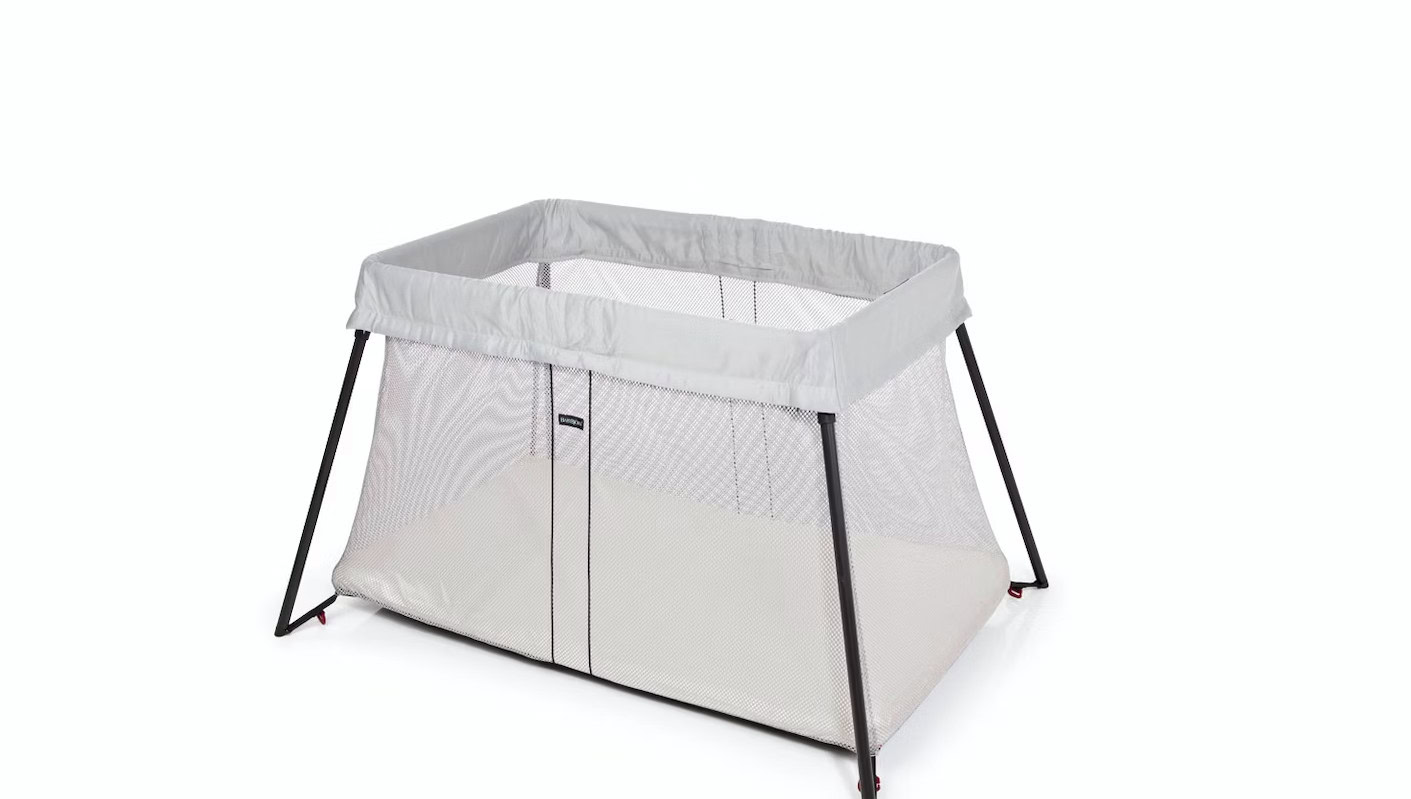
- Aluminum-Frame Travel Cribs: Utilizing tent-pole technology, these cribs use high-strength aluminum (such as 7001 or 7075 T6) to provide a full-sized sleep area at a fraction of the weight (usually 10–13 lbs).
- Pros: Compact "briefcase" or "backpack" fold; high durability.
- Cons: Can be more expensive due to the materials used.
Ultralight and Pop-up Tents
For those prioritizing weight above all else, pop-up sleep pods are an option. These often weigh under 5 lbs.
- Pros: Extremely portable; instant setup.
- Cons: Many lack a structured frame, meaning they sit directly on the ground. This requires additional padding or a specialized sleeping pad to provide adequate R-value (insulation).
Technical Specifications Comparison
The following table compares the three most common types of travel cribs suitable for camping in 2026.
| Feature | Standard Playard | Aluminum Frame Crib | Pop-Up Sleep Pod |
|---|---|---|---|
| Average Weight | 22–30 lbs | 10–15 lbs | 2–6 lbs |
| Setup Mechanism | Central Hub / Push-down | Snap-together Poles | Torsion Spring / Pop-up |
| Primary Material | Steel & Polyester | Aluminum & Nylon | Fiberglass & Mesh |
| Folded Size | Large Rectangle | Small Suitcase | Flat Disk |
| Ground Clearance | 1–3 inches | 0–2 inches | 0 inches |
| Best Use Case | Drive-in campsites | General travel/Basecamp | Backpacking/Beach |
Thermal Regulation and Airflow
In a camping environment, temperature swings are more pronounced. A common mistake is over-insulating the child with blankets, which can pose a suffocation risk for infants. Instead, focus on the crib's ability to regulate temperature through its design.
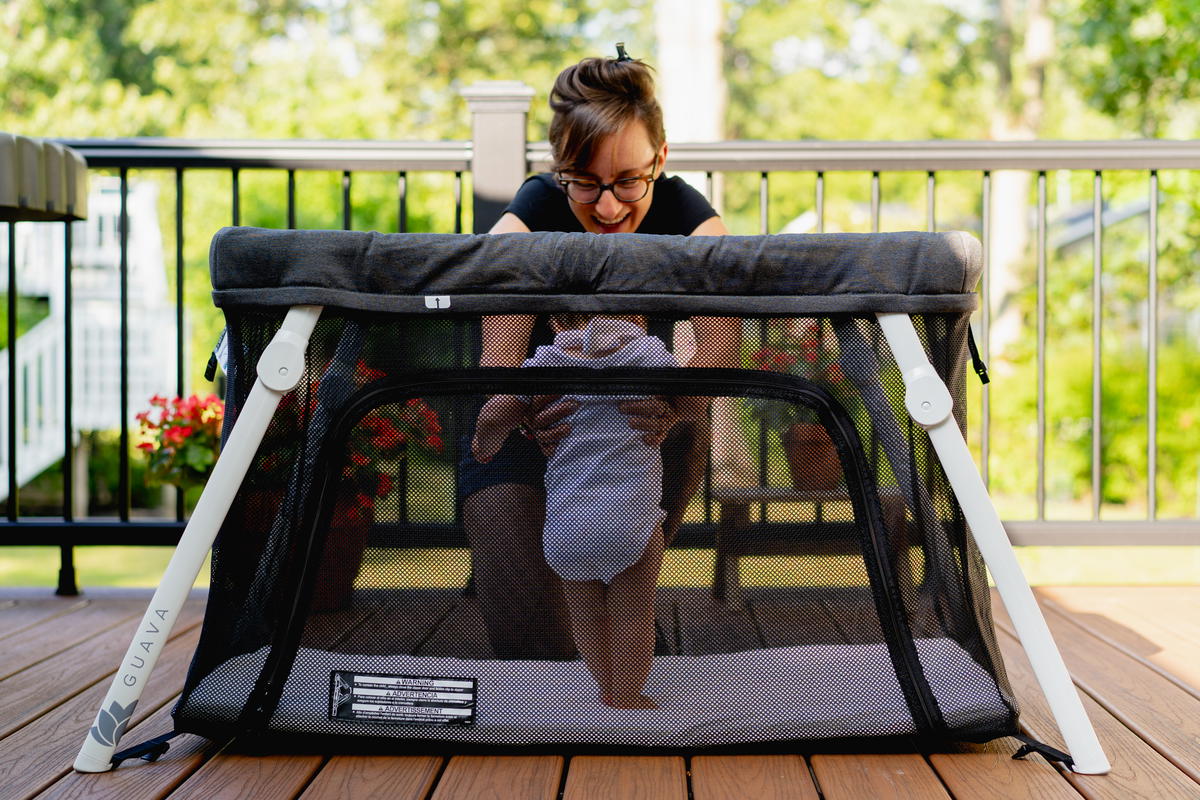
- Cross-Ventilation: Look for cribs with full-height mesh sides. This allows breezes to pass through, preventing CO2 buildup and overheating during summer nights.
- R-Value of the Mattress: In 2026, some high-end camping cribs offer mattresses with an assigned R-value (a measure of thermal resistance). For cool-weather camping, an R-value of 2.0 or higher is recommended to prevent the ground from chilling the child.
- Positioning: Ensure the crib is placed away from the tent walls. Tent walls accumulate condensation (dew), and if the crib mesh touches the tent fabric, that moisture will transfer to the child's bedding via capillary action.
Durability and Maintenance in the Field
Camping gear is subjected to dirt, sand, and pine sap. A travel crib used for camping must be "field-maintainable."
- Machine Washable Fabrics: Ensure the fabric shell can be completely removed from the frame. For 2026 models, look for fabrics that are resistant to mold and mildew.
- Frame Material: Anodized aluminum is preferred over powder-coated steel. Anodization provides superior corrosion resistance, which is vital if camping near salt air or in humid forests.
- Zipper Quality: Zippers are the most common point of failure. Look for YKK or SBS zippers with large teeth (size #5 or #8) that are less likely to snag on tent fabric or get jammed with grit.
Frequently Asked Questions
Can I use a regular travel crib for camping?
Yes, you can use a regular travel crib if you are car camping and the tent is large enough. However, standard cribs lack UV protection and high-density bug mesh. If using a home model, ensure the tent floor is protected with a footprint to prevent the crib feet from puncturing the tent material.
At what age can a child stop using a travel crib for camping?
Most travel cribs are rated for children up to 35 inches tall or until they can climb out (usually around 2 to 3 years old). Once a child outgrows the travel crib, they can transition to a specialized toddler camping cot or an inflatable travel bed designed for older children.
How do I keep the crib stable on uneven ground?
Choose a crib with a wide base or "outrigger" style feet. If the ground is significantly sloped, clear the area of large rocks and roots before pitching the tent. You can use extra clothing or gear bags under the low side of the tent floor (outside the crib) to create a more level surface.
Is it safe to put an extra pad in the crib for comfort?
No. Adding unapproved padding, such as a folded quilt or a secondary foam mattress, creates a suffocation hazard and voids the ASTM safety rating. Only use the mattress provided by the manufacturer that is specifically designed for that model.
How do I clean pine sap or mud off the crib?
For mud, allow it to dry and then use a stiff brush. For pine sap, use a small amount of isopropyl alcohol or a specialized tech-wash on a cloth, but test a small, inconspicuous area first to ensure it does not damage the waterproof coating.
Final Recommendation
For the majority of families in 2026, an aluminum-frame travel crib (like the 2026 iterations of the Lotus or BabyBjorn styles) offers the best balance of safety and utility for camping. These models provide the structural integrity required for safe sleep while remaining light enough to transport from the car to the tent with ease. Before heading into the wilderness, always perform a "dry run" setup at home to ensure all components are present and that you are familiar with the assembly process in low-light conditions.
Image Gallery