How Much Does Hair Removal Cost: A Comprehensive Guide to Professional Services
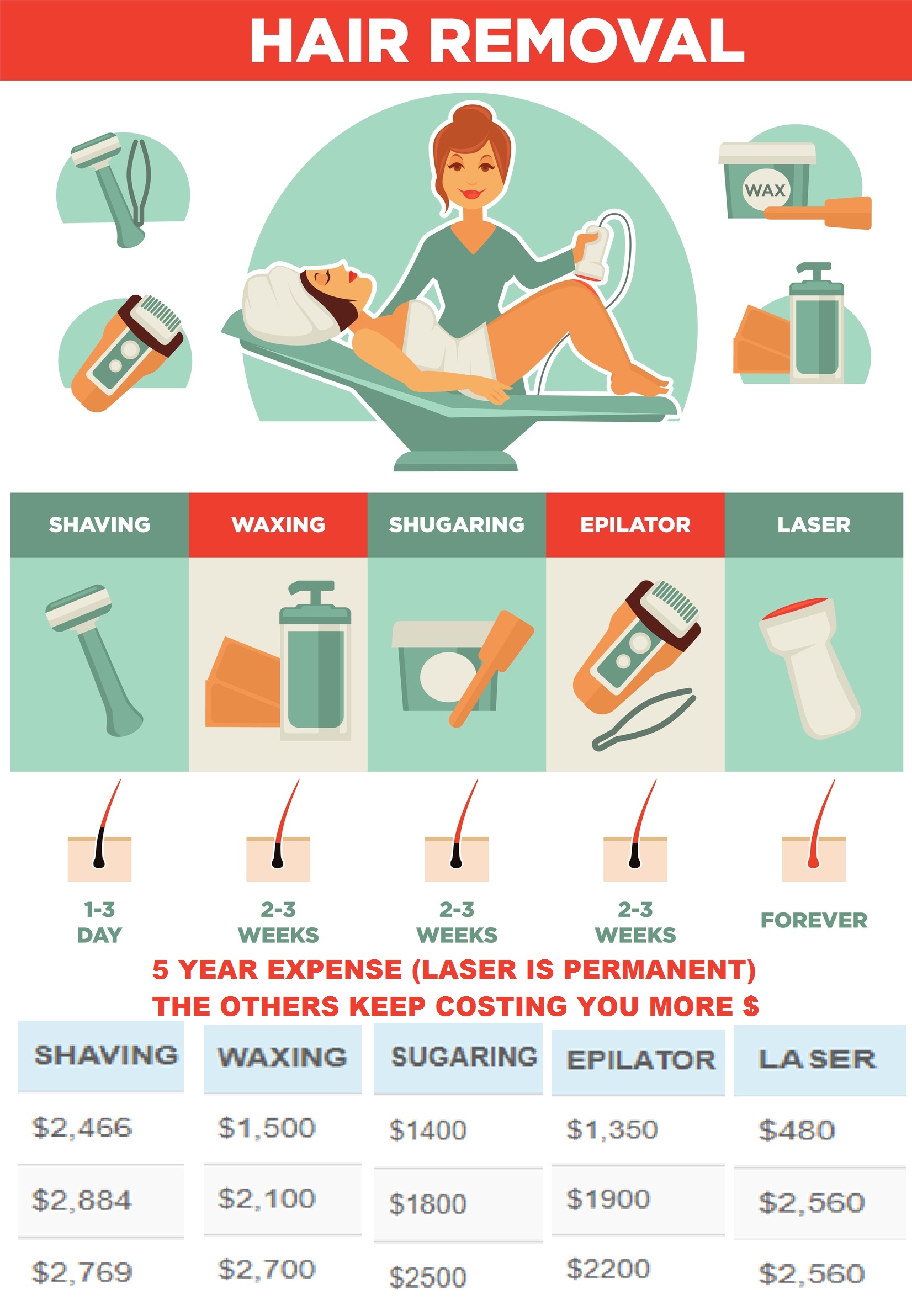
The cost of professional hair removal in 2026 varies significantly depending on the method, the size of the treatment area, the number of sessions required, and your geographic location. On average, patients can expect to pay anywhere...
The cost of professional hair removal in 2026 varies significantly depending on the method, the size of the treatment area, the number of sessions required, and your geographic location. On average, patients can expect to pay anywhere from $100 to $600 per session for laser treatments, while electrolysis typically ranges from $60 to $150 per hour.
Contents
Achieving long-term hair reduction is a financial commitment that extends beyond the sticker price of a single appointment. Because hair grows in cycles, most professional treatments require a series of sessions to achieve meaningful results. Understanding the cost structure requires analyzing both the immediate investment per visit and the long-term total cost of ownership for a hair-free aesthetic.
Understanding the Factors That Influence Pricing
Several variables dictate the final invoice for hair removal services. Practitioners generally calculate pricing based on the surface area of the skin being treated, the density of the hair, and the complexity of the procedure.
- Treatment Area Size: Smaller zones like the upper lip, chin, or underarms require significantly less time and energy than larger areas like the full back, legs, or chest. Many clinics offer discounted "package" rates when you purchase multiple sessions for a specific area at once.
- Technology Used: Laser platforms (such as Alexandrite, Diode, or Nd:YAG) vary in their efficiency. High-end, newer-model lasers often command higher per-session fees because they are faster and safer for a broader range of skin tones.
- Geographic Overhead: Clinics in major metropolitan areas face higher commercial rents and labor costs, which are invariably passed on to the consumer. Expect to pay a premium in high-cost-of-living urban centers compared to smaller suburban or rural practices.
- Provider Qualifications: Procedures performed by a board-certified dermatologist or a highly experienced medical aesthetician typically cost more than those performed by entry-level technicians. While the cost is higher, the safety profile and the precision of the results often improve with the provider's level of training.
Comparison of Popular Professional Hair Removal Methods
Choosing the right method depends on your skin type, hair color, and budget. The following table highlights the general cost expectations and characteristics of the most common professional interventions.
| Method | Average Cost Per Session | Typical Duration | Best For |
|---|---|---|---|
| Laser Hair Removal | $150–$600 | 15–60 minutes | Dark hair, light-to-medium skin |
| Electrolysis | $60–$150/hour | 30–90 minutes | Light, grey, or fine hair |
| Intense Pulsed Light (IPL) | $100–$400 | 30–60 minutes | General hair reduction |
| Waxing (Professional) | $40–$120 | 20–45 minutes | Temporary removal (all types) |
Laser Hair Removal: The Gold Standard for Reduction
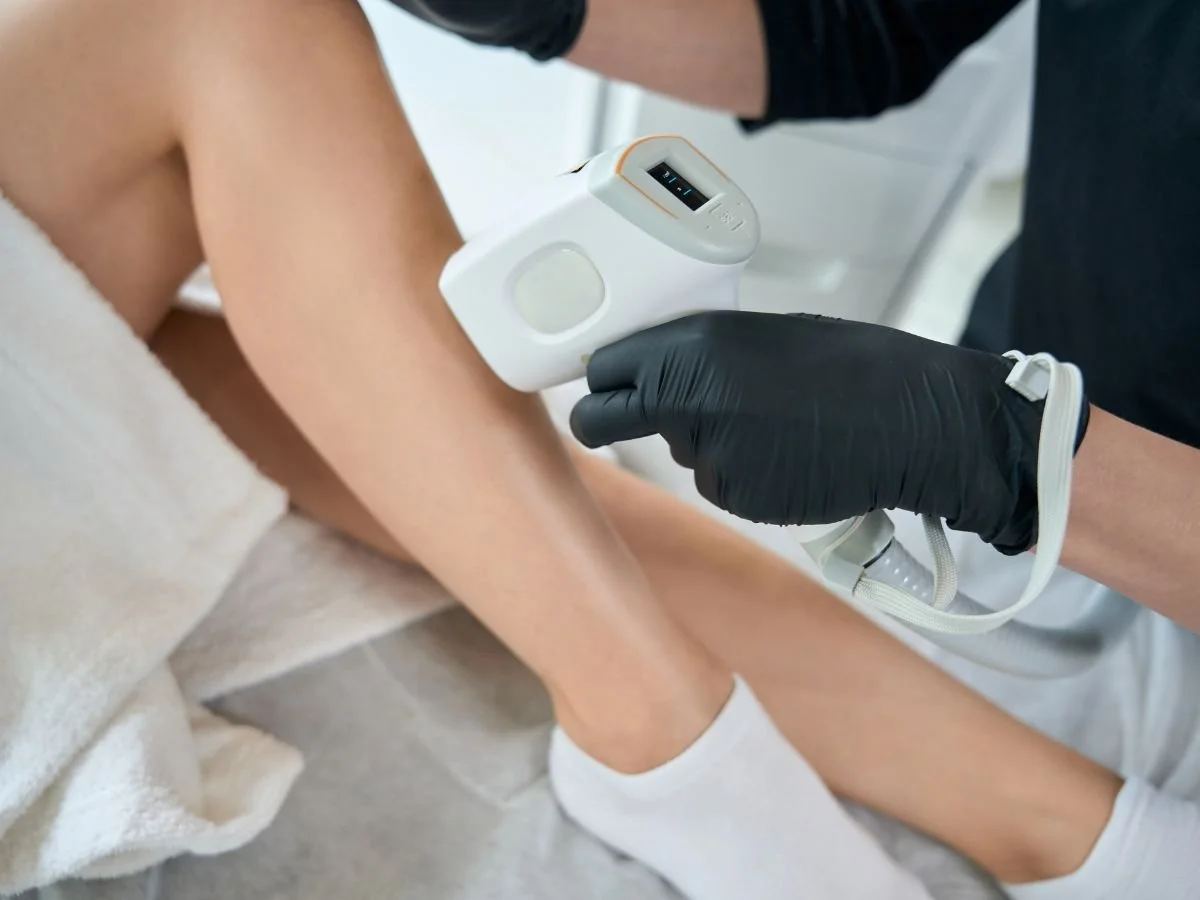
Laser hair removal remains the most requested professional service for those seeking long-term reduction. It works by targeting the pigment (melanin) in the hair follicle, heating it to destroy the root.
In 2026, most clinics recommend a series of six to eight sessions, spaced four to eight weeks apart, to catch hair in its active growth phase (anagen). If a session costs $300 and you require eight treatments to reach your goal, your total investment will be $2,400. It is vital to note that "permanent removal" is a misnomer; the industry standard is "permanent hair reduction," meaning that while most hair will not return, occasional maintenance sessions—perhaps once a year—may be necessary.
Electrolysis: The Only FDA-Approved Permanent Solution
Unlike laser therapy, which is technically a reduction method, electrolysis is classified by the FDA as a permanent hair removal method. It works by inserting a tiny probe into individual hair follicles and delivering a small amount of electrical current to destroy the growth center.
Because it targets hair one by one, it is an extremely slow process. Electrolysis is often the preferred choice for people with blonde, grey, or red hair, which lacks the melanin required for laser technology to function effectively. The cost is time-dependent. If you are clearing a large area, the total price can be substantial, often exceeding the cost of laser treatments due to the sheer volume of hours required to achieve full clearance.
Hidden Costs and Financial Considerations
When budgeting for hair removal, do not overlook the "hidden" expenses that often arise throughout the treatment process:
- Consultation Fees: Some premium clinics charge a fee for an initial assessment, though many will waive this if you commit to a package of treatments.
- Pre-Treatment Supplies: You may be required to purchase specific numbing creams or specialized post-treatment cooling gels to manage skin sensitivity.
- Maintenance Sessions: As noted, hormonal changes or aging can trigger dormant follicles to produce hair again. Budgeting for an annual "touch-up" session is a prudent financial strategy.
- Travel and Time Costs: If your preferred clinic is not local, the cost of transportation and the time away from work or other responsibilities should be factored into your overall budget.
Frequently Asked Questions (FAQ)
Does insurance cover the cost of hair removal? Generally, no. Insurance typically views hair removal as a cosmetic procedure. The only common exception is if a physician prescribes it to treat a medical condition, such as hirsutism caused by an underlying endocrine disorder. Even then, coverage is rare and subject to strict documentation.
How do I know if a clinic is reputable? Look for providers who are licensed in their state and have extensive experience with the specific machine they are using. Ask about the number of years the clinic has been in business and whether they have board-certified physicians overseeing their protocols. Avoid "too-good-to-be-true" daily deal coupons, which may use older, less effective equipment.
Can I save money with at-home devices? At-home laser or IPL devices have become more affordable, often costing $200 to $500 for a single unit. While they represent a lower initial cash outlay, their power output is significantly lower than professional medical-grade machines. You may see results, but they often take much longer and may not provide the same degree of hair density reduction.
Why does the price vary so much between clinics? Pricing is driven by the quality of equipment, the expertise of the staff, and the level of service. A clinic with a medical director and a registered nurse providing the service will charge more than a salon with a minimally trained technician operating a lower-wattage device.
What happens if I skip a session? Consistency is the most important factor in the efficacy of hair removal. Skipping sessions disrupts the growth cycle timing. Depending on the provider's policy, you may be charged for a "no-show" fee, and more importantly, your total number of sessions needed to reach your goal will likely increase, ultimately costing you more money.
Recommendations for Your Next Steps
Before committing to a service, schedule consultations with at least three different clinics. During these meetings, ask for a clear, written quote that outlines the total number of sessions recommended for your specific skin type and hair density. Do not feel pressured to sign a multi-session contract during your first visit. Evaluate the cleanliness of the facility, the clarity of the pre- and post-care instructions, and the provider's transparency regarding expected outcomes. By prioritizing safety and experience over the lowest price, you ensure that your investment results in the desired long-term outcome.
Image Gallery