Life Insurance Underwriting Predictions: The Industry Shift Toward Automation
Life insurance underwriting predictions point toward near-universal automation for straightforward policies, driven by machine learning algorithms, real-time data integration, and predictive risk models. By replacing manual medical rev...
Life insurance underwriting predictions point toward near-universal automation for straightforward policies, driven by machine learning algorithms, real-time data integration, and predictive risk models. By replacing manual medical reviews with automated data ingestion, life insurers are reducing policy issuance times from weeks to minutes while refining risk segmentation and operational efficiency.
Contents
The Evolution of Risk Assessment: From Manual Processing to Algorithmic Ingestion
Historically, life insurance underwriting relied on labor-intensive manual processes. Applicants completed lengthy medical questionnaires, underwent paramedic examinations to collect blood and urine samples, and waited for medical record retrieval through Attending Physician Statements (APS). This traditional workflow frequently took between 30 and 60 days from initial application to policy delivery, introducing substantial drop-off rates during policy acquisition.
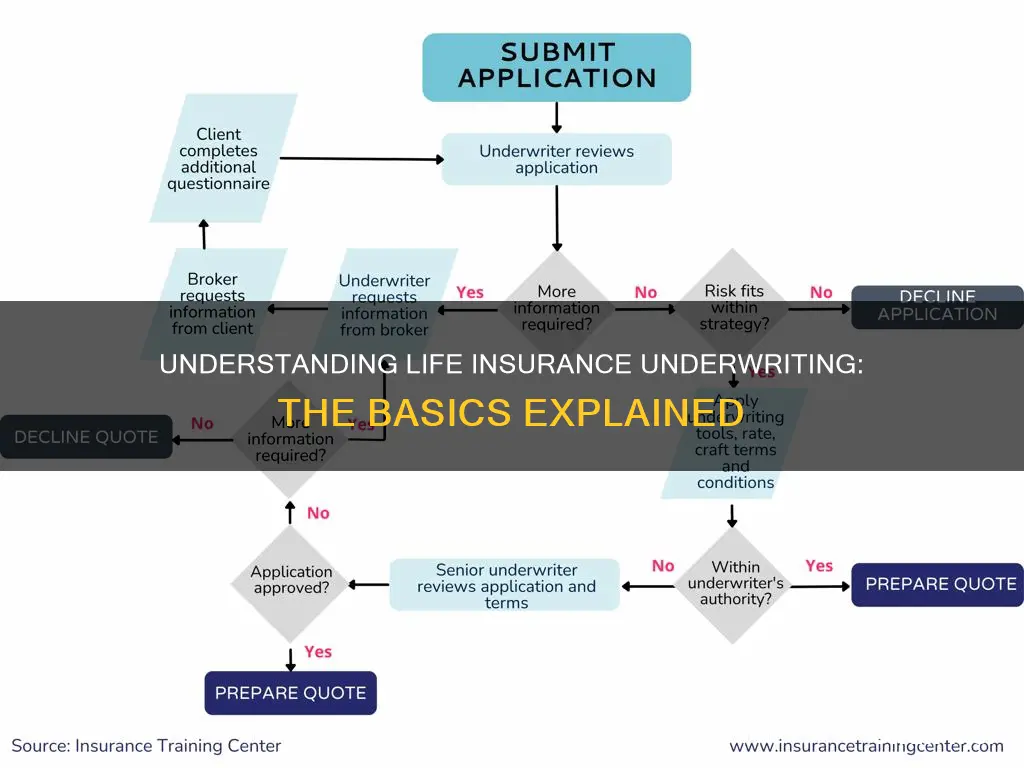
The introduction of Accelerated Underwriting (AUW) in the late 2010s began transforming this paradigm by using rule-based decision engines to triage applicants. Straightforward risks were routed through fast-track approval lanes, while complex cases were referred to human underwriters.
Current technological frameworks rely on sophisticated predictive analytics engines capable of instantly querying digital databases and generating precise mortality risk profiles. Algorithmic engines do not merely automate workflow tasks; they analyze non-linear relationships across millions of data points to assess mortality risk without requiring invasive fluid collection for a growing proportion of applicants.
Key Data Feeds Driving Automated Underwriting Systems
Automated risk modeling depends on instant access to structured and unstructured third-party data ecosystems. Modern automated decisioning engines pull information through secure Application Programming Interfaces (APIs) to evaluate underwriting attributes instantly:
- Electronic Health Records (EHRs) and Health Information Exchanges (HIEs): Direct integration with clinical data repositories allows automated engines to ingest structured diagnostic codes (ICN-10), laboratory results, clinical notes, and prescription histories directly from medical providers within seconds.
- Prescription History Databases: Commercial services aggregate pharmacy clearinghouse data, enabling underwriting platforms to verify dosages, treatment compliance, and unstated chronic conditions across multi-year lookback periods.
- Medical Information Bureau (MIB) Coding: The MIB database allows carriers to check prior insurance application records for disclosed medical conditions, impairment codes, and past underwriting determinations to prevent misrepresentation.
- Motor Vehicle Reports (MVR) and Public Records: Automated engines query state licensing databases and public record repositories to calculate lifestyle risk factors, including moving violations, driving under the influence (DUI) convictions, and bankruptcy filings.
- Credit-Based Insurance Scores: Derived from public record and credit bureau files, specialized actuarial scores correlate credit management stability with statistical mortality outcomes, providing non-medical predictive granularity.
- Applicant Inputs (Digital Form)
- Real-Time API Queries (EHR, Rx, MIB, MVR)
- Predictive Analytics Underwriting Engine
- Auto-Issue / Triage / Human Review Escalation
Strategic Industry Predictions: Where Underwriting Automation Is Headed
As mortality algorithms mature and data availability expands, several key trends define the next phase of life insurance underwriting automation.
- Higher Fluidless Limits: Extending automated, fluid-free approvals to policy faces of $3M-$5M+.
- Dynamic Continuous Underwriting: Transitioning static single-point pricing to ongoing wearable data feeds.
- Explainable AI for Complex Risks: Using transparent ML models to automate complex impairment approvals.
- Real-Time Reinsurance Calibration: Direct API binding between carrier decision engines and reinsurers.
1. Expansion of Fluidless Underwriting to High-Face-Amount Policies
Automated, fluid-free underwriting was initially constrained to simplified issue policies or term life coverages capped at lower face amounts (such as $500,000 or $1,000,000). Advanced predictive models validated against historical lapse and mortality claims now support automated decisioning for policy coverage thresholds reaching $3 million to $5 million for qualified age bands. High-speed clinical data parsing allows carriers to maintain actuarial integrity without requiring physical blood panels or urine screens.
2. Transition from Static Risk Assessment to Dynamic Continuous Pricing
Traditional life underwriting establishes a static premium based on a single point-in-time health evaluation. Automated platforms are laying the foundation for continuous risk profiling. By incorporating optional opt-in data streams—such as wearable physical activity metrics, continuous glucose monitoring feeds, and digital health applications—insurers are testing dynamic underwriting frameworks. These structures allow policyholders to earn premium discounts or coverage updates based on verified, ongoing health-maintenance behaviors.
3. Integration of Explainable AI (XAI) for Complex Medical Impairments
Historically, automated decisioning engines struggled with multi-system medical conditions, such as diabetes coupled with hypertension. Machine learning models, specifically deep neural networks trained on clinical research trials and massive claims histories, can evaluate nuanced medical interactions. To meet regulatory transparency requirements, carriers utilize Explainable AI (XAI) layers to ensure that every algorithmic risk rating can be audited and translated into clear, human-understandable underwriting rationale.
4. Real-Time Reinsurance Capacity Binding
Automated underwriting engines are directly integrating with treaty reinsurers through automated facultative placement systems. Rather than submitting edge cases manually to reinsurers for facultative review, automated engines automatically communicate with reinsurer pricing algorithms. This real-time capacity binding enables primary carriers to instantly price and auto-issue complex risks that fall outside standard treaty guidelines.
Technical Comparison: Underwriting Methodologies
The structural differences between traditional manual processing, modern accelerated underwriting, and fully automated predictive models illustrate the operational shifts occurring across the industry.
| Dimension | Traditional Manual Underwriting | Accelerated Underwriting (AUW) | Fully Automated Predictive Underwriting |
|---|---|---|---|
| Typical Decision Timeline | 30 to 60 Business Days | 1 to 5 Business Days | Instant to 24 Hours |
| Primary Data Sources | Paper applications, physical blood/urine screens, physical APS records | Digital questionnaires, MIB, Rx databases, MVR records | EHR/HIE integration, Rx databases, credit-based scores, predictive ML models |
| Medical Examination Requirement | Mandatory for most coverage levels and ages | Waived for healthy applicants up to set limits (e.g., $1M–$3M) | Fluidless for up to 80%+ of qualified digital applicants |
| Operational Touchpoints | High human involvement (paramedical examiners, underwriters, record chasers) | Hybrid (automated triage; human review for exceptions) | Exception-only human intervention (algorithmic auto-issuance) |
| Predictive Granularity | Static actuarial grid lookup based on physical biomarkers | Rule-engine threshold scoring | Multivariable machine learning risk scoring based on thousands of data points |
| Target Policy Face Amounts | Any face amount ($50,000 to $50M+) | Typically capped at $1M–$3M depending on carrier | Expanding up to $5M+ for qualified age/health profiles |
Regulatory Oversight, Algorithmic Bias, and Compliance Mandates
As carriers rely more heavily on algorithmic underwriting models, state insurance regulators and national governance bodies have introduced stricter regulatory frameworks to protect consumers.
Regulatory Guidelines and Compliance Standards
The National Association of Insurance Commissioners (NAIC) developed the Model Bulletin on the Use of Artificial Intelligence Systems by Insurers. This framework directs carriers to establish governance programs that verify the accuracy, fairness, and accountability of AI-driven underwriting models. Insurers must ensure that automated engines do not utilize prohibited unfair discrimination criteria or proxy variables that correlate directly with protected classes (such as race, religion, national origin, or socio-economic status).
Fair Credit Reporting Act (FCRA) and Adverse Action Obligations
Automated underwriting systems that incorporate third-party consumer data—such as credit-based insurance scores or commercial public record indices—fall under the jurisdiction of the Fair Credit Reporting Act (FCRA). When an automated engine declines an application or assigns a higher-risk premium tier based on consumer report data, the insurer must issue an Adverse Action Notice. This notice must identify the specific consumer reporting agency utilized, the key factors leading to the decision, and clear instructions for the applicant to dispute inaccurate data.
Health Information Privacy and Security Requirements
Automated data transfers involving Electronic Health Records must adhere strictly to federal privacy rules under the Health Insurance Portability and Accountability Act (HIPAA) and applicable state consumer privacy legislation (such as the California Consumer Privacy Act). Insurers must implement robust end-to-end encryption, strict API consent authorization frameworks, and secure access logs to protect non-public personal health data during algorithmic processing.
Disclaimer: Underwriting regulations, state insurance department bulletins, and data privacy compliance requirements vary significantly by jurisdiction. Insurers and distribution partners should consult legal counsel and compliance professionals regarding specific state-level implementations.
Practical Implementation Guidance for Industry Stakeholders
Recommendations for Insurance Carriers Deploying Automated Engines
System Selection: Choose rule-based vs. ML engines.
Model Validation: Audit against historical claims data for drift.
API Integration: Connect directly to EHR and Rx databases.
Audit & Governance: Perform continuous bias audits & state filings.
Establish Rigorous Model Audit Protocols: Regularly test machine learning models for algorithm drift, underlying data skewness, and unintended proxy discrimination. Validate model outputs against long-term historical claims data before expanding auto-issue thresholds.
Prioritize Explainable AI Architecture: Deploy model architectures that generate audit logs detailing why an applicant was placed in a specific risk category. Avoid "black box" models that cannot articulate specific risk drivers to regulators or consumers.
Build Hybrid Escalation Paths: Ensure smooth escalation workflows from automated engines to senior human underwriters. Complex impairments, atypical medical histories, and anomalous data inputs should immediately transition to human underwriters equipped with digital workspace tools.
Guidance for Applicants Navigating Automated Underwriting
- Verify Disclosures Promptly and Accurately: Automated engines aggregate data from prescription logs, MIB records, and physician databases. Ensure all self-reported medical conditions, current medications, and medical history align with official medical records to avoid flagging discrepancies.
- Review Personal Credit and Driving Records: Because automated systems query MVR and credit-based scores early in the triage process, checking these reports for errors prior to applying helps prevent unexpected adverse risk placement.
- Utilize Digital EHR Portals: Applicants who grant prompt digital consent for EHR retrieval speed up processing times, avoiding the traditional manual record requests that cause policy issuance delays.
Frequently Asked Questions
Does automated underwriting mean medical exams are never required?
No. While automated underwriting increases the percentage of applicants who can secure coverage without physical fluid collection or paramedic exams, medical exams remain necessary for high-risk profiles, applicants with severe chronic health conditions, policy face amounts exceeding carrier automated limits, or cases where third-party data yields incomplete or conflicting results.
How do automated underwriting engines evaluate preexisting medical conditions?
Automated engines evaluate preexisting conditions by pulling structured diagnostic codes (ICD-10) and treatment histories directly from Electronic Health Records and prescription databases. The algorithm analyzes the stability of the condition, medication compliance, treatment duration, and comorbid risk factors to assign an actuarially sound risk tier.
Can an applicant challenge a decision made by an automated underwriting algorithm?
Yes. Under the Fair Credit Reporting Act (FCRA) and state insurance guidelines, applicants have the right to receive disclosure regarding adverse underwriting decisions. If an automated decision relied on incorrect third-party data (such as an inaccurate prescription record or credit score error), the applicant can dispute the data with the reporting bureau and request a formal underwriting reconsideration from the carrier.
How does predictive underwriting protect applicant data privacy?
Predictive underwriting platforms must comply with federal and state privacy statutes, including HIPAA and state-specific consumer privacy frameworks. Data access requires explicit authorization from the applicant, and data transfers between health exchanges, API partners, and underwriting engines use encrypted transmission channels and secure access protocols.
Will automated life insurance underwriting replace human underwriters completely?
No. Automation primarily handles standardized, healthy, and moderately impaired application profiles, enabling auto-issuance for routine cases. Human underwriters remain vital for evaluating highly complex medical histories, specialized business insurance structures, large face-amount policies, and novel underwriting risks that fall outside standard algorithmic training sets.
Strategic Next Steps for Industry Stakeholders
To maximize the benefits of underwriting automation while maintaining operational control and regulatory compliance, carriers and distribution partners should execute the following steps:
- Conduct Model Governance Reviews: Audit existing rule-based and predictive models against current NAIC AI guidelines to ensure clear documentation, bias mitigation, and transparency.
- Upgrade API Data Infrastructure: Transition legacy batch-processing systems to real-time API integrations with major Health Information Exchanges and pharmacy clearinghouses to minimize data latency.
- Train Underwriting Teams on Hybrid Workflows: Upskill manual underwriting staff to interpret complex machine learning outputs, manage model exception queues, and handle high-value, multi-impairment policy applications.
- Enhance Policyholder Consent Portals: Implement transparent, user-friendly digital application flows that clearly explain how applicant data is retrieved, analyzed, and protected throughout the automated underwriting life cycle.
Image Gallery