America UTC Time Explained: A Comprehensive Guide to Time Zones and Offsets
Coordinated Universal Time (UTC) serves as the primary time standard by which the world regulates clocks and time. In the United States, time is expressed as a negative offset from UTC, ranging from UTC-4 in the Atlantic territories to...
Coordinated Universal Time (UTC) serves as the primary time standard by which the world regulates clocks and time. In the United States, time is expressed as a negative offset from UTC, ranging from UTC-4 in the Atlantic territories to UTC-10 in Hawaii. These offsets shift by one hour during Daylight Saving Time for most regions.
Contents
Understanding the Relationship Between America and UTC
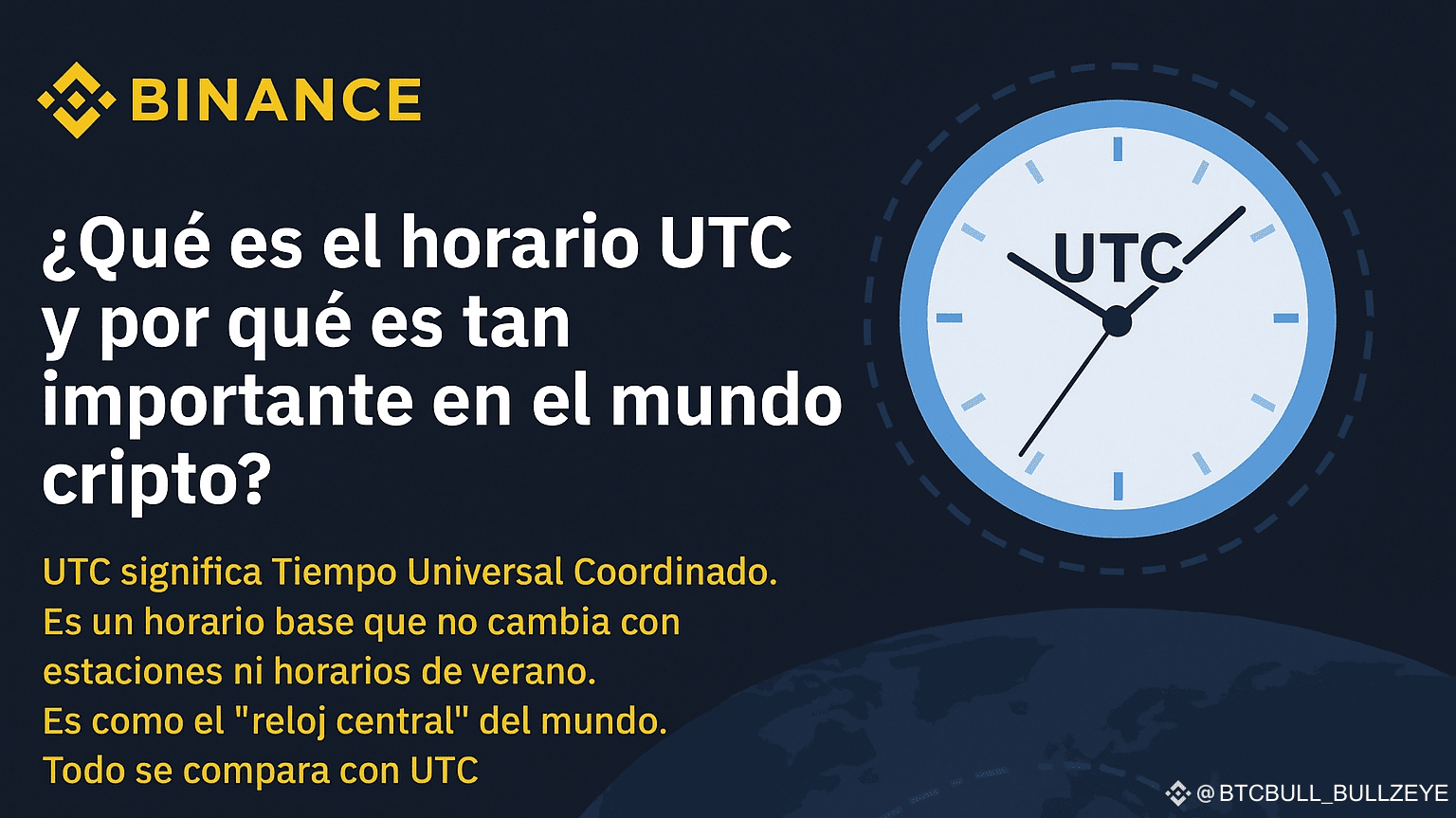
To understand how time works across the American landscape, one must first grasp the concept of Coordinated Universal Time (UTC). Unlike traditional time zones, UTC does not observe Daylight Saving Time (DST) and does not change with the seasons. It is a high-precision atomic time scale that remains constant, providing a stable point of reference for global telecommunications, aviation, and financial markets.
The United States, spanning a vast longitudinal range, is divided into several distinct time zones. Each zone is defined by its distance from the Prime Meridian (0° longitude). Because the U.S. is located west of the Prime Meridian, its time offsets are always negative, meaning American time is "behind" UTC. For example, if it is 12:00 PM UTC, it is early morning in New York and still the previous night in some Pacific territories.
In 2026, the synchronization of these zones remains critical for everything from cloud computing logs to international flight schedules. Most modern operating systems and servers internally record events in UTC to avoid the ambiguity caused by local time zone shifts, translating that data into local time only when displaying it to the user.
The Major Time Zones of the United States
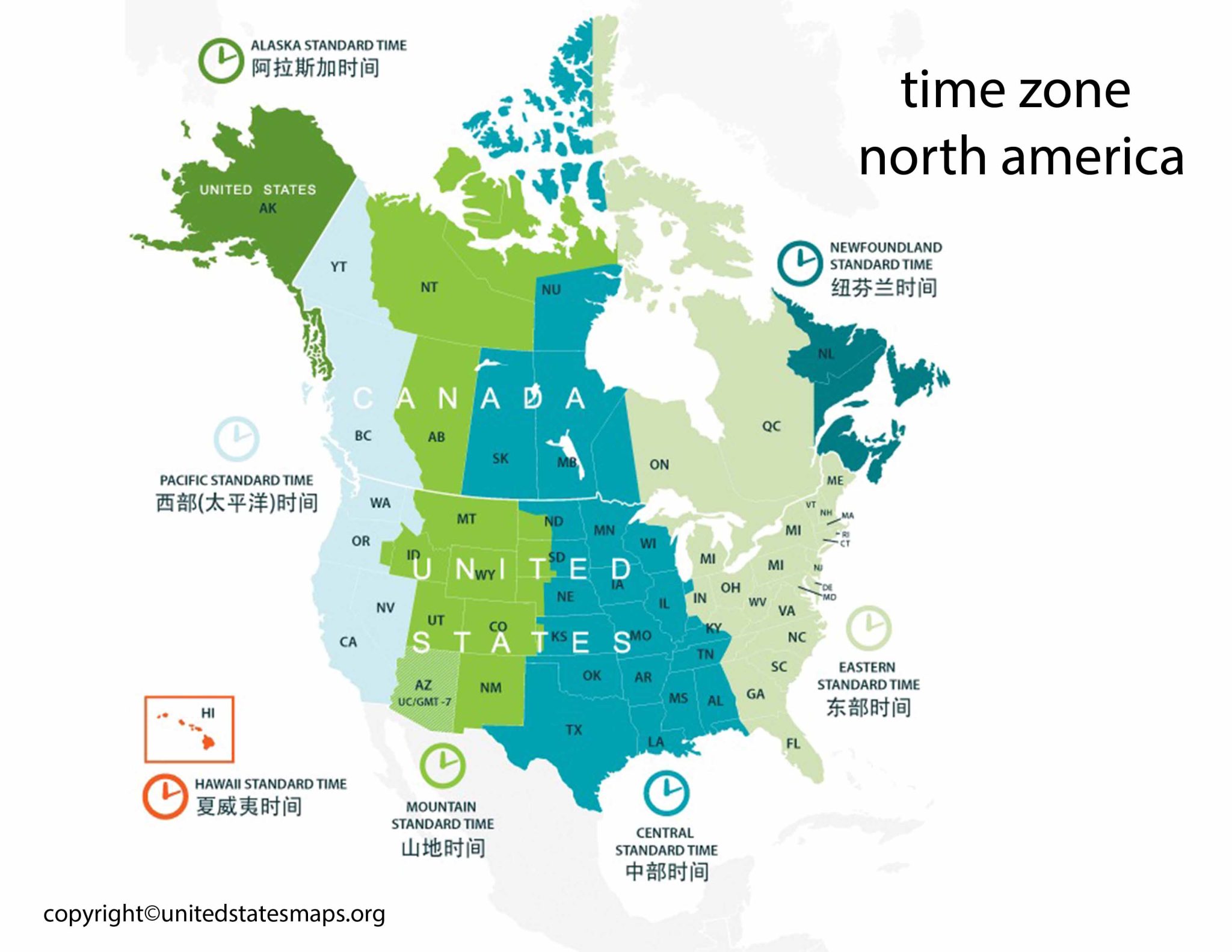
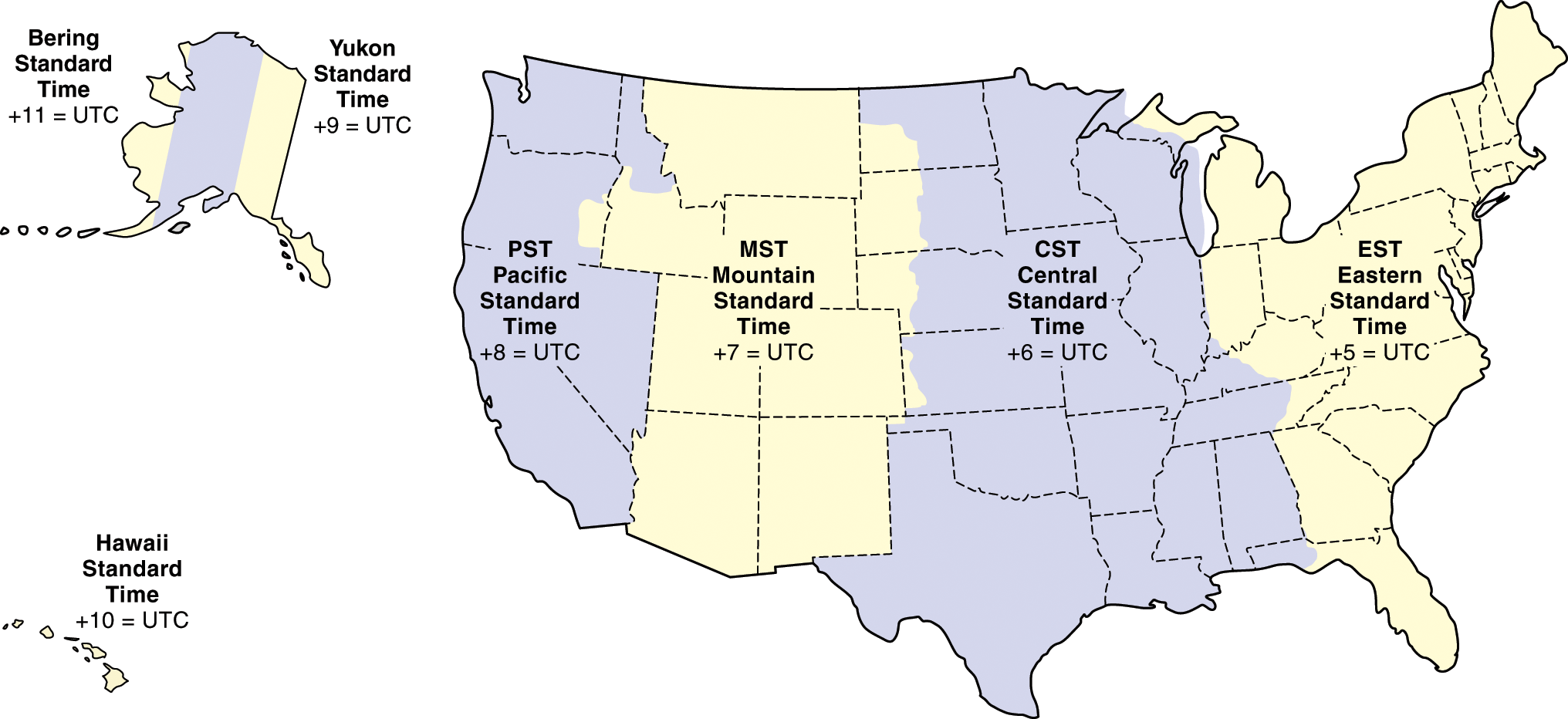
The United States officially recognizes nine standard time zones, though the contiguous U.S. primarily utilizes four. Each zone has a designated offset from UTC that changes when Daylight Saving Time is active.
Eastern Time (ET)
The Eastern Time Zone is the most populous in the U.S., encompassing the Atlantic coast and the Appalachian Mountains. During standard time, it is UTC-5. When Daylight Saving Time is active, it shifts to UTC-4. Major hubs like New York City, Washington D.C., and Atlanta operate within this zone.
Central Time (CT)
Moving westward, the Central Time Zone covers the Midwest and portions of the Gulf Coast. Its standard offset is UTC-6, shifting to UTC-5 during the summer months. This zone includes major metropolitan areas such as Chicago, Dallas, and Mexico City (which follows similar patterns).
Mountain Time (MT)
The Mountain Time Zone follows a standard offset of UTC-7 and a daylight offset of UTC-6. This region includes the Rocky Mountains and states like Colorado and Utah. Notably, most of Arizona remains on Mountain Standard Time (UTC-7) year-round, refusing to adopt the seasonal shift.
Pacific Time (PT)
The Pacific Time Zone, covering the West Coast, operates at UTC-8 during standard time and UTC-7 during Daylight Saving Time. This zone is the heartbeat of the global tech industry, housing Silicon Valley and Los Angeles.
Alaska and Hawaii-Aleutian Time
Beyond the contiguous states, Alaska operates primarily at UTC-9 (Standard) and UTC-8 (Daylight). Hawaii remains on Hawaii Standard Time (UTC-10) throughout the entire year, as its tropical latitude makes seasonal shifts unnecessary for daylight management.
2026 Daylight Saving Time Schedule and UTC Offsets
Daylight Saving Time (DST) significantly complicates the "America UTC" calculation. In 2026, the transition follows the standard established by the Uniform Time Act.
| Time Zone Name | Standard Offset (Winter) | Daylight Offset (Summer) | 2026 DST Start | 2026 DST End |
|---|---|---|---|---|
| Eastern | UTC-5 | UTC-4 | March 8 | Nov 1 |
| Central | UTC-6 | UTC-5 | March 8 | Nov 1 |
| Mountain | UTC-7 | UTC-6 | March 8 | Nov 1 |
| Pacific | UTC-8 | UTC-7 | March 8 | Nov 1 |
| Alaska | UTC-9 | UTC-8 | March 8 | Nov 1 |
| Hawaii | UTC-10 | UTC-10 (No Change) | N/A | N/A |
The transition occurs at 2:00 AM local time. On March 8, 2026, clocks "spring forward," effectively decreasing the negative offset from UTC (e.g., UTC-5 becomes UTC-4). On November 1, 2026, clocks "fall back," returning to the standard winter offset.
Technical Implementation: The IANA Time Zone Database
For developers and system administrators, "America UTC" is often managed through the IANA Time Zone Database (often called the Olson database). This database uses a specific naming convention: Area/Location.
In this system, time zones are not merely offsets; they are historical records of every time change in a specific location since 1970. For example:
- America/New_York: Represents Eastern Time.
- America/Chicago: Represents Central Time.
- America/Denver: Represents Mountain Time.
- America/Los_Angeles: Represents Pacific Time.
- America/Phoenix: Represents Arizona's unique lack of DST.
Using these identifiers instead of static offsets like "UTC-5" is vital because the database automatically handles the 2026 DST transitions. If a programmer hard-codes a -5 offset, the system will be one hour off during the summer. By using America/New_York, the software queries the database, recognizes it is July 2026, and applies the correct UTC-4 offset.
Why Arizona and Hawaii Ignore the Shift
A common point of confusion when explaining America's relationship with UTC is the lack of uniformity. Arizona (with the exception of the Navajo Nation) and Hawaii do not observe Daylight Saving Time.
In Hawaii, the length of the day does not vary significantly between summer and winter due to its proximity to the equator. Consequently, there is no benefit to shifting the clock. In Arizona, the decision is rooted in energy conservation and climate. During the scorching summer months, residents prefer the sun to set "earlier" (relative to the clock) to reduce the time spent using air conditioning during the peak heat of the evening.
For those calculating UTC offsets, this means that during the summer, Phoenix (UTC-7) is effectively at the same time as Los Angeles (UTC-8 + 1 = UTC-7), while during the winter, Phoenix is one hour ahead of Los Angeles.
Common Challenges in UTC Conversion
Navigating the gap between UTC and local American time frequently leads to errors in professional environments.
1. The Midnight Ambiguity
When an event is scheduled for "Midnight UTC on Friday," it actually occurs on Thursday evening in the United States. For example, 00:00 UTC Friday is 7:00 PM EST Thursday. This 24-hour discrepancy is a leading cause of missed deadlines in international business and expiration dates for digital certificates.
2. Log Synchronization
Servers located in different states (e.g., a database in Virginia and a web server in California) should always be set to UTC. If a security breach occurs at 10:00 PM EST, and the servers are using local time, the logs might show the event happening at 7:00 PM PST on another machine. When both use UTC, the timeline is linear and indisputable.
3. Cross-Border Scheduling
Many companies operate across the U.S.-Mexico or U.S.-Canada borders. While the U.S. follows specific DST rules, neighboring countries may change their DST status independently. For instance, Mexico has significantly reduced its use of DST in recent years. Always verify the specific UTC offset for the current date rather than assuming neighboring cities share the same time.
How to Verify Your Current UTC Offset
To find your current offset in 2026, you can use several authoritative sources:
- NIST (National Institute of Standards and Technology): The official U.S. time provides a real-time map showing the current offset for every state.
- The Command Line: On macOS or Linux, typing
date +%zwill show your current numerical offset (e.g., -0500). - Search Engines: Querying "current UTC time" and comparing it to your local clock is the fastest manual method.
FAQs About America and UTC Time
Is UTC the same as GMT?
For most practical purposes, UTC and GMT (Greenwich Mean Time) are the same. However, UTC is a scientific, atomic-based standard, while GMT is a historical time zone based on the Earth's rotation. UTC is the preferred term in technical, military, and scientific contexts.
Why do we use negative offsets for the U.S.?
Offsets are determined by longitude relative to the Prime Meridian in Greenwich, UK. Since the Americas are located west of Greenwich, the sun reaches them later in the day. Therefore, their time is "behind" or "minus" the time at the Prime Meridian.
Does the U.S. government plan to eliminate DST?
There has been ongoing legislative debate, such as the Sunshine Protection Act, regarding making Daylight Saving Time permanent. As of 2026, the current system of switching twice a year remains the federal standard, though individual states continue to lobby for a permanent "fixed" offset from UTC.
How does UTC handle leap seconds in 2026?
Leap seconds are occasionally added to UTC to keep it synchronized with the Earth's slowing rotation. However, international metrology bodies have moved toward phasing out leap seconds or increasing the tolerance to reduce disruption to computer systems. In 2026, most systems handle these via "smearing," where the extra second is spread across several hours to prevent clock jumps.
What is the UTC offset for Puerto Rico?
Puerto Rico and the U.S. Virgin Islands are in the Atlantic Time Zone. They stay on Atlantic Standard Time (UTC-4) all year and do not observe Daylight Saving Time.
Practical Recommendation
When scheduling international meetings or configuring server environments in 2026, always use UTC as your base. Do not rely on "Eastern" or "Pacific" as your primary anchor, as the seasonal shift can cause significant errors. For personal use, remember that the U.S. offsets range from -4 to -10, and you must add one hour to your negative offset (making it "less negative") during the summer months. To ensure absolute accuracy for technical applications, utilize the IANA time zone strings (e.g., America/New_York) rather than fixed numerical offsets.
Image Gallery