Comprehensive Discover Home Loans Overview: Features, Eligibility, and 2026 Requirements
As of 2026, Discover Home Loans focuses exclusively on fixed-rate home equity loans rather than traditional purchase mortgages or lines of credit (HELOCs). Borrowers can typically access between $35,000 and $300,000 with no required cl...
As of 2026, Discover Home Loans focuses exclusively on fixed-rate home equity loans rather than traditional purchase mortgages or lines of credit (HELOCs). Borrowers can typically access between $35,000 and $300,000 with no required closing costs and fixed monthly payments, making it a specialized solution for debt consolidation or home improvements.
Contents
Understanding Discover's Current Mortgage Market Position
To understand the current "Discover Card home loans" landscape in 2026, one must first distinguish between the brand's famous credit card operations and its lending arm. While many consumers search for home loans under the Discover umbrella, the company transitioned its business model several years ago. Discover Financial Services exited the mortgage origination business—the process of providing loans to buy new homes—to specialize in home equity lending.
This means that if you are looking to purchase a new property, Discover is not a direct lender for your primary mortgage. However, for existing homeowners, Discover has become one of the most prominent institutional providers of home equity loans. This distinction is vital because home equity loans function differently than the primary mortgages used to buy a house. They are "second mortgages," meaning they sit behind your primary loan in terms of repayment priority.
In 2026, the demand for these products remains high as homeowners look to tap into the record-high equity levels accumulated over the last decade. Discover’s value proposition centers on simplicity, transparency, and a cost-saving fee structure that appeals to prime-credit borrowers.
Key Features of Discover Home Equity Loans in 2026
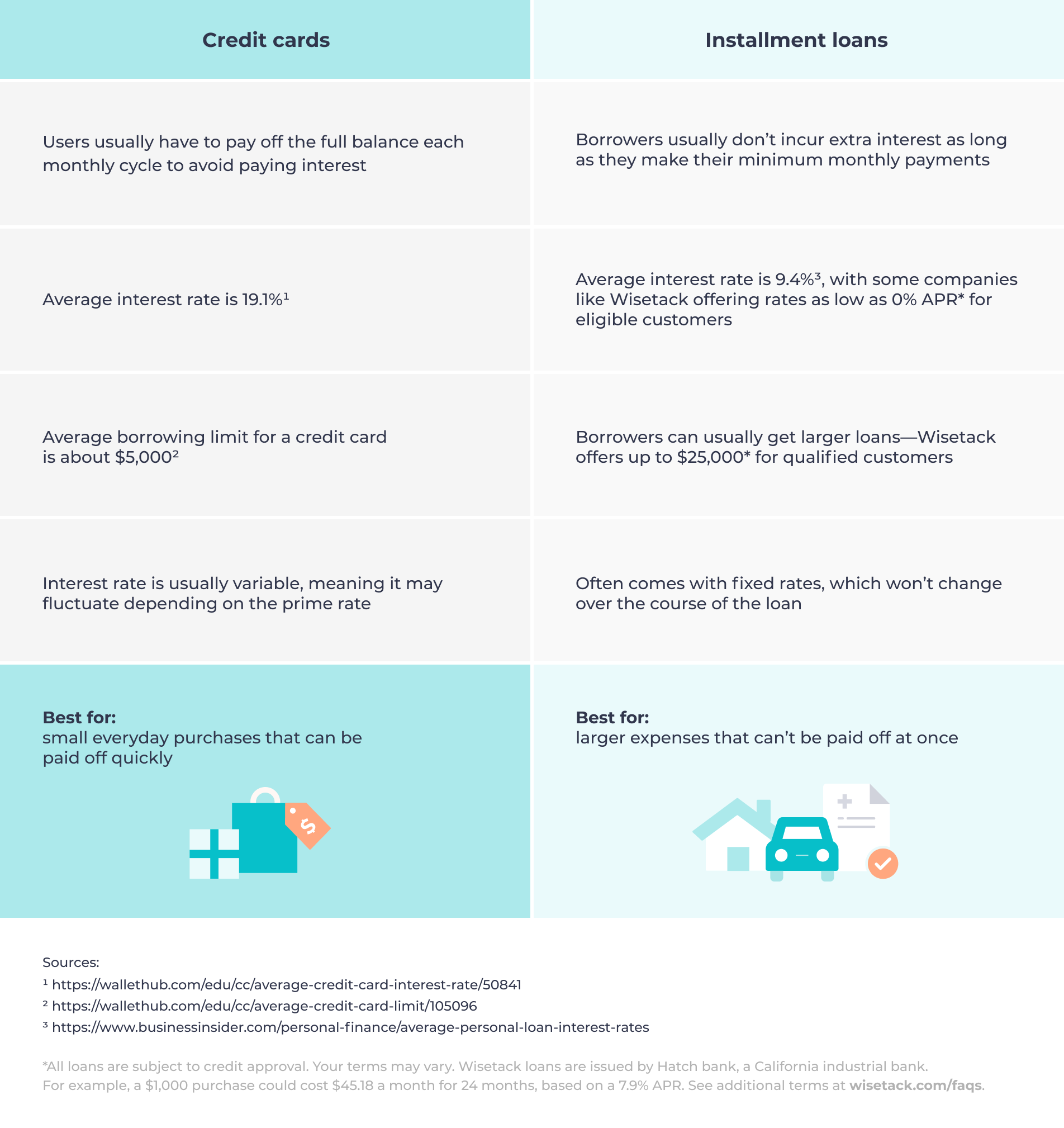
Discover’s product is a closed-end home equity loan. Unlike a Home Equity Line of Credit (HELOC), which works like a credit card where you draw funds as needed, a home equity loan provides a one-time lump sum of cash.
Fixed Interest Rates and Predictable Payments
All Discover home equity loans come with fixed interest rates. In the financial climate of 2026, where market volatility can still influence variable-rate products, the stability of a fixed rate is a significant draw. Once you close on the loan, your interest rate and your monthly principal-and-interest payment remain identical for the life of the loan, which typically ranges from 10 to 30 years.
The "No Closing Costs" Advantage
Perhaps the most significant differentiator for Discover is their fee structure. In an industry where closing costs often range from 2% to 5% of the loan amount, Discover generally covers these costs for the borrower. This includes:
- Appraisal fees: Often waived or covered if a full appraisal is required.
- Origination fees: No upfront "points" or administrative charges.
- Title insurance and search fees: Covered by the lender.
Note on Early Repayment: While there are no upfront closing costs, there is a "clawback" provision. If you pay off the loan in full within the first 36 months, Discover may require you to reimburse them for the closing costs they paid on your behalf. This is a critical detail for homeowners who plan on selling their property in the very near future.
Loan Amounts and Limits
In 2026, Discover maintains a minimum loan amount of $35,000. The maximum is generally capped at $300,000, though this is subject to your home's value and your existing mortgage balance. This range makes the product ideal for major renovations, high-interest debt consolidation, or significant educational expenses.
Eligibility and Documentation Requirements
To qualify for a loan through Discover, borrowers must meet specific financial benchmarks. Because these loans are unsecured by anything other than the equity in your home, the "equity cushion" and your credit history are the primary focuses of the underwriting process.
Credit Score Standards
Discover typically targets "prime" borrowers. While requirements can shift based on broader economic conditions in 2026, a minimum credit score of 620 to 640 is usually the baseline, with the most competitive interest rates reserved for those with scores above 720.
Loan-to-Value (LTV) Ratio
The LTV ratio is the most important calculation in the application. Discover generally allows a maximum Combined Loan-to-Value (CLTV) of 85% to 90%.
- How to calculate CLTV: Add your current mortgage balance to the amount you want to borrow from Discover, then divide that total by your home’s current appraised value.
- Example: If your home is worth $500,000 and your current mortgage is $300,000, an 85% CLTV would allow a total debt of $425,000. This means you could potentially borrow up to $125,000.
Debt-to-Income (DTI) Ratio
Discover assesses your ability to repay by looking at your DTI. This is the percentage of your gross monthly income that goes toward paying debts (including the new proposed loan). Generally, a DTI of 43% or lower is required, though exceptions are sometimes made for borrowers with high cash reserves or exceptional credit.
Comparing Discover Equity Loans to Market Alternatives
When evaluating Discover, it is helpful to see how it stacks up against other common ways to access home equity in 2026.
| Feature | Discover Home Equity Loan | Standard HELOC | Cash-Out Refinance |
|---|---|---|---|
| Interest Rate Type | Fixed | Variable (usually) | Fixed |
| Closing Costs | $0 (if held >36 months) | Low to Moderate | High (2%–5% of loan) |
| Disbursement | Lump Sum | Draw as needed | Lump Sum (New Mortgage) |
| Monthly Payment | Predicable/Fixed | Fluctuates with rates | Fixed |
| Primary Use Case | Debt consolidation, specific projects | Ongoing repairs, emergency fund | Lowering primary rate + cash |
The Step-by-Step Application Process
Applying for a Discover home equity loan in 2026 is a digital-first experience, designed to be faster than a traditional mortgage.
- Prequalification: You can check your potential rate and loan amount on the Discover website without a "hard" credit pull that affects your score.
- Full Application: Once you select a term (10, 15, 20, or 30 years), you submit a formal application. This will trigger a hard credit inquiry.
- Documentation: You will need to provide proof of income (W-2s, pay stubs, or tax returns), homeowners insurance, and your most recent mortgage statement.
- Property Valuation: Discover will determine your home’s value. In 2026, this is often done through an Automated Valuation Model (AVM) or a "drive-by" exterior appraisal, which speeds up the process significantly compared to full interior inspections.
- Underwriting and Approval: A loan officer reviews the file to ensure the CLTV and DTI meet guidelines.
- Closing: You can often close the loan remotely using e-signature technology for many documents, though some state laws still require a mobile notary to visit your home for the final deed of trust.
- Funding: After the mandatory three-day "Right of Rescission" period (a federal law for loans on primary residences), the funds are wired to your bank account or sent via check to your creditors if you are consolidating debt.
Potential Drawbacks and Considerations
While the "no closing costs" and fixed-rate features are attractive, Discover is not the right fit for every scenario.
- No Interest-Only Period: Unlike some HELOCs, you must begin paying back both principal and interest immediately. This can lead to higher initial monthly payments than a line of credit.
- Second Lien Position: Because this is a second mortgage, if you ever fall behind on payments, Discover has the right to initiate foreclosure, even if your first mortgage is current.
- Inflexibility: Once you take the lump sum, you cannot "re-borrow" what you’ve paid back. If you find you need another $10,000 six months later, you would have to apply for a completely new loan.
- State Availability: While Discover operates in most of the U.S., specific lending regulations in some states may limit availability or change the terms of the "no closing cost" offer.
For more information on the legalities of home equity lending, you can review the Consumer Financial Protection Bureau (CFPB) guidelines.
Frequently Asked Questions
Can I use a Discover home equity loan to buy a second home?
Yes. Once the funds are disbursed into your account, you can use the cash for any purpose, including a down payment on a second property or an investment home. However, the loan itself must be secured by your primary residence.
Is the interest on a Discover home equity loan tax-deductible?
In 2026, tax laws regarding home equity interest remain specific. According to the IRS, interest is generally only deductible if the funds are used to "buy, build, or substantially improve" the home that secures the loan. If you use the money to pay off credit cards or buy a car, the interest is typically not deductible. Always consult a tax professional.
How long does the process take from application to funding?
While traditional mortgages can take 45 to 60 days, Discover’s streamlined home equity process typically takes between 30 and 45 days. This timeline depends heavily on how quickly the borrower provides documentation and the method used for property valuation.
What is the maximum DTI Discover allows in 2026?
Discover generally looks for a Debt-to-Income ratio of 43% or lower. This means all your monthly debt payments, including the new home equity loan payment, should not exceed 43% of your gross monthly income. Borrowers with very high credit scores may occasionally be approved with a slightly higher ratio.
Does Discover offer a Home Equity Line of Credit (HELOC)?
No. As of 2026, Discover only offers fixed-rate, lump-sum home equity loans. If you require a revolving line of credit where you only pay interest on what you use, you will need to look at local banks or credit unions.
Final Recommendation: Is a Discover Home Loan Right for You?
Choosing Discover for your home equity needs in 2026 is most logical if you value predictability and low upfront costs. If you have a specific, large expense—such as a $50,000 kitchen remodel or $40,000 in high-interest credit card debt—the lump-sum nature of their loan is a perfect match. The ability to avoid thousands of dollars in closing costs is a massive advantage that few other national lenders match.
However, if you are unsure of exactly how much money you need, or if you want a financial safety net to pull from over several years, a HELOC from a different institution may be more appropriate. Before committing, ensure your credit score is in the "Good" to "Excellent" range to take full advantage of Discover's tiered interest rates.
Image Gallery