Understanding the Security Infrastructure of U.S. Cloud Service Providers in 2026
The security of U.S. cloud service providers (CSPs) is built on a multi-layered defense-in-depth strategy that combines physical data center protection, advanced encryption, and rigorous regulatory compliance. By 2026, major providers...
The security of U.S. cloud service providers (CSPs) is built on a multi-layered defense-in-depth strategy that combines physical data center protection, advanced encryption, and rigorous regulatory compliance. By 2026, major providers like Amazon Web Services (AWS), Microsoft Azure, and Google Cloud Platform (GCP) have integrated AI-driven threat detection and Zero Trust architectures as baseline standards to protect global data assets.
Contents
The Foundation of Cloud Security: The Shared Responsibility Model
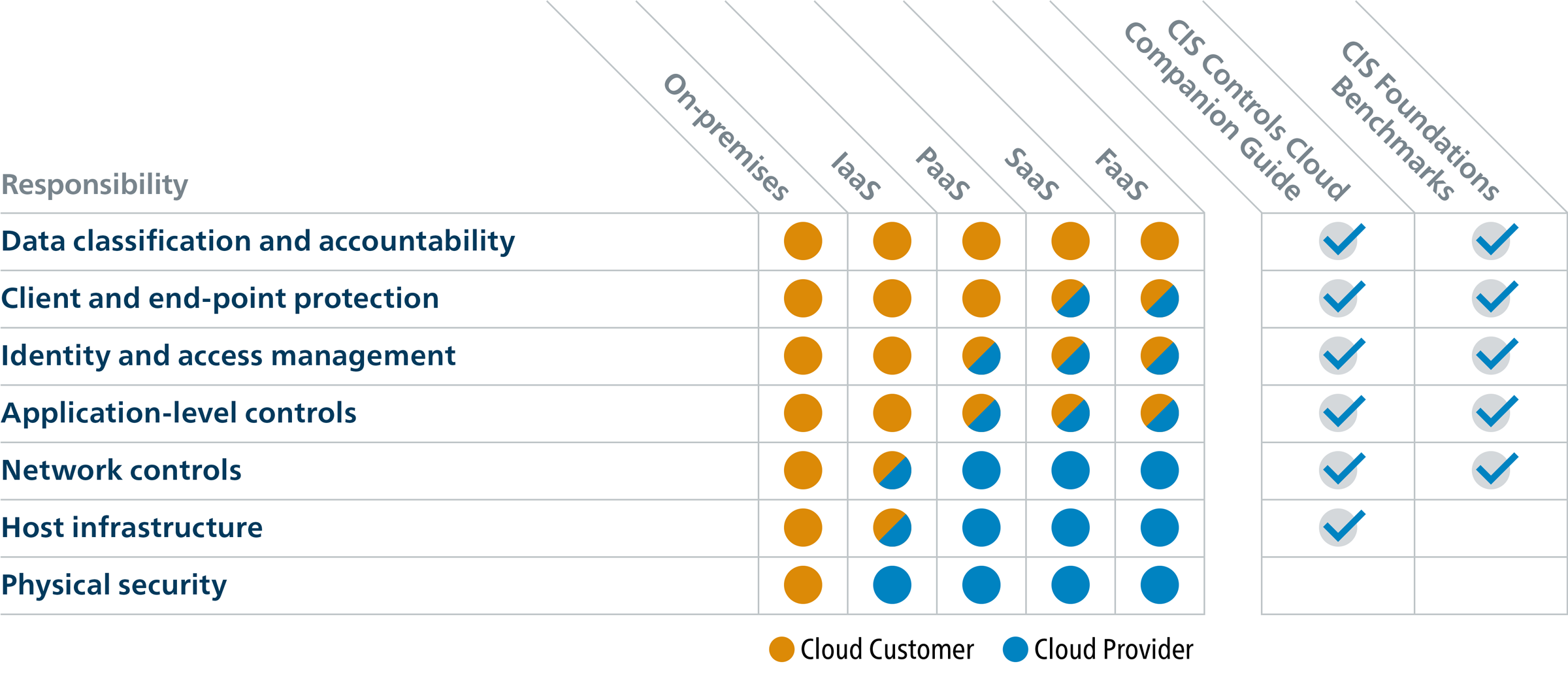
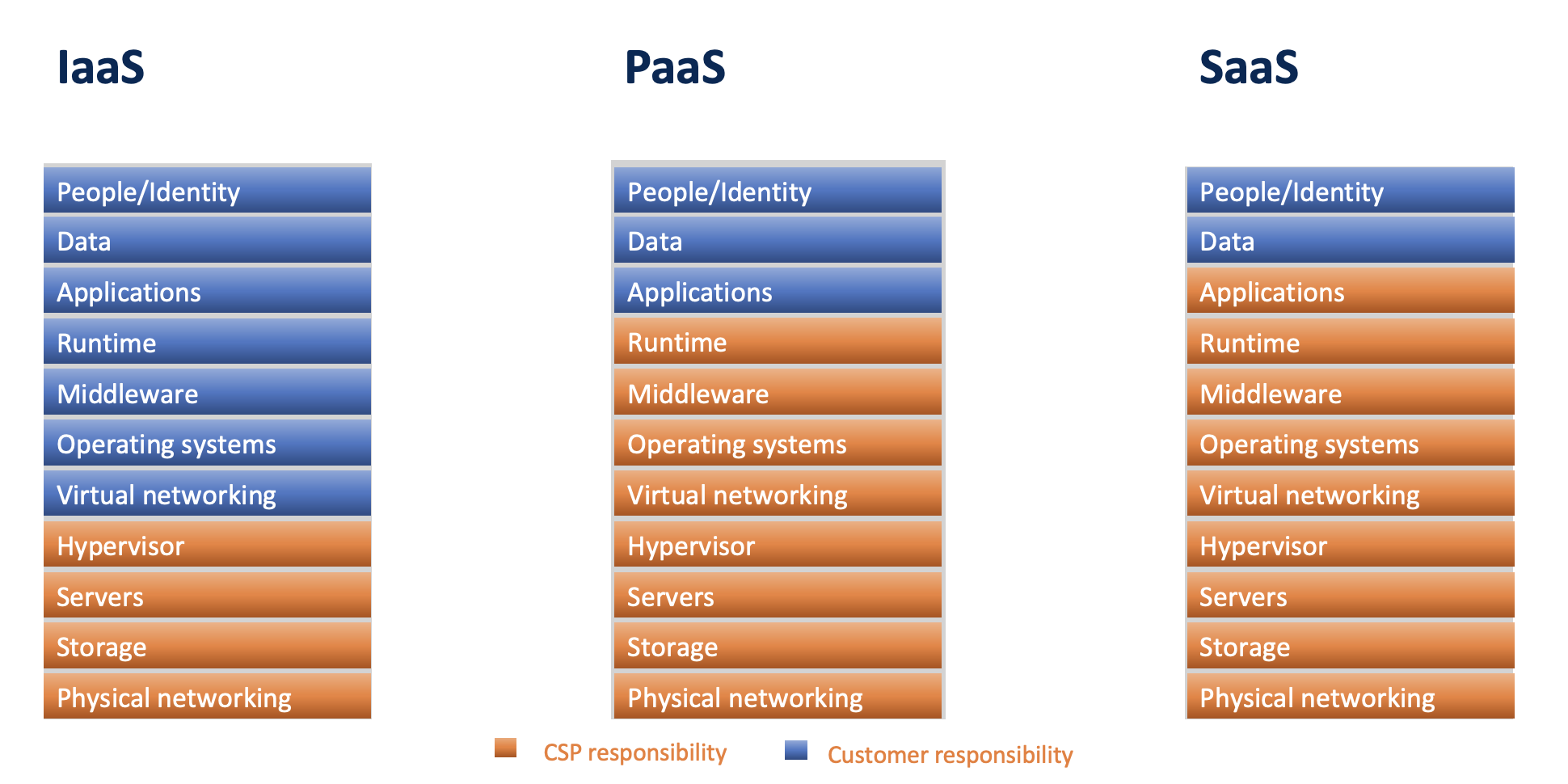
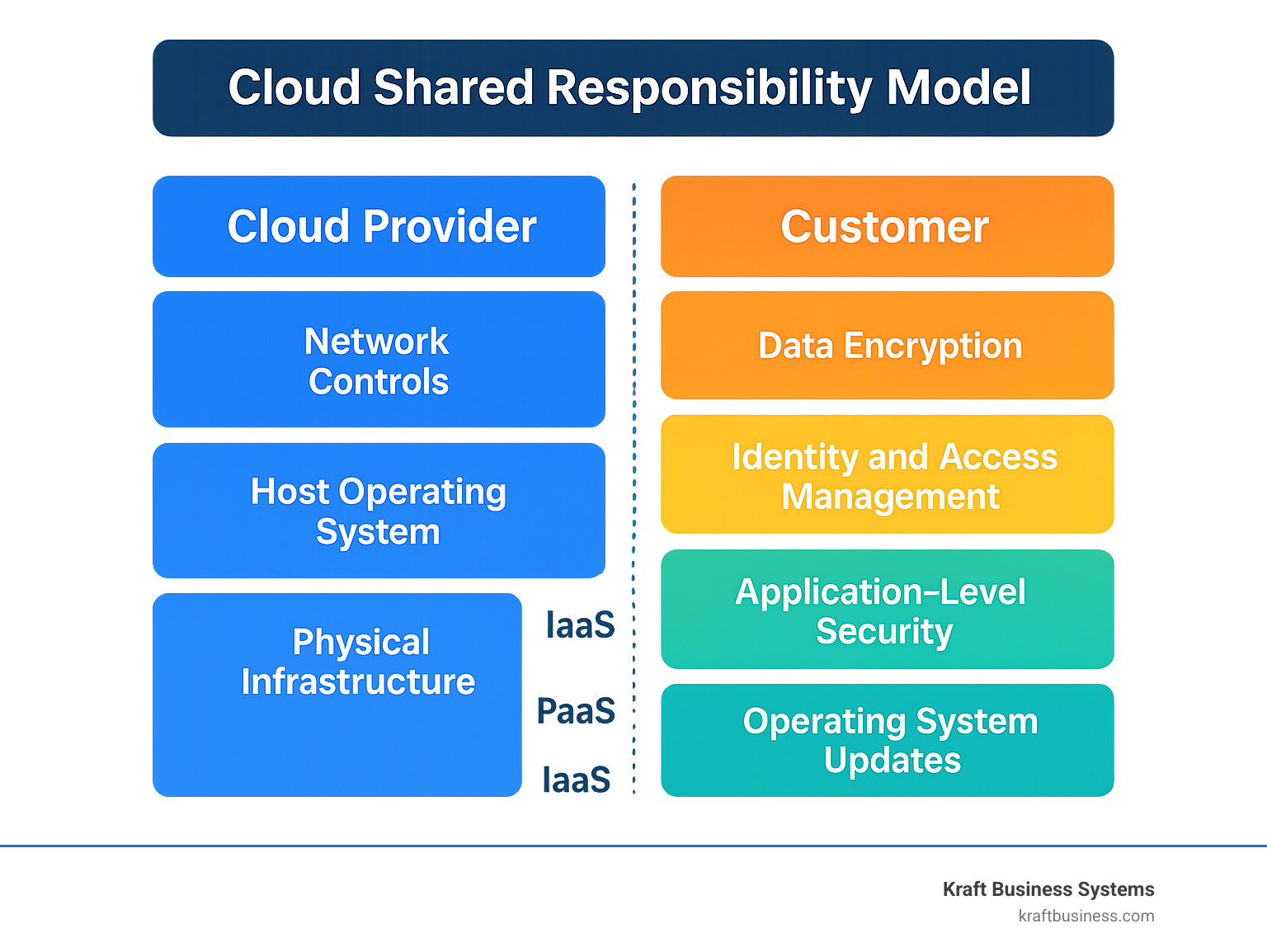
To understand the security of U.S. cloud service providers, one must first grasp the Shared Responsibility Model. This framework dictates that security is a partnership between the provider and the customer. As of 2026, while the technical nuances have evolved with the rise of serverless computing and edge deployments, the core principle remains consistent.
The CSP is responsible for the Security of the Cloud. This encompasses the physical hardware, the global infrastructure (regions, availability zones, and edge locations), and the virtualization layer that separates different customers’ workloads. If a server fails or a data center experiences a breach, the burden of remediation falls entirely on the provider.
Conversely, the customer is responsible for Security in the Cloud. This includes the configuration of firewall rules (Security Groups), identity and access management (IAM), the encryption of data within the application, and the integrity of the operating systems running on virtual machines. A common vulnerability in U.S. cloud environments is not a failure of the provider’s infrastructure, but rather a misconfiguration by the user, such as leaving a storage bucket publicly accessible.
Physical and Infrastructure Security Standards
U.S. cloud providers operate some of the most secure facilities on earth. In 2026, these data centers are designed to be "dark" or "lights out," meaning human intervention is minimized to reduce the risk of insider threats or manual errors.
Tiered Physical Access Controls
Access to data center floors is restricted to a very small number of authorized personnel. Security measures typically include:
- Multi-factor Biometrics: Fingerprint and iris scanners are standard at all entry points.
- Security Mantrap: Physical entry systems that prevent "tailgating" by allowing only one person to pass through at a time.
- 24/7 Surveillance: High-definition video monitoring paired with AI-based behavioral analytics to detect unauthorized movement.
Hardware Root of Trust
Major U.S. providers have moved toward custom-designed hardware to ensure security at the silicon level. For instance, Google’s Titan security chip and AWS’s Nitro System provide a hardware root of trust. These chips verify the integrity of the firmware and BIOS before any software is allowed to boot, ensuring that the hardware has not been tampered with during the supply chain process.
Compliance and Regulatory Frameworks
U.S. CSPs are subject to some of the most stringent audit requirements in the world. These frameworks provide independent verification that the provider is adhering to best practices.
FedRAMP: The Gold Standard for U.S. Security
The Federal Risk and Authorization Management Program (FedRAMP) is a government-wide program that provides a standardized approach to security assessment and authorization for cloud products. By 2026, most major U.S. providers hold "FedRAMP High" authorizations, meaning they are cleared to handle highly sensitive, unclassified government data. Achieving this status requires meeting over 400 individual security controls.
SOC 2 Type II and ISO/IEC 27001
For commercial entities, SOC 2 Type II reports are the primary method of verifying a CSP's security. Unlike a Type I report, which looks at a point in time, Type II audits the effectiveness of security controls over a period (usually 6 to 12 months). Similarly, ISO/IEC 27001 serves as the international benchmark for information security management systems, ensuring that U.S. providers can meet global expectations for data privacy.
Data Protection: Encryption and Confidential Computing
In 2026, encryption is no longer an optional "add-on" but a default state for U.S. cloud services. Data is protected in three distinct states:
- Data at Rest: All data stored on physical disks is encrypted using AES-256. Providers offer Key Management Services (KMS) that allow customers to manage their own encryption keys (Bring Your Own Key - BYOK) or use keys managed by the provider.
- Data in Transit: Data moving between the user and the cloud, or between cloud regions, is encrypted using TLS 1.3 or higher. Most U.S. providers now use dedicated, private fiber-optic networks for inter-region traffic to avoid the risks associated with the public internet.
- Data in Use (Confidential Computing): This is the most significant advancement in recent years. Using Trusted Execution Environments (TEEs) or "enclaves," providers can now encrypt data while it is being processed in RAM. This prevents even the CSP’s hypervisor or administrators from seeing the data during computation.
Identity and Access Management (IAM) and Zero Trust
The perimeter of the cloud is no longer a physical firewall; it is Identity. U.S. CSPs have shifted toward a Zero Trust Architecture, which operates on the principle of "never trust, always verify."
By 2026, standard IAM features include:
- Attribute-Based Access Control (ABAC): Permissions are granted based on attributes (e.g., "Is this employee in the Finance department AND using a managed device?").
- Least Privilege Access: Automated tools now scan for "over-privileged" accounts and suggest narrowing permissions to the absolute minimum required for a task.
- Just-In-Time (JIT) Access: Admin privileges are only granted for a specific window of time to perform a specific task, reducing the "blast radius" of a potential credential theft.
Comparative Security Features of Leading U.S. Providers
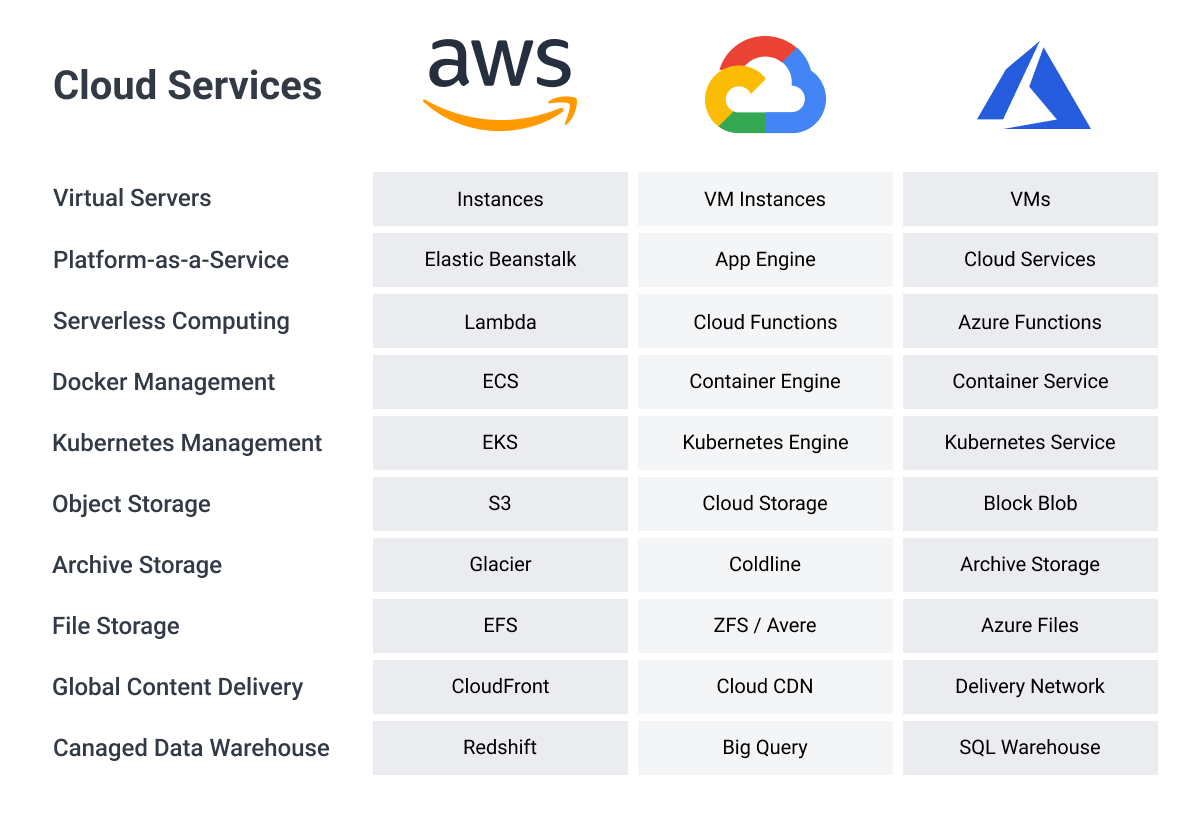
The following table compares the primary security offerings of the "Big Three" U.S. cloud providers as of 2026.
| Feature | Amazon Web Services (AWS) | Microsoft Azure | Google Cloud Platform (GCP) |
|---|---|---|---|
| Primary Security Brand | AWS Security Hub | Microsoft Defender for Cloud | Google Cloud Security Command Center |
| Hardware Security | Nitro System (Hardware Enclaves) | Azure Confidential Computing (Intel SGX) | Titan Security Chip / Shielded VMs |
| Identity Management | AWS IAM / IAM Identity Center | Microsoft Entra ID (formerly Azure AD) | Google Cloud IAM |
| DDoS Protection | AWS Shield (Standard/Advanced) | Azure DDoS Protection | Google Cloud Armor |
| Network Security | VPC, Network Firewall | Azure Firewall, NSGs | Cloud IDS, VPC Service Controls |
| Key Management | AWS KMS / CloudHSM | Azure Key Vault / Managed HSM | Cloud KMS / Cloud HSM |
AI-Driven Threat Detection and Incident Response
As cyber threats have become more sophisticated, U.S. CSPs have integrated Artificial Intelligence (AI) and Machine Learning (ML) into their core security monitoring. These systems analyze billions of signals per second to identify patterns indicative of a zero-day exploit or a ransomware attack.
By 2026, Automated Incident Response is a critical component of cloud security. If the system detects an anomalous login from an unrecognized geographic location, it can automatically revoke the user's session and trigger an MFA challenge without human intervention. This speed of response is essential for mitigating modern "living off the land" attacks where hackers use legitimate administrative tools to conduct malicious activity.
Addressing Sovereign Cloud and Data Residency
A major concern for international clients using U.S. providers is the U.S. CLOUD Act, which allows U.S. law enforcement to request data stored by U.S.-based companies, even if that data is located on servers outside the United States.
In response, U.S. providers have developed Sovereign Cloud solutions. These are specialized cloud regions operated by local partners or isolated from the main U.S. infrastructure, ensuring that data residency and jurisdictional requirements are met for sensitive industries like healthcare or national defense in foreign regions.
Common Security Challenges and Risks
Despite the high level of security, risks remain. These are often not the fault of the provider but are inherent to the complexity of cloud environments:
- Supply Chain Vulnerabilities: As organizations use more third-party software within their cloud environments, the "software supply chain" becomes a target.
- Configuration Drift: Over time, manual changes to cloud environments can lead to security gaps. Automated posture management tools (CSPM) are now required to maintain compliance.
- Skills Gap: The rapid evolution of cloud security features in 2026 means that many organizations struggle to find personnel with the expertise to manage complex Zero Trust environments.
FAQ
Are U.S. cloud providers more secure than on-premises data centers?
In most cases, yes. U.S. CSPs invest billions of dollars annually in security—a scale that individual organizations cannot match. They offer superior physical security, automated patching, and advanced threat intelligence that is difficult to replicate in a private data center.
Does the U.S. government have "backdoor" access to cloud data?
Major U.S. CSPs state that they do not provide any government with direct, unfettered access to customer data. Under the CLOUD Act, law enforcement can request data, but providers frequently challenge these requests in court and notify customers unless legally prohibited from doing so.
What is "Confidential Computing" and why is it important in 2026?
Confidential Computing protects data while it is in use by processing it in a hardware-based, isolated enclave. It is vital because it ensures that even if a provider’s underlying system is compromised, the sensitive data remains encrypted and inaccessible to the attacker or the provider itself.
How do U.S. CSPs handle ransomware?
They provide native tools for immutable backups (backups that cannot be deleted or modified) and AI-based monitoring that detects mass-file-encryption patterns. If a ransomware attack occurs, customers can use these immutable snapshots to restore their systems to a state before the infection.
Is FedRAMP compliance relevant for non-government businesses?
Yes. While FedRAMP is a requirement for government contracts, it serves as a powerful indicator of a provider's overall security maturity. A provider that can pass a FedRAMP High audit has proven its ability to manage extreme security requirements, which benefits all commercial customers.
Practical Recommendations for Organizations
To maximize the security of your U.S. cloud environment, follow these actionable steps:
- Enable MFA Everywhere: Multi-factor authentication is the single most effective way to prevent unauthorized access.
- Implement Infrastructure as Code (IaC): Use tools like Terraform or CloudFormation to deploy resources. This ensures that security configurations are standardized and auditable.
- Adopt a Zero Trust Model: Shift away from network-based security (VPNs) and toward identity-based security where every request is authenticated and authorized.
- Monitor Your Cloud Posture: Utilize native tools like AWS Security Hub or Azure Defender to identify misconfigurations in real-time.
- Utilize Confidential Computing for Sensitive Workloads: If you handle highly regulated data (financial, medical, or intellectual property), utilize TEEs to protect data even during processing.
Image Gallery