What a GoPro Camera Does and How It Powers Modern Action Content Creation
A GoPro camera is a rugged, ultra-portable digital device engineered to capture high-resolution point-of-view video and photography in extreme environments. It functions by combining wide-angle optics, advanced digital stabilization, a...
A GoPro camera is a rugged, ultra-portable digital device engineered to capture high-resolution point-of-view video and photography in extreme environments. It functions by combining wide-angle optics, advanced digital stabilization, and waterproof housing to record dynamic, fast-paced activities where traditional cameras would fail or sustain damage.
Contents
Understanding what a GoPro camera does requires looking beyond a standard digital camera. While a traditional DSLR or mirrorless camera focuses on studio portraits, controlled lighting, and shallow depth of field, action cameras are purpose-built for physical immersion. They are designed to accompany skydivers, surfers, mountain bikers, and documentary filmmakers into conditions defined by moisture, vibration, high speed, and impact.
By analyzing the mechanics, operational ecosystem, and practical applications of these devices, users can harness their full potential for personal adventures, professional media production, and automated monitoring.
Core Mechanics: How Action Cameras Capture Dynamic Footage
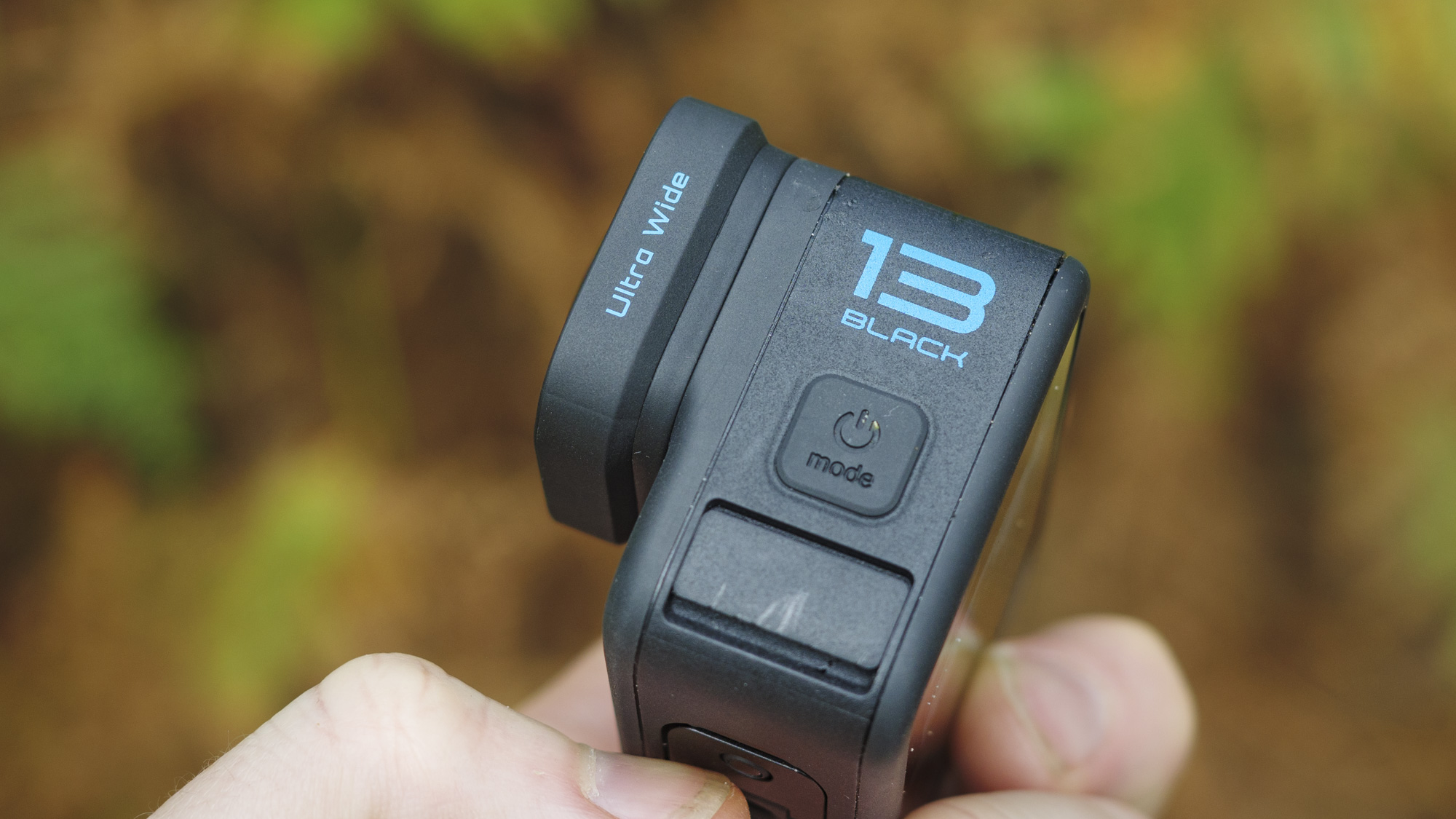
At its foundational engineering level, a GoPro camera captures video through a fixed-focus, ultra-wide-angle lens paired with a small digital image sensor. Unlike professional cinematic rigs that require manual focus pulls and interchangeable lenses, action cameras use a deep depth of field. This optical design ensures that almost everything in the frame—from objects a few inches away from the lens to distant horizons—remains sharply in focus without user adjustment.
The primary engineering challenges of high-movement recording are physical shock, rapid rotation, and vibration. Modern units address these challenges using sophisticated internal processing.
- Electronic Image Stabilization (EIS): Proprietary software algorithms (such as HyperSmooth) analyze frame-by-frame motion using internal gyroscopes. The processor then crops and shifts the video frame in real time to counteract bumps, shakes, and jitters, resulting in gimbal-like smoothness without mechanical stabilizers.
- High Frame Rates: By capturing footage at 60, 120, or up to 240 frames per second at high resolutions, the device allows creators to slow down fast action during post-production without stuttering or motion blur.
- High Dynamic Range (HDR): Advanced image processing blends multiple exposures taken simultaneously to preserve details in high-contrast environments, such as dark forest trails opening up to bright mountain peaks.
Primary Functions and Capabilities
The versatility of an action camera stems from its multi-modal operating system. Beyond standard horizontal video, a GoPro functions as a multi-purpose capture tool tailored for distinct media formats.
Immersive Video Recording
The device’s primary function is recording video in resolutions ranging from standard High Definition up to 5.3K and higher, depending on the specific hardware generation. The ultra-wide field of view—often referred to as "SuperView" or "Wide"—exaggerates a sense of speed and scale, making standard terrain look dramatic and engaging.
High-Resolution Photography and Time-Lapse
Users can capture rapid-fire burst photos, high-megapixel single stills, or raw files for advanced color grading. Furthermore, built-in time-lapse and hyper-lapse modes allow the camera to compress hours of slow movement—like a sunset over a mountain range or clouds rolling across a valley—into a seamless, stabilized video file.
Live Streaming and Webcam Utility
Beyond outdoor recording, modern action cameras integrate directly into digital workflows. Users can connect the hardware via USB to a computer to function as a wide-angle webcam for conference calls, or broadcast live directly to platforms like YouTube and Facebook via cellular tethering and companion mobile applications.
The Mount Ecosystem: Why Placement Matters
A camera is only as effective as its mounting position. What truly defines a GoPro is its proprietary mounting ecosystem, which allows the device to be securely fastened to almost any moving object or human body part.
| Mount Type | Primary Use Case | Stability Factor | Operational Advantage |
|---|---|---|---|
| Chest Mount (Chesty) | Mountain biking, skiing, hiking | High (body-absorbed shock) | Captures hands, handlebars, and natural body movement; immersive perspective. |
| Helmet Mount | Motorcycling, climbing, caving | Variable (depends on strap/adhesive) | Mirrors the exact line of sight of the user; highly dynamic panning. |
| Handlebar / Pole Mount | Cycling, kayaking, extension booms | Moderate to High (clamps firmly) | Keeps the camera locked to machinery or extends reach for self-capture ("vlogging"). |
| Suction Cup | Automotive track days, exterior vehicle shots | High (on clean, non-porous surfaces) | Enables stable exterior tracking shots on cars, boats, and smooth panels. |
Without these mounts, an action camera would merely be a small handheld recorder. The hardware’s interchangeability and standardized finger-mount interface transform it into a wearable data-collection instrument.
Operational Limitations and Physical Constraints
Despite their advanced capabilities, action cameras operate under strict physical laws that dictate their performance boundaries, particularly in challenging environments.
Low-Light Performance
Because action cameras rely on physically small image sensors to maintain their compact, rugged form factor, they gather significantly less light than large-sensor mirrorless cameras or full-frame DSLRs. When used at dusk, underwater, or indoors without supplementary lighting, the footage exhibits digital noise, grain, and loss of shadow detail.
Thermal Management
Recording continuous, high-resolution video (such as 4K or 5.3K at high frame rates) forces the internal processor to work at maximum capacity. In warm ambient environments without airflow, the unit can generate excessive heat, leading to automatic thermal shutdowns to protect internal components.
Audio Quality
While internal microphones have improved substantially over the years, the waterproof seals required to protect the electronics naturally muffle sound. Furthermore, wind noise during high-speed movement can overwhelm internal audio tracks, necessitating external microphones, specialized wind-mufflers, or post-processing audio reduction.
Workflow Integration: From Capture to Edit
Capturing raw footage is only the first step in the action camera workflow. Managing, transferring, and editing massive high-bitrate video files requires a structured technical approach.
- Storage Media: The device records data onto high-speed microSD cards (typically UHS-I or V30/V60 ratings). Using slow memory cards leads to recording errors or dropped frames during high-resolution capture.
- Wireless Offloading: Companion smartphone applications allow users to preview shots, adjust camera settings remotely, and transfer proxy files instantly via Wi-Fi for quick social media sharing.
- Post-Production Editing: Full-resolution files can be imported into desktop non-linear editing (NLE) software. Creators use editing suites to color-correct flat color profiles (such as GoPro Flat/Protune), apply stabilization adjustments, and cut multi-cam sequences.
Frequently Asked Questions
Are GoPro cameras completely waterproof without an external case?
Most modern models are waterproof down to 33 feet (10 meters) out of the box without any additional housing. For deeper scuba diving or high-pressure water sports, dedicated dive housings are required to protect the unit and prevent lens distortion caused by water refraction.
Can a GoPro camera function as a security dash cam?
Yes, many users configure action cameras as vehicle dash cams using a continuous loop-recording mode combined with an external USB power source. However, they are not purpose-built for extreme continuous automotive heat cycles compared to dedicated commercial dash cameras.
What is Protune and when should it be used?
Protune is an advanced setting suite that unlocks manual control over color, ISO limit, white balance, shutter speed, and exposure compensation. It should be used by creators who intend to color-grade their footage in post-production, as it prevents the camera from applying heavy automated sharpening and contrast.
How long does a standard battery last during continuous recording?
Battery life varies significantly based on resolution, frame rate, wireless connectivity, and ambient temperature. Continuous recording at maximum settings (e.g., 5.3K at 60fps) typically drains a standard battery in roughly 45 to 60 minutes, making spare batteries or external power banks essential for extended shoots.
Do I need a smartphone to operate a GoPro?
No. While mobile apps enhance functionality, framing previews, and settings adjustments, every model can be operated entirely offline using physical buttons and the built-in LCD touch screen.
Next Steps for Action Content Creators
To maximize the utility of an action camera, begin by identifying your primary recording environment—whether it is underwater marine life, high-speed motorsports, or family travel logs. Invest in two or three versatile mounts suited to that specific niche, acquire a high-end endurance microSD card, and practice shooting in manual Protune modes to understand how exposure settings affect dynamic motion.
Image Gallery