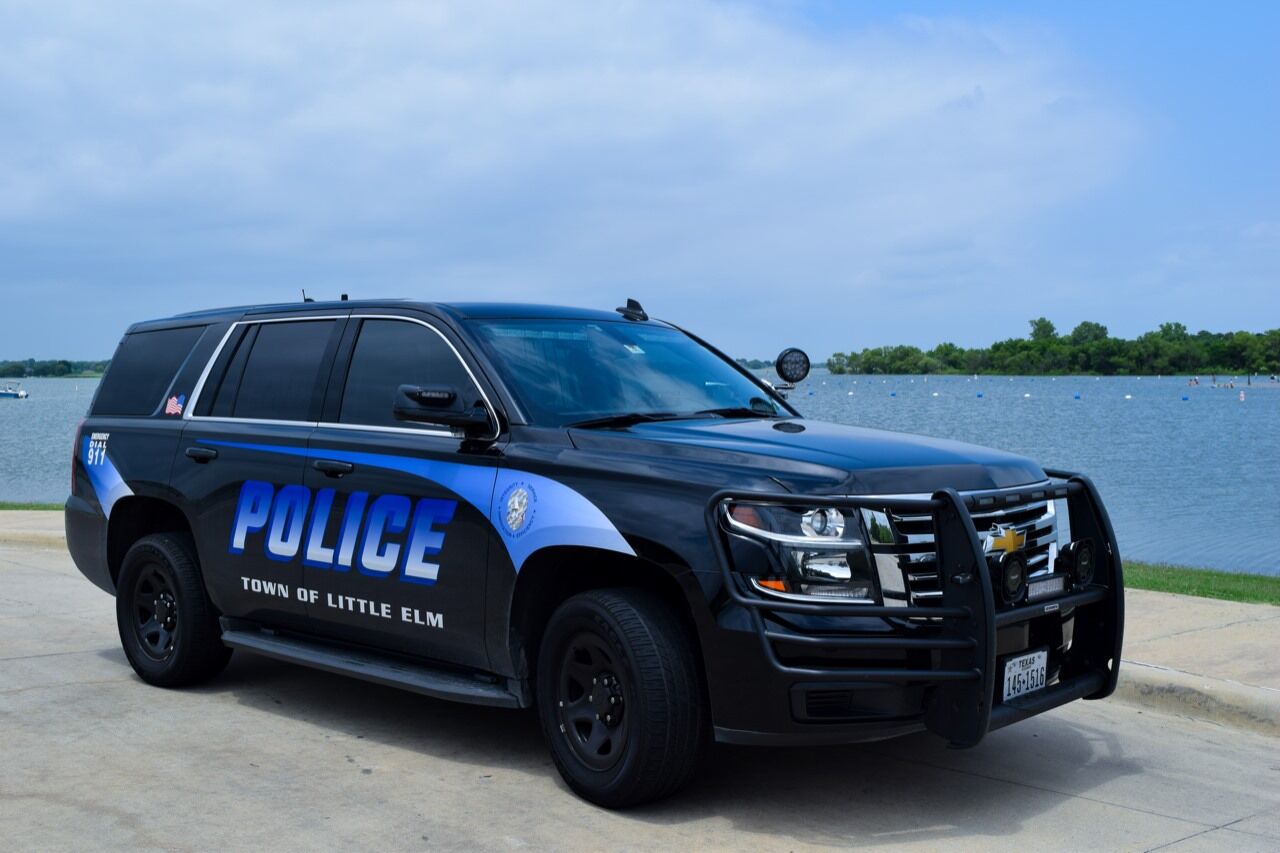
Little Elm Police Scanner: How to Access Public Safety Communications in 2026
Listening to the Little Elm police scanner allows residents and interested parties to stay informed about emergency services, public safety dispatches, and ongoing incidents within the Little Elm, Texas, jurisdiction. As of 2026, acces...
Listening to the Little Elm police scanner allows residents and interested parties to stay informed about emergency services, public safety dispatches, and ongoing incidents within the Little Elm, Texas, jurisdiction. As of 2026, access is primarily facilitated through digital streaming platforms that aggregate radio traffic from the Denton County area, providing real-time audio feeds for emergency monitoring.
Contents
Understanding the Technical Landscape of Police Radio Traffic
Public safety communication in Little Elm, as with many growing municipalities in the Dallas-Fort Worth metroplex, relies on sophisticated radio infrastructure. The Little Elm Police Department, operating under the jurisdiction of Denton County, typically utilizes the North Texas Interoperability Communications System (NTICS). This is a P25-compliant digital trunked radio system designed to provide seamless communication between local law enforcement, fire departments, and emergency medical services.
For the average listener, it is critical to distinguish between analog and digital signals. While older scanners could pick up local police traffic with a simple antenna, most modern systems—including those used in Little Elm—use encrypted or complex digital protocols. When you listen to a "scanner" feed in 2026, you are not usually intercepting raw, encrypted radio waves directly with a home receiver. Instead, you are accessing a digital bridge—a dedicated receiver located within the city limits that captures the transmission, decodes the audio, and streams it over the internet to a third-party host.
How to Access Little Elm Police Scanner Feeds
To monitor local communications in 2026, users typically rely on web-based audio platforms that serve as a clearinghouse for public safety radio traffic. These services work by utilizing volunteer hardware owners who provide a constant stream from their own specialized radio equipment.
- Select a reputable scanner streaming provider, such as Broadcastify, which remains the industry standard for hosting public safety audio feeds.
- Navigate to the Texas directory and filter by Denton County to find the specific feed covering Little Elm and its surrounding police jurisdictions.
- Utilize a compatible web browser or a dedicated mobile application designed for scanner audio playback.
- Manage your volume and notification settings, as active dispatch channels often produce intermittent noise or static when no calls are being broadcast.
Important Operational Note Please be aware that scanner feeds are subject to periodic downtime. Because these streams are hosted by volunteers using their own power and internet connections, technical interruptions are common. If the Little Elm feed is silent for an extended period, it may be a result of the host receiver being offline or an temporary shift in department encryption protocols.
Technical Requirements for Modern Monitoring
If you choose to move beyond web streams and purchase your own hardware to monitor non-encrypted, public-safety radio traffic, you must ensure your equipment is compatible with the infrastructure used in Denton County.
| Feature | Requirement for 2026 Monitoring |
|---|---|
| System Type | P25 Phase I or Phase II trunking capability |
| Frequency Range | VHF, UHF, and 700/800 MHz bands |
| Decoding Capability | Digital voice decoding (IMBE or AMBE+2 vocoders) |
| Antenna Placement | Outdoor directional antenna for optimal signal reception |
| Software | SDR (Software Defined Radio) with trunking software for PC-based monitoring |
While hobbyists often use SDR dongles coupled with specialized software to visualize and record radio traffic, the learning curve is significant. Beginners are encouraged to start with streaming apps to gauge the frequency and nature of the calls before investing in dedicated base-station hardware.
Limitations and Legal Considerations
While listening to police scanners is generally legal in the United States, it is important to understand the ethical and practical boundaries. In 2026, many police departments have migrated to end-to-end encryption for day-to-day tactical operations. This means that even with the most expensive scanner, certain private communications remain inaccessible.
- Privacy Expectations: Never attempt to broadcast or redistribute audio feeds in a way that interferes with public safety operations.
- Encryption: Understand that you will not hear all police traffic. Sensitive communications, including those involving criminal investigations or private citizen information, are frequently moved to encrypted channels that cannot be decoded by civilians.
- Public Utility: Scanners should be used for situational awareness only. They are not a replacement for official emergency channels. If you are in immediate danger or witnessing a crime in Little Elm, always dial 911 rather than relying on or attempting to communicate via scanner frequencies.
Frequently Asked Questions
Is listening to the Little Elm police scanner illegal? No, monitoring public safety radio frequencies is generally legal for personal use in the United States, provided you do not use the information for criminal purposes. However, you should never attempt to interfere with or rebroadcast emergency signals.
Why does the scanner feed suddenly go silent? Silence often indicates that there is no active traffic at that moment, or the local volunteer host's equipment is experiencing a connection issue. If you hear consistent "dead air," it is likely a technical error on the streaming provider's end.
Can I listen to encrypted police channels? No, you cannot legally or technically access encrypted channels. Modern P25 radio systems allow police departments to enable end-to-end encryption, which effectively blocks any unauthorized receiver from decoding the voice traffic.
What is the best way to hear Little Elm emergency updates? While scanners provide real-time audio, they are often difficult to interpret. For official information regarding significant events, follow the Little Elm Police Department’s official social media accounts or the Town of Little Elm’s emergency notification system.
Maximizing Your Situational Awareness
For residents of Little Elm, the value of a police scanner lies in understanding the local environment and the volume of public safety activity. Whether you are monitoring for weather-related emergencies or general community updates, the combination of a reliable streaming service and an understanding of the P25 trunking environment will provide the most accurate picture of city-wide activity. By remaining aware of the limitations of consumer-grade equipment and respecting the privacy protocols of local law enforcement, you can use these tools to stay informed about the safety of your community throughout 2026.
If you encounter persistent issues with local audio feeds, consider reaching out to the community-driven support forums on scanner enthusiast websites, where local hobbyists often troubleshoot receiver placement and signal interference for the Denton County area.
Image Gallery