Fingerhut Credit Card: 2026 Comprehensive Review, Application Guide, and Financial Analysis
The Fingerhut Credit Card—comprising the Fingerhut Advantage Credit Account issued by WebBank and the Fingerhut FreshStart installment loan—is designed primarily for consumers looking to build or rebuild their credit history. It offers...
The Fingerhut Credit Card—comprising the Fingerhut Advantage Credit Account issued by WebBank and the Fingerhut FreshStart installment loan—is designed primarily for consumers looking to build or rebuild their credit history. It offers access to a large catalog of name-brand merchandise, though it features higher-than-average interest rates and restricted purchasing utility compared to open-loop credit cards.
Contents
Understanding how these financing products operate requires a close look at credit tiers, account structures, fee schedules, and responsible utilization strategies for 2026. This guide details everything you need to know about qualifying, managing, and ultimately leveraging Fingerhut accounts to improve your financial health.
Core Structure of Fingerhut Financing Products
Fingerhut operates differently from standard major credit card issuers like Chase or American Express. Instead of offering a single, universal revolving credit card that can be used anywhere, the brand utilizes two distinct financial products tailored to different credit profiles.
The Fingerhut Advantage Credit Account
The Advantage account is a traditional revolving credit line, but with a major caveat: it can only be used to purchase merchandise directly through the Fingerhut website or catalog.
- Issuing Bank: WebBank, which handles underwriting and regulatory compliance.
- Network: Closed-loop (restricted to Fingerhut's proprietary e-commerce ecosystem).
- Credit Limits: Typically start quite low (often between $100 and $300) and can increase over time with responsible on-time payments.
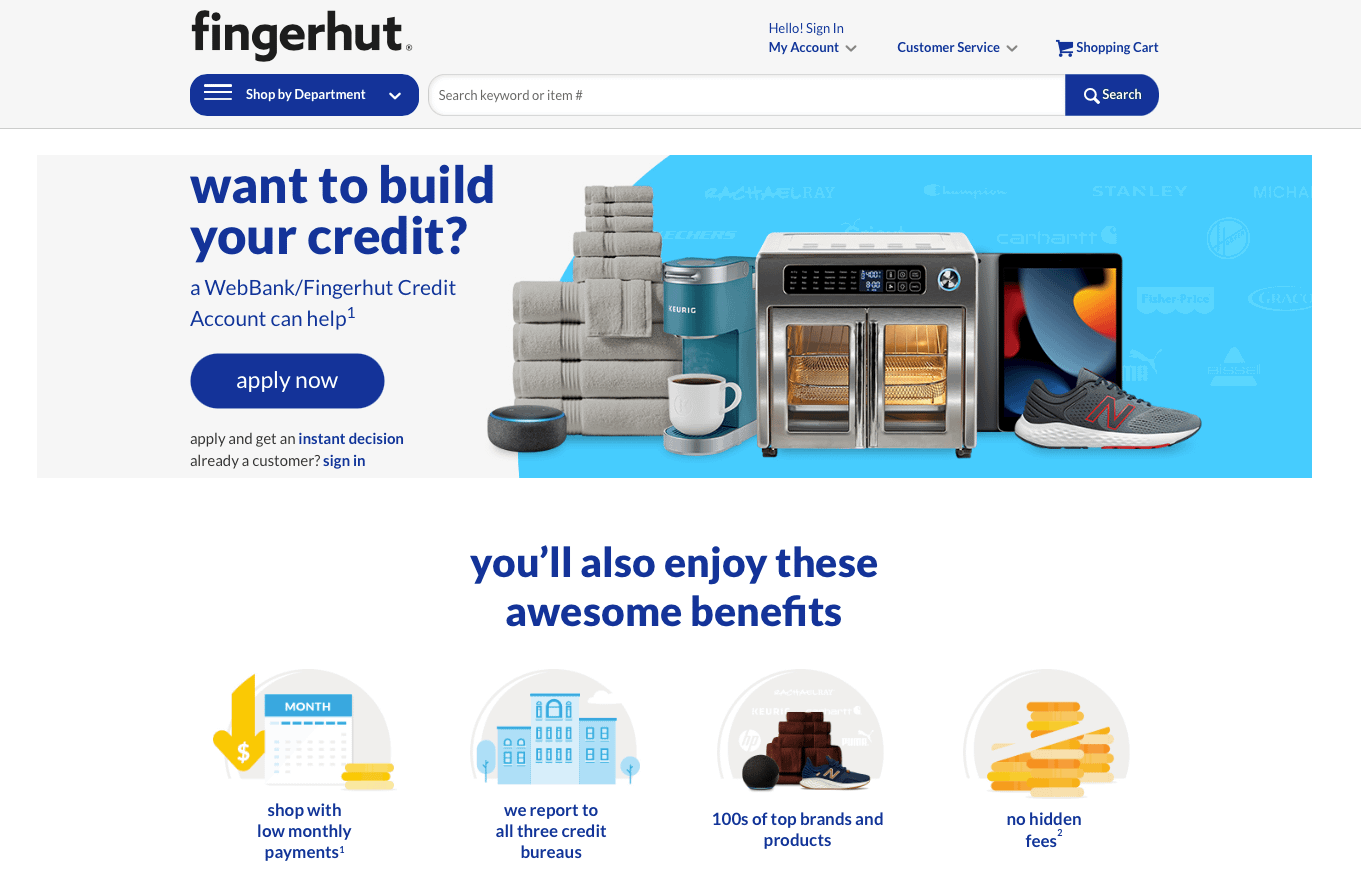
- Reporting: Activity is reported to the three major credit bureaus (Equifax, Experian, and TransUnion), making it a tool for credit building when managed properly.
The Fingerhut FreshStart Program
For applicants who do not immediately qualify for the Advantage revolving account, Fingerhut offers the FreshStart program.
- Program Type: This is not a revolving credit card; it functions as an installment loan.
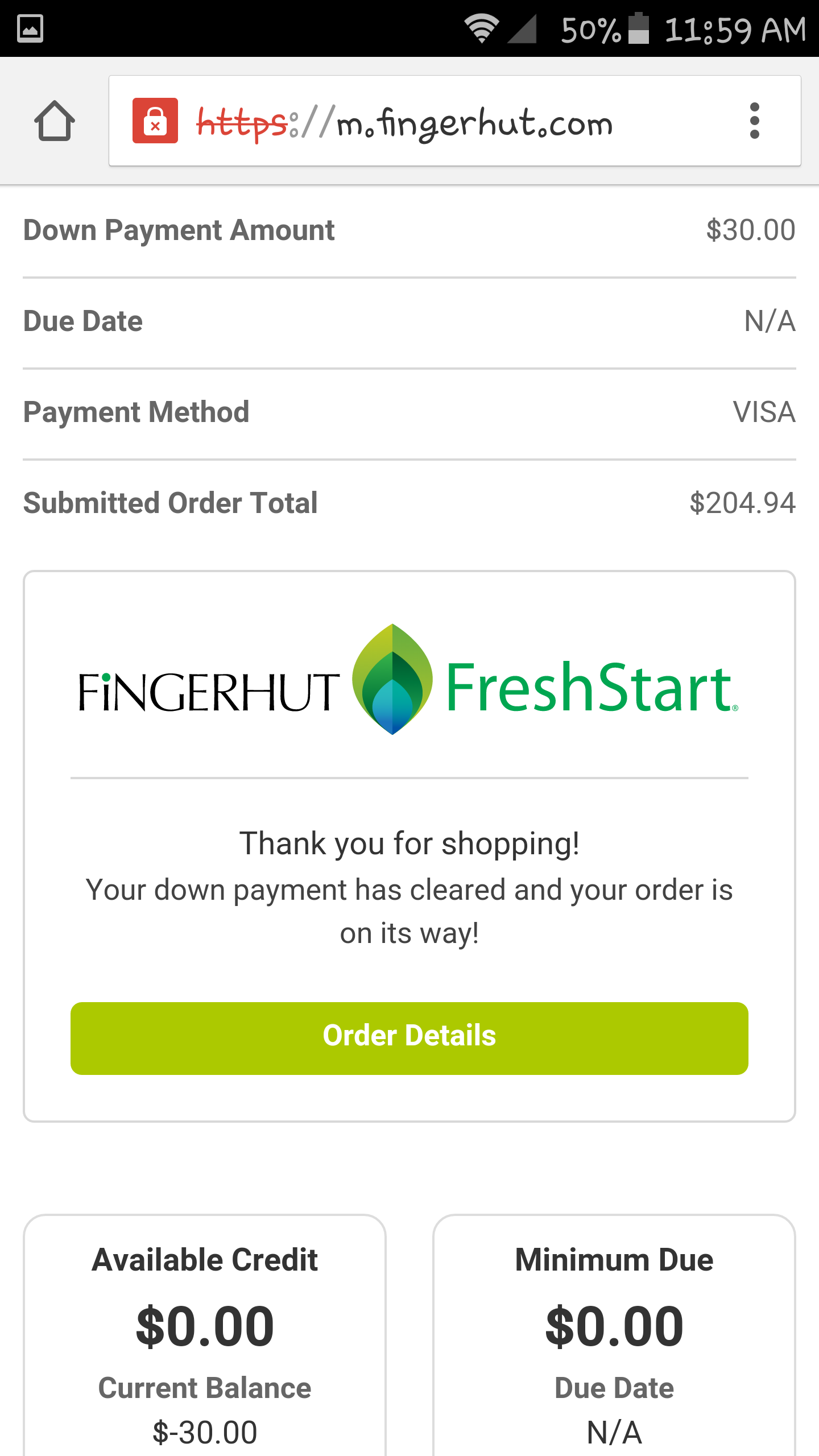
- Down Payment Requirement: Customers must make an initial order and pay a mandatory down payment (usually around $30) to fulfill the purchase.
- Repayment Terms: The remaining balance is split into multiple monthly installments.
- Progression: Successfully paying off a FreshStart installment loan typically graduates the user to the revolving Advantage Credit Account, opening up higher credit limits and broader purchasing power.
Qualification Criteria and Application Prerequisites
Qualifying for a Fingerhut credit account is significantly easier than obtaining prime credit cards, making it an accessible option for those with thin credit files or past credit blemishes. WebBank evaluates applicants based on internal scoring models alongside traditional credit bureau data.
Key Requirements for Approval
- Age and Residency: Applicants must be at least 18 years old (19 in Alabama and Nebraska, 21 in Mississippi) and reside legally in the United States.
- Identification: A valid Social Security Number (SSN) or Individual Taxpayer Identification Number (ITIN) is mandatory.
- Income Verification: While a high income is not required, applicants must demonstrate sufficient disposable income to handle monthly installment payments or minimum revolving balances.
- Credit Score Threshold: There is no strict minimum credit score requirement. Individuals with bad credit, no credit history, or previous bankruptcies are routinely approved for the FreshStart program or low-limit Advantage accounts.
Financial Terms, Costs, and Fee Structures
Before opening a Fingerhut account, consumers must weigh the convenience of credit-building against the associated costs. Closed-loop retail cards frequently carry higher interest rates and pricing terms than general-purpose credit cards.
| Financial Metric | Fingerhut Advantage Account | Fingerhut FreshStart Program |
|---|---|---|
| Product Type | Revolving Credit Line | Installment Loan |
| Annual Fee | $0 | $0 |
| Variable APR | High (frequently exceeds 29.99%) | N/A (Fixed installment pricing included in item cost) |
| Late Payment Fee | Up to $40 (varies by state laws) | Up to $40 (varies by state laws) |
| Over-the-Limit Fee | $0 | $0 |
| Usability | Exclusive to Fingerhut.com | Exclusive to Fingerhut.com |
Understanding the True Cost of Merchandise
A common criticism of retail catalog financing is the baseline pricing of goods. Items purchased through Fingerhut may sometimes carry higher retail prices compared to big-box discounters or online marketplaces. When combined with high APRs on the revolving account, carrying a balance over multiple months can significantly increase the total cost of ownership. Consumers are strongly advised to pay their balances in full before interest accrues whenever possible.
Step-by-Step Guide to Applying and Managing Your Account
Applying for a Fingerhut account takes only a few minutes, but managing the account requires discipline to ensure it positively impacts your credit score.
1. Submitting the Online Application
- Navigate to the official Fingerhut website and select the registration or "Pre-Qualify" option.
- Enter your personal details, including your full legal name, residential address, annual income, and SSN.
- Submit the form for an instant decision. This initial check typically involves a soft credit pull, which does not impact your credit score.
2. Reviewing Your Offer
- If approved, the system will display whether you qualified for the revolving Advantage account or the FreshStart installment program.
- Review your assigned initial credit limit or required down payment terms.
3. Making Your First Purchase
- Select eligible merchandise from the catalog. Ensure the purchase price aligns with your budget and your assigned credit limit.
- Complete checkout using your new Fingerhut account credentials.
4. Establishing a Payment Routine
- Set up automatic payments through the online portal to avoid accidental late fees and negative credit reporting.
- Monitor your credit reports regularly to verify that WebBank is accurately reporting your monthly payment history to Equifax, Experian, and TransUnion.
Advantages and Disadvantages of Fingerhut Credit
To make an informed financial decision, weigh the structural benefits against the operational limitations of these accounts.
Pros
- Accessible Approval: Exceptional approval rates for individuals with subprime credit or no established credit history.
- Credit Bureau Reporting: Positive payment histories are reported to all three major credit bureaus, helping build or repair credit over time.
- No Annual Fees: Users are not charged a yearly fee just to keep the account open.
- Clear Path to Upgrades: The FreshStart program provides a guaranteed stepping stone to a revolving credit line upon successful completion.
Cons
- Closed-Loop Restriction: Credit lines can only be used on the Fingerhut website, preventing everyday purchases for gas, groceries, or utilities.
- High Interest Rates: The revolving account carries a steep APR, making it expensive to carry a balance month-to-month.
- Pricing Markup: Catalog merchandise can sometimes be more expensive than identical items found elsewhere online.
- Low Initial Limits: Starting limits are often very small, requiring careful purchasing discipline.
Comparing Fingerhut to Alternative Credit-Building Options
Consumers seeking to build credit have several alternatives to catalog financing. The table below compares Fingerhut against other common credit-building products.
| Feature / Product | Fingerhut Advantage / FreshStart | Secured Credit Cards (e.g., Capital One Platinum Secured) | Credit Builder Loans (e.g., Self, Chime Credit Builder) |
|---|---|---|---|
| Primary Utility | Retail catalog merchandise shopping | Universal purchases wherever Mastercard/Visa is accepted | Forced savings combined with credit reporting |
| Security Deposit | None required | Required (typically matches credit limit, e.g., $200+) | None required (funds locked in savings until loan completion) |
| Network Access | Closed-loop (Fingerhut only) | Open-loop (Global payment networks) | N/A (Loan product, not a card) |
| Purchase Requirement | Must buy catalog goods to utilize | Can use for daily spending | No shopping utility; purely for credit building |
| Potential Costs | High APR if carrying a balance | Variable APR (if not paid in full); occasional annual fees | Monthly subscription or account maintenance fees |
Troubleshooting Common Account Issues
Navigating retail credit accounts can occasionally present hurdles. Addressing them promptly prevents negative marks on your credit profile.
Payment Processing Delays Tip: Always initiate online payments at least three to five business days before your official due date. Processing delays can occasionally cause payments to post after the deadline, triggering late fees and potential negative bureau reporting.
Unexpected Denial or Low Limit Action: If you are denied or receive a very low credit limit, request your adverse action notice from WebBank. Review your credit reports for errors, pay down existing revolving debts, and consider utilizing the FreshStart program to demonstrate positive repayment behavior before reapplying for the revolving line.
Account Inactivity Closures Warning: Creditors occasionally close accounts that remain inactive for extended periods. If you successfully pay off your balance, make periodic small purchases and pay them off immediately to keep the credit line active and contributing to your credit history length.
Practical Recommendations for Long-Term Success
Using a Fingerhut credit account as a stepping stone requires a disciplined exit strategy. Because the closed-loop nature and high interest rates limit long-term financial utility, treat Fingerhut strictly as a credit-rebuilding tool rather than a primary financing mechanism.
Focus on keeping your credit utilization ratio low—ideally under 30% of your total assigned limit—and always pay your balance in full every month to avoid steep interest charges. Once your credit score improves into the fair or good range (typically 640+), consider diversifying your financial profile by applying for an unsecured, open-loop credit card that offers cash back or travel rewards without annual fees.
Frequently Asked Questions
Does applying for a Fingerhut credit account hurt my credit score?
Initial pre-qualification checks use a soft credit pull, which has zero impact on your credit score. However, if you accept an offer and proceed with a full application, WebBank will perform a hard credit inquiry, which can cause a temporary, minor dip in your credit score.
Can I use my Fingerhut credit card anywhere outside of Fingerhut.com?
No. The Fingerhut Advantage Credit Account is a closed-loop retail account, meaning it can only be used to purchase merchandise directly through the official Fingerhut website or catalog. It cannot be used at gas stations, grocery stores, or other online retailers.
What is the difference between Fingerhut FreshStart and the Advantage Account?
Fingerhut FreshStart is an installment loan program that requires an initial order and down payment, followed by fixed monthly payments to clear the balance. The Advantage Account is a revolving credit line that lets you buy items up to your credit limit and make flexible minimum monthly payments.
How long does it take for Fingerhut to report payments to the credit bureaus?
Fingerhut typically reports account activity and payment history to Equifax, Experian, and TransUnion once per month, usually around your billing cycle closing date. Consistent on-time payments generally reflect on your credit reports within 30 days.
What happens if I miss a payment on my Fingerhut account?
Missing a payment can result in late fees of up to $40 and may lead to negative remarks being reported to the major credit bureaus once the payment is 30 days or more past due, which can lower your credit score.
Image Gallery