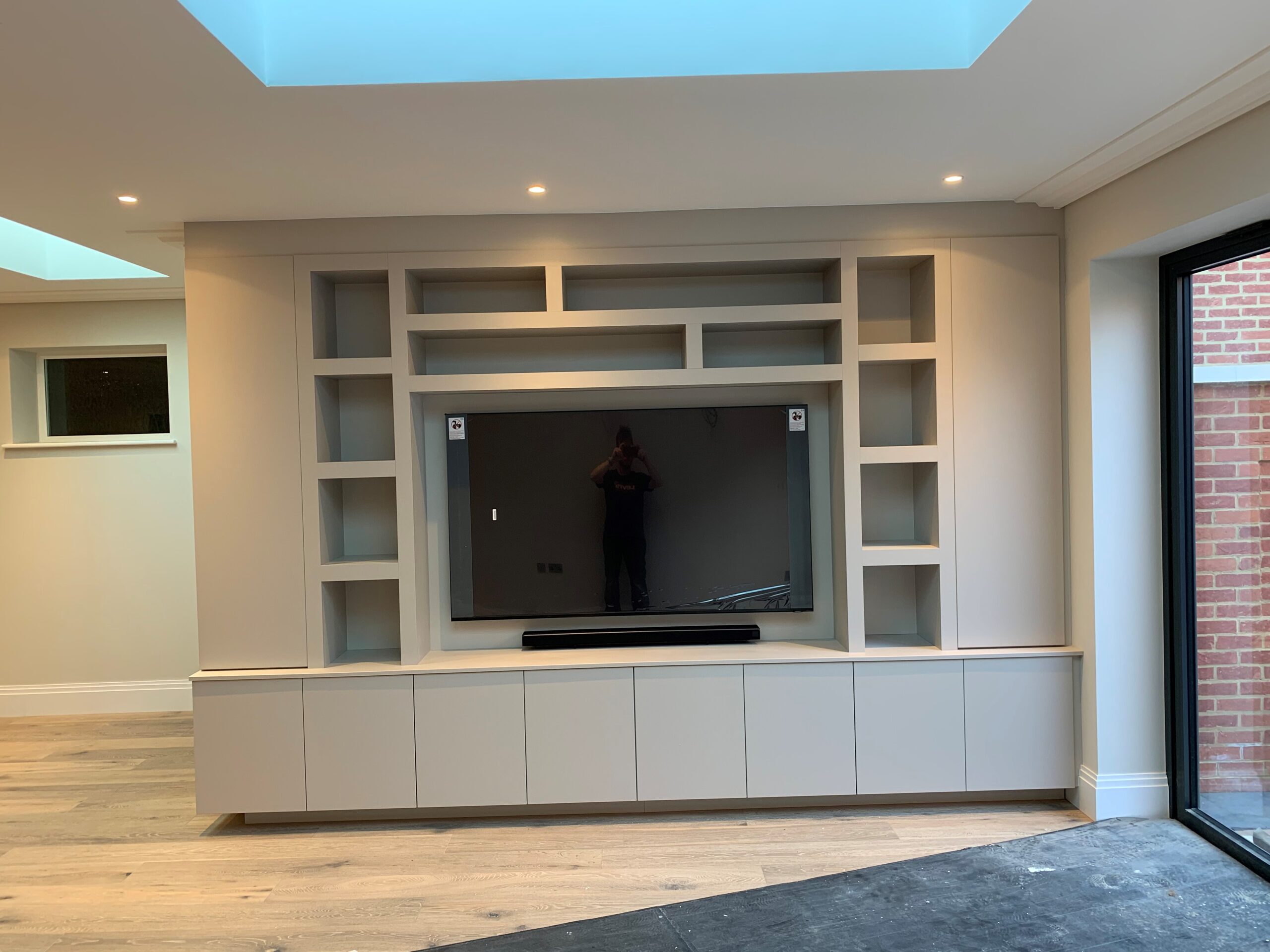
Media Walls Shirley: Expert Design, Installation, and Technical Guide for 2026
Transforming your living space with a bespoke media wall in Shirley requires a careful blend of architectural planning, precise electrical integration, and modern interior design. Whether you are upgrading a period property near Shirle...
Transforming your living space with a bespoke media wall in Shirley requires a careful blend of architectural planning, precise electrical integration, and modern interior design. Whether you are upgrading a period property near Shirley Park or finishing a modern apartment build, integrating a contemporary television housing unit with an electric fireplace demands professional execution.
Contents
Understanding Media Walls and Their Rise in Modern Interior Architecture
A media wall is a custom-built architectural feature designed to house wall-mounted televisions, concealed media equipment, soundbars, and electric fireplaces within a single, streamlined framework. Unlike traditional TV stands or bulky entertainment centers, a media wall becomes an integrated part of the room structure, typically constructed using a timber or metal stud frame finished with plasterboard.
In the Shirley residential property market, homeowners increasingly favor these installations to eliminate visible cabling, optimize viewing angles, and create a striking focal point. The core objectives of a media wall installation include:
- Cable Management: Concealing all HDMI, power, and audio cables within the wall cavity for a clean finish.
- Thermal Regulation: Providing adequate ventilation for modern LED/OLED televisions and high-output electric fires.
- Acoustic Optimization: Allowing space for discrete soundbar placement or integrated architectural surround-sound speakers.
- Space Efficiency: Maximizing floor space in living rooms of varying dimensions by utilizing vertical wall space effectively.
Structural Planning and Framework Engineering
Before any aesthetic finishes are applied, the structural integrity of the wall must be established. The framing process forms the skeleton of the entire installation and dictates what weight loads the structure can safely support.
Timber vs. Metal Stud Construction
When building a media wall in Shirley homes, installers typically choose between traditional timber studs and lightweight galvanized steel studs.
Material Selection Note Timber Framing: Offers high durability, easy screw retention for mounting brackets, and straightforward on-site modifications. Must be properly dried timber to prevent warping. Metal Stud Framing: Completely fire-resistant, lightweight, and dimensionally stable. Highly recommended when integrating high-heat electric fireplaces.
Weight Distribution and Wall Reinforcement
A standard 65-inch or 75-inch flat-screen television combined with a heavy-duty mounting bracket can exert significant leverage forces on a stud wall. Professional installations require horizontal noggins (cross-braces) installed within the stud frame directly behind the TV mounting zone and the fireplace hanging points. If the media wall is being built against an existing masonry wall in a Shirley home, direct structural fixings into the brickwork ensure long-term stability.
Electrical Integration and Fireplace Safety Standards
Because media walls combine high-voltage entertainment electronics with high-wattage heating appliances, electrical safety is paramount. Complying with building regulations ensures that circuits are not overloaded and that thermal clearances are strictly maintained.
Electrical Circuit Requirements
- Dedicated Sockets: Install multiple double-socket outlets inside the wall cavity for the TV, media boxes, LED strip lighting, and the electric fire.
- Fused Spurs: High-output electric fireplaces (typically 1.5kW to 2kW) often require a dedicated fused spur rather than a standard plug socket for safe continuous operation.
- HDMI and Data Routing: Incorporate wide-bore conduit piping through the studwork so cables can be upgraded or replaced in the future without tearing down plasterboard.
Electric Fireplace Specifications
Modern media walls almost exclusively feature three-sided or front-facing electric inset fires, such as models from brands like Evonic, Gazco, or Elgin & Hall. These units use LED lighting for realistic flame effects and fan-forced heaters.
When positioning an electric fire beneath a television, manufacturers specify minimum vertical clearance distances. Failing to maintain these gaps can cause heat damage to the television's internal components or screen panel. Always verify the appliance manufacturer's technical manual regarding heat deflector lips and recess depth requirements.
Step-by-Step Installation Process for Shirley Homeowners
Executing a media wall project requires a methodical sequence of trades, moving from rough framing to final decoration.
- Design and Spatial Mapping: Measure the room dimensions, ceiling height, and furniture placement. Mark out the exact center lines for the television and fireplace on the wall.
- First-Fix Electrical and Carpentry: Run all necessary power cables, aerial wires, and data lines. Construct the outer stud frame and internal noggins according to the appliance dimensions.
- Plasterboarding and Lining: Clad the frame using fire-rated plasterboard (such as pink or purple boards depending on fire rating standards) or high-density MDF panels for durability.
- Plastering and Skimming: Apply joint tape and a smooth skim coat of plaster across the entire structure to achieve a seamless, paint-ready surface.
- Second-Fix Electrical and Appliance Fitting: Install the electric fire, mount the television bracket, connect all media components, and test the lighting systems.
- Finishing and Decoration: Paint, wallpaper, or tile the media wall to match the interior design scheme of the room.
Material Choices and Aesthetic Finishes Comparison
Selecting the right surface finish dictates the overall mood and luxury feel of the installation. The table below outlines popular finish options utilized in professional Shirley interior projects.
| Finish Type | Aesthetic Appeal | Durability & Maintenance | Cost Factor | Best Suited For |
|---|---|---|---|---|
| Painted Plaster | Clean, minimalist, modern matte look | Moderate; prone to scuffs, easily repainted | Budget-Friendly | Contemporary minimalist living spaces |
| Fluted Wood Panels | Warm, textured, high-end architectural feel | High durability; wipe-clean wooden veneers | Premium | Feature walls requiring acoustic softening |
| Porcelain Large-Format Tiles | Sleek, luxurious, stone or marble effect | Extremely durable, stain and heat resistant | High | Modern luxury builds with electric fires |
| Venetian Plaster | Textured, artisanal, subtle sheen | High resistance to wear; specialist repair needed | Mid-to-High | Sophisticated, bespoke interior designs |
Pros and Cons of Professional Installation vs. DIY
Undertaking a media wall as a DIY project can be tempting, but the complexity of framing, plastering, and concealed electrics often warrants professional intervention.
Advantages of Professional Installation
- Guaranteed Safety: Certified electricians ensure all wiring complies with current regulations.
- Flawless Finish: Professional plasterers achieve the razor-sharp lines and flat surfaces required for modern interior aesthetics.
- Time Efficiency: A skilled team can complete a complex media wall build in days rather than weeks.
Challenges of DIY Installation
- Structural Risks: Inadequate wall framing can lead to sagging or TV detachment.
- Thermal Hazards: Incorrect fireplace clearance can present fire risks or damage equipment.
- Time Commitment: Coordinating multiple phases (carpentry, electrical, plastering) requires specialized tool investments and extensive project management.
Frequently Asked Questions
Can any television be mounted on a media wall?
Yes, virtually any flat-screen television with VESA mounting holes can be installed on a media wall. However, ensure the internal timber or metal studs are specifically reinforced at the exact height where the VESA bracket will anchor to bear the weight safely.
How do I hide all the wires permanently?
All wiring is run inside the stud cavity during the framing stage. Installers use plastic conduit tubes routed from the TV bracket height down to the media storage shelf level or floor sockets, allowing cables to pass invisibly behind the plasterboard.
Are electric fireplaces safe to place directly under a TV?
Yes, provided you adhere to the manufacturer's specified safety clearances. Modern electric fires vent heat forward or downward away from the wall, and many feature integrated glass fronts that remain cool to the touch during operation.
How long does a professional media wall installation take?
A standard media wall build in Shirley typically takes between 3 to 5 working days from the initial framing stage to final plastering and appliance mounting, depending on custom joinery and complex tiling requirements.
Do I need planning permission to build a media wall?
In standard residential properties in Shirley, building a media wall is considered internal non-structural or minor interior carpentry, which does not require planning permission. If your property is a listed building, however, internal alterations may be subject to local conservation guidelines.
Conclusion and Next Steps
Investing in a media wall elevates both the functionality and visual appeal of your home. By prioritizing structural integrity, strict electrical compliance, and high-quality surface finishes, your installation will remain a stunning centerpiece for years to come. Consult with a qualified local specialist in Shirley to discuss your layout, review appliance specifications, and begin designing a tailored entertainment solution for your space.
Image Gallery