Exploring the Diverse Dance Styles in Argentina: From Tango to Folkloric Traditions
Argentina possesses a rich cultural tapestry where European heritage, indigenous roots, and gaucho traditions converge into a vibrant array of dance styles. While the passionate embrace and syncopated rhythms of tango command global re...
Argentina possesses a rich cultural tapestry where European heritage, indigenous roots, and gaucho traditions converge into a vibrant array of dance styles. While the passionate embrace and syncopated rhythms of tango command global recognition, the nation’s diverse geographic regions foster a wealth of traditional folkloric and contemporary movements that define its national identity.
Contents
The Cultural Roots and Evolution of Argentine Movement
The history of dance in Argentina is a narrative of cultural synthesis. Long before European settlers arrived, indigenous populations—such as the Diaguitas, Mapuches, and Guaranís—practiced ritualistic and communal movements tied to the cycles of nature, harvests, and spiritual ceremonies. With the arrival of Spanish conquistadors and Jesuit missionaries during the colonial period, European court dances like the minuet and contradanza blended with Iberian folk traditions.
Later, the massive waves of immigration in the late 19th and early 20th centuries—primarily from Italy and Spain, but also from Eastern Europe, the Middle East, and beyond—infused these nascent forms with new energy. The bustling ports of Buenos Aires and Rosario served as melting pots where rural traditions met urban sensibilities. This cross-pollination gave rise to iconic urban expressions like tango, while preserving distinct regional folkloric dances in the northern provinces, the central pampas, and the southern Patagonia regions.
Understanding these dance styles requires examining how geography, social class, and historical migration patterns shaped the posture, rhythm, and purpose of each movement. Today, these traditions are preserved through formal academies, folkloric festivals (peñas), and urban milongas, ensuring that historical techniques continue to thrive in the modern era.
Tango: The Iconic Urban Expression
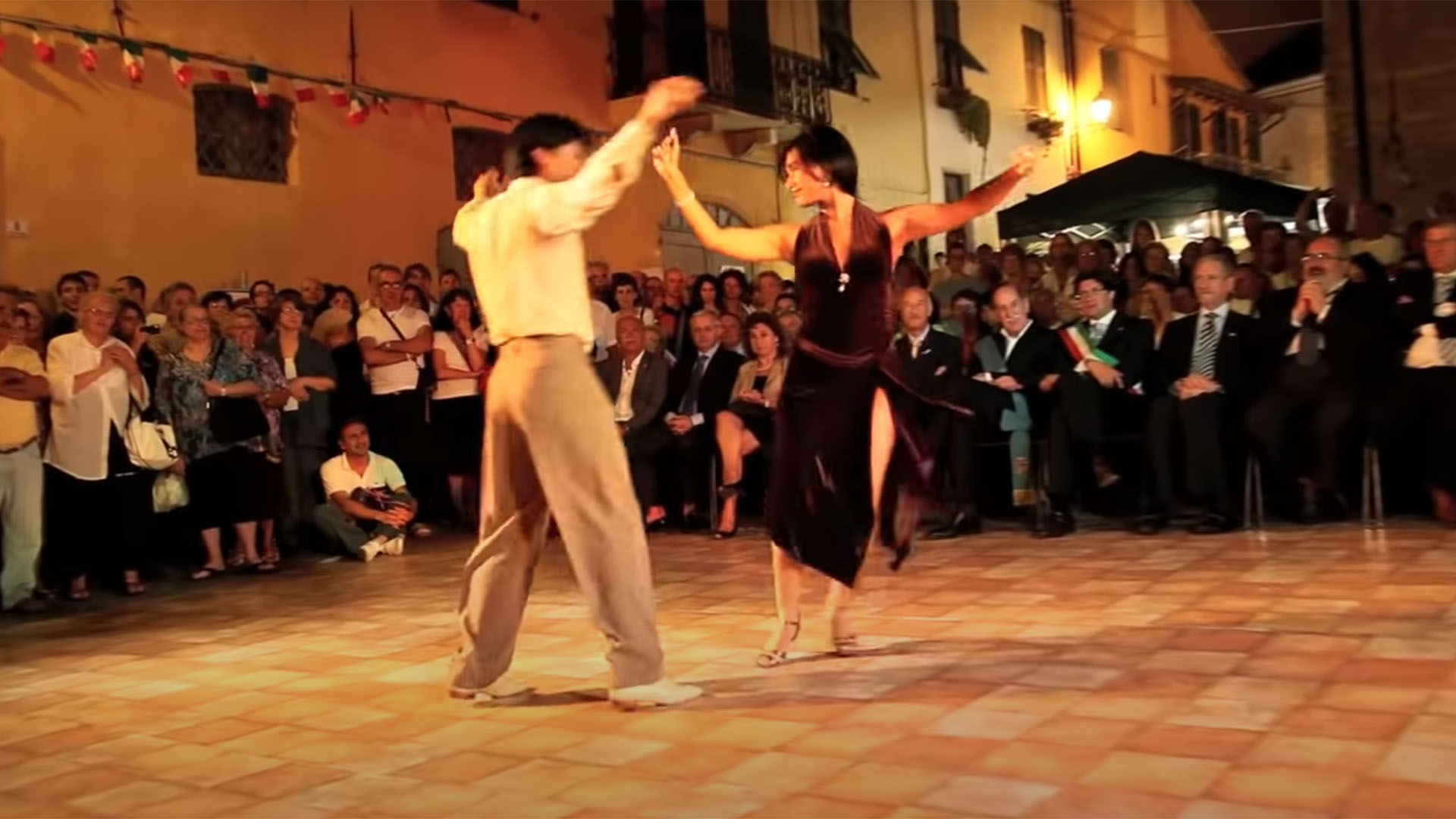
Originating in the late 19th-century suburbs and working-class neighborhoods of Buenos Aires and Montevideo, tango is Argentina’s most internationally renowned cultural export. Born in the conventillos (tenement houses) where immigrants, compadritos, and local populations mingled, tango evolved from a marginalized dance of the lower classes into a sophisticated global art form.
Tango is characterized by its intense emotional expression, close embrace, intricate footwork, and profound improvisation. Unlike many partner dances that rely on rigid step patterns, traditional tango operates as a physical conversation between leader and follower, guided by the music's cadence and the couple's shared center of balance.
Styles of Tango
- Tango de Salón (Social Tango): Emphasizes connection, floor craft, and navigation within a crowded dance floor (milonga). Steps are kept within the dancer's personal space to respect other couples.
- Tango Nuevo (New Tango): Emerged in the late 20th century, focusing on structural analysis of movement, open embraces, and linear or circular dynamics that allow for more complex kinetic pathways.
- Stage Tango (Tango Escenario): Designed for theatrical performances, incorporating elements of ballet, acrobatic lifts, and dramatic flourishes tailored for audiences.
The musical foundation of tango relies heavily on the bandoneón—a complex concertina introduced from Germany—which provides the melancholic, soaring melodies that define the genre. Today, practitioners gather in traditional venues called milongas to dance social tango late into the night, adhering to a strict code of etiquette known as the código milonguero.
Traditional Folkloric Dances of the Regions
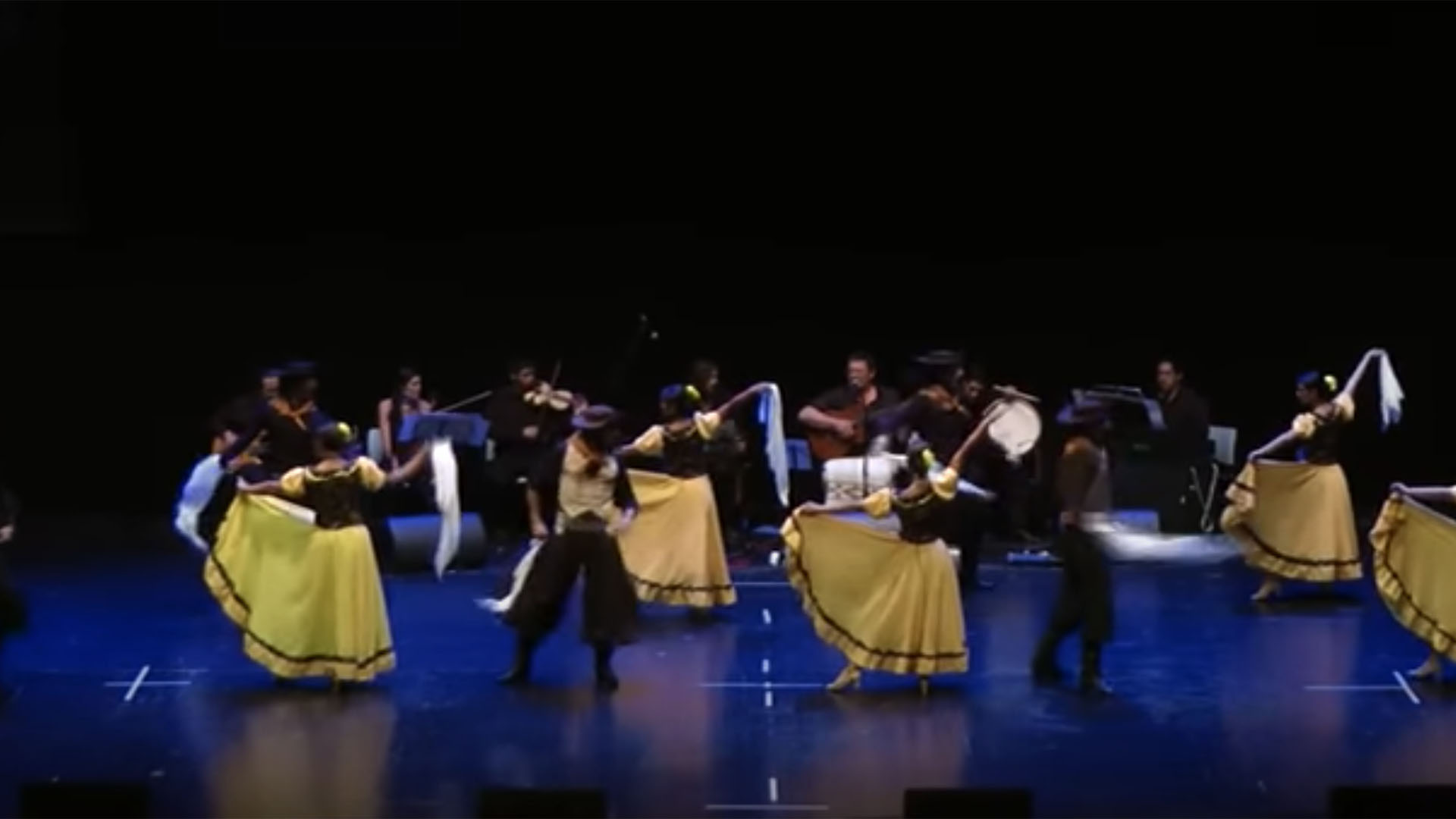
Beyond the urban sprawl of Buenos Aires lies a vast interior rich with distinct folkloric dances. These styles reflect the rural lifestyle, courtship rituals, and historical narratives of the countryside (el campo) and provincial towns. Unlike the introspective melancholy of tango, Argentine folkloric dances are generally celebratory, highly energetic, and characterized by the use of props such as handkerchiefs (pañuelos) and castanets.
The Chacarera
Originating in Santiago del Estero, the chacarera is a lively, upbeat courtship dance performed in pairs or groups (conjunto). Dancers execute rhythmic stomping (zapateo for men) and skirt-flirting steps (zarandeo for women) while moving in circular and linear patterns around each other. The music features driving acoustic guitars, the bombo legüero (a traditional wooden drum), and the violin.
The Gato
The gato is a playful, brisk dance found throughout most of Argentina. It mimics the graceful, agile movements of a cat pursuing a mate. Dancers perform quick footwork and sudden pauses, during which the male dancer playfully corners his partner before she eludes him with a swift turn.
The Zamba
In stark contrast to the energetic chacarera, the zamba is a slow, deeply romantic folkloric dance characterized by the graceful waving of white handkerchiefs. Originating from the Andean-influenced northern provinces, the zamba represents a stylized pursuit where the male dancer attempts to win the affections of the female partner through respectful, sweeping gestures and gentle eye contact.
| Dance Style | Region of Origin | Primary Musical Instruments | Defining Characteristic |
|---|---|---|---|
| Tango | Buenos Aires / Río de la Plata | Bandoneón, piano, double bass | Close embrace, improvisation, melancholic mood |
| Chacarera | Santiago del Estero | Bombo legüero, acoustic guitar, violin | High energy, rhythmic stomping (zapateo), circular formations |
| Gato | Central and Northern Provinces | Guitar, percussion | Playful courtship, quick footwork, sudden dramatic pauses |
| Zamba | Northwest Argentina | Guitar, charango, bombo | Slow tempo, use of white handkerchiefs, romantic narrative |
Contemporary and Modern Dance Movements
While traditional styles command deep historical reverence, Argentina also hosts a thriving contemporary and modern dance scene. Institutions like the Taller de Danza Contemporánea del Teatro San Martín in Buenos Aires have cultivated generations of choreographers and dancers who push the boundaries of physical expression.
Contemporary dance in Argentina often engages directly with the nation’s complex socio-political history, incorporating themes of memory, identity, and human rights. Dancers frequently blend classical ballet techniques with floor work, release-technique principles, and elements borrowed from traditional Argentine forms. Furthermore, the global rise of urban street dance genres—such as hip-hop, breaking, and reggaeton—has found a passionate following among younger generations in major metropolitan centers like Córdoba, Rosario, and Buenos Aires, creating dynamic fusion classes that blend Latin rhythms with street aesthetics.
Practical Guide for Experiencing Dance in Argentina
For travelers and enthusiasts looking to immerse themselves in Argentina's dance culture, understanding local customs and access points ensures a rewarding experience. Whether your goal is to learn the basics of tango or witness authentic folkloric performances, preparation is key.
Where to Experience Tango
- Milongas: Traditional social dance halls operating in neighborhoods like San Telmo, Almagro, and Palermo. Venues such as La Viruta or Salón Canning offer beginner classes followed by open social dancing.
- Tango Dinner Shows: Commercial venues offering polished theatrical performances accompanied by traditional dining. Recommended for spectators seeking high-production stage tango rather than participatory social dancing.
Where to Experience Folkloric Dance
- Peñas Folklóricas: Community-driven clubs and restaurants—particularly prominent in provinces like Salta, Córdoba, and Santiago del Estero—where live bands play acoustic music and patrons dance freely on wooden floors.
- National Festivals: Major annual events like the Festival Nacional de Folklore de Cosquín in Córdoba showcase the nation's premier folkloric dance companies and musicians.
Practical Tips for Learners
- Etiquette: In milongas, invitations to dance are traditionally extended using the cabeceo—a subtle nod and eye contact from across the room. Verbal refusals are rare; it is customary to accept or politely decline with a reciprocal nod.
- Attire: Social tango venues generally favor smart-casual or elegant attire. Footwear should feature smooth leather or suede soles to allow for pivots and turns without sticking to the floor.
- Instruction: Private academies (escuelas de tango) and independent instructors offer private lessons (clases particulares) and group workshops (colectivas), making it easy for visitors to acquire fundamental techniques regardless of prior experience.
Frequently Asked Questions
What is the difference between tango and folkloric dances in Argentina?
Tango is an urban dance born in the ports of the Río de la Plata, characterized by an intense, improvisational close embrace and themes of urban nostalgia. Folkloric dances, such as the chacarera and zamba, originate from the rural interior and provinces, focusing on community celebration, courtship narratives, and the use of props like handkerchiefs.
Do I need a partner to take tango classes in Buenos Aires?
No, partner rotation is standard practice in most beginner group classes and academies in Argentina. Instructors routinely pair solo travelers and individual attendees, ensuring everyone has an opportunity to practice both leading and following roles.
What should I wear to a traditional milonga in Buenos Aires?
Most milongas maintain a smart-casual or elegant dress code. Men typically wear slacks and collared shirts, while women wear dresses, skirts, or tailored trousers paired with dance shoes featuring smooth soles for ease of movement.
Are children allowed in traditional dance venues?
While late-night milongas in urban centers are generally geared toward adults, folkloric peñas and community festivals are family-friendly environments where children actively participate in traditional dances from a young age.
How can I find authentic peñas outside of Buenos Aires?
Visiting provincial capitals such as Salta, Córdoba, or Tucumán provides the best access to authentic peñas. Local tourism offices publish weekly schedules of live music venues, and asking local residents for recommendations typically leads to neighborhood spots rather than tourist-centric establishments.
Immerse yourself fully in Argentina's kinetic heritage by attending a neighborhood milonga in Buenos Aires or joining a lively regional peña in the northern provinces to experience firsthand the living traditions that shape the nation's cultural soul.
Image Gallery