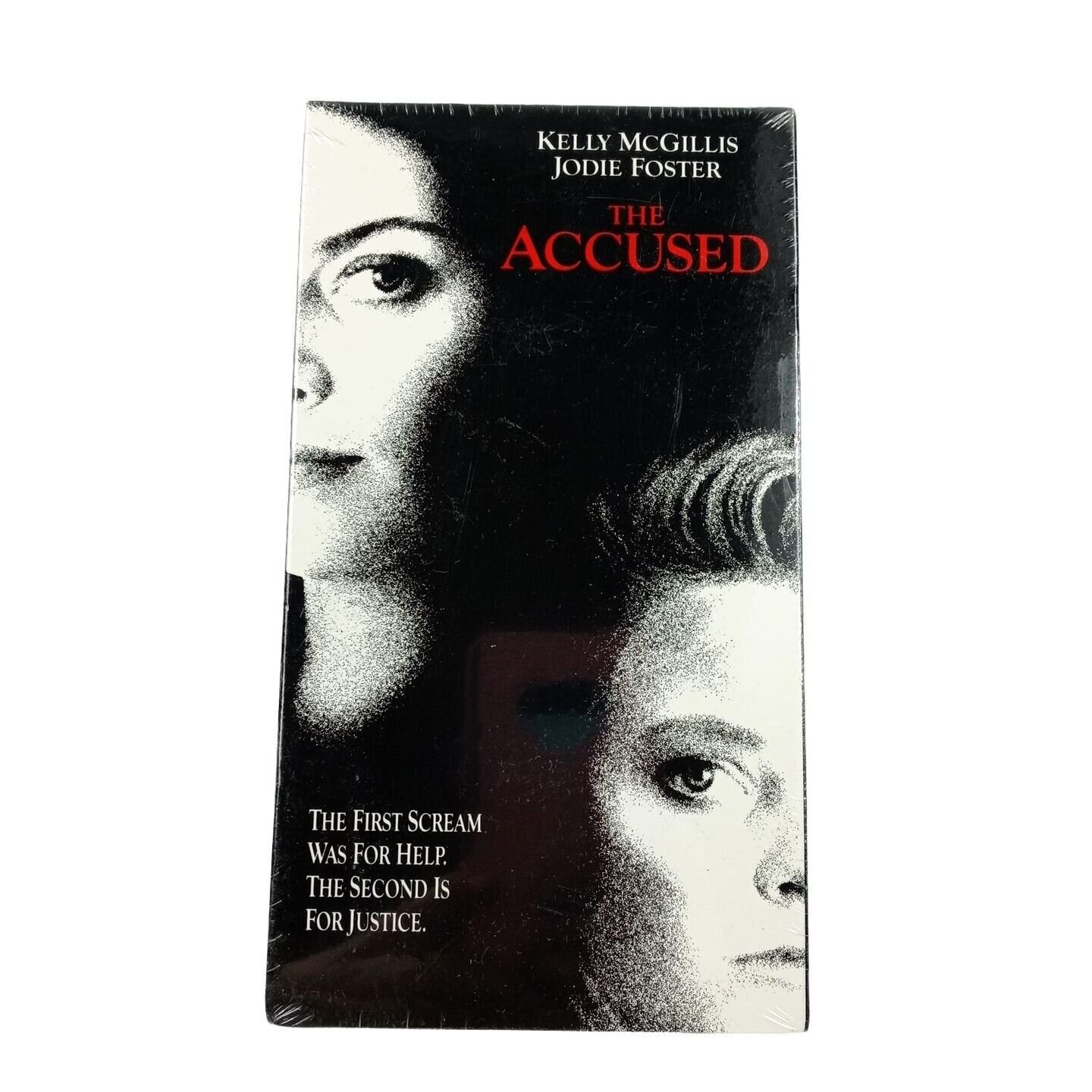
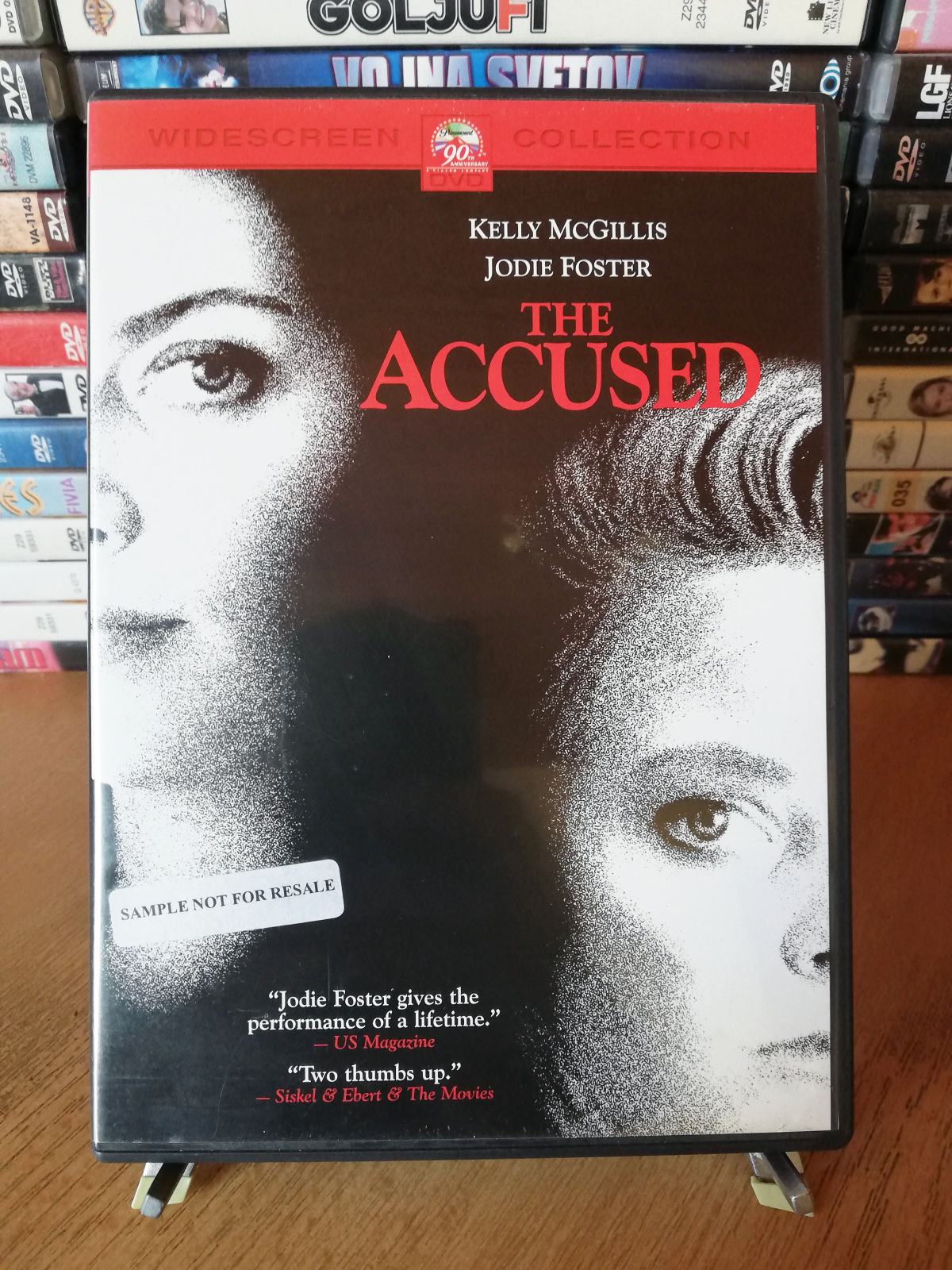
What Role Does Jodie Foster Play in The Accused?
In the 1988 legal drama The Accused, Jodie Foster plays Sarah Tobias, a working-class waitress who survives a brutal gang rape in a local tavern. The role showcases her struggle with trauma and victim-blaming, alongside her fight for j...
In the 1988 legal drama The Accused, Jodie Foster plays Sarah Tobias, a working-class waitress who survives a brutal gang rape in a local tavern. The role showcases her struggle with trauma and victim-blaming, alongside her fight for justice as prosecutor Kathryn Murphy pursues legal action against both her attackers and the onlookers who incited the crime.
Contents
Character Profile: Who Is Sarah Tobias?
Sarah Tobias is the central figure of The Accused. Unlike traditional Hollywood depictions of victims from that era, Sarah is presented as a complex, flawed, and defiant individual. She works as a waitress, lives in a trailer park, wears provocative clothing, and uses drugs and alcohol. These traits make her character vulnerable not only to her attackers but also to systemic biases within the legal system.
- Mill Tavern Assault
- Kathryn Murphy Plea Bargain
- Plea reduces charges without consent
- Sarah Demands Justice
- Landmark Trial of Bystanders/Encouragers
Director Jonathan Kaplan and screenwriter Tom Topor deliberately avoided portraying Sarah as an "ideal victim." In the late 1980s, legal proceedings and public opinion frequently scrutinized a victim's lifestyle, attire, and past behavior. By creating a character who does not fit a sanitized stereotype, the film highlights how institutional justice often fails those who do not conform to societal standards of respectability.
Foster's performance portrays Sarah's resilience alongside her emotional vulnerability. Following the assault, Sarah experiences post-traumatic stress, anger, and betrayal—particularly when the legal system prioritizes expediency over accountability. Her character's demand to be heard drives the narrative from a story of victimization into a precedent-setting legal fight.
The Narrative Arc: From Trauma to the Courtroom
The narrative of The Accused follows Sarah Tobias through three distinct phases: the assault, the initial legal betrayal, and the secondary trial that challenges legal precedent.
1. The Incident at the Mill Tavern
The film opens in the immediate aftermath of an assault at the Mill Tavern, a local bar. Sarah, distressed and injured, escapes the scene and seeks emergency medical care. The narrative eventually reveals through testimony that Sarah was gang-raped on a pinball machine while a crowd of onlookers cheered and encouraged the perpetrators.
2. The Plea Deal and Institutional Betrayal
Assistant District Attorney Kathryn Murphy (played by Kelly McGillis) takes on Sarah's case. However, Murphy doubts whether a jury will convict the perpetrators of first-degree rape due to Sarah's intoxication, her flirtatious behavior earlier in the evening, and her prior defense history. Seeking a guaranteed conviction, Murphy accepts a plea deal reducing the charges to reckless endangerment, carrying lighter prison sentences.
Sarah views this deal as a profound betrayal. She confronts Murphy, arguing that the plea bargain effectively excuses the assault and blames her for what happened. This confrontation shifts Murphy's perspective and prompts a re-examination of the case.
3. Prosecuting the Bystanders
Unable to retry the primary rapists due to double jeopardy protections attached to the accepted plea deal, Murphy identifies a novel legal strategy: prosecuting the men who cheered, egged on, and incited the rapists. The state charges these spectators with criminal solicitation (aiding and abetting sexual assault).
During this second trial, Sarah takes the stand. Her testimony, combined with the deposition of an reluctant witness (Ken Joyce, played by Bernie Coulson), provides the testimony necessary to demonstrate that the onlookers actively facilitated the crime. The jury returns guilty verdicts against the encouragers, delivering a measure of justice and establishing a public record of accountability.
Real-World Inspiration: The Cheryl Araujo Case
The screenplay for The Accused was inspired by the 1983 gang rape of Cheryl Araujo at Big Dan's Tavern in New Bedford, Massachusetts.
| Category | Details |
|---|---|
| Event | 21-year-old mother assaulted at Big Dan's Tavern. |
| Public Reaction | Severe victim-blaming; community hostility. |
| Legal Outcome | Multiple men convicted of aggravated rape. |
| Impact | Catalyzed media debate on victim privacy and court coverage. |
The real-world event gained national media coverage due to the brutality of the crime and the report that patrons in the bar stood by without intervening. Key parallels and adaptations include:
- Victim Blaming: In both the real case and the film, the survivor faced severe public backlash. Araujo was criticized in her community, leading her to move away from New Bedford. In The Accused, Sarah Tobias faces similar hostility from acquaintances and defense attorneys.
- Courtroom Broadcasts: The Big Dan's Tavern trial was one of the first live televised trials in the United States. This exposure led to discussions about protecting the identity of sexual assault survivors, influencing subsequent legal policies regarding broadcast standards in sensitivity-sensitive trials.
- Legal Strategy: While the film invented the specific secondary trial regarding bystander solicitation for dramatic focus, the core issue of bystander inaction and encouragement matched the testimony presented in the 1984 New Bedford trials.
Critical Acclaim and Oscar Victory
Jodie Foster’s portrayal of Sarah Tobias marked a major milestone in her acting career. Prior to The Accused, Foster was largely recognized for her work as a child actor in films such as Taxi Driver (1976) and Bugsy Malone (1976), as well as her studies at Yale University. The Accused established her transition into complex adult dramatic roles.
At the 61st Academy Awards in 1989, Jodie Foster won the Academy Award for Best Actress. Her performance was praised for its raw emotional honesty and refusal to seek easy sympathy.
- 1976: Early Recognition
- Taxi Driver
- Child/Teen Roles
- 1988: Dramatic Breakthrough
- The Accused (Sarah Tobias)
- Critical Acclaim
- 1989: Award Recognition
- Academy Award for Best Actress
- Golden Globe Award (Best Actress)
In addition to the Oscar, Foster earned:
- Golden Globe Award for Best Actress in a Motion Picture – Drama.
- National Board of Review Award for Best Actress.
- BAFTA Nomination for Best Actress in a Leading Role.
The critical and commercial success of The Accused paved the way for Foster's subsequent lead role as Clarice Starling in The Silence of the Lambs (1991), for which she won her second Academy Award.
Key Characters and Cast in The Accused
The effectiveness of Sarah Tobias's story relies on the ensemble cast surrounding her legal fight.
| Character | Actor | Role in Narrative | Legal / Narrative Function |
|---|---|---|---|
| Sarah Tobias | Jodie Foster | Assault survivor and protagonist | Challenges systemic victim-blaming; primary witness in bystander trial. |
| Kathryn Murphy | Kelly McGillis | Assistant District Attorney | Initially accepts plea deal; later prosecutes the inciters for solicitation. |
| Cliff "Scorpion" Albrecht | Leo Rossi | Primary assailant / agitator | Instigates the violence at the Mill Tavern; serves as a key defendant. |
| Ken Joyce | Bernie Coulson | College student / spectator | Witness who witnessed the assault; struggles with conscience and testifies. |
| Sally Fraser | Ann Hearn | Sarah’s best friend | Provides personal support; illustrates the social pressures on working-class women. |
| Paul Rudolph | Stephen E. Miller | Mill Tavern bartender | Fails to intervene or call authorities; exemplifies bystander apathy. |
Thematic Analysis: Legal and Social Impacts
The Accused remains an important film in American cinema history due to its examination of systemic issues surrounding sexual violence, class, and the law.
1. Challenging the "Ideal Victim" Stereotype
Before The Accused, mainstream cinema rarely portrayed sexual violence survivors who did not fit traditional victim profiles. Sarah Tobias smokes, drinks, flirts, and lives an unpolished lifestyle. The film explicitly argues that a survivor's moral reputation, personal choices, or clothing do not constitute consent, nor do they waive their right to bodily autonomy under the law.
2. Legal Concept of Criminal Solicitation and Aiding/Abetting
The central legal focus of the film—prosecuting onlookers who encouraged the assault—highlighted the legal concept of accomplice liability and criminal solicitation.
| Type | Description |
|---|---|
| Passive Inaction | Failing to assist (generally not criminal). |
| Active Incitement | Cheering/soliciting (prosecuted in film). |
| Direct Commission | Executing the physical crime. |
While simple failure to assist a victim (passive inaction) is generally not illegal under U.S. common law absent a special duty of care, actively cheering, encouraging, or facilitating a crime converts a passive spectator into an active participant (inciter/abettor). The Accused brought this distinction to public awareness.
3. Class Bias in the Judicial System
The film contrasts Sarah Tobias's working-class background with the middle-class professional environment of prosecutor Kathryn Murphy and defense attorneys. Sarah’s testimony is initially devalued by prosecutors who assume a jury will judge her negatively based on her socioeconomic status. The resolution of the case requires the legal system to acknowledge its own class biases.
Frequently Asked Questions
What award did Jodie Foster win for The Accused?
Jodie Foster won the Academy Award for Best Actress at the 61st Academy Awards (1989) for her role as Sarah Tobias. She also won a Golden Globe Award for Best Actress in a Motion Picture – Drama.
Is Sarah Tobias in The Accused a real person?
No, Sarah Tobias is a fictional character. However, her character and the events of The Accused were inspired by Cheryl Araujo, who survived a 1983 gang rape at Big Dan's Tavern in New Bedford, Massachusetts.
Who plays the attorney representing Sarah Tobias?
Kelly McGillis plays Assistant District Attorney Kathryn Murphy, who represents the prosecution and tries the legal case on behalf of the state.
Why is the trial in The Accused focused on the bystanders?
The prosecutor accepted a plea bargain that reduced the charges against the primary attackers, preventing them from being retried for rape due to double jeopardy protection. To achieve justice, prosecutor Kathryn Murphy filed charges against the crowd members who cheered and incited the attack under criminal solicitation laws.
What is the maturity rating and content context of The Accused?
The Accused is rated R. It contains intense sequences of sexual violence, explicit language, and adult themes related to post-traumatic stress and legal proceedings.
Recommended Viewing Context and Educational Utility
For film historians, law students, and researchers examining media representations of crime and justice:
- Pairing with Legal Studies: The Accused serves as a case study for discussions on victimology, accomplice liability, prosecutorial discretion, and plea bargaining ethics.
- Evolution of Jodie Foster's Career: Viewing The Accused alongside Taxi Driver (1976) and The Silence of the Lambs (1991) illustrates Foster's evolution in portraying resilient characters facing systemic adversity.
- Media Ethics & Victim Privacy: Comparing the film to documentary coverage of the 1983 Big Dan's Tavern trial highlights how public broadcast standards and privacy protections for crime survivors evolved in late 20th-century American journalism.
Image Gallery