Andre the Giant: A Legend Beyond Size
André the Giant, born André René Roussimoff, remains one of the most recognizable figures in modern entertainment history. Beyond his legendary physical dimensions—billed at 7 feet 4 inches and over 500 pounds—he redefined professional...
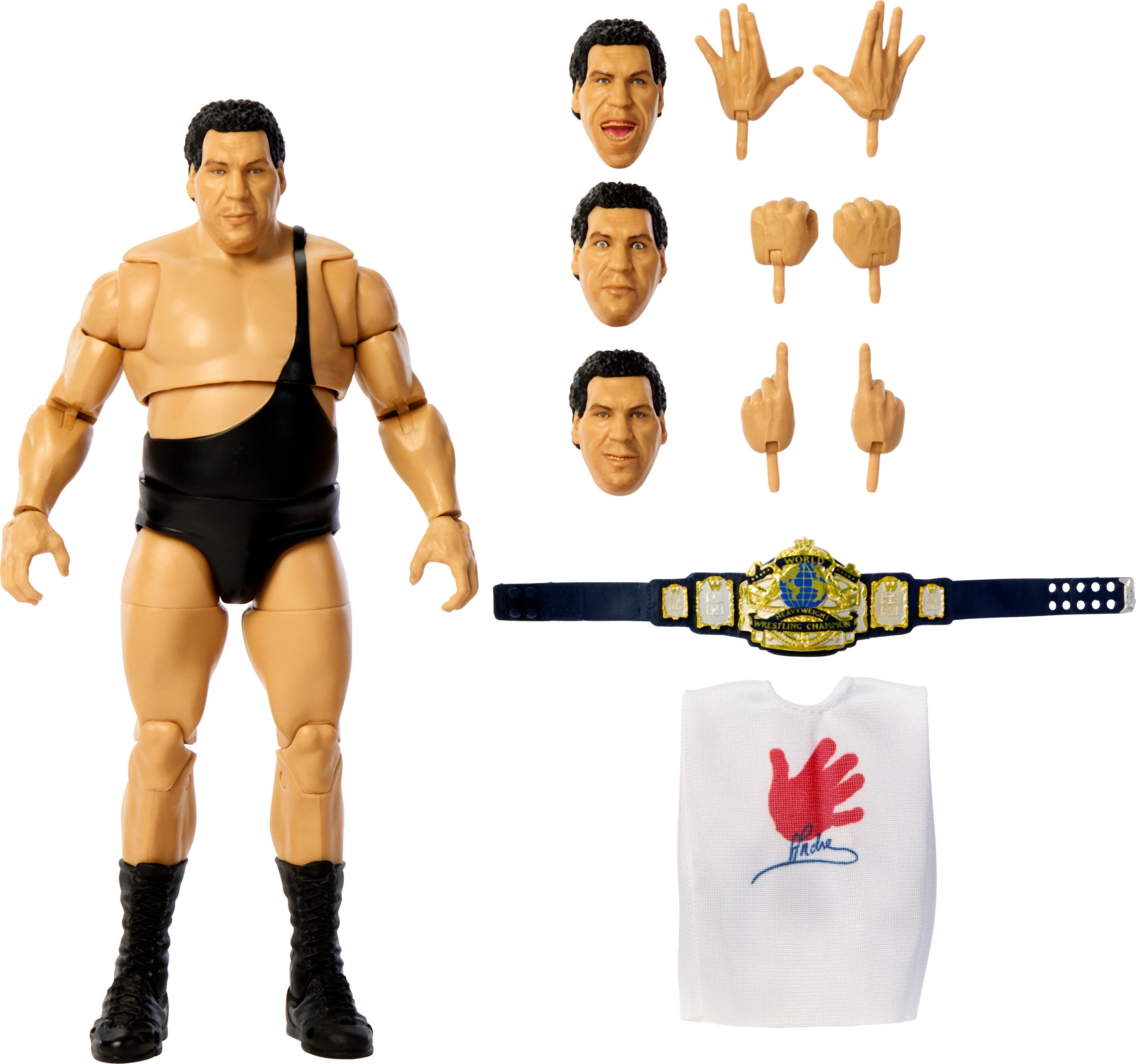
André the Giant, born André René Roussimoff, remains one of the most recognizable figures in modern entertainment history. Beyond his legendary physical dimensions—billed at 7 feet 4 inches and over 500 pounds—he redefined professional wrestling as an international attraction, achieved mainstream cinematic fame in The Princess Bride, and left a lasting cultural imprint that endures decades after his passing.
Contents
Early Life and the Biological Reality of Acromegaly
André René Roussimoff was born on May 19, 1946, in Coulommiers, France, and raised in the rural commune of Molien. As a child, Roussimoff displayed normal growth patterns during his early years, but by early adolescence, his physical development accelerated rapidly due to an undiagnosed endocrine disorder.
Understanding Pituitary Gigantism and Acromegaly
The underlying cause of Roussimoff's extraordinary physical growth was acromegaly, a rare hormonal disorder caused by a benign tumor (adenoma) on the pituitary gland. When this adenoma hypersecretes human growth hormone (hGH) prior to the fusion of long bone epiphyseal plates, it causes pituitary gigantism. Continued growth hormone oversecretion into adulthood leads to acromegaly, characterized by:
- Skeletal hyperostosis: Progressive enlargement of the bones in the hands, feet, jaw, and cranium.
- Soft tissue hypertrophy: Thickening of the skin, tongue, vocal cords, and internal organs, particularly the heart (cardiomegaly).
- Joint pain and neuropathy: Severe strain on articular cartilage, leading to premature osteoarthritis and nerve compression.
By age 14, Roussimoff stood over 6 feet 3 inches tall and weighed more than 200 pounds. Despite his massive frame, he excelled at manual labor on his family farm and worked as a wooden woodworking apprentice. His physical size quickly attracted the attention of local wrestling promoters in Paris, prompting his move to the capital at age 18 to pursue a full-time career in professional wrestling.
The Professional Wrestling Phenomenon
In the 1960s, Roussimoff began his professional wrestling training under local French promoters, performing under names such as "Géant Ferré" (in reference to a French legendary hero). He quickly gained notoriety across Europe, Australia, and Japan, wrestling under the moniker "Monster Roussimoff" for the International Wrestling Enterprise (IWE) in Japan.
Early Career (France/Japan) ➔ Rebranding by McMahon Sr. ➔ Global "Special Attraction" Status ➔ WrestleMania III Peak
Rebranding by Vince McMahon Sr. and the "Special Attraction" Model
Roussimoff’s global career transformed when he met Vincent J. McMahon, head of the World Wide Wrestling Federation (WWWF, later WWF). McMahon recognized that overexposing a performer of Roussimoff's stature in a single regional territory would diminish his novelty and drawing power. McMahon instituted a calculated promotional strategy:
- Name Change: Rebranding Roussimoff as André the Giant.
- Ring Presentation: Emphasizing his agility and athletic maneuvers (such as dropkicks) early in his career, alongside his unmovable stature.
- Territory Touring: Leasing André to regional promoters across the National Wrestling Alliance (NWA) and American Wrestling Association (AWA) territories for brief, high-impact runs.
This booking approach protected André's aura of invincibility. For over a decade during the 1970s and early 1980s, André was marketed as completely undefeated by pinfall or submission, elevating him to the highest-paid professional wrestler of his era.
The Iconic Clash at WrestleMania III
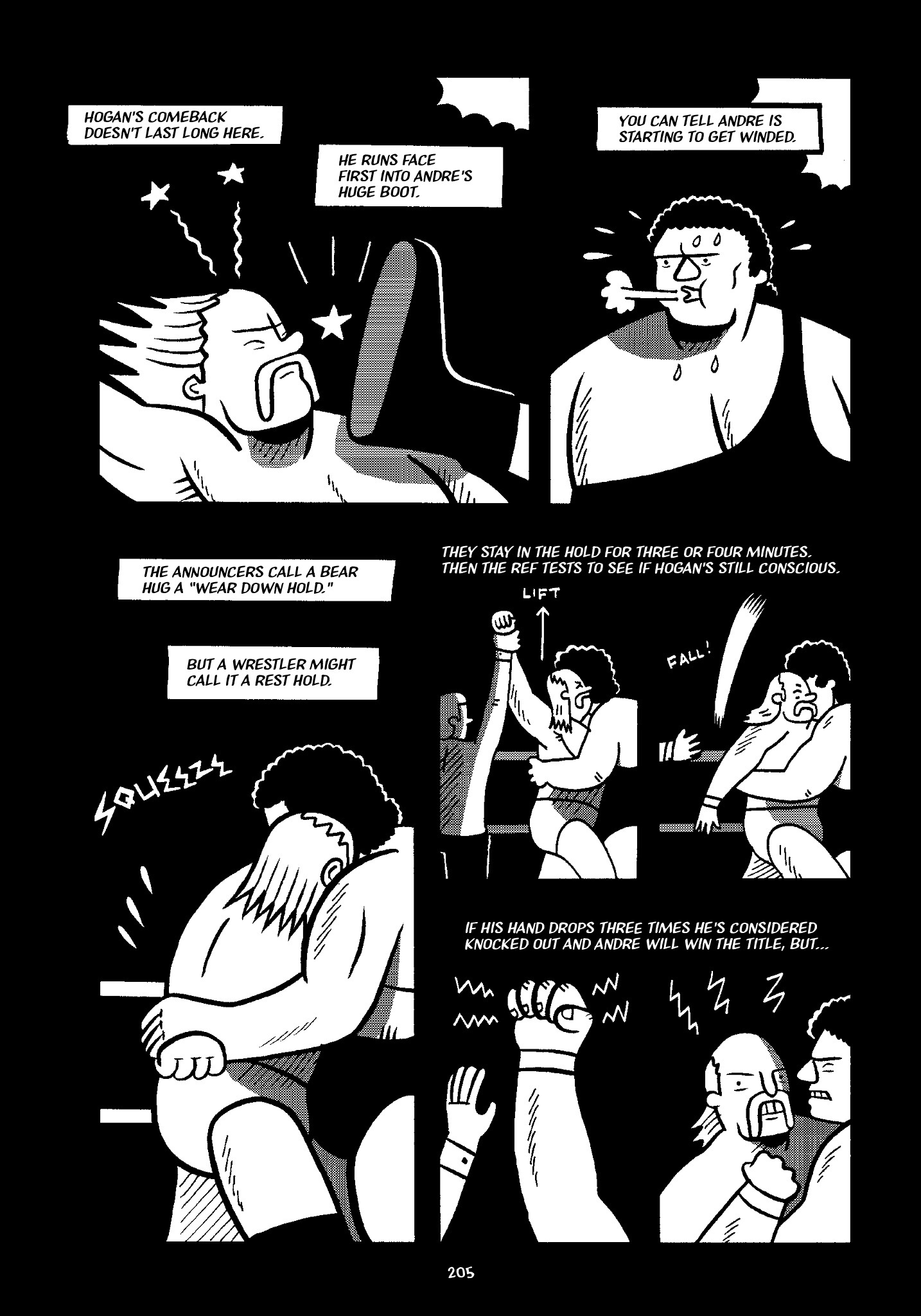
By 1987, decades of carrying immense weight had caused severe deterioration in André’s spine, knees, and hips. Despite requiring major back surgery months prior, he agreed to turn "heel" (villainous character) to anchor the narrative peak of the 1980s wrestling boom: a match against WWF World Heavyweight Champion Hulk Hogan at WrestleMania III on March 29, 1987.
Held at the Pontiac Silverdome in Michigan, WrestleMania III drew an announced crowd of 93,173 fans. The match featured Hogan executing his famous body slam on the 500-plus-pound André, followed by a leg drop to secure the pinfall. This event served as a pivotal torch-passing moment in wrestling history, cementing Hogan's position as a global pop-culture star while highlighting André's selflessness in elevating the industry that had given him a livelihood.
Beyond the Ring: Hollywood and Pop Culture Immortality
André the Giant’s fame extended well beyond the boundaries of athletic theater. His distinctive voice, expressive facial features, and gentle demeanor off-camera made him a natural fit for television and film roles.
Fezzik in The Princess Bride
André’s most famous film appearance came in Rob Reiner’s 1987 classic fantasy-comedy The Princess Bride, based on the novel by William Goldman. Cast as the soft-hearted giant Fezzik, André performed alongside Cary Elwes, Robin Wright, and Mandy Patinkin.
Despite experiencing debilitating physical pain during production, André delivered a beloved performance known for its warmth, comedic timing, and charm. Co-stars frequently recounted his gentle temperament, generosity, and protective nature on set. His line delivery and chemistry with Patinkin’s character, Inigo Montoya, helped make the film a timeless cinematic masterpiece.
The "OBEY" Phenomenon and Visual Culture
In 1989, Rhode Island School of Design student Shepard Fairey created a sticker campaign titled "Andre the Giant Has a Posse," featuring a graphic depiction of André’s face alongside his billed dimensions.
[Shepard Fairey Street Art Sticker] ➔ [Evolution into "OBEY" Campaign] ➔ [Global Streetwear & Contemporary Art Symbol]
This guerrilla art initiative evolved into the globally recognized OBEY Giant brand. The iconic imagery transformed André’s likeness into an enduring motif of contemporary street art, visual culture, and socio-political commentary, proving his image retained cultural resonance long after his wrestling career concluded.
The Physical Price of Immense Stature
The severe biological consequences of untreated acromegaly shaped the final decade of Roussimoff’s life. Because growth hormone overproduction was not medicalized or surgically intervened upon early enough, the mechanical stress on his skeletal framework caused chronic suffering.
Health Challenges and Personal Circumstances
Daily life presented constant physical and social obstacles:
- Mobility Limitations: Severe spinal arthritis and joint degradation required him to use walking canes and wheelchairs off-camera during his final years.
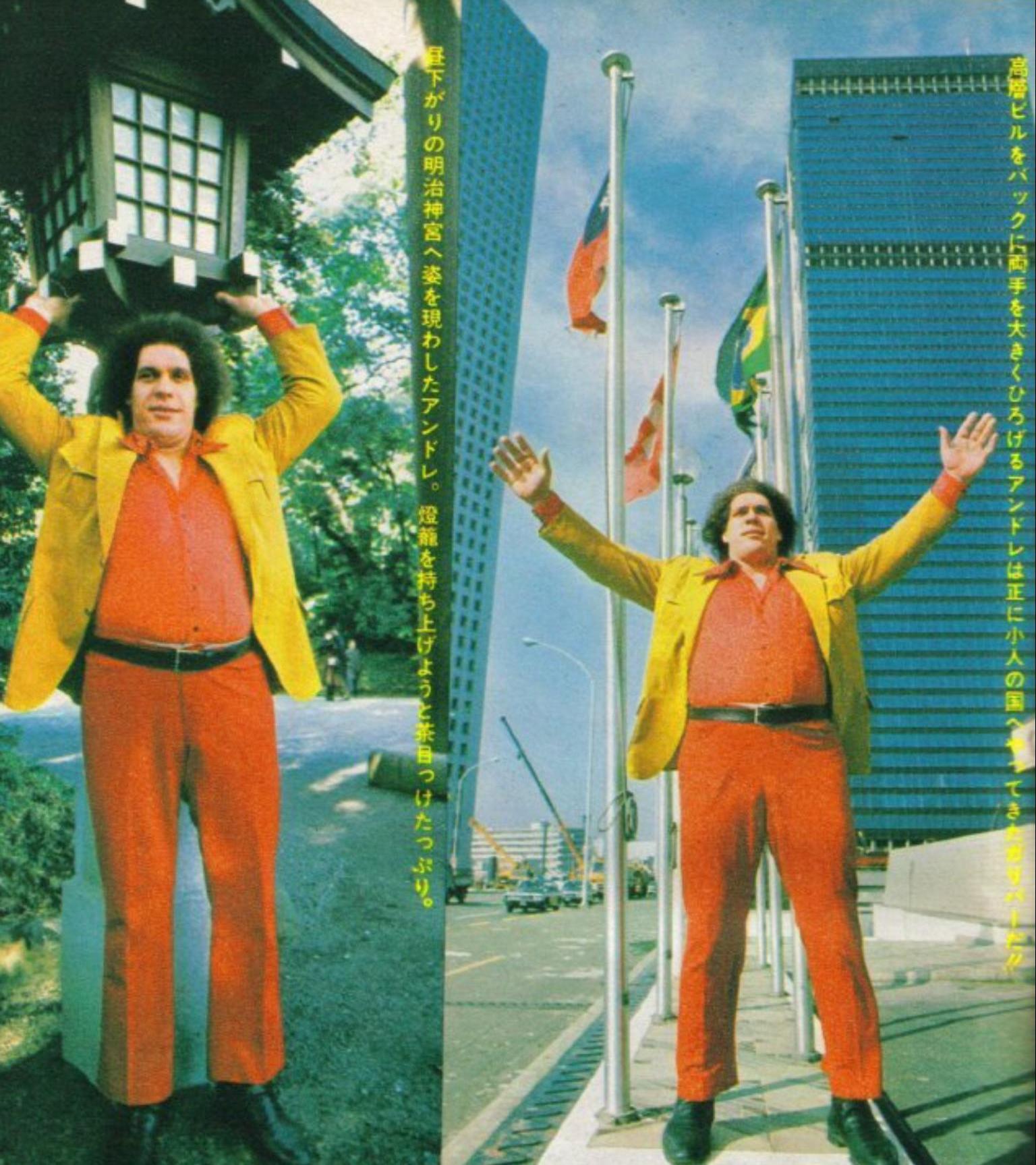
- Infrastructure Mismatch: Standard vehicles, airplanes, hotel beds, and household furniture could not accommodate his dimensions, requiring custom accommodations whenever he traveled.
- Cardiovascular Strain: Cardiomegaly—enlargement of the heart associated with excess growth hormone—put immense strain on his circulatory system.
Despite medical advice recommending operations that might have slowed his condition, Roussimoff frequently declined aggressive medical interventions, suspecting they might alter his appearance and diminish his ability to earn a living in the ring.
Passing and Legacy
On January 28, 1993, André René Roussimoff died in his sleep from congestive heart failure in a Paris hotel room at the age of 46. He had traveled to France to attend his father's funeral.
In recognition of his immense contributions to the industry, the WWF established the WWF Hall of Fame later in 1993, naming André the Giant as its inaugural and sole inductee that year. In 2014, WWE introduced the annual Andre the Giant Memorial Battle Royal at WrestleMania, ensuring his memory remains a yearly focal point for wrestling fans worldwide.
Career Milestones and Physical Profile
The following table summarizes key biological markers, career achievements, and media highlights of André the Giant's life:
| Category | Key Metric / Detail | Historical Context & Significance |
|---|---|---|
| Full Legal Name | André René Roussimoff | Born May 19, 1946; Passed January 28, 1993. |
| Billed Height & Weight | 7 ft 4 in (224 cm) / 520 lb (236 kg) | Actual peak height estimated between 7 ft 0 in and 7 ft 2 in due to spinal compression. |
| Primary Medical Condition | Acromegaly / Pituitary Gigantism | Resulted from a pituitary adenoma hypersecreting human growth hormone (hGH). |
| Professional Wrestling Debut | 1964 (Paris, France) | Performed initially as "Géant Ferré" in Europe and "Monster Roussimoff" in Japan. |
| Major Title Achievements | WWF World Heavyweight Champion (1x), WWF Tag Team Champion (1x) | Won the WWF Title from Hulk Hogan in February 1988 before surrendering it to Ted DiBiase. |
| Signature Film Role | Fezzik in The Princess Bride (1987) | Directed by Rob Reiner; widely praised for its emotional depth and comedic timing. |
| Hall of Fame Recognition | WWF Hall of Fame Class of 1993 | Sole charter inductee established following his death in January 1993. |
| Cultural Art Movement | "Andre the Giant Has a Posse" / OBEY | Created by Shepard Fairey in 1989; spawned a global visual arts and fashion brand. |
Frequently Asked Questions (FAQ)
What medical condition caused André the Giant to grow so large?
André the Giant had acromegaly, a disease caused by a benign tumor on the pituitary gland. The tumor caused the gland to overproduce human growth hormone (hGH). Because the condition began in his youth before his bone growth plates fused, it resulted in pituitary gigantism, causing extreme vertical growth and continued enlargement of bones and soft tissues throughout his life.
Was André the Giant ever truly undefeated in professional wrestling?
From a booking perspective, WWF promoted André as undefeated by pinfall or submission for over 15 years prior to WrestleMania III in 1987. While he had recorded losses earlier in his international career (such as double-countouts, disqualifications, or untelevised pinfall losses in Japan and regional territories), his loss to Hulk Hogan at WrestleMania III was presented as his first major definitive pinfall loss on American television.
How tall was André the Giant in reality?
While billed by wrestling promoters at 7 feet 4 inches, medical records and observations from contemporaries suggest his actual peak height was between 7 feet 0 inches and 7 feet 2 inches. In his later years, severe spinal curvature (kyphosis) and joint erosion reduced his standing height further.
Why did André the Giant turn down medical treatment for his acromegaly?
When André was diagnosed in his twenties, surgical options to remove pituitary tumors carried significant risks and were less advanced than modern procedures. Furthermore, André expressed concern that medical treatment might alter his physical appearance, which was the foundation of his career, livelihood, and identity as a worldwide attraction.
How did André the Giant manage travel with his extreme size?
Travel posed severe physical challenges for André. Commercial airlines required him to sit across multiple seats or in first-class spaces that were still uncomfortably tight. When traveling by car, promoters often used oversized vans equipped with custom seating. Hotel beds often had to be extended with extra mattresses to accommodate his length and weight.
What is the Andre the Giant Memorial Trophy?
Introduced by WWE in 2014 at WrestleMania XXX, the Andre the Giant Memorial Trophy is awarded to the winner of a massive, multi-man battle royal held around WrestleMania season each year. The trophy features a large statue of André in his iconic singlet pose, honoring his legacy as professional wrestling’s ultimate battle royal performer.
Recommended Resources and Further Exploration
For fans, historians, and researchers seeking verified archival material on André the Giant, the following resources provide deep historical context and documented accounts:
- Documentary Film: André the Giant (2018), produced by HBO Sports and directed by Jason Hehir, offers comprehensive interviews with family members, medical experts, actors, and professional wrestling historians.
- Official Archives: The WWE Hall of Fame maintains verified media, historical match footage, and career statistics covering his decades in professional wrestling.
- Medical Literature: For peer-reviewed insights into growth hormone disorders, consult the National Institute of Diabetes and Digestive and Kidney Diseases (NIDDK) resource pages on acromegaly and pituitary tumors.
- Biography Reading: Andre the Giant: Life and Legend by Box Brown (First Second Books), a graphic novel biography detailing Roussimoff's personal struggles, ring career, and artistic impact.
Image Gallery