Navigating Support and Recovery Resources for Texas Flood Survivors
When flood events occur in Texas, finding survivors and connecting them with essential recovery resources is the immediate priority for emergency management agencies and affected communities. Residents searching for information regardi...
When flood events occur in Texas, finding survivors and connecting them with essential recovery resources is the immediate priority for emergency management agencies and affected communities. Residents searching for information regarding missing persons, displacement assistance, or disaster recovery aid must utilize verified official channels to ensure accurate reporting and secure access to government-provided financial, medical, and housing support.
Contents
The Immediate Response: Locating Missing Persons
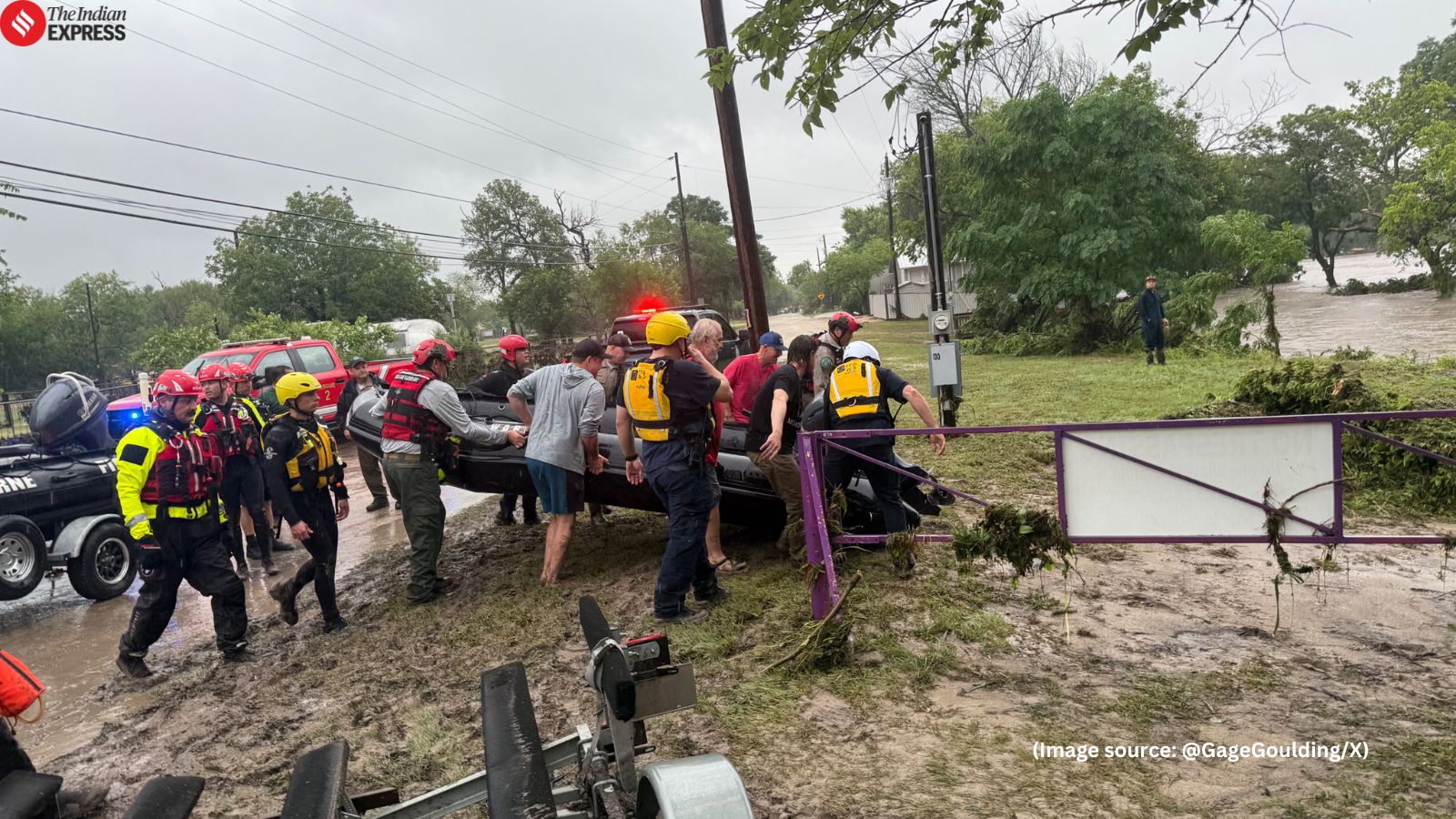
In the chaotic aftermath of a flood, the primary concern is the safety and location of family members and neighbors. Emergency services prioritize search and rescue operations based on real-time data from local law enforcement and the Texas Division of Emergency Management (TDEM).
If you are searching for a loved one following a flood event, you should first contact local police or the county sheriff’s office in the area where the person was last seen. These agencies maintain the most current records of welfare checks and rescues. Avoid relying on unverified reports from social media, which may propagate outdated information or misinformation.
Instead, leverage the American Red Cross "Safe and Well" portal or similar family reunification tools deployed during declared disasters. These platforms allow individuals to register their status, helping family members confirm their safety. If you are reporting a missing person, provide law enforcement with specific details: full name, last known location, physical description, and any critical medical needs.
Verifying Survivor Status and Displacement
Once the immediate danger has passed, the focus shifts to verifying the status of residents in impacted zones. Local authorities utilize a combination of aerial surveillance, door-to-door welfare checks, and community reporting to identify those displaced by rising waters.
For individuals who have been rescued or have relocated, it is vital to check in with local Disaster Recovery Centers (DRCs). These centers serve as hubs where survivors can verify their status with state and federal officials, ensuring they are accounted for in the broader disaster recovery efforts. Registering with the Federal Emergency Management Agency (FEMA) is a critical step for anyone who has lost their home or suffered significant property damage, as this registry serves as the official record for aid eligibility.
Disaster Assistance Eligibility and Requirements
Federal aid is generally contingent upon a Presidential Disaster Declaration. Once such a declaration is signed, Texas flood survivors can apply for the Individuals and Households Program (IHP). This program provides financial assistance and direct services to eligible individuals who have necessary expenses and serious needs that are not met by insurance or other forms of disaster assistance.
Essential Documentation for Applicants
To successfully process a claim for recovery aid, survivors must prepare specific documentation. Having these items organized expedites the verification process:
- Proof of Identity: A valid driver's license, passport, or military ID.
- Insurance Information: Policies covering home, vehicle, or flood damage.
- Proof of Residency: Utility bills, lease agreements, or property tax statements that verify the home was your primary residence at the time of the flood.
- Damage Assessment: Photos, video documentation, and itemized lists of damaged property.
- Financial Records: Bank account information for direct deposit of disaster relief funds.
Navigating the Recovery Process: A Comparative Overview
Understanding the distinction between different levels of support is essential for managing expectations and resources effectively. The following table outlines common sources of assistance for flood survivors in Texas.
| Resource Type | Primary Focus | Best Use Case |
|---|---|---|
| FEMA IHP | Housing and essential needs | Immediate shelter and basic repair funds |
| SBA Disaster Loans | Long-term recovery capital | Low-interest loans for home and business rebuilding |
| Red Cross | Immediate survival needs | Food, water, and emergency medical aid |
| Texas Health & Human Services | Ongoing social support | Disaster-related counseling and SNAP benefits |
The Role of the Small Business Administration (SBA)
Many survivors mistakenly believe that SBA aid is exclusively for business owners. In reality, the SBA provides low-interest, long-term disaster loans to homeowners and renters to repair or replace disaster-damaged real estate and personal property. These loans are often a more substantial source of recovery capital than standard government grants, particularly for those whose homes are not fully covered by private flood insurance.
Applying for an SBA loan is often a mandatory step in the recovery workflow, even if you are already working with FEMA. You do not necessarily have to accept the loan, but completing the application process is often a prerequisite for remaining eligible for other forms of federal disaster assistance.
Addressing Long-Term Recovery and Housing
For survivors whose homes have been destroyed or rendered uninhabitable, the transition to long-term housing is the most significant hurdle. The state of Texas works alongside local municipalities to manage temporary housing units, rental assistance programs, and structural repair initiatives.
If you are a survivor, engage with your case manager at the Disaster Recovery Center regularly. Changes in your financial situation, employment status, or health should be reported immediately, as these factors may alter your eligibility for specialized programs, such as Disaster Unemployment Assistance or medical assistance.
Troubleshooting Common Application Issues
Applicants frequently encounter delays due to incomplete or inconsistent information. Common pitfalls include:
- Duplicate Registrations: Attempting to register multiple times can flag your account for manual review, slowing down the process. Use one primary registration channel.
- Missing Correspondence: Monitor your mail and email closely for requests for additional documentation. Failure to provide requested evidence within the specified deadlines results in automatic denial.
- Insurance Mismatch: If your insurance settlement is pending, you must notify the supporting agency. Do not assume they have your current policy details.
Frequently Asked Questions
How can I find out if a family member has been processed as a flood survivor? Contact the local Office of Emergency Management in the county where the flooding occurred. They maintain the most accurate, centralized list of individuals currently in shelters or under government care.
What if I cannot prove my residency because my documents were destroyed in the flood? Agencies recognize that records are often lost. If you lack traditional proof of residency, you can often use a signed statement from a landlord, a neighbor’s corroboration, or documentation from utility companies that can verify your account history at that address.
Does FEMA provide funds for property that was not insured? FEMA assistance is designed to address gaps in coverage, not to act as a substitute for insurance. While some basic assistance may be available, you are strongly encouraged to contact your insurance provider immediately to file a claim, as that is the primary avenue for property compensation.
How long does it take to receive aid after registering? The timeline varies based on the scale of the disaster and the complexity of your case. Once your identity is verified and your damages are inspected, funds are typically disbursed via direct deposit within 7 to 14 business days, though complex claims can take significantly longer.
Where can I find mental health support after a flood? The Texas Department of State Health Services often activates the Disaster Distress Helpline. This service provides 24/7 crisis counseling for those struggling with the emotional toll of a natural disaster.
Taking the Next Steps
If you are currently displaced or seeking a survivor, your immediate action is to establish contact with the county-level emergency management office or visit the nearest Disaster Recovery Center. Recovery is a systematic process; by prioritizing your FEMA or state-level registration, you initiate the legal and financial protections necessary to secure your future. Ensure you keep copies of all correspondence and maintain a running log of communications with case managers to resolve any discrepancies that may arise during the recovery period.
Image Gallery