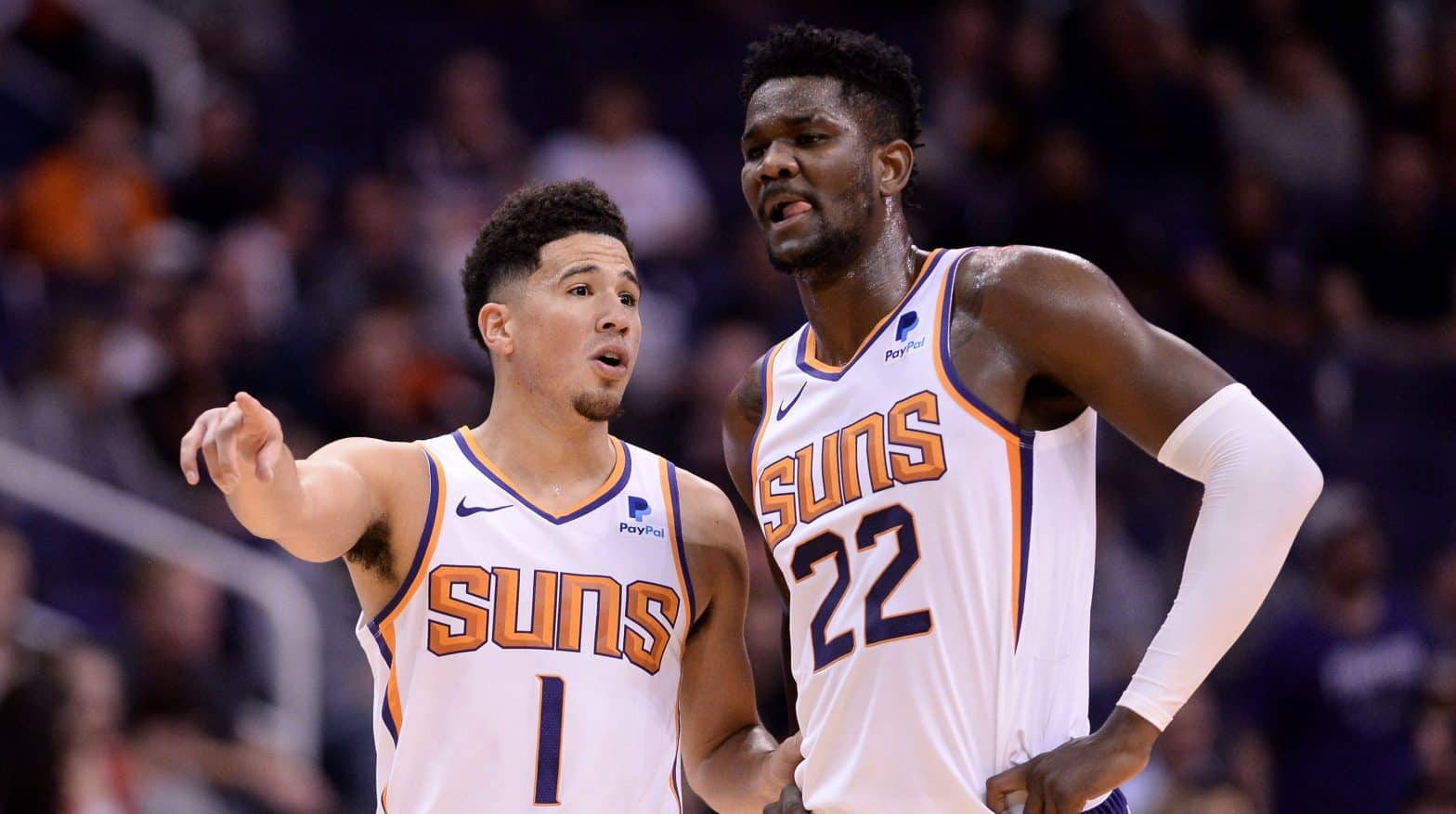
Phoenix Suns Championship History: NBA Finals Appearances, Eras, and Franchise Legacy
The Phoenix Suns have never won an NBA Championship, making them one of the most successful franchises in North American sports history without a league title. Since entering the NBA as an expansion team in 1968, the Suns have captured...
The Phoenix Suns have never won an NBA Championship, making them one of the most successful franchises in North American sports history without a league title. Since entering the NBA as an expansion team in 1968, the Suns have captured three Western Conference championships (1976, 1993, and 2021) and eight division titles, consistently remaining competitive across multiple eras.
Contents
Franchise Overview: The Pursuit of an NBA Title
Founded in 1968 as Arizona’s first major professional sports franchise, the Phoenix Suns established a reputation for high-octane offensive basketball, legendary individual talents, and sustained regular-season success. Despite holding one of the highest overall winning percentages in NBA history among teams without a title, the championship trophy has remained elusive.
The history of the Phoenix Suns is characterized by agonizing near-misses on basketball's largest stage. Across more than five decades in the National Basketball Association, the franchise has produced Hall of Fame players, multiple Regular Season Most Valuable Players (MVPs), and iconic head coaches. However, their postseason journeys have repeatedly run into historic dynasties, including John Havlicek’s Boston Celtics, Michael Jordan’s Chicago Bulls, and Giannis Antetokounmpo’s Milwaukee Bucks.
Understanding the Suns’ championship history requires examining their three NBA Finals appearances, their standard-setting Western Conference Final runs, and the structural factors that defined each era.
The Three NBA Finals Runs
The Phoenix Suns have reached the NBA Finals on three distinct occasions, separated by roughly two decades each. Every run featured a unique roster construction, a signature stylistic identity, and unforgettable postseason drama.
The 1976 "Sunsational" Run and the Triple-Overtime Thriller
The 1975–76 Phoenix Suns completed one of the most unexpected postseason runs in basketball history. Coached by John MacLeod, the Suns finished the regular season with a modest 42–40 record before mounting an extraordinary playoff campaign, defeating the Seattle SuperSonics and the defending champion Golden State Warriors to claim the franchise's first Western Conference title.
In the 1976 NBA Finals, Phoenix faced the storied Boston Celtics, led by Dave Cowens, John Havlicek, and Jo Jo White. The series became legendary during Game 5 at the Boston Garden on June 4, 1976. Widely referred to by basketball historians as "The Greatest Game Ever Played," the contest stretched into three overtimes.
Trailing late in the second overtime, Suns guard Paul Westphal executed a tactical intentional technical fault by calling an unauthorized timeout. This strategy gave Boston a free throw but allowed Phoenix to advance the ball to half-court, setting up Gar Heard’s famous high-arcing jumper—known as the "Shot Heard 'Round the World"—to force a third overtime. Boston ultimately won Game 5 by a score of 128–126 and went on to close out the series in Game 6 in Phoenix, winning 87–80.
Key figures from the 1976 squad included:
- Paul Westphal: Star guard and offensive catalyst who averaged over 20 points per game.
- Alvan Adams: Rookie of the Year center providing playmaking and interior defense.
- Gar Heard: Forward known for iconic clutch shooting in Game 5.
- John MacLeod: Mastermind head coach who engineered the defensive scheme.
The 1993 MVP Season and the Clash with Michael Jordan
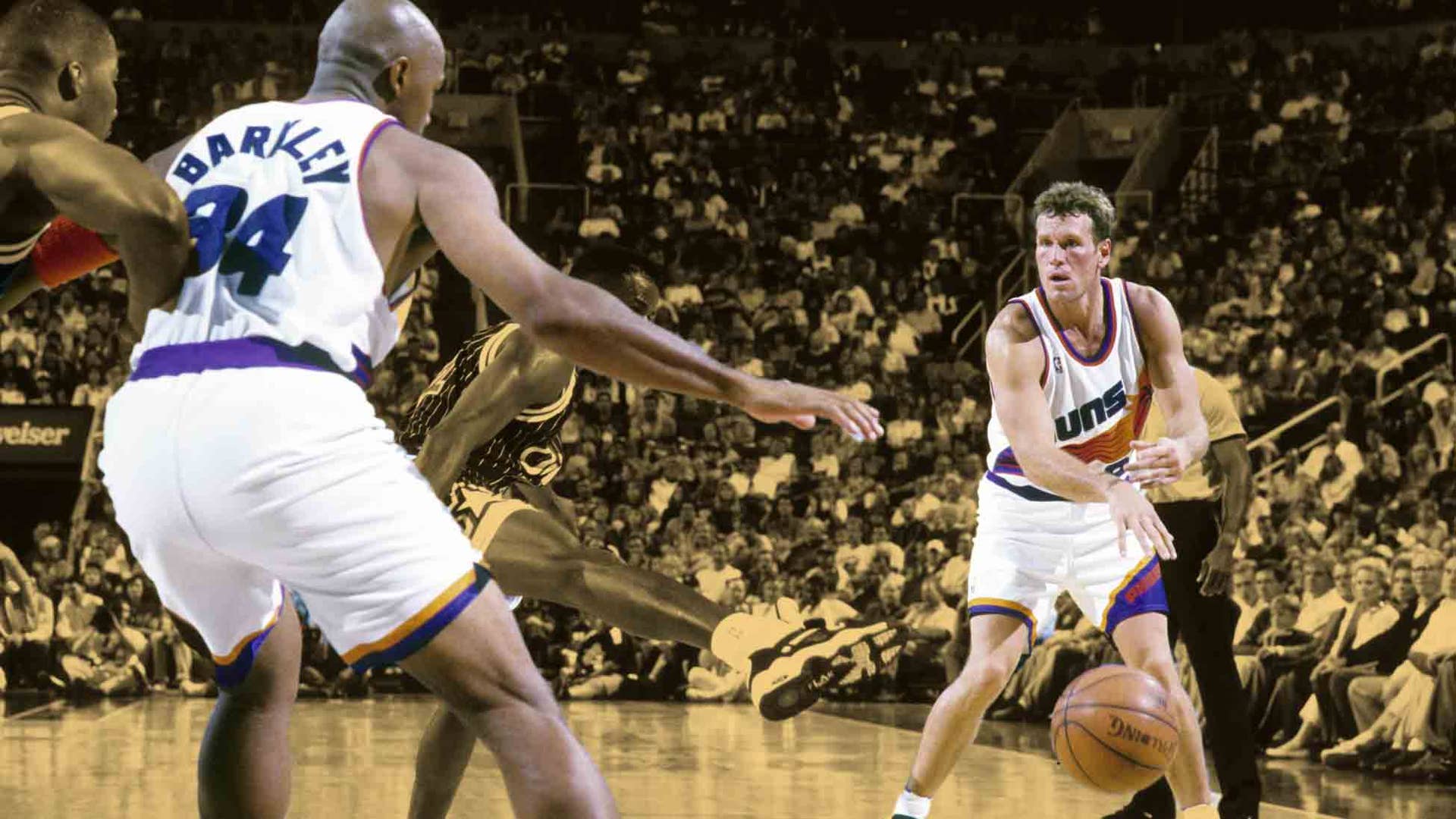
The 1992–93 season stands as one of the peak operational years in Suns franchise history. Following an off-season blockbuster trade with the Philadelphia 76ers for superstar forward Charles Barkley, the Suns moved into their new home, America West Arena, and recorded a league-best 62–20 regular-season record. Barkley earned the NBA Most Valuable Player award, while head coach Paul Westphal—returning to the team where he starred as a player—led a deep, high-scoring roster.
After overcoming a 0–2 series deficit against the Los Angeles Lakers in the first round and battling past the San Antonio Spurs and Seattle SuperSonics, the Suns earned their second NBA Finals berth. There, they met Michael Jordan and the two-time defending champion Chicago Bulls.
The 1993 Finals featured intense strategic adjustments and road dominance; the visiting team won four of the six games. Phoenix captured a dramatic triple-overtime victory in Game 3 in Chicago, but Jordan’s historical scoring output (averaging 41.0 points per game across the series) proved insurmountable. In Game 6 at Phoenix, with the Suns leading by two points in the final seconds, Bulls guard John Paxson hit an open three-pointer with 3.9 seconds remaining to seal a 99–98 victory and secure Chicago's third consecutive championship.
The 2021 Resurgence and the Battle Against Giannis
After an 11-year playoff drought, the Phoenix Suns experienced a rapid revitalization during the 2020–21 season under head coach Monty Williams and general manager James Jones. The acquisition of veteran point guard Chris Paul paired seamlessly with young superstar scorer Devin Booker and former No. 1 overall pick Deandre Ayton. Phoenix secured the Western Conference’s No. 2 seed with a 51–21 record in a shortened 72-game schedule.
In the 2021 playoffs, the Suns swept through the Western Conference bracket, defeating the defending champion Los Angeles Lakers in six games, sweeping the Denver Nuggets in four, and eliminating the Los Angeles Clippers in six games to capture their third Western Conference trophy.
Meeting the Milwaukee Bucks in the 2021 NBA Finals, Phoenix took a commanding 2–0 series lead following strong home performances in Games 1 and 2. However, the momentum shifted dramatically as Milwaukee made defensive adaptations to limit Paul and Booker's mid-range effectiveness while leveraging the interior dominance of Giannis Antetokounmpo. The Bucks won four consecutive games to take the series 4–2, capped by Antetokounmpo’s 50-point performance in Game 6 in Milwaukee.
Statistical Breakdown of Suns NBA Finals Appearances
The following table summarizes the Phoenix Suns' three NBA Finals appearances, detailing the series outcomes, coaching leadership, and primary statistical leaders.
| Year | Opponent | Series Result | Head Coach | Primary Franchise Stars | Key Series Outcome / Turning Point |
|---|---|---|---|---|---|
| 1976 | Boston Celtics | Lost 2–4 | John MacLeod | Paul Westphal, Alvan Adams, Gar Heard | 128–126 3OT loss in Game 5 at Boston Garden |
| 1993 | Chicago Bulls | Lost 2–4 | Paul Westphal | Charles Barkley, Kevin Johnson, Dan Majerle | John Paxson Game 6 three-pointer with 3.9 seconds left |
| 2021 | Milwaukee Bucks | Lost 2–4 | Monty Williams | Devin Booker, Chris Paul, Deandre Ayton | Dropped four straight games after building a 2–0 series lead |
Near Misses and Historic Western Conference Finals Eras
Beyond their three Finals appearances, the Phoenix Suns have reached the Western Conference Finals ten times in franchise history. Two specific eras stand out for their tactical innovation and championship-caliber play, despite falling short of the Finals.
The "Seven Seconds or Less" Era (2004–2010)
Constructed by head coach Mike D'Antoni and powered by point guard Steve Nash, the mid-2000s Suns revolutionized modern basketball aesthetics. By emphasizing pace, space, early-clock three-pointers, and pick-and-roll spacing, the "Seven Seconds or Less" Suns laid the tactical foundation for modern NBA offense.
- 2004–05 Season: Steve Nash won his first MVP award as Phoenix improved from 29 wins to a league-best 62–20 record. The Suns reached the Western Conference Finals before falling to the eventual champion San Antonio Spurs in five games.
- 2005–06 Season: Despite losing star big man Amar'e Stoudemire to microfracture knee surgery for almost the entire season, Nash won his second consecutive MVP award. Phoenix advanced to the Western Conference Finals again, losing to the Dallas Mavericks in six games.
- 2006–07 Season: Widely considered the Suns' best statistical team of the era, Phoenix won 61 games. Their season ended in controversial fashion in the Western Conference Semifinals against San Antonio, following suspensions to Stoudemire and Boris Diaw for stepping onto the court after Robert Horry checked Nash into the scorer's table late in Game 4.
- 2009–10 Season: Re-tooled under head coach Alvin Gentry, the Suns returned to the Western Conference Finals, pushing the eventual champion Los Angeles Lakers to six games before being eliminated by timely scoring from Kobe Bryant.
The Late 1980s and Early 1990s Contenders
Before the 1993 Finals run, Cotton Fitzsimmons coached a dynamic squad anchored by Kevin Johnson, Tom Chambers, Eddie Johnson, and Dan Majerle. This group reached back-to-back Western Conference Finals in 1989 and 1990.
- In 1989, they were swept by the "Showtime" Los Angeles Lakers.
- In 1990, after defeating the Lakers in five games in the semifinals, they lost a grueling seven-game Western Conference Finals series to the Portland Trail Blazers.
Major Franchise Milestones and Division Titles
While an NBA Championship trophy remains the ultimate goal, the Phoenix Suns maintain an extensive list of achievements that rank among the most impressive in professional sports:
- Western Conference Championships (3): 1976, 1993, 2021.
- Division Titles (8): Pacific Division Champions in 1981, 1993, 1995, 2005, 2006, 2007, 2021, and 2022.
- Franchise Regular Season Wins Record: 64–18, set during the 2021–22 regular season under head coach Monty Williams.
- NBA Most Valuable Player Awards (3):
- Charles Barkley (1992–93)
- Steve Nash (2004–05)
- Steve Nash (2005–06)
- Basketball Hall of Fame Inductees: Includes franchise icons such as Connie Hawkins, Paul Westphal, Charles Barkley, Steve Nash, Jason Kidd, Grant Hill, and head coach Cotton Fitzsimmons.
Modern Era Dynamics and Championship Outlook
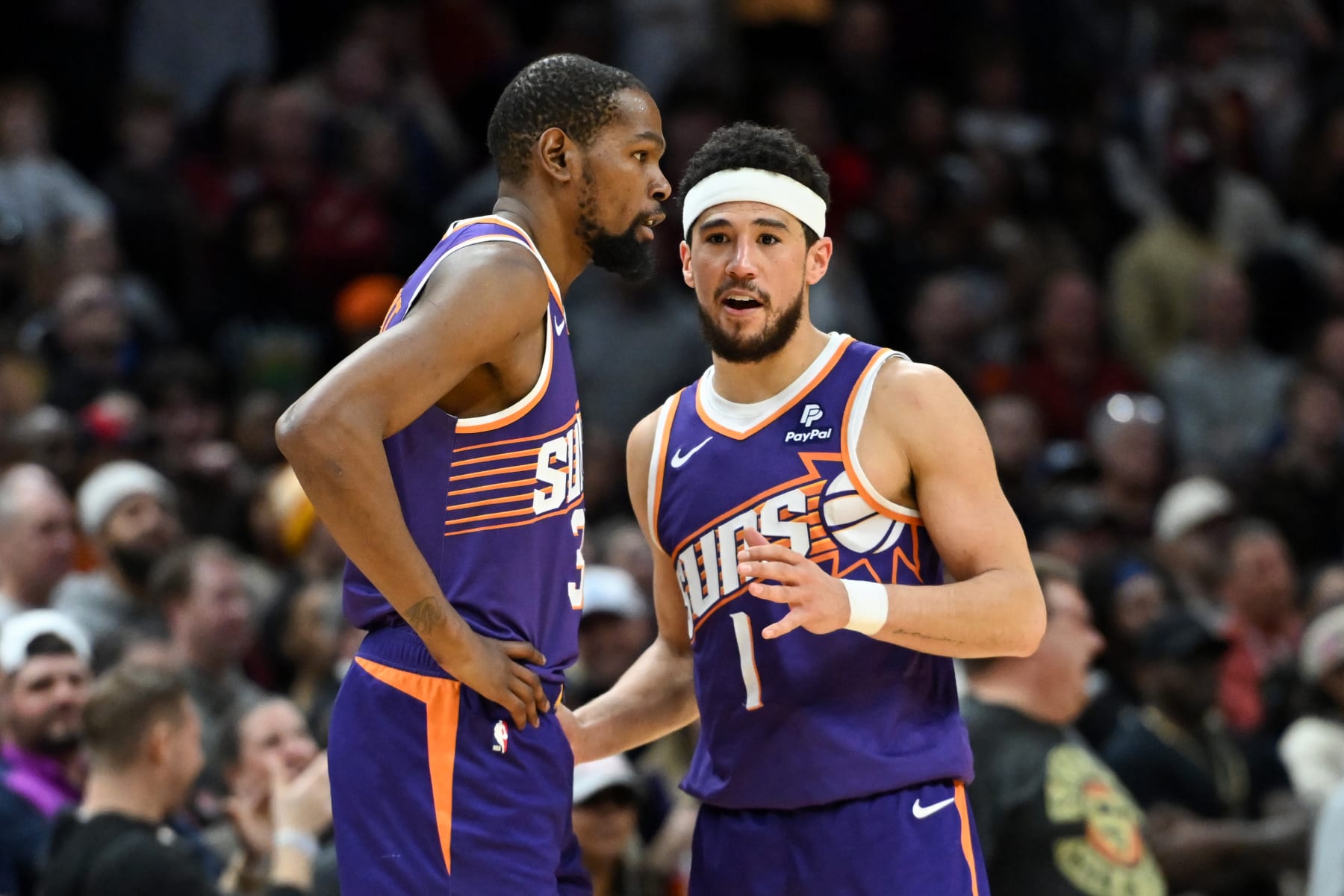
In recent seasons, ownership and front-office leadership have maintained an aggressive posture to break the championship drought. The acquisition of 14-time NBA All-Star Kevin Durant alongside guard Bradley Beal to complement franchise cornerstone Devin Booker marked an all-in commitment to competing at the highest level.
Operating in a hyper-competitive Western Conference requires navigate stringent team-building rules under the NBA's Collective Bargaining Agreement (CBA). Constraints such as the luxury tax aprons limit roster flexibility for high-spending teams. As the organization continues its quest for an elusive first championship ring, historical precedents show that maintaining health, defensive consistency, and tactical versatility in the postseason remain the primary requirements for converting regular-season success into a title.
Frequently Asked Questions
Have the Phoenix Suns ever won an NBA Championship?
No. The Phoenix Suns have never won an NBA Championship. They have reached the NBA Finals three times (1976, 1993, and 2021) but lost the series on all three occasions by a 4–2 margin.
How many times have the Suns been to the NBA Finals?
The Suns have appeared in the NBA Finals three times in franchise history:
- 1976: Lost to the Boston Celtics (4–2)
- 1993: Lost to the Chicago Bulls (4–2)
- 2021: Lost to the Milwaukee Bucks (4–2)
Who defeated the Suns in the 1993 NBA Finals?
The Chicago Bulls defeated the Phoenix Suns in six games during the 1993 NBA Finals. Michael Jordan was named Finals MVP after averaging 41.0 points per game, and John Paxson sealed the series with a game-winning three-pointer in Game 6.
What is the Suns' best regular-season record in franchise history?
The Suns' best regular-season record is 64–18, established during the 2021–22 NBA season. This broke the previous franchise record of 62 wins, achieved by both the 1992–93 and 2004–05 teams.
Which Phoenix Suns players have won the NBA MVP award?
Two Phoenix Suns players have won a total of three NBA Most Valuable Player awards while representing the franchise:
- Charles Barkley: 1992–93 season
- Steve Nash: 2004–05 and 2005–06 seasons
Recommended Next Steps for Fans and Analysts
To deepen your understanding of the Phoenix Suns' franchise history and current operational standing:
- Review Historical Archives: Explore official historical game logs via the NBA History Archive to evaluate playoff box scores from the 1976, 1993, and 2021 postseason runs.
- Track Salary Cap & Roster Management: Monitor current luxury tax boundaries and apron rules on salary tracking portals to see how modern roster decisions affect future championship contention.
- Analyze Postseason Trends: Compare offensive efficiency ratings across the "Seven Seconds or Less" era versus modern roster dynamics to understand how spatial analytics continue to shape franchise decision-making.
Image Gallery