Why Cats: The Jellicle Ball Opening Night Dazzles Theater Lovers
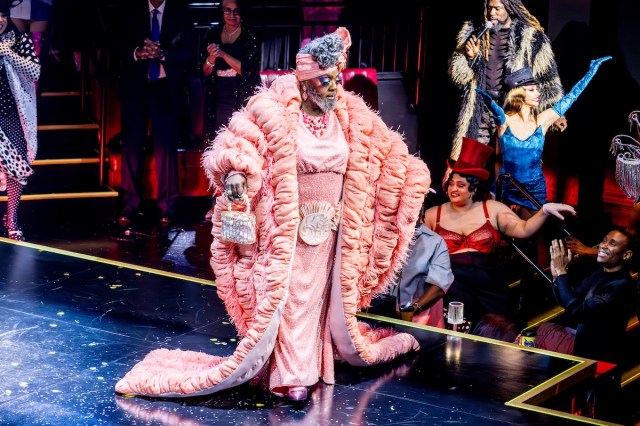
The opening night of Cats: The Jellicle Ball dazzles theater lovers by reimagining Andrew Lloyd Webber’s classic musical through the lens of New York City’s vibrant Ballroom culture. By replacing literal feline costumes with "human" co...
The opening night of Cats: The Jellicle Ball dazzles theater lovers by reimagining Andrew Lloyd Webber’s classic musical through the lens of New York City’s vibrant Ballroom culture. By replacing literal feline costumes with "human" competitors in a high-stakes runway competition, the production transforms a polarizing spectacle into a profound celebration of queer identity, resilience, and community.
Contents
In 2026, looking back at the trajectory of contemporary musical theater, few productions have managed to bridge the gap between traditional Broadway spectacle and underground subculture as effectively as Cats: The Jellicle Ball. Originally premiering at the Perelman Performing Arts Center (PAC NYC) in the summer of 2024, the production became an instant cultural phenomenon. It stripped away the spandex and whiskers of the 1981 original, replacing them with the sweat, glamour, and competitive spirit of the Ballroom scene—a subculture pioneered by Black and Brown LGBTQ+ individuals. This radical reimagining didn't just "update" the show; it found the "why" behind the "Jellicle" lore that had eluded audiences for decades.
The Reimagined Concept: From Felines to Ballroom Icons
The primary reason theater lovers are dazzled by this production is its conceptual clarity. For years, the chief criticism of the original Cats was its thin plot and bizarre premise. By relocating the action to a contemporary Ballroom competition, the "Jellicle Ball" becomes a high-stakes event where "houses" compete for the ultimate prize: a chance to be reborn into a better life.
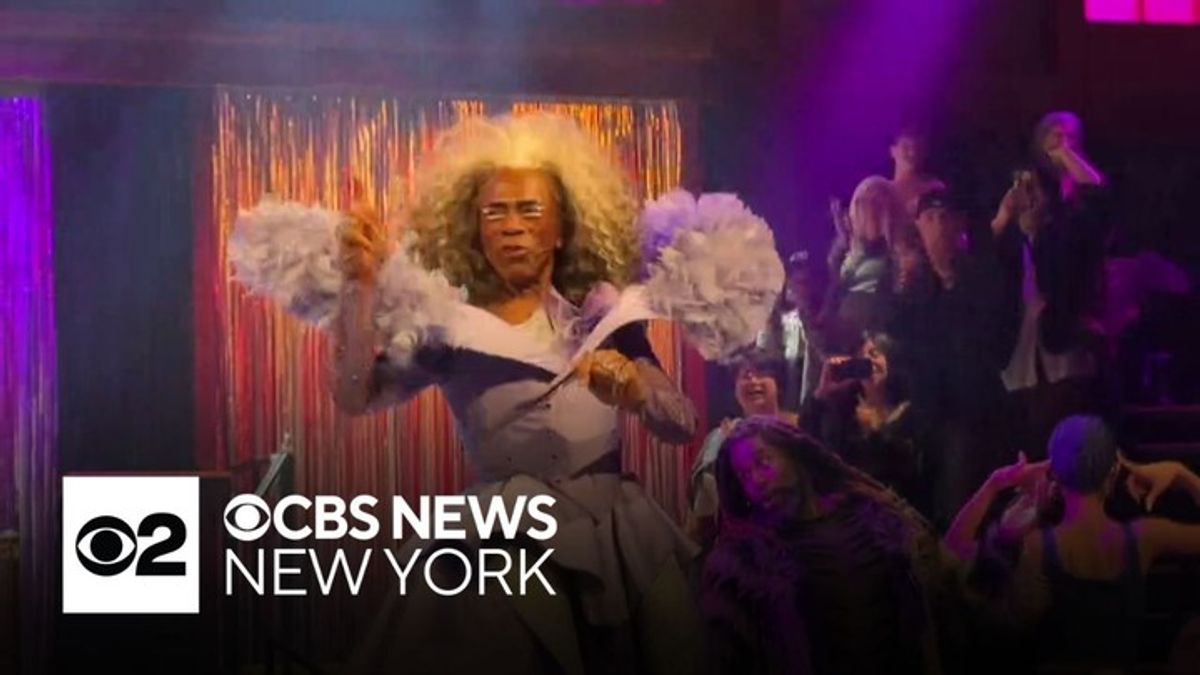
In this version, the "Heaviside Layer" is no longer a metaphysical feline heaven, but a metaphor for social mobility, safety, and the dream of escaping the hardships of systemic marginalization. When Grizabella enters, she isn't just an old cat; she is a former Ballroom legend who has fallen on hard times and seeks reentry into the community that once idolized her. This shift provides an emotional anchor that makes the musical’s climax, "Memory," resonate with a depth rarely achieved in traditional productions.
Choreography as Narrative: The Power of Vogue
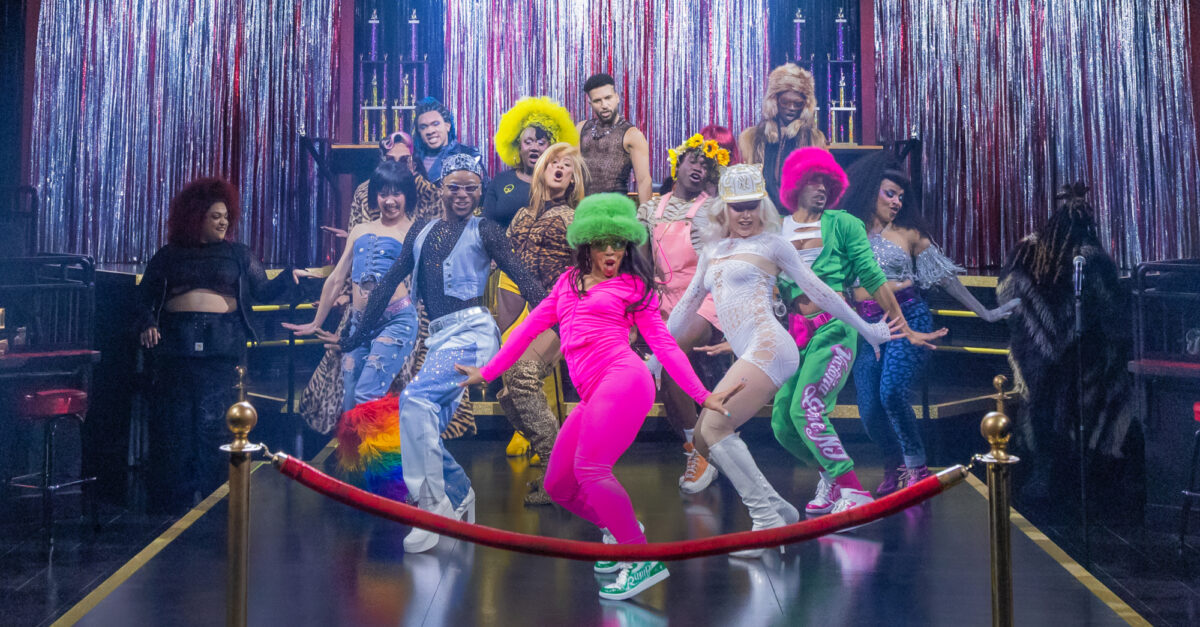
One cannot discuss the dazzle of this production without focusing on the choreography. Directors Zhailon Levingston and Bill Rauch, along with choreographers Arturo Lyons and Omari Wiles, replaced the original jazz and ballet-influenced movement of Gillian Lynne with the specific vocabularies of Ballroom: Vogue Femme, Catwalk, Duckwalk, Floor Performance, and Waacking.
Theater lovers are particularly struck by the technical precision required for these styles. Unlike traditional musical theater dance, which often focuses on unison, Ballroom choreography emphasizes individual "battle" styles and personality. Each "cat" is a competitor showing off their "realness" or their "extravaganza" in specific categories. This creates a kinetic energy that spills off the stage and into the laps of the audience, who are encouraged to "snap," cheer, and participate as if they were at an actual ball.
Breaking Down the Categories
The production structures the musical numbers as competitive categories. For example:
- The Rum Tum Tugger: Reimagined as a charismatic, gender-fluid pop-vogue icon who commands the runway with hyper-masculine and feminine flourishes.
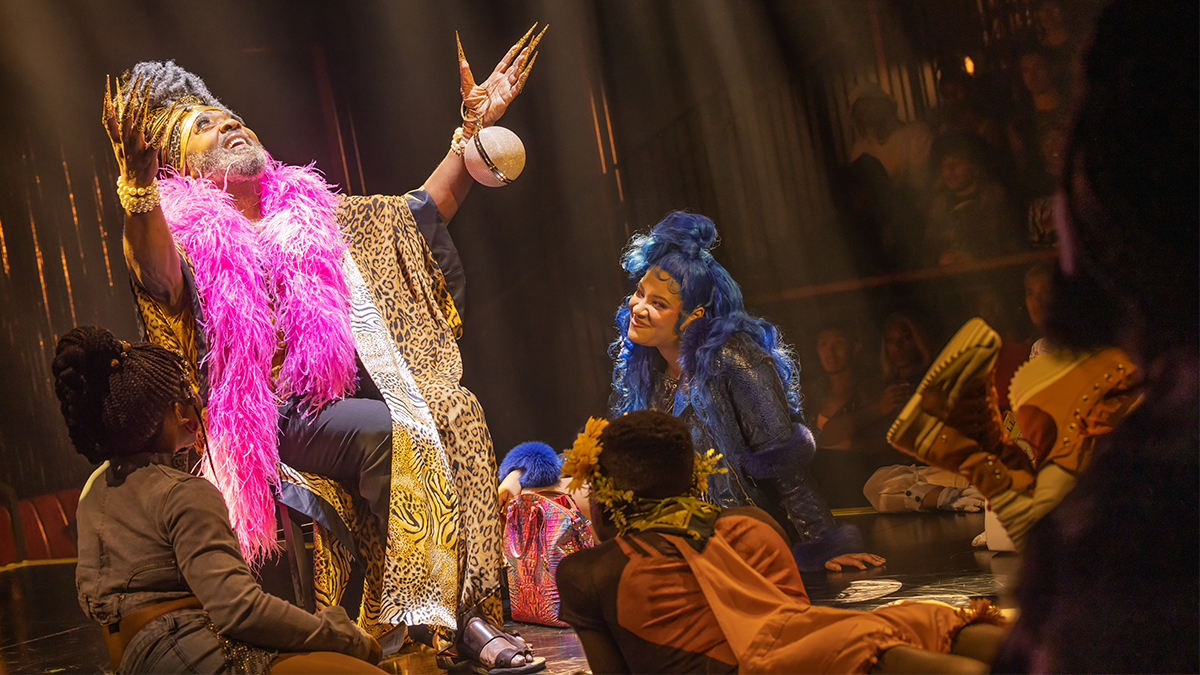
- Old Deuteronomy: Not a patriarch of a cat clan, but a "Mother" or "Father" of the House—a respected elder who provides guidance and judgment.
- Mistoffelees: A display of "Magical Realness," utilizing light-up costumes and high-speed spins that blend classic theater magic with the precision of contemporary street dance.
A Masterclass in Immersive Set and Sound Design
The Perelman Performing Arts Center’s flexible theater space allowed for a unique "runway" configuration that is essential to the show's impact. Theater lovers find themselves seated around a long catwalk, placing them inches away from the performers. This proximity eliminates the "fourth wall" and turns the audience into the "judges" and "spectators" of the Ball.
The lighting design further enhances this experience. Rapid-fire strobes, neon accents, and spotlighting mimic the atmosphere of a late-night club. Meanwhile, the orchestration was subtly updated. While the core melodies of Andrew Lloyd Webber remain intact, the arrangements incorporate house beats, deep bass, and ballroom-style "commentary" (the rhythmic shouting and chanting led by a commentator). This sonic landscape bridges the gap between 1980s synth-pop and modern queer nightlife, making the score feel more relevant in 2026 than it has in forty years.
The Significance of Authentic Casting
A major factor in why this production dazzles is its commitment to authentic casting. The creative team did not simply hire Broadway dancers and teach them how to vogue; they cast legends and icons from the actual NYC Ballroom scene alongside seasoned musical theater performers.
This blend of talent creates a unique "technical depth" on stage. Ballroom legends like Tempress Chasity Moore (Grizabella) and Junior LaBeija (the voice of the Gus) bring an lived-in authority to the roles. When they perform, they aren't just acting out a subculture; they are representing their own history. Theater lovers recognize this authenticity, which elevates the show from a mere "tribute" to a powerful act of cultural reclamation.
Comparison: The Original vs. The Jellicle Ball
To understand why this version has captivated audiences so thoroughly, it is helpful to look at the structural changes made to the production elements.
| Feature | Original Broadway (1982) | The Jellicle Ball (2024/2026) |
|---|---|---|
| Setting | A literal junkyard | A contemporary NYC Ballroom runway |
| Costuming | Spandex unitards, fur, and ears | High-fashion drag, streetwear, and "realness" |
| Dance Style | Jazz, ballet, and acrobatics | Vogue, Waacking, and Ballroom categories |
| The "Cats" | Literal feline animals | Human queer/trans competitors using cat personas |
| Orchestration | Classical-rock fusion | House, Ballroom beats, and contemporary R&B |
| Core Theme | Feline reincarnation and whimsy | Community, survival, and queer liberation |
Why "Memory" Hits Differently in 2026
In the original production, "Memory" is a song about an aging cat mourning her lost beauty. In The Jellicle Ball, the song is transformed into a heartbreaking anthem of the AIDS crisis, the loss of queer elders, and the struggle of those who have been discarded by society.
As Grizabella walks the runway to sing the final chorus, she isn't just seeking a "new life" in the clouds; she is seeking the right to be seen and loved by her chosen family again. For theater lovers, this shift in context turns a well-worn radio hit into a visceral emotional experience. It provides the "dazzle" of high-stakes drama that purely aesthetic productions often lack.
Frequently Asked Questions
Is the plot of the show different from the original?
No, the lyrical content and basic structure remain almost identical to the original T.S. Eliot-inspired script. However, the visual interpretation and context are entirely different. The "Jellicle Choice" is interpreted as the winner of the Ball, and the characters are humans participating in a themed competition rather than actual cats.
Can I still enjoy it if I'm not familiar with Ballroom culture?
Absolutely. While those familiar with Ballroom will appreciate the deep-cut references and specific technical moves, the show is designed to be accessible to everyone. The energy of the music and the virtuosity of the dancing are universally impressive, and the emotional core of the story—the need for belonging—is something every theater lover can relate to.
Do they use the same music by Andrew Lloyd Webber?
Yes, the iconic score is preserved. You will hear "The Jellicle Ball," "The Rum Tum Tugger," "Macavity," and "Memory." The primary difference is in the vibe of the arrangements, which lean more heavily into house music and percussive beats to match the Ballroom setting.
Are there any actual cats or cat costumes?
There are no literal cat costumes or whiskers in this production. The "feline" elements are interpreted through fashion and attitude. For example, a character might wear a leopard print coat or move with a predatory, cat-like grace, but the focus remains on the human performers and their "house" identities.
Where is "Cats: The Jellicle Ball" currently playing?
Following its massive success at PAC NYC in 2024, the production has seen various regional iterations and touring engagements throughout 2025 and 2026. Interested viewers should check major theater hubs and the official PAC NYC website for current residency or touring schedules.
Final Recommendation
If you have the opportunity to see Cats: The Jellicle Ball, do not miss it. Whether you are a die-hard fan of the original or someone who has spent years mocking the "cat" concept, this production will challenge your expectations. It is a rare example of how a "revival" can breathe entirely new life into a piece of art by grounding it in a real, breathing human community. For theater lovers in 2026, it remains the gold standard for how to make the old feel radically, dazzlingly new.
Image Gallery