The Psychological Labyrinth: Exploring Johnny Depp Thriller Movies
Johnny Depp’s journey through the thriller and psychological mystery genres showcases an actor drawn to eccentric characters, morally ambiguous protagonists, and dark, atmospheric storytelling. While widely celebrated for his flamboyan...
Johnny Depp’s journey through the thriller and psychological mystery genres showcases an actor drawn to eccentric characters, morally ambiguous protagonists, and dark, atmospheric storytelling. While widely celebrated for his flamboyant cape-and-sword blockbusters and whimsical collaborations with Tim Burton, Depp has built a compelling secondary filmography deeply rooted in suspense, neo-noir, and psychological terror. These films rely less on traditional jump scares and more on paranoia, identity shifting, and intellectual puzzles.
Contents
Examining Johnny Depp thriller movies reveals an artistic trajectory defined by shifting psychological states. From paranoid screenwriters and disillusioned supernatural book-hunters to undercover federal agents and haunted motel guests, Depp has consistently used his chameleon-like screen presence to keep audiences guessing where reality ends and delusion begins. This review explores the standout suspense and psychological thriller films in his catalog, analyzing their narrative mechanics, thematic depth, and critical reception.
The Foundations of Suspense: Early Thriller and Neo-Noir Exploration
Depp’s early career choices demonstrated a deliberate avoidance of being typecast as a clean-cut teen idol. Following his breakout success on television and early cinematic collaborations, he gravitated toward gritty, atmospheric projects that tested audience expectations.
Nick of Time (1995)
Directed by John Badham, Nick of Time stands as Depp's most straightforward, real-time conventional thriller. Depp plays Gene Watson, a mild-mannered forensic accountant who is thrust into a terrifying plot when political extremists kidnap his young daughter. The captors give Watson a stark ultimatum: he must assassinate the Governor of California within ninety minutes, or his daughter will be executed.
The film operates as a tense, ticking-clock exercise, unfolding almost entirely in real-time as Watson navigates Los Angeles Union Station. Unlike many of Depp’s later, more surreal genre entries, Nick of Time demands a grounded, vulnerable performance. Watson is an ordinary everyman utterly unequipped for espionage or violence, and Depp portrays his rising panic and moral paralysis with restrained intensity. While met with mixed critical reviews upon release, the film remains a fascinating anomaly in Depp's filmography—a pure exercise in pacing and leverage-based suspense.
Donnie Brasco (1997)
While primarily classified as a crime drama and mob biopic, Mike Newell’s Donnie Brasco functions fundamentally as an undercover psychological thriller. Based on the true story of FBI agent Joseph D. Pistone, the film stars Johnny Depp as Pistone (alias Donnie Brasco), who infiltrates the Bonanno crime family in New York City.
The suspense in Donnie Brasco derives entirely from psychological erosion. As Pistone spends months living among dangerous mobsters—particularly Lefty Ruggiero, played with poignant weariness by Al Pacino—the boundary between his true identity and his undercover persona begins to blur. Depp captures the agonizing internal conflict of a man who must betray the surrogate father figure who trusts him implicitly, all while knowing that one slip in judgment means execution by either the mob or his own agency. The film examines the toll of deception, positioning the mind of an undercover operative as a battleground of conflicting loyalties.
Supernatural Investigations and Gothic Mystery
As his career progressed into the late 1990s and 2000s, Depp increasingly favored gothic, atmospheric mysteries where rationality collided with the occult. These films utilized moody cinematography, historical pastiche, and intellectual enigmas.
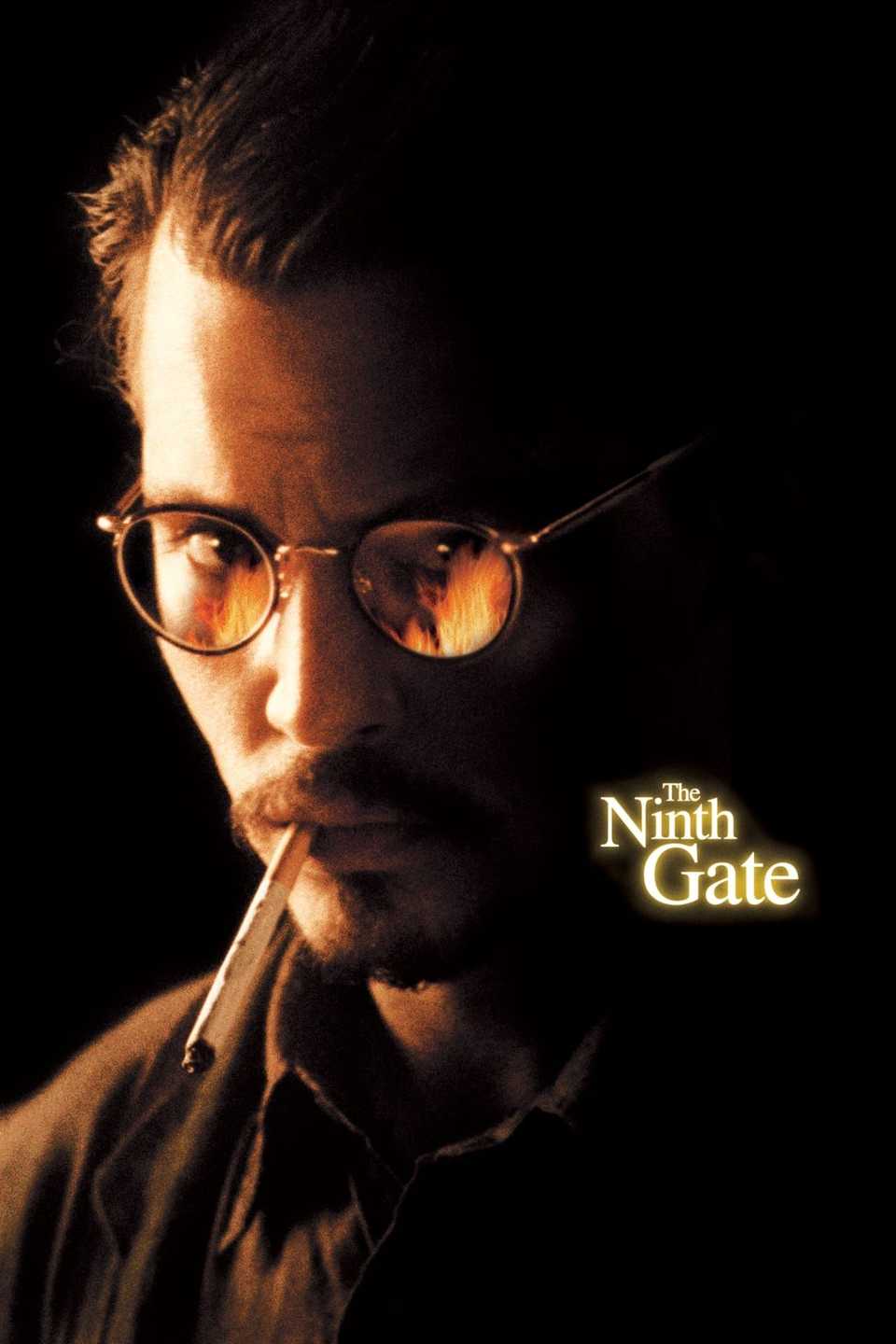
The Ninth Gate (1999)
Directed by Roman Polanski and based on Arturo Pérez-Reverte’s novel The Club Dumas, The Ninth Gate casts Depp as Dean Corso, a cynical, unscrupulous rare-book dealer who specializes in authenticating and acquiring rare texts. Corso is hired by an eccentric billionaire (Frank Langella) to locate the remaining copies of a legendary seventeenth-century grimoire titled The Nine Gates of the Kingdom of Shadows, purportedly co-authored by Lucifer himself.
Depp plays Corso not as a heroic seeker of truth, but as a mercenary intellectual whose greed and skepticism blind him to the expanding danger around him. As Corso travels across Europe to examine different editions of the book, murders occur in his wake, and a mysterious, cat-eyed woman (Emmanuelle Seigner) acts as his silent protector. The Ninth Gate builds tension through atmosphere, pacing, and detailed investigation rather than kinetic action. Depp's performance anchors the slow-burn mystery, gradually shifting from casual arrogance to obsessive desperation as the esoteric puzzle consumes him.
From Hell (2001)
Directed by the Hughes brothers and adapted from Alan Moore and Eddie Campbell’s graphic novel, From Hell plunges Depp into the fog-shrouded Victorian underworld of Whitechapel during the Jack the Ripper murders. Depp stars as Inspector Frederick Abberline, an opium-addicted Scotland Yard detective gifted with psychic visions triggered by his drug use and absinthe consumption.
Abberline is a classic tragic investigator—brilliant, haunted, and alienated from the rigid British establishment he serves. Depp portrays his reliance on narcotics not merely as a vice, but as a painful key that unlocks horrific crime scenes, exposing a vast conspiracy involving the royal family and the Freemasons. The film blends historical horror with procedural detective work. Depp's brooding, melancholic performance gives emotional weight to the brutal procedural, contrasting sharply with the visceral violence of the late-nineteenth-century London setting.
Psychological Fragmentation and Identity Paranoia
Depp’s most complex contributions to the thriller genre involve psychological dissolution—stories where the protagonist's perception of reality is fundamentally compromised.
Secret Window (2004)
Adapted from a Stephen King novella and directed by David Koepp, Secret Window is a claustrophobic psychological thriller centered on writer's block, betrayal, and fractured identity. Depp plays Mort Rainey, a successful author retreating to an isolated cabin in Upstate New York following a painful divorce from his cheating ex-wife (Maria Bello).
Rainey’s quiet isolation is shattered by the arrival of John Shooter (John Turturro), a menacing, drawling stranger from Mississippi who accuses Rainey of plagiarizing his short story "Secret Window." What begins as a petty dispute over intellectual property escalates rapidly into stalking, arson, and murder as Shooter demands satisfaction.
Depp’s performance as Mort Rainey is defined by unravelling sanity. Wearing a sloppy bathrobe, unkempt hair, and consuming handfuls of crackers, Rainey transitions from irritable annoyance to sheer terror. The film relies heavily on psychological misdirection, exploring the dark corners of the creative mind and the lengths to which a fractured psyche will go to protect its secrets.
Comparison of Key Johnny Depp Thrillers
| Film Title | Release Year | Subgenre / Style | Primary Antagonist / Conflict | Core Psychological Theme |
|---|---|---|---|---|
| Nick of Time | 1995 | Real-Time Suspense | Political conspirators | Coercion and parental desperation |
| Donnie Brasco | 1997 | Undercover Crime Thriller | Organized crime / Internal FBI pressure | Identity erosion and divided loyalty |
| The Ninth Gate | 1999 | Esoteric Mystery | Occult conspiracy / Greed | Intellectual hubris and spiritual corruption |
| From Hell | 2001 | Gothic Detective Thriller | Serial killer / Institutional cover-up | Addiction, clairvoyance, and Victorian decay |
| Secret Window | 2004 | Psychological Thriller | A stalker (and internal psychosis) | Plagiarism, trauma, and fractured ego |
Critical Reception and Audience Impact
Johnny Depp’s work in thrillers has historically polarized critics while maintaining a dedicated following among fans of atmospheric cinema. Traditional Hollywood thrillers often demand high-octane pacing or clear moral binaries, whereas Depp’s genre choices frequently embrace ambiguity, eccentricity, and brooding introspection.
Films like The Ninth Gate and From Hell were met with mixed box-office returns and divided critical notices upon release, often criticized for slow pacing or convoluted plotting. However, retrospective critical evaluation has frequently rehabilitated these titles, praising their meticulous production design, rich textures, and Depp’s committed performances. Unlike his action or franchise work, Depp’s thriller performances require audiences to lean into discomfort, uncertainty, and moral gray areas.
Frequently Asked Questions
What is Johnny Depp's most suspenseful thriller movie?
Secret Window (2004) and Nick of Time (1995) are widely considered his most traditional suspense films. While Nick of Time offers a strict ticking-clock format, Secret Window delivers sustained psychological tension through paranoia and unexpected plot twists.
Did Johnny Depp star in any supernatural thrillers?
Yes. The Ninth Gate (1999) explores rare book collecting intertwined with satanic cults and demonic conspiracy, while From Hell (2001) features a detective who uses psychic visions induced by opium to track Jack the Ripper.
Is Donnie Brasco a thriller?
While structured as a crime drama and biographical film, Donnie Brasco functions effectively as an undercover psychological thriller due to the intense danger and identity crisis faced by an FBI agent embedded in the mob.
Are Johnny Depp's thriller films suitable for family viewing?
No. Most of Depp's thrillers—including Secret Window, From Hell, and The Ninth Gate—carry R-ratings due to intense violence, disturbing thematic elements, language, and mature psychological content.
Conclusion and Next Actions
For viewers looking to explore Johnny Depp's thriller filmography, the best approach depends on stylistic preference. Those seeking high-stakes, linear suspense should begin with Nick of Time or Donnie Brasco. For viewers drawn to moody atmospheres, gothic aesthetics, and intellectual mysteries, The Ninth Gate and From Hell provide rich, visually arresting narratives. Finally, for an intense study in paranoia and unreliable narration, Secret Window stands as a definitive showcase of Depp's psychological range. Prepare for dark twists, atmospheric cinematography, and complex characters where things are rarely as they appear.
Image Gallery