Understanding Life Insurance Quotes: A Guide to Term and Whole Life Policies
To understand life insurance quotes for term and whole life policies, you must distinguish between temporary protection and permanent coverage with a savings component. A quote is an estimate based on your age, health class, and death...
To understand life insurance quotes for term and whole life policies, you must distinguish between temporary protection and permanent coverage with a savings component. A quote is an estimate based on your age, health class, and death benefit; however, it remains preliminary until you complete the full underwriting process and receive a final offer.
Contents
In 2026, the landscape of life insurance has evolved to prioritize digital transparency and accelerated underwriting. Despite these technological shifts, the fundamental mechanics of how insurance companies price their products remain rooted in actuarial science and risk assessment. When you receive a quote, you are looking at a snapshot of a potential contract. For term life, this is straightforward—a price for a set period. For whole life, the quote is often part of a complex "illustration" showing how your policy might grow over decades. Understanding these nuances is essential to ensuring you do not overpay for coverage or leave your beneficiaries under-protected.
The Components of a Life Insurance Quote
Every life insurance quote, regardless of policy type, is built upon several core variables. Recognizing these elements allows you to compare offers from different carriers on an "apples-to-apples" basis.
The Death Benefit (Face Amount)
The death benefit is the amount of money the insurance company pays to your beneficiaries upon your death. Quotes are typically structured in increments of $100,000, though many carriers in 2026 offer micro-policies or high-value coverage exceeding $10 million. It is important to note that the death benefit is generally income tax-free under current Internal Revenue Code Section 101(a).
The Premium
The premium is the cost you pay to keep the policy active. Quotes usually display this as a monthly or annual figure. Annual payments are often discounted by 2% to 5% compared to the cumulative cost of monthly installments. When reviewing a quote, check if the premium is "level," meaning it stays the same for the duration of the policy, or "increasing," which is common in some specialized term products.
Underwriting Class (Health Tier)
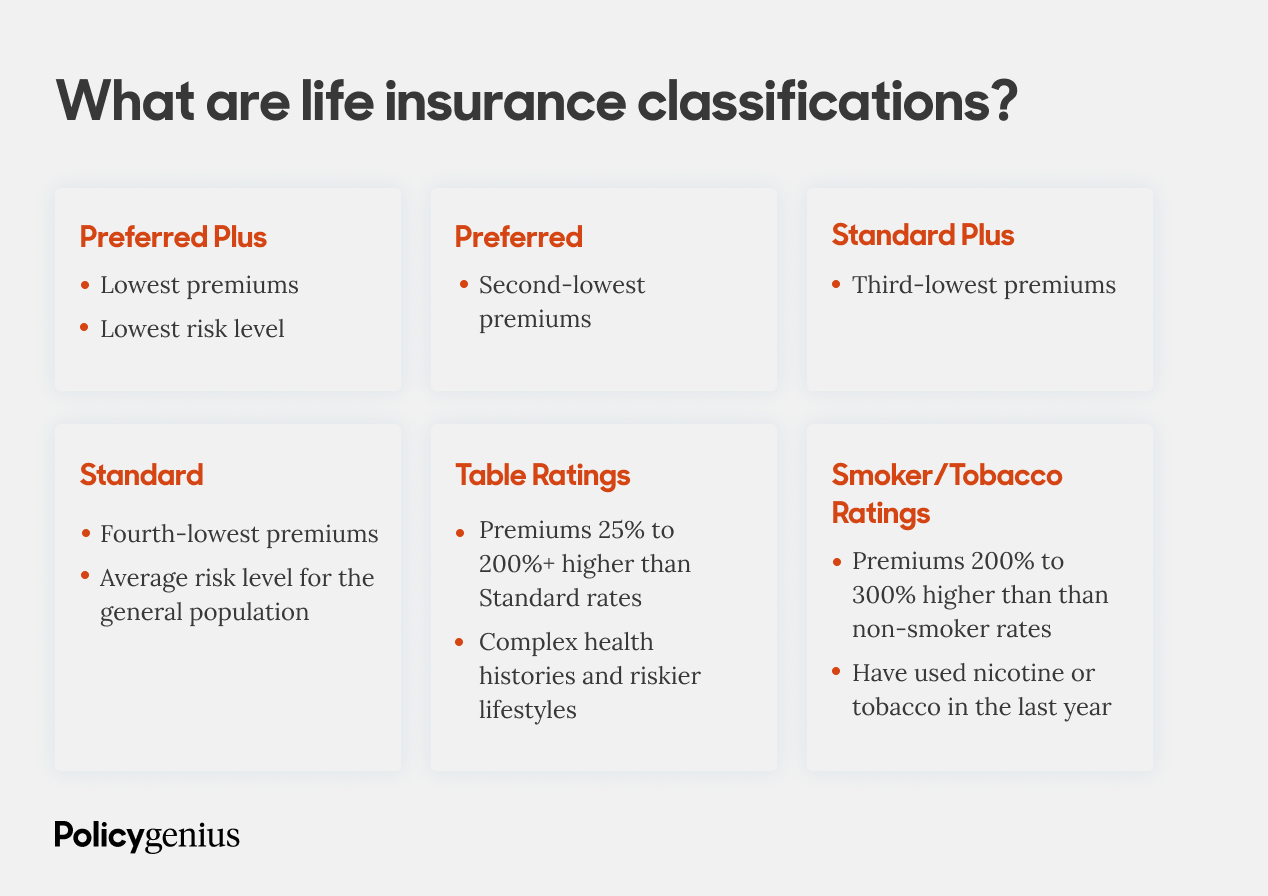
Insurance companies categorize applicants into health tiers. If you are using an online quoter, it may default to "Standard" or "Preferred."
- Preferred Plus/Super Preferred: Excellent health, no tobacco use, and a clean family medical history.
- Preferred: Great health with minor issues (e.g., well-controlled blood pressure).
- Standard Plus: Better than average health but perhaps slightly elevated BMI.
- Standard: Average health and life expectancy.
- Substandard (Rated): Significant health issues or high-risk hobbies.
The price difference between a "Preferred Plus" and a "Standard" quote can be as high as 50% to 100%. Therefore, an initial quote is only as accurate as the health data you provide.
Understanding Term Life Insurance Quotes
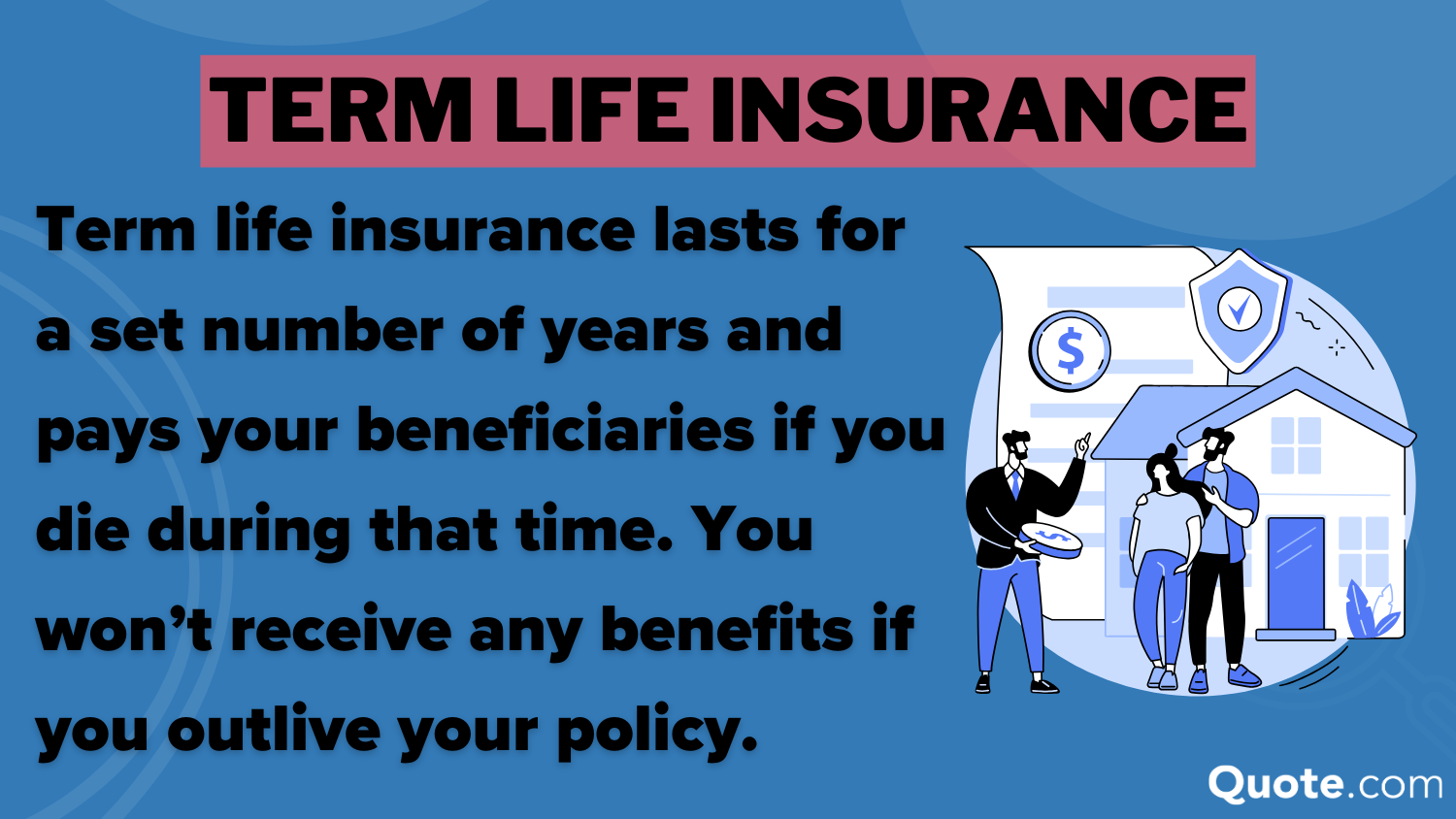
Term life insurance is the most straightforward form of coverage. It provides protection for a specific number of years—commonly 10, 15, 20, or 30. In 2026, term life remains the most cost-effective way for families to replace income or cover a mortgage.
Why Term Quotes Are Lower
Term quotes are significantly cheaper than whole life quotes because the policy has no cash value and the insurer only pays if you die within the specified term. Statistically, the vast majority of term policies expire without a claim, allowing insurers to keep premiums low.
Key Details in the Quote
When reading a term quote, look for the Convertibility Rider. This allows you to transition your term policy into a whole life policy without undergoing a new medical exam. Even if you don't plan to use it, having the option included in the quote adds significant value. Also, verify the Renewability clause, which outlines how much premiums will spike if you choose to keep the policy year-to-year after the initial term expires.
Deciphering Whole Life Insurance Quotes and Illustrations
Whole life insurance is a type of permanent life insurance that remains in force for your entire life, provided premiums are paid. Unlike term insurance, whole life quotes are accompanied by a multi-page document called a "Policy Illustration."
The Savings Component (Cash Value)
A portion of your whole life premium goes into a cash value account that grows at a guaranteed rate. A whole life quote will show a ledger projecting this growth over 20, 30, or even 50 years. This cash value can be borrowed against or used to pay future premiums.
Guaranteed vs. Non-Guaranteed Values
This is the most critical part of a whole life quote.
- Guaranteed Values: The minimum amount the policy will be worth and the maximum premium you will pay. These are legally binding.
- Non-Guaranteed (Projected) Values: These are based on the company’s current dividend scale. Dividends are not guaranteed, although many top-tier mutual insurers have paid them every year for over a century. In 2026, with fluctuating interest rates, it is vital to focus more on the guaranteed columns than the optimistic projections.
Dividend Options
If the quote is from a mutual insurance company, you will see options for dividends. You can choose to take them as cash, use them to reduce premiums, or—most commonly—purchase "Paid-Up Additions" (PUAs), which increase both your death benefit and your cash value over time.
Comparing Term and Whole Life Quotes
Choosing between these two depends on your financial goals. Term is for "if you die," while whole life is for "when you die" and for wealth accumulation.
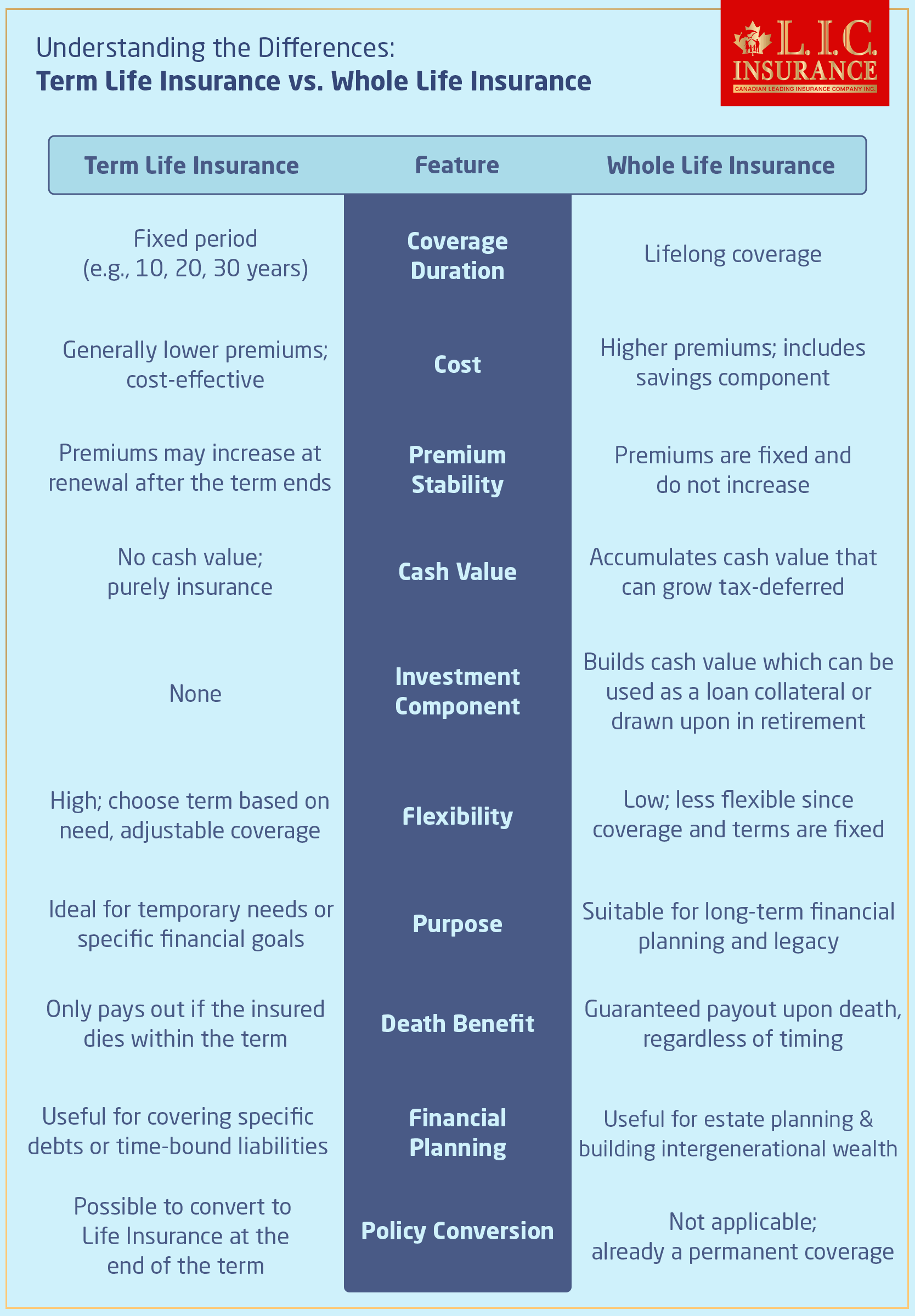
| Feature | Term Life Insurance | Whole Life Insurance |
|---|---|---|
| Policy Duration | Fixed period (e.g., 20 years) | Entire lifetime |
| Premium Cost | Low and affordable | High (often 5–10x more than term) |
| Cash Value Build-up | None | Yes (Guaranteed growth) |
| Primary Purpose | Income replacement / Debt coverage | Estate planning / Wealth transfer |
| Complexity | Simple (One-page quote) | Complex (Multi-page illustration) |
| Dividends | Not applicable | Available in mutual policies |
Factors That Change the Final Price
It is common for the final "as-issued" price to differ from the initial quote. This discrepancy usually occurs during the underwriting phase, which has become more sophisticated by 2026 through the use of Big Data and Predictive Analytics.
The Medical Exam and APS
While many 2026 policies use "accelerated underwriting" (no exam), high-value policies still require a paramedical exam. The insurer may also request an Attending Physician’s Statement (APS). If these records reveal undisclosed health issues, the company will "table rate" the policy, increasing the premium above the quoted amount.
Lifestyle and Occupational Hazards
Quotes are influenced by your hobbies and job. If you are a commercial pilot, a scuba diver, or a mountain climber, your quote will likely include a "flat extra"—an additional fee per $1,000 of coverage to account for the increased risk of accidental death.
Riders and Add-ons
Riders are optional features that customize your policy. Common riders that can increase your quoted premium include:
- Waiver of Premium: Pays your premiums if you become totally disabled.
- Accelerated Death Benefit: Allows you to access a portion of the death benefit if diagnosed with a terminal illness. (Often included for free in modern policies).
- Child Term Rider: Provides small amounts of coverage for your children under your policy.
Common Mistakes When Reading Quotes
Many consumers focus solely on the monthly price, but this can be a costly error. One major mistake is ignoring the Financial Strength Rating of the insurance company. A low quote from a company with a "B" rating from A.M. Best is riskier than a slightly higher quote from an "A++" rated carrier. You want to ensure the company will be solvent 40 years from now to pay the claim.
Another mistake is failing to check the Premium Mode Factor. Some companies charge a significant convenience fee for monthly payments. Always ask for the "Total Annual Cost" to see the true price of the policy. Finally, do not assume that the lowest quote online is the one you will get. If you have a specific health condition, such as Type 2 diabetes, certain carriers specialize in that risk and may offer a better final price than the "lowest" generic quote.
Frequently Asked Questions
Why is my life insurance quote higher than my friend's for the same coverage?
Quotes are highly individualized. Factors such as your age (even a one-year difference), gender (females statistically live longer and often pay less), tobacco use, and family medical history play massive roles. Additionally, your friend may have been quoted at a "Preferred" rate while you are being quoted at "Standard."
Can I change my term policy to whole life after I receive the quote?
Yes, if the policy includes a conversion rider. Most term quotes include this by default. It allows you to convert the policy to a permanent one without a medical exam, though your premiums will increase to the whole life rates applicable at your current age.
What is the "Free Look Period" mentioned in quotes?
The "Free Look Period" is a state-mandated window (usually 10 to 30 days) after you receive the actual policy. During this time, you can cancel for any reason and receive a full refund of any premiums paid. This acts as a safety net if the final policy differs significantly from the initial quote.
Does the quote include the cost of the medical exam?
Yes. The insurance company pays for the paramedical exam and any laboratory tests required for underwriting. You should never be asked to pay an out-of-pocket fee for the medical assessment associated with a life insurance quote.
Are the cash value projections in a whole life quote guaranteed?
Only the "Guaranteed Values" column is a promise. The "Current Scale" or "Non-Guaranteed" values are estimates based on the company's current financial performance. If interest rates drop or company expenses rise, the actual cash value could be lower than the non-guaranteed projection.
Practical Recommendation
When evaluating life insurance quotes in 2026, begin by determining your primary need: if you need to protect your family during your working years, prioritize a 20- or 30-year term policy with a high death benefit. If you are focused on estate planning or supplemental retirement income, request a full Whole Life Illustration from at least three "A" rated mutual companies. Always work with an independent agent who can access multiple carriers, as they can "shop" your specific health profile to find the company most likely to honor the initial quote during the final underwriting process.
Image Gallery