The Meaning of Julienne in Cooking Explained: A Guide to Precision Knife Skills
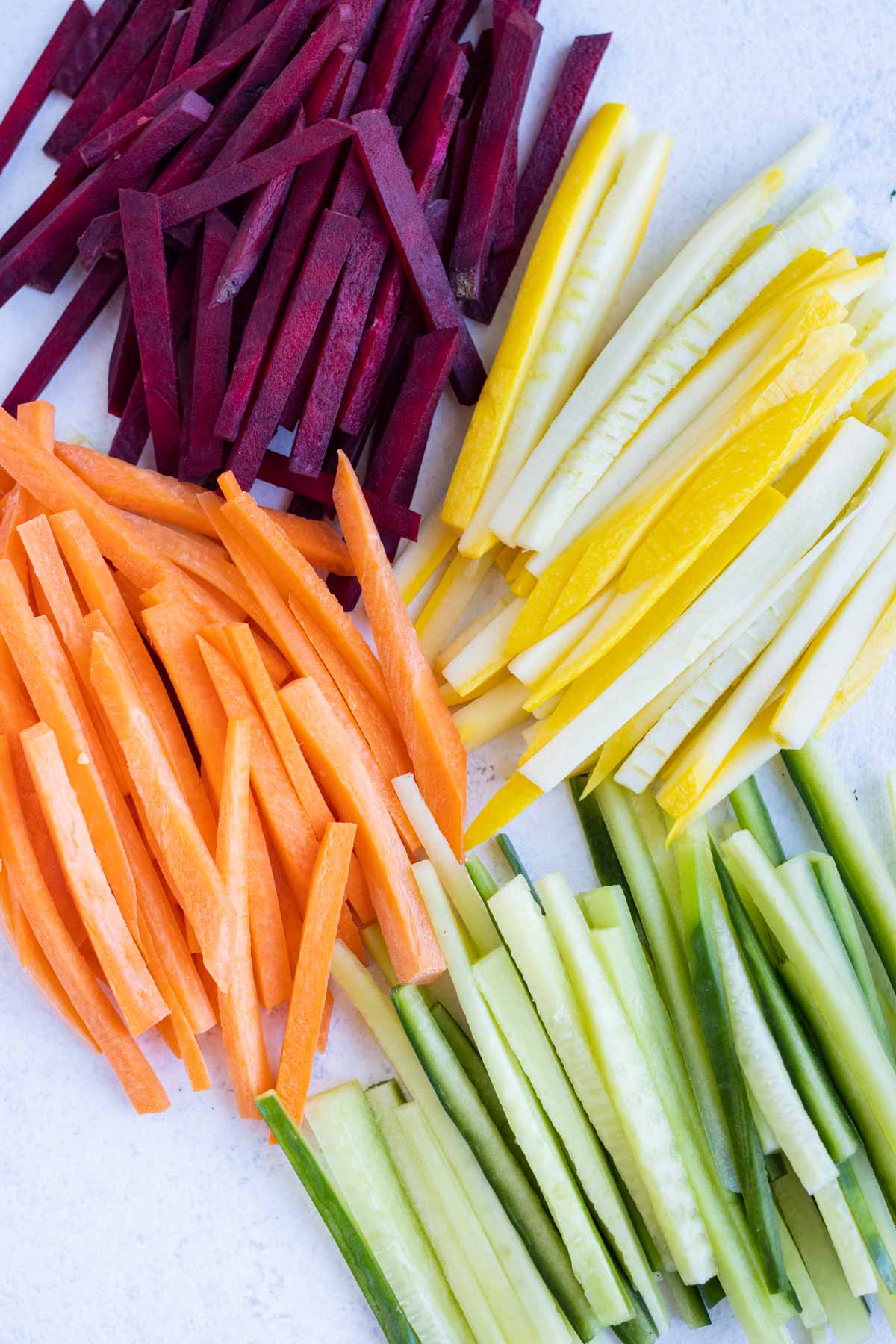
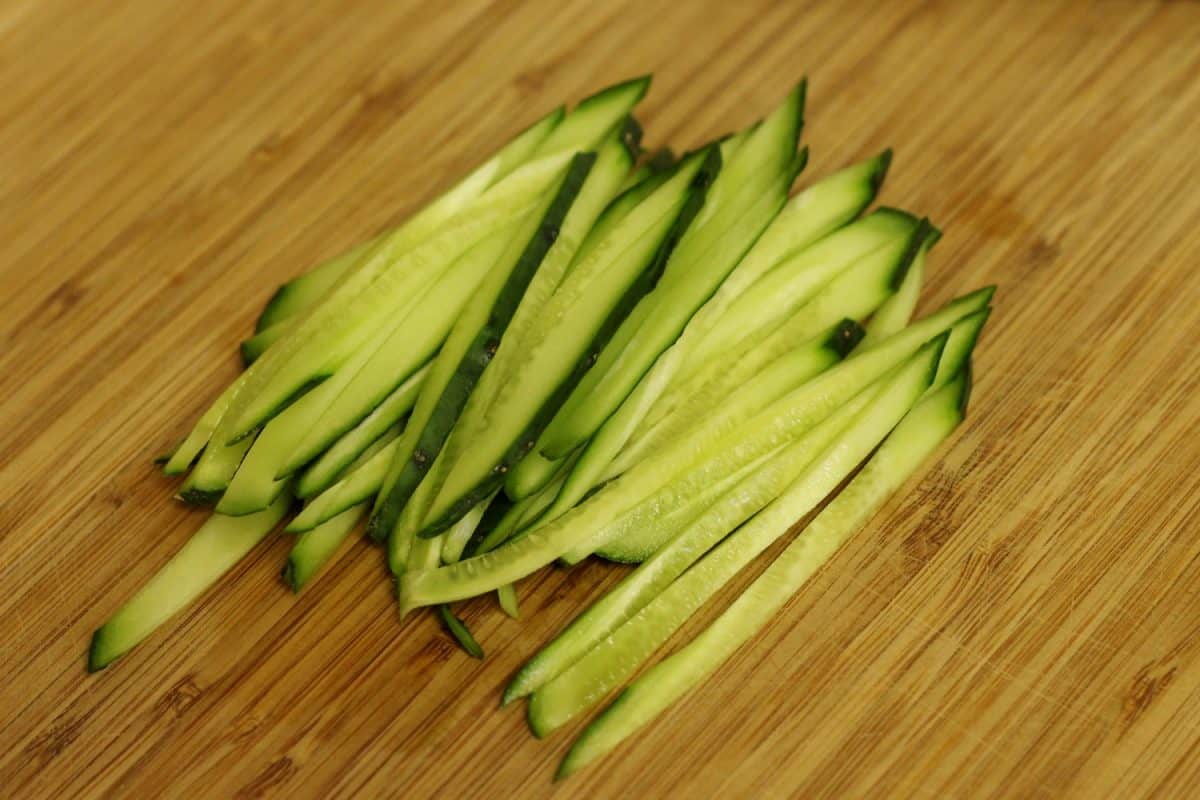
Julienne is a fundamental French culinary knife technique used to cut vegetables or fruits into thin, uniform strips resembling matchsticks. Measuring approximately 1/8 inch by 1/8 inch and 1–2 inches long, this precision cut ensures e...
Julienne is a fundamental French culinary knife technique used to cut vegetables or fruits into thin, uniform strips resembling matchsticks. Measuring approximately 1/8 inch by 1/8 inch and 1–2 inches long, this precision cut ensures even cooking times and professional presentation in salads, stir-fries, and garnishes.
Contents
In the world of professional cookery, the julienne cut stands as a hallmark of technical proficiency. While casual home cooking often relies on rough chops or inconsistent dicing, the mastery of julienne represents a transition toward culinary precision. As of 2026, even with the proliferation of high-tech food processors and automated kitchen gadgets, the manual julienne remains a core skill taught in every accredited culinary institution worldwide. Understanding the meaning of julienne is not merely about knowing a definition; it is about recognizing the relationship between geometry, heat transfer, and mouthfeel in gastronomy.
The Historical and Etymological Origins of Julienne
The term "julienne" is deeply rooted in the French culinary tradition, first appearing in print in the late 17th century. The most notable early reference occurs in François Massialot’s 1691 seminal work, Le Cuisinier Royal et Bourgeois. While the exact namesake of the cut remains a subject of mild historical debate among food scholars, it is widely believed to be derived from the common French name Jules or Julien. Some culinary historians suggest it may have been named after a specific chef who popularized the thin, clear vegetable soups known as potage julienne.
Historically, the julienne was more than just a shape; it defined a specific category of dish. A "Julienne" originally referred to a soup composed of various vegetables—carrots, leeks, onions, and celery—all cut into the characteristic thin strips and sautéed in butter before being simmered in a clear broth. Over centuries, the noun evolved into a verb and an adjective, describing the specific mechanical action of the knife and the resulting dimensions of the food.
By the early 19th century, the codification of French cuisine by chefs like Marie-Antoine Carême and later Auguste Escoffier solidified the julienne as a standard metric. In the modern kitchen of 2026, the dimensions have been standardized to ensure that a chef in Tokyo and a chef in Paris are producing the exact same technical result when a recipe calls for a julienne of bell peppers or zucchini.
Technical Specifications: The Anatomy of a Matchstick
Precision is what distinguishes a julienne from a standard "shred." When a recipe specifies a julienne, it is requesting a three-dimensional rectangular prism. The standard measurements used in professional kitchens are:
- Standard Julienne: 1/8 inch × 1/8 inch × 1 to 2 inches (3mm × 3mm × 2.5–5cm).
- Fine Julienne (Alumette): 1/16 inch × 1/16 inch × 1 to 2 inches (1.5mm × 1.5mm × 2.5–5cm).
The "Fine Julienne" is sometimes referred to as the allumette (the French word for matchstick), particularly when applied to potatoes. However, in contemporary 2026 culinary terminology, "fine julienne" is the more common technical descriptor used across different ingredient types.
The importance of these specific dimensions cannot be overstated. If the strips are too thick, they will remain raw while the rest of the dish overcooks. If they are too thin, they may dissolve into a mushy texture, losing the structural integrity required for the dish’s aesthetic and tactile success. Consistency allows the chef to predict exactly how long the ingredient needs to be exposed to heat, which is vital in high-heat environments like a wok or a sauté pan.
Essential Tools for Precision Cutting
To achieve a true julienne, the quality and type of tool used are critical. While specialized gadgets exist, the manual method remains the gold standard for control and versatility.
The Chef's Knife (Le Couteau de Chef)
An 8-inch or 10-inch chef’s knife is the primary tool for this task. The blade must be exceptionally sharp; a dull blade will slip off the rounded surface of vegetables like carrots, increasing the risk of injury. In 2026, high-carbon stainless steel blades remain the preference for their ability to maintain a "razor" edge while resisting the acidic corrosion of vegetables.
The Mandoline
For high-volume preparation, a Japanese or French mandoline is often employed. These tools feature a fixed blade that can be adjusted to the exact 1/8-inch thickness required. When using a mandoline, safety is the primary concern. Always use a hand guard or cut-resistant gloves to prevent severe lacerations, as the speed of the mandoline can lead to complacency.
The Julienne Peeler
For home cooks or quick garnishes, a julienne peeler—which looks like a standard Y-shaped peeler but with serrated teeth—can create strips quickly. However, these often produce slightly rounded, noodle-like strands rather than the sharp-edged rectangular prisms required in formal technical cookery.
Step-by-Step Technique: How to Julienne Like a Professional
Mastering the julienne requires a systematic approach to the ingredient. You cannot simply start slicing; you must first transform the natural, irregular shape of the vegetable into a manageable geometric form.
1. Preparation and Squaring Off
Start by washing and, if necessary, peeling the vegetable. To ensure safety and precision, the vegetable must be stabilized. Cut a thin slice off one side of the vegetable (such as a carrot or potato) to create a flat base. Rest the vegetable on this flat surface so it does not roll or wobble while you are cutting.
2. Creating the "Planks"
Once stabilized, cut the vegetable into uniform "planks" or slices that are exactly 1/8 inch thick. The length of these planks should match the desired length of your final julienne (usually 2 inches). Discard the rounded outer edges or save them for a vegetable stock to ensure every plank is perfectly rectangular.
3. Stacking and Slicing
Stack two or three planks on top of each other. Using the "claw grip"—where your fingertips are tucked inward and your knuckles guide the blade—slice through the stack at 1/8-inch intervals. This vertical slice, combined with the 1/8-inch thickness of the planks, results in the perfect square-profile matchstick.
4. Refinement
Inspect the resulting strips. Any pieces that are significantly wider or thinner than the standard should be set aside. In a professional environment, uniformity is the metric of success.
Comparison of Standard Culinary Knife Cuts
To understand where julienne fits within the culinary hierarchy, it is helpful to compare it to other common technical cuts.
| Cut Name | Dimensions (Inches) | Dimensions (Metric) | Common Uses |
|---|---|---|---|
| Batonnet | 1/4" x 1/4" x 2-2.5" | 6mm x 6mm x 5-6cm | French fries, roasted vegetables |
| Julienne | 1/8" x 1/8" x 1-2" | 3mm x 3mm x 3-5cm | Stir-fries, salads, garnishes |
| Fine Julienne | 1/16" x 1/16" x 1-2" | 1.5mm x 1.5mm x 3-5cm | Delicate garnishes, slaw |
| Brunoise | 1/8" x 1/8" x 1/8" | 3mm x 3mm x 3mm | Consommé, fine sauces |
| Macédoine | 1/4" x 1/4" x 1/4" | 6mm x 6mm x 6mm | Soups, fruit salads |
The Culinary Logic: Why Julienne Matters
The decision to julienne an ingredient is rarely purely aesthetic; it is rooted in the physics of cooking.
Increased Surface Area
By cutting a vegetable into many thin strips, you exponentially increase its surface area. This allows for rapid heat transfer. In a stir-fry, a julienned carrot will cook in under 60 seconds, developing a slight caramelization on the outside while maintaining a crisp-tender interior. A larger chop would require much longer, potentially resulting in a steamed, soggy texture.
Consistent Texture and Mouthfeel
Uniformity ensures that every bite the diner takes is consistent. In a slaw or a salad, julienned ingredients distribute more evenly than chunks, allowing the dressing to adhere to more surface area and ensuring that no single ingredient overwhelms the palate.
Integration with Sauces
In pasta dishes or sauced entrées, julienned vegetables act similarly to the noodles themselves. Their long, thin shape allows them to "tangle" with spaghetti or linguine, creating a cohesive dish where the vegetables and starch are integrated rather than separated.
Common Mistakes and Troubleshooting
Even experienced cooks can struggle with the julienne if they overlook the fundamentals.
- The "Rollover" Injury: This occurs when a cook tries to julienne a round vegetable without squaring it off first. The vegetable rolls under the pressure of the knife, leading to the blade slipping toward the fingers. Always create a flat base.
- Tapered Ends: If the knife is not kept perfectly vertical, the strips will be thicker at the bottom than the top. This results in uneven cooking. Ensure your knife remains perpendicular to the cutting board.
- Using the Wrong Ingredients: Not all vegetables are suited for julienne. Highly fibrous vegetables like lemongrass or very soft, watery fruits like overripe tomatoes will not hold the sharp edges required for a technical julienne. Stick to firm vegetables like carrots, parsnips, radishes, cucumbers (with the seeds removed), and peppers.
FAQs About Julienne Cuts
Is there a difference between julienne and shredding? Yes. Shredding is an informal process, often done with a box grater, resulting in irregular, often ragged pieces of varying sizes. Julienne is a precise, manual technique that produces uniform, square-edged sticks. While they may be used in similar recipes, julienne provides a cleaner texture and more professional appearance.
Can you julienne meat? Technically, the term julienne is reserved for vegetables and fruits. However, a similar technique is used for meat, often called "cutting into strips." When preparing meat for dishes like stir-fry or Fajitas, cutting against the grain in dimensions similar to a julienne is common, though the term itself is rarely used in professional butchery.
What is the "Fine Julienne" usually used for? Fine julienne is typically reserved for raw garnishes or extremely delicate applications, such as ginger strips in steamed fish or "nest" garnishes for appetizers. Because they are so thin, they lose their texture almost instantly when exposed to heat.
Why do some recipes call for julienne and then dicing? The julienne is the prerequisite for the Brunoise cut. To create a brunoise (the smallest standard dice), you must first create julienne strips and then turn them 90 degrees to cut them into tiny 1/8-inch cubes. Without a perfect julienne, a perfect brunoise is impossible.
Practical Recommendation: Starting Your Mastery
To master the julienne, start with a firm, inexpensive vegetable like the potato or carrot. Practice the "squaring off" technique until you can produce a perfect rectangular block with minimal waste. Remember that speed is the enemy of precision for a beginner; focus on the uniformity of the 1/8-inch thickness first. As of 2026, the most effective way to improve is through repetitive "drills"—set aside ten minutes during meal prep to focus solely on the geometry of your cuts. Once you can produce a handful of identical matchsticks, you have moved from being a person who cooks to a person who understands the craft of the kitchen.
Image Gallery