Understanding the FBI Abbreviation: History, Structure, and Mission
The abbreviation FBI stands for the Federal Bureau of Investigation. It is the domestic intelligence and security service of the United States and its principal federal law enforcement agency. Operating under the jurisdiction of the Un...
The abbreviation FBI stands for the Federal Bureau of Investigation. It is the domestic intelligence and security service of the United States and its principal federal law enforcement agency. Operating under the jurisdiction of the United States Department of Justice, the FBI serves as both a federal criminal investigative body and an internal intelligence agency.
Contents
Origins and Historical Evolution
The origins of the FBI date back to July 26, 1908, when Attorney General Charles Joseph Bonaparte appointed a force of "special agents" within the Department of Justice. At the time of its inception, the organization lacked an official name, often being referred to simply as the "Bureau of Investigation." The need for such an organization arose from a desire to address complex criminal activities that crossed state lines, which local law enforcement agencies were often ill-equipped to handle due to jurisdictional constraints.
It was not until 1935 that the organization officially adopted the name "Federal Bureau of Investigation." This change coincided with a period of intense modernization and professionalization of the agency under the leadership of J. Edgar Hoover, who served as the first Director of the FBI and maintained his position for nearly 48 years. During the mid-20th century, the Bureau expanded its scope significantly, moving from investigating land fraud and interstate commerce violations to taking on high-profile roles in combating organized crime, espionage during the Cold War, and civil rights investigations.
The Scope of Federal Jurisdiction
The FBI operates under the authority of the United States Code, specifically Title 28, Section 533. This statute empowers the Attorney General to appoint officials to detect and prosecute crimes against the United States. Unlike local police departments, which derive their authority from state and municipal laws, the FBI only investigates matters that fall within the scope of federal jurisdiction.
The "Federal" in its name is the defining constraint of its operations. Federal jurisdiction typically applies to:
- Crimes committed on federal property or involving federal employees.
- Offenses that cross state or international borders (interstate commerce).
- Violations of specific federal statutes, such as bank robbery, kidnapping across state lines, or cybercrimes targeting national infrastructure.
- Threats to national security, including domestic and international terrorism and espionage.
Structure and Operational Focus
The Bureau is organized into a headquarters located in Washington, D.C., alongside 56 regional field offices across the United States and its territories. Additionally, the FBI maintains a presence in numerous international locations through its Legal Attaché (Legat) offices. These international offices facilitate cooperation between the FBI and foreign law enforcement agencies, acknowledging that modern crime—particularly terrorism and cybercrime—is rarely confined by national borders.
In 2026, the FBI continues to prioritize a strategic "threat-based" model. This approach dictates that the agency does not merely react to crimes after they occur but proactively identifies and mitigates threats before they can materialize. This operational shift, heavily influenced by the aftermath of the September 11, 2001, terrorist attacks, has cemented the Bureau's role as a vital component of the United States Intelligence Community.
Core Areas of Investigation
To understand the FBI’s mission, one must look at the breadth of its investigative priorities. While the agency covers hundreds of individual federal crimes, its work is categorized into several primary programs:
- Counterterrorism: This remains the top priority, involving the disruption of both international terrorist groups and domestic violent extremists.
- Counterintelligence: The agency works to identify and neutralize foreign intelligence services or entities acting on behalf of foreign powers.
- Cybercrime: This involves investigating high-tech crimes, including large-scale network intrusions, the distribution of child sexual abuse material online, and sophisticated ransomware attacks against critical infrastructure.
- Public Corruption: The Bureau investigates breaches of the public trust by government officials at all levels.
- Civil Rights: This encompasses the investigation of color-of-law violations, hate crimes, and human trafficking.
- Transnational Criminal Organizations: Targeting gangs and drug cartels that operate across borders.
Comparison of Law Enforcement Agencies
It is a common point of confusion to conflate the FBI with other federal entities. The following table provides a brief comparison to illustrate where the FBI fits within the broader U.S. law enforcement landscape.
| Agency | Primary Focus | Primary Jurisdiction |
|---|---|---|
| FBI | Intelligence & Criminal Investigation | Federal crimes & National Security |
| DEA | Narcotics Enforcement | Controlled substances & Drug trafficking |
| US Secret Service | Protective Services & Financial Crime | Counterfeiting & Protecting national leaders |
| ATF | Firearms, Explosives, & Arson | Alcohol, Tobacco, and Firearm regulations |
| Local Police | Public Safety & Local Ordinance | State and Municipal laws |
The Role of the Special Agent
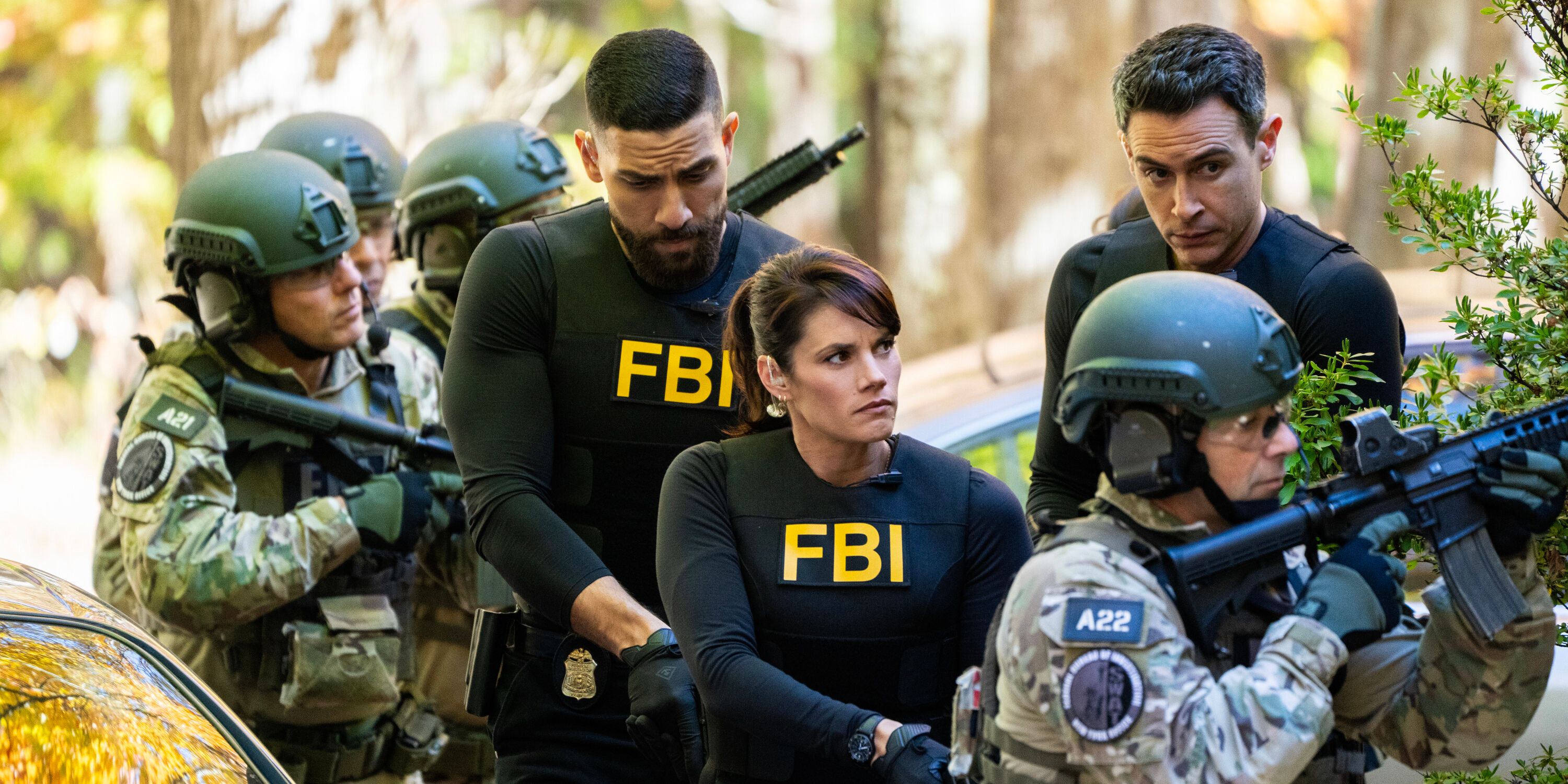
The "Special Agent" is the most recognizable position within the FBI. Unlike standard police officers, these professionals are typically trained to specialize in high-level forensic analysis, intelligence gathering, and specialized interview techniques. Becoming an agent is a rigorous process involving extensive background checks, physical fitness requirements, and specialized training at the FBI Academy in Quantico, Virginia.
The term "Special" in "Special Agent" signifies the designation that allows an agent to carry a firearm and exercise federal arrest authority. In 2026, the professional requirements remain highly competitive, often requiring candidates to hold specialized degrees in law, computer science, accounting, or foreign languages to combat the modern, increasingly technical landscape of criminal activity.
Frequently Asked Questions
What does the FBI do differently than local police? The FBI investigates crimes that span state lines or violate federal statutes. While local police handle street-level crimes like traffic violations or municipal disturbances, the FBI handles complex, often multi-jurisdictional investigations that require the resources of the federal government.
Is the FBI a military organization? No. The FBI is a civilian agency under the Department of Justice. While it works closely with the Department of Defense and military intelligence during investigations involving national security, it is not part of the Armed Forces and operates under civilian law.
Does the FBI investigate every crime in the United States? No. The vast majority of crimes in the United States are handled by local and state law enforcement. The FBI only becomes involved when a federal statute is violated or when the crime falls under the specific purview of federal investigative authority.
How can a member of the public contact the FBI? The public can report information via the official FBI "Tips" website or by contacting the nearest regional field office. The FBI maintains specific protocols for handling sensitive information and encourages the public to report suspicious activity related to national security or federal crimes through official channels only.
What is the difference between an Agent and an Analyst? Special Agents are the primary investigators who execute warrants, make arrests, and conduct field operations. Intelligence Analysts, by contrast, focus on the examination of data, identifying patterns, and producing reports that assist in the strategic decision-making process. Both roles are essential to the agency’s success.
Final Recommendations
Understanding the FBI requires recognizing it as a dynamic institution designed to protect the United States through a combination of intelligence and law enforcement. If you believe you have information relevant to a federal investigation, the most effective next step is to document your observations and submit them through the official FBI reporting portal found on their government website. Do not attempt to intervene in criminal matters personally; instead, rely on the established procedures for federal reporting to ensure the safety of all parties and the integrity of potential investigations.
Image Gallery