Why the Top 5 Strongest Marvel Villains Matter for You
The top five strongest Marvel villains matter because they serve as more than just physical obstacles for heroes; they represent the ultimate externalization of human fears, philosophical dilemmas, and the consequences of unchecked pow...
The top five strongest Marvel villains matter because they serve as more than just physical obstacles for heroes; they represent the ultimate externalization of human fears, philosophical dilemmas, and the consequences of unchecked power. By understanding these entities—ranging from cosmic forces like Galactus to the intellectual tyranny of Doctor Doom—you gain insight into the ethical complexities and existential questions that define modern storytelling and cultural psychology in 2026.
Contents
The Evolution of the Antagonist in 2026
As of 2026, the distinction between a "villain" and a "force of nature" has blurred within the Marvel Multiverse. We no longer view characters like the Beyonder or the One Below All simply as "bad guys" to be punched into submission. Instead, these entities act as mirrors. In a world increasingly defined by rapid technological shifts and global uncertainty, the strongest Marvel villains matter because they personify the systemic challenges we face in reality.
Power in the Marvel Universe is often a metaphor for agency. When we rank the strongest villains, we are essentially ranking the most significant threats to the status quo. For a reader or viewer, these characters provide a safe space to explore terrifying concepts: the end of the world, the loss of free will, or the corruption of a brilliant mind.
1. The One Below All: The Shadow of the Self
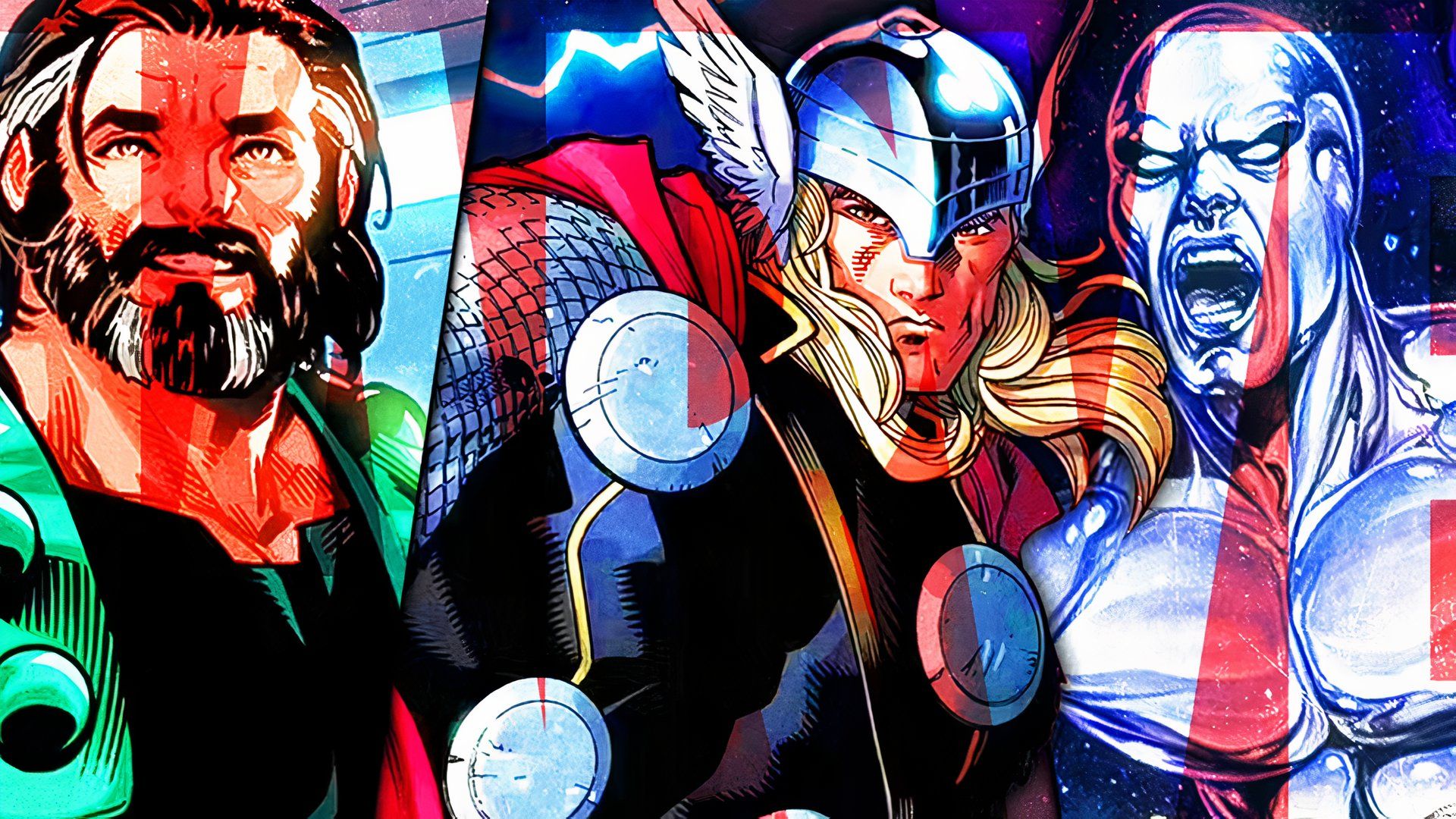
The One Below All is arguably the most powerful antagonistic force in Marvel lore, representing the dark reflection of the One Above All (the creator). Within the pages of Immortal Hulk and subsequent cosmic lore, this entity represents pure destruction and the "hulk" within every individual.
Why It Matters for You
This entity matters because it represents the psychological concept of the "Shadow"—the parts of ourselves we suppress or fear. When the One Below All attempts to hollow out the universe, it reflects the existential dread of losing one's identity to anger or nihilism. For the audience, this villain is a reminder that the greatest battles are often internal. Understanding this level of threat helps you appreciate the importance of emotional integration and the danger of letting one's "darker half" take the lead.
2. Thanos: The Ethics of Scarcity and Survival
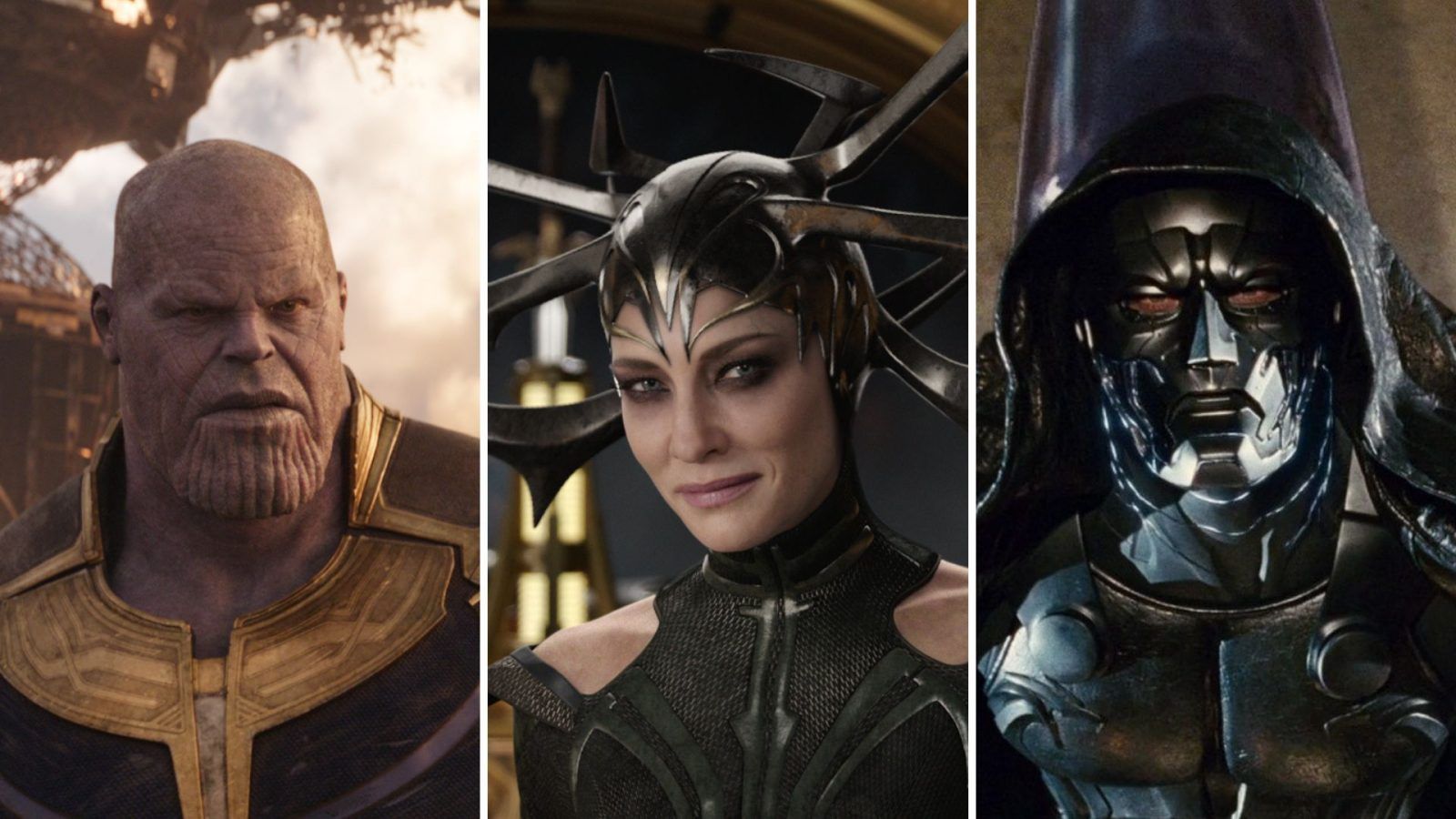
Thanos remains a central figure in 2026, not just because of his physical might or his mastery of the Infinity Stones, but because of his ideology. Whether in the comics’ quest for the affection of Death or the MCU’s Malthusian pursuit of balance, Thanos challenges the audience to confront a harrowing question: What is the price of survival?
Why It Matters for You
Thanos matters because he personifies the "end justifies the means" fallacy taken to its logical extreme. In a real world dealing with resource management, climate change, and population ethics, Thanos represents the danger of radical, unilateral "solutions." He is a cautionary tale about the arrogance of the intellectual who believes they alone have the will to save the world through destruction. By engaging with Thanos's narrative, you are forced to refine your own ethical boundaries regarding sacrifice and the value of individual life versus the collective.
3. The Beyonder: The Burden of Infinite Potential
The Beyonder (specifically in his Pre-Retcon or Secret Wars iterations) is an entity from outside our multiverse with the power to manipulate reality at a whim. He does not seek to conquer so much as he seeks to understand, often treating heroes and villains like pieces on a chessboard.
Why It Matters for You
The Beyonder matters because he represents the "outsider" perspective on human morality. He is the personification of raw, unearned power. In an era where AI and bio-engineering are granting humanity "god-like" capabilities, the Beyonder serves as a meditation on the lack of wisdom. He shows us that power without purpose or empathy is chaotic and ultimately hollow. He reminds the audience that the "meaning of life" is not something to be found through omnipotence, but through the struggle and connections inherent in being finite beings.
4. Doctor Doom: The Tyranny of Perfection
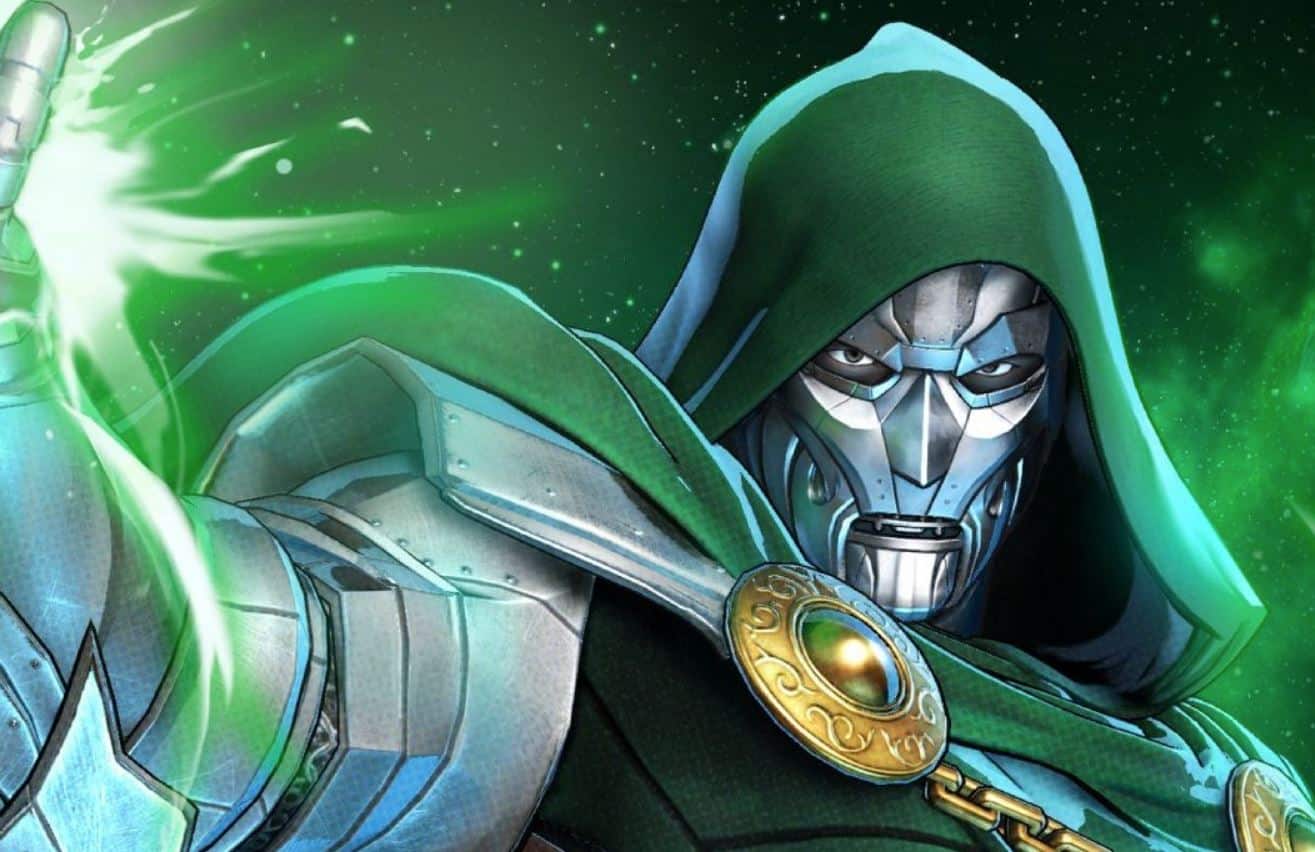
Victor Von Doom is often cited as the greatest Marvel villain because he combines peak human intellect, sorcery, and political power. In events like Secret Wars (2015), where he became "God Emperor Doom," he proved that he could literally hold the remnants of the multiverse together when the gods themselves failed.
Why It Matters for You
Doctor Doom matters because he is the most relatable "strongest" villain. He is a man who achieved godhood through sheer force of will and brilliance. However, he remains a villain because of his inability to let go of his ego. Doom represents the "benevolent dictator" archetype—the idea that the world would be perfect if only everyone would listen to one person. For you, Doom is a study in the fine line between leadership and tyranny, and a reminder that even the most "logical" solution is a nightmare if it strips away human freedom.
5. Galactus: The Inevitability of Change
Galactus is not a villain in the traditional sense; he is a cosmic necessity who must consume planets to maintain the balance of the universe. He is the "Devourer of Worlds," an entity that existed before the current universe and will likely exist after.
Why It Matters for You
Galactus matters because he personifies "The Inevitable." Whether it is mortality, environmental shifts, or the passage of time, Galactus represents forces that cannot be reasoned with, only navigated or delayed. He forces the heroes—and the audience—to confront the fact that some things are larger than human concerns. This perspective is vital for developing resilience. By watching characters face Galactus, we learn how to maintain dignity and hope in the face of overwhelming, impersonal forces.
Comparing the Impact of the Top 5
The following table breaks down these villains by their primary source of power and the specific "real-world" anxiety they reflect.
| Villain | Primary Power Source | Core Motivation | Human Reflection / Anxiety |
|---|---|---|---|
| The One Below All | Multiversal Entropy | Total Annihilation | Psychological "Shadow" / Nihilism |
| Thanos | Infinity Stones / Eternal Physiology | Universal "Balance" | Resource Scarcity / Moral Compromise |
| The Beyonder | Beyond-Realm Energy | Experimentation / Curiosity | Power without Wisdom / AI Ethics |
| Doctor Doom | Science / Sorcery / Willpower | Order / Superiority | Authoritarianism / The Ego |
| Galactus | Power Cosmic | Survival / Sustenance | Force of Nature / Climate Change |
The Psychological Value of High-Stakes Antagonists
Why do we continue to obsess over these characters in 2026? Psychologically, these villains provide "moral scaffolding." By presenting a threat that is absolute, they force the heroes to define what they truly stand for.
When you engage with a story featuring a villain like Doctor Doom, you aren't just watching a fight; you are witnessing a debate between the value of security (Doom’s order) and the value of liberty (the heroes’ struggle). These villains matter for you because they help you clarify your own values. In the chaos of modern life, seeing a hero maintain their integrity against a literal god provides a blueprint for maintaining one's own principles against the pressures of everyday society.
Furthermore, the "strongest" villains allow us to process collective trauma. The scale of their destruction often mirrors real-world disasters. By seeing these disasters overcome or managed by a team of flawed individuals (the Avengers, the X-Men, etc.), the audience experiences a sense of catharsis and empowerment.
Common Misconceptions About Power Rankings
It is easy to get lost in the "who would win" debates, but the physical strength of these villains is the least important thing about them. In 2026, savvy readers understand that power in Marvel is narrative-driven.
- Strength vs. Threat: A villain can be physically weak but narratively "stronger" if they represent a more pervasive idea. However, the Top 5 listed here are unique because they possess both the philosophical weight and the literal power to unmake reality.
- Villainy vs. Antagonism: Not all of these characters consider themselves evil. Galactus and the Beyonder often operate outside of human morality entirely. This distinction is crucial for you to understand, as it reflects the complexity of real-world conflicts where there are often no "evil" parties, only conflicting needs.
Frequently Asked Questions
Is Thanos still considered a top-tier threat in 2026?
Yes, Thanos remains a top-tier threat because his character has been revitalized in the comics and secondary media to represent the "Avatar of Death." Even without the Infinity Gauntlet, his tactical mind and physical resilience make him a benchmark against which all other villains are measured.
Why isn't Magneto on this list of the strongest?
While Magneto is a powerful mutant and a top-tier character, his power is generally limited to the planetary or solar system scale. The villains on this list—like the Beyonder and the One Below All—operate on a multiversal or cosmic-essential scale. Magneto matters for social commentary, but the "Top 5 Strongest" focus on entities that threaten the fabric of existence itself.
Can these villains ever be truly defeated?
Generally, no. Because these villains represent fundamental aspects of the human condition or the universe (e.g., Galactus as entropy, Doom as ego), they can be thwarted or delayed, but they are rarely "killed" permanently. Their recurring nature is part of why they matter; the problems they represent are ones that every generation must face anew.
How does understanding these villains help me in daily life?
By analyzing the motivations of "ultimate" villains, you develop better critical thinking skills regarding real-world power structures. For instance, recognizing "Doom-like" behavior in leadership can help you identify authoritarian tendencies early. It also provides a metaphorical framework for dealing with your own "internal villains" like self-doubt or anger.
Taking Action: Exploring the Narrative Further
To fully appreciate why these villains matter, your next step should be to move beyond summary lists and engage with the source material that defines their depth.
- Read Immortal Hulk (2018-2021): To understand the One Below All and the horror of the self.
- Study Secret Wars (2015): To see Doctor Doom at the peak of his power and the ultimate test of his character.
- Watch/Read Silver Surfer: Parable: To understand the philosophical weight of Galactus as a non-evil force of nature.
By looking at these characters as more than just "boss fights," you unlock a deeper understanding of the myths that shape our modern world. These villains matter because they are the shadows that define the light of the heroes we aspire to be.
Image Gallery