The Significance and History of the Number 12 for the Seattle Seahawks
The number 12 is a symbolic designation representing the loyal fan base of the Seattle Seahawks, famously retired by the franchise in 1984 to honor the spectators' impact on game outcomes. As a cultural fixture in the National Football...
The number 12 is a symbolic designation representing the loyal fan base of the Seattle Seahawks, famously retired by the franchise in 1984 to honor the spectators' impact on game outcomes. As a cultural fixture in the National Football League, it serves as a bridge between the players on the field and the supporters in the stands, manifesting through rituals, stadium architecture, and community engagement.
Contents
The Origin and Evolution of the 12th Man Tradition
The term "12th Man" traces its professional football roots to the Seattle Seahawks' decision to honor their fans in a manner rarely seen in professional sports. On December 15, 1984, the organization officially retired the number 12 jersey, signifying that the supporters were no longer just observers, but active participants in the defensive efforts of the team. This was a strategic acknowledgment of how crowd noise—particularly in the closed-roof environment of the former Kingdome and later at Lumen Field—could disrupt the offensive communication of opposing teams.
Over the decades, this concept has evolved from a simple gesture of gratitude into a fundamental component of the Seahawks' brand identity. In 2003, the team introduced the "Raising of the 12 Flag" ceremony, which has since become a pre-game ritual. This ceremony involves a notable figure, ranging from former Seahawks legends to prominent Pacific Northwest cultural icons, hoisting a flag emblazoned with the number 12 above the stadium. This act serves as an invitation to the crowd to maintain peak noise levels throughout the game.
Technical and Operational Impact on Game Day
The influence of the "12s"—as the fans are collectively known—is not merely atmospheric; it has measurable impacts on professional football operations. Communication in the NFL relies heavily on quarterback-to-sideline signals and cadence synchronization. High-decibel environments created by the home crowd force visiting teams to rely on non-verbal signals or risk frequent "delay of game" penalties and false starts caused by miscommunication in the huddle.
Lumen Field, where the Seahawks play, was specifically designed to maximize this acoustic advantage. The roof structure and the steep configuration of the seating tiers act as a natural amphitheater, reflecting sound back toward the field of play. This architecture ensures that even at partial capacity, the ambient sound levels can reach thresholds that historically rank among the highest in the league. For the Seahawks, this creates a distinct home-field advantage that acts as a 12th player on the roster, specifically benefiting the defense during third-down situations when the crowd is at its loudest.
The 12th Man Trademark and Legal Context
The usage of the term "12th Man" has historically involved complex trademark and licensing negotiations. While the term has roots in various collegiate football traditions, the Seattle Seahawks maintained a long-standing licensing agreement with Texas A&M University, which holds the primary trademark for the phrase in relation to football.
In 2016, the Seahawks transitioned their primary marketing terminology to "12s" or "The 12," while continuing to respect the deep-seated history associated with the original designation. This shift allowed the organization to cultivate a unique, localized identity that avoids potential trademark friction while still maintaining the core emotional connection with the fan base. For the modern observer, understanding this distinction is crucial to appreciating how the organization balances historical homage with contemporary branding requirements.
Comparison of Fan Engagement Roles
The following table delineates the functional differences between standard fan roles and the specific status of the "12s" within the Seahawks ecosystem.
| Feature | Standard NFL Fanbase | The Seattle Seahawks "12s" |
|---|---|---|
| Designation | General spectators | Official 12th Man / 12s |
| Retired Number | No | Yes (Number 12) |
| Pre-game Ritual | Tailgating / Entrance | Raising of the 12 Flag |
| Tactical Role | Passive support | Active disruption of opponents |
| Organization Link | Membership / Ticket sales | Formalized team identity |
Community Engagement and the 12 Flag
The number 12 has extended beyond the stadium walls, becoming a regional symbol in Washington State and the Pacific Northwest. The "Flag Raiser" program is perhaps the most visible aspect of this extension. By inviting community leaders, military personnel, and local sports figures to raise the flag, the Seahawks integrate the 12th Man identity into the broader social fabric.
This practice fosters a sense of stewardship among the fans. Participation in the "Sea Gals" cheers, the synchronized stadium waves, and the massive display of "12" banners create a cohesive unit. For the organization, this creates a stable fan base that persists through cycles of roster turnover. It provides a sense of continuity, ensuring that while individual players—even star quarterbacks or legendary coaches—may move on, the 12th Man remains a permanent fixture of the franchise.
Frequently Asked Questions
Is the number 12 actually worn by a player on the Seahawks? No, the number 12 is permanently retired by the Seattle Seahawks. It is officially dedicated to the fans, and no player in the team's history has been assigned that number since it was retired in 1984.
Why is the 12th Man sometimes referred to as the 12s? The change to "12s" was largely adopted to clarify branding and maintain independent intellectual property identity. It allows the Seahawks to market products and experiences using the number 12 without infringing on trademarks held by collegiate programs.
Does the crowd noise at Lumen Field truly impact the game? Yes, the acoustic design of Lumen Field is engineered to trap sound. Opposing teams frequently cite the "home-field advantage" in Seattle as a primary challenge, often requiring the use of silent counts for their snap signals to overcome the volume.
Who gets to raise the 12 Flag? The flag raiser is chosen by the organization for each home game. Recipients are typically individuals who have made significant contributions to the Seattle community, former Seahawks players, or representatives from local military and charitable organizations.
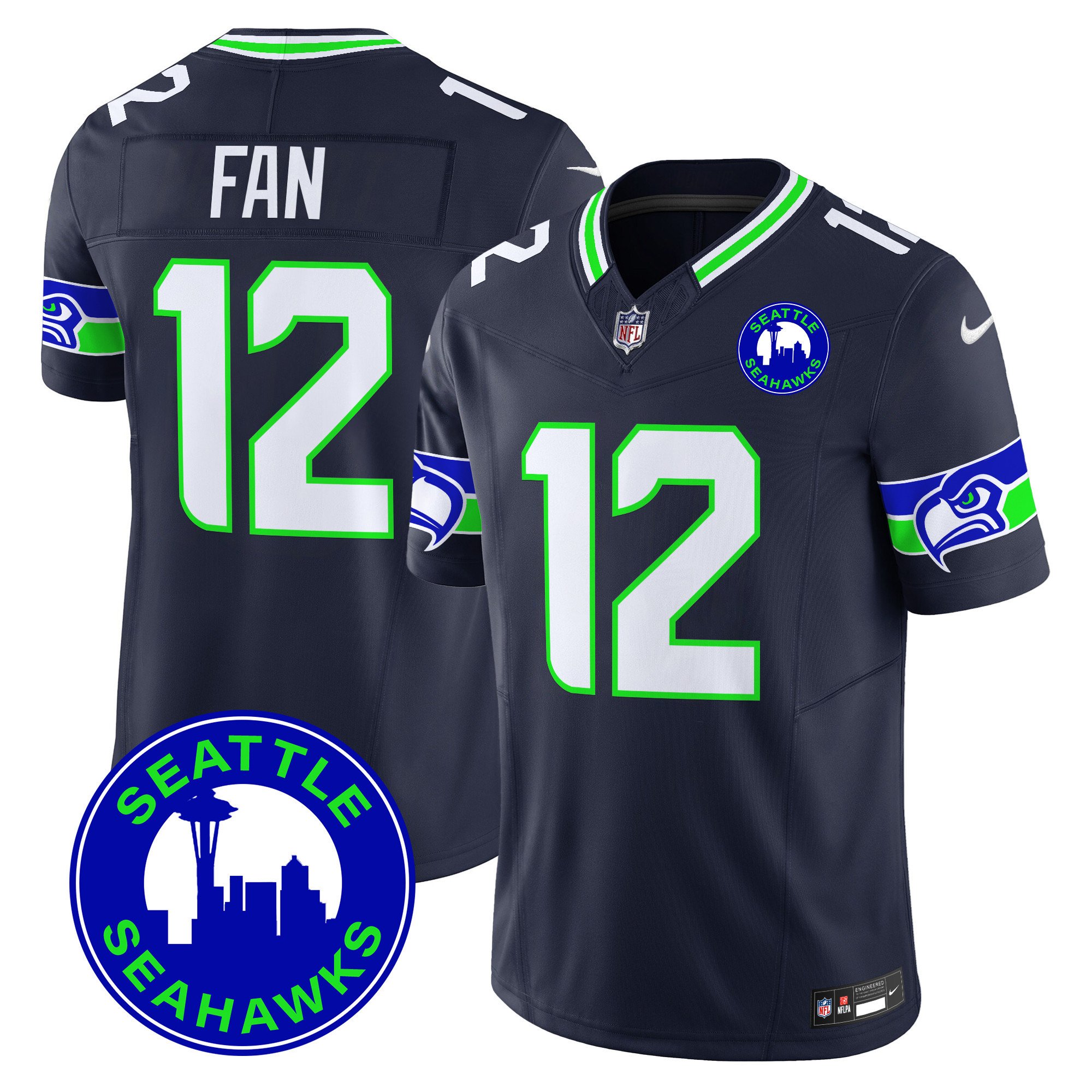
Can I purchase merchandise with the number 12? Yes, the Seahawks maintain a robust line of official merchandise featuring the number 12. These items are officially licensed and represent the primary way the team engages with the fanbase regarding the 12th Man identity.
Practical Recommendation for Fans
For those looking to engage with this history, the best point of entry is the pre-game ceremony at Lumen Field. If you are attending a game, arrive at least 45 minutes before kickoff to witness the Raising of the 12 Flag. This provides not only a better understanding of the team's culture but also an opportunity to participate in the collective effort that the team relies on during critical defensive drives. If you are unable to attend in person, the Seahawks official website maintains an archive of past flag raisers and documentation regarding the history of the number 12, which offers further insight into how this tradition continues to grow in 2026.
Image Gallery