Traveling Safely When Pregnant: A Comprehensive Guide for Expectant Mothers
Traveling during pregnancy is generally safe for most women, provided there are no underlying medical complications and the pregnancy is progressing as expected. While many obstetricians clear travel during the second trimester, the co...
Traveling during pregnancy is generally safe for most women, provided there are no underlying medical complications and the pregnancy is progressing as expected. While many obstetricians clear travel during the second trimester, the core of safety relies on careful planning, understanding airline and transit policies, and maintaining proactive health measures throughout the journey to mitigate risks associated with venous thrombosis and dehydration.
Contents
Assessing Your Personal Health Status
Before finalizing any travel itinerary, the most critical step is a formal consultation with your obstetrician or midwife. Pregnancy is highly individualized; what is considered low-risk for one person may be contraindicated for another due to conditions such as preeclampsia, gestational diabetes, placenta previa, or a history of preterm labor.
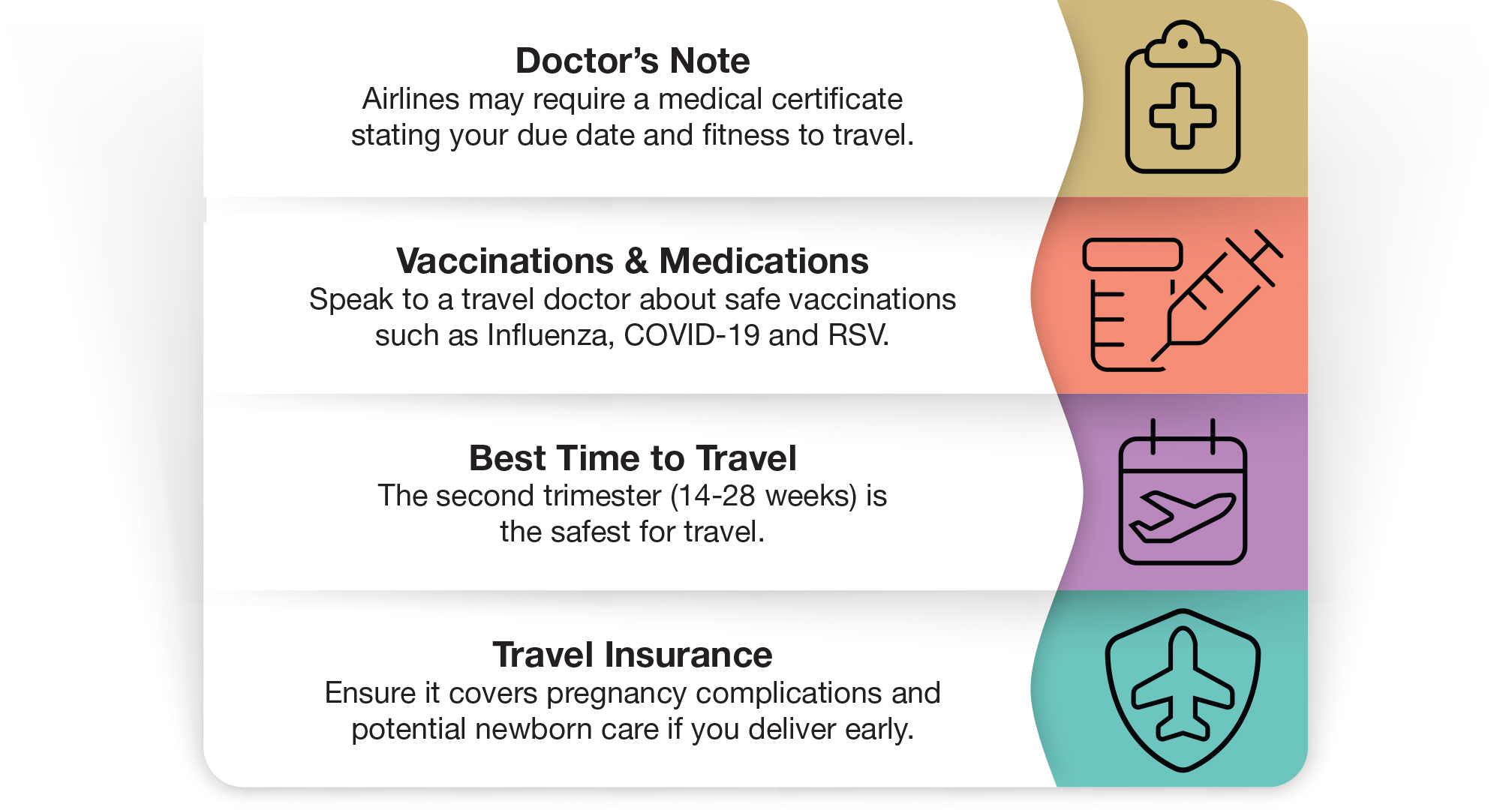
Your healthcare provider can assess your "fit-to-fly" status based on your specific gestational week. In 2026, most major international airlines have updated their policies to require a medical certificate for pregnant passengers traveling beyond the 28th to 32nd week of gestation. Always request a written summary of your medical history, including your blood type and current prenatal records, to carry with you. This documentation is invaluable should you need to seek care in an unfamiliar jurisdiction where your primary electronic health records are not accessible.
Optimal Timing for Travel
The consensus among reproductive health experts suggests that the second trimester (weeks 14 to 28) is the "golden window" for travel. During this phase, the common symptoms of early pregnancy—such as severe morning sickness and profound fatigue—typically subside, and the physical limitations associated with the third trimester have yet to emerge.
Traveling during the third trimester carries increased risks, primarily because the potential for spontaneous labor, although rare in uncomplicated pregnancies, becomes a logistical concern. Most commercial airlines impose a "no-fly" period starting around 36 weeks for domestic flights and 32–34 weeks for international travel, primarily to avoid the complications of an in-flight delivery. Always verify the specific cutoff dates for your chosen carrier, as these rules are strictly enforced for passenger safety and insurance liability.
Mitigating In-Flight and Transit Risks
Prolonged immobility is a primary health concern for pregnant travelers, as pregnancy naturally increases the risk of deep vein thrombosis (DVT) and blood clots. To minimize this risk during long-haul flights, trains, or car rides:
- Hydration: Aim for consistent, moderate water intake. Avoid caffeinated and carbonated beverages, which can contribute to dehydration and bloating.
- Movement: If flying, secure an aisle seat to facilitate frequent movement. Walk the cabin aisle at least once every 60 to 90 minutes.
- Compression Gear: Consult your physician regarding the use of medical-grade compression stockings. These garments assist in blood circulation and reduce peripheral edema (swelling in the lower extremities).
- Seatbelt Positioning: Always fasten the lap belt beneath your abdomen, across your pelvic bones, never directly over the uterus.
Comparison of Transit Safety Factors
| Transit Mode | Primary Benefit | Risk Factor | Mitigation Strategy |
|---|---|---|---|
| Commercial Aviation | Speed of travel | Dehydration / DVT risk | Compression socks and hydration |
| Train/Rail | Mobility within cabin | Longer transit duration | Periodic movement and stretching |
| Personal Vehicle | Control over schedule | Motion sickness / Fatigue | Stop every 2 hours for movement |
| Cruise Ship | Medical facilities | Norovirus risk / Seasickness | Verify ship medical capabilities |
Nutrition and Food Safety Abroad
Maintaining a balanced diet is essential during pregnancy, but travel often complicates food safety. Exposure to foodborne pathogens, such as Listeria or Toxoplasma, can be more dangerous during pregnancy.
Stick to well-cooked, hot meals and avoid high-risk items commonly found in buffet settings or local street markets, such as unpasteurized dairy, raw shellfish, or unwashed produce. When traveling internationally, utilize bottled or purified water exclusively. Even in locations with treated tap water, the change in microbial flora can trigger gastrointestinal distress, which leads to rapid dehydration. Pack your own healthy, shelf-stable snacks—such as nuts, dried fruit, or protein bars—to avoid reliance on airport or transit-station food, which is often high in sodium and low in nutrient density.
Navigating Insurance and Emergency Medical Care
Before departure, it is imperative to verify your health insurance coverage. Many domestic policies provide limited or no coverage for international medical emergencies, and standard travel insurance may exclude pregnancy-related conditions as "pre-existing" unless specific "cancel for any reason" or "medical-related" riders are added.
Research the healthcare infrastructure at your destination. Identify the location of the nearest hospital equipped with an obstetric unit. In the event of an emergency, being prepared with the contact information for local emergency services and your primary obstetrician ensures that any medical decision-making is informed by your history.
Common Challenges and Troubleshooting
Even with the best preparations, travel can be unpredictable. Here is how to handle common issues:
- Motion Sickness: Pregnancy heightens sensitivity to motion. If you suffer from severe morning sickness, talk to your doctor about safe, over-the-counter anti-nausea aids or acupressure wristbands.
- Edema (Swelling): It is normal for feet and ankles to swell during travel, especially on flights. Elevate your legs whenever possible and remove restrictive footwear. If you experience sudden, severe swelling in your hands or face, or accompanied by a headache, seek immediate medical attention, as these can be signs of pregnancy-induced hypertension.
- Fatigue: Allow for "buffer days" in your itinerary. Do not plan rigorous sightseeing immediately upon arrival. Allow your body to adjust to time zone changes and the physical toll of travel.
Frequently Asked Questions
Can I fly if I am in my first trimester?
Yes, traveling in the first trimester is generally safe, though you may feel more tired or experience nausea. If you are struggling with hyperemesis gravidarum (severe vomiting), postpone travel until your symptoms are managed by a physician.
Are full-body airport scanners safe for pregnant women?
Yes. Airport security scanners (millimeter wave technology) use non-ionizing radiation. These are considered safe for pregnant women and their developing babies, as they do not emit the ionizing radiation associated with X-ray machines.
Should I bring my prenatal vitamins and medications?
Always keep all medications, including prenatal vitamins and any prescribed supplements, in their original containers with your name clearly visible. Carry them in your hand luggage to avoid loss in checked bags.
What should I do if I experience cramping during the flight?
If you experience persistent abdominal cramping or spotting, alert the flight crew. While it may be related to simple dehydration or gas, it is important to be evaluated by a healthcare professional as soon as you land to rule out complications.
Does travel insurance cover pregnancy complications?
Coverage varies significantly. You must read the "exclusions" section of your policy. Many policies only cover "unexpected" complications and may not cover routine care or complications arising from high-risk pregnancies.
Is it safe to use cruise ship spas or pools?
Avoid hot tubs, saunas, and steam rooms, as elevated core body temperatures are not recommended during pregnancy. Regarding pools, ensure the water is properly chlorinated and avoid "lazy rivers" or high-impact water slides where the risk of abdominal trauma is present.
Final Recommendation
Your priority when traveling while pregnant is to maintain stability in your physical environment and your medical access. Start by securing a written travel clearance from your provider, purchase a comprehensive travel insurance policy that explicitly includes pregnancy coverage, and prioritize hydration and mobility above all else. If at any point you feel your health is compromised, do not hesitate to pivot your plans; your safety and the health of your pregnancy are the only priorities that matter.
Image Gallery