Why Wallet Identity Verification Matters for Workers in 2026
Wallet identity verification allows workers to securely store and share verified credentials—including professional licenses, degrees, and work history—directly from a digital wallet. This technology eliminates repetitive background ch...
Wallet identity verification allows workers to securely store and share verified credentials—including professional licenses, degrees, and work history—directly from a digital wallet. This technology eliminates repetitive background checks, enhances data privacy through decentralized storage, and accelerates hiring by providing "instant trust" via cryptographically signed proofs of identity and qualifications.
Contents
In the 2026 labor market, the traditional resume is no longer the primary currency of trust. As remote work, global freelancing, and the "liquid workforce" have become standard, the infrastructure of employment has shifted toward decentralized identity. Wallet identity verification—often built on the principles of Self-Sovereign Identity (SSI)—has moved from a niche technical concept to a fundamental requirement for modern professionals. This system empowers workers to own their professional persona rather than leaving it scattered across various HR databases, background check agencies, and social media platforms.
The Evolution of Professional Identity
Historically, verifying a worker’s identity and qualifications was a fragmented, slow, and expensive process. Employers relied on third-party verification services to call universities, check criminal records, and confirm previous employment. This often took weeks, during which the worker remained in a state of professional limbo. Furthermore, workers had no control over the data stored by these agencies, making them vulnerable to data breaches and identity theft.
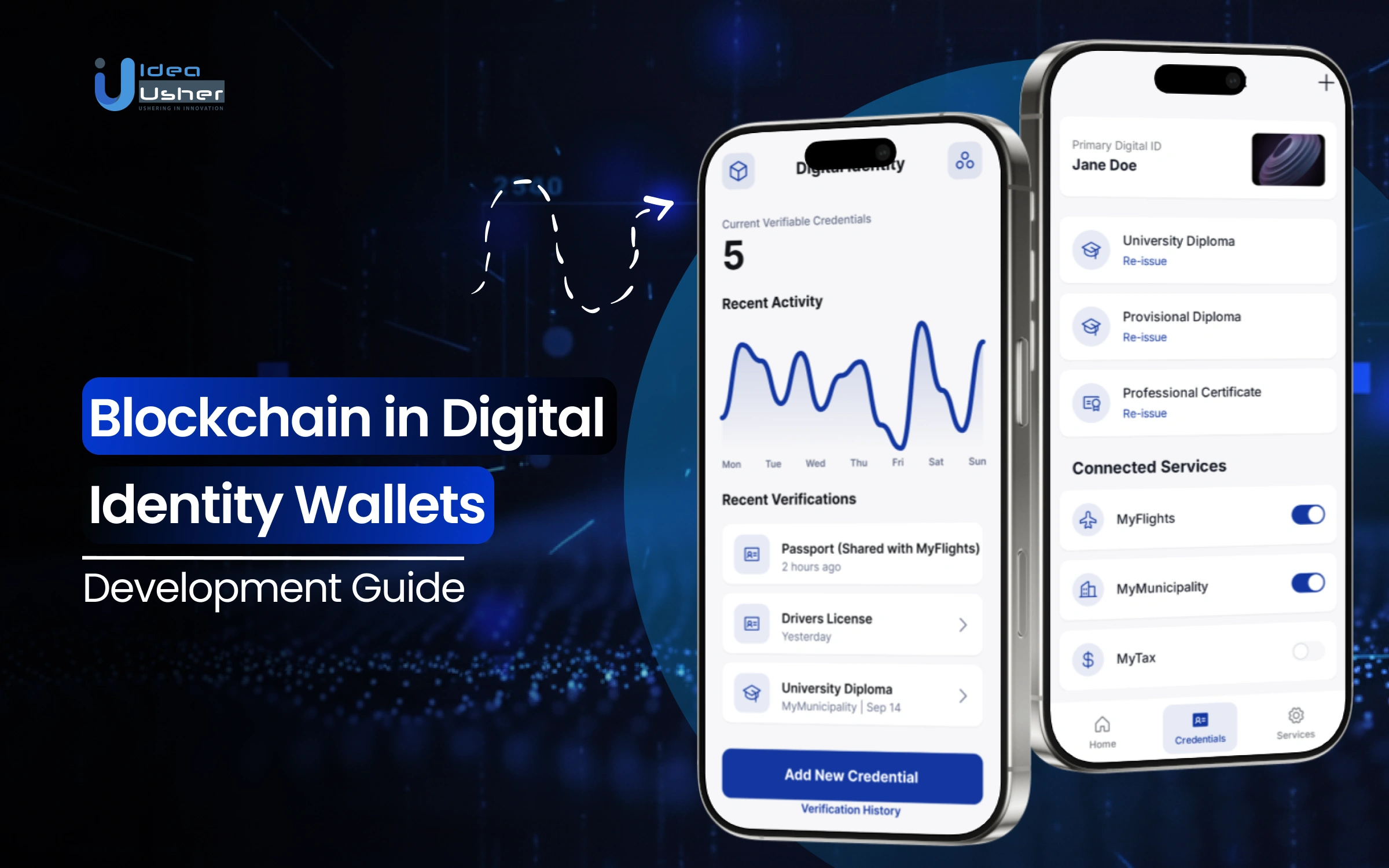
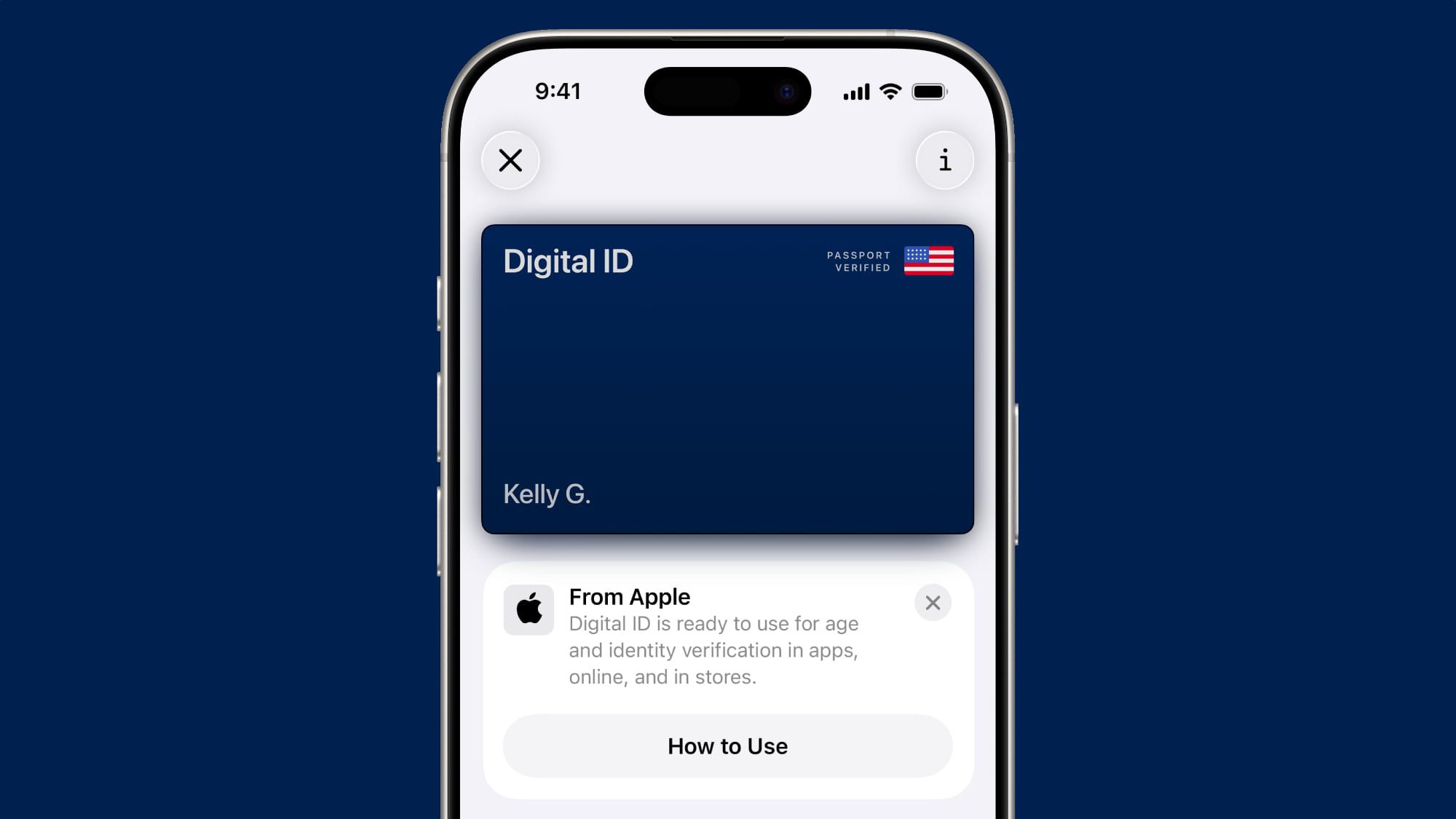
By 2026, the adoption of digital identity wallets has streamlined this process. These wallets are applications—either standalone or integrated into mobile operating systems—that hold Verifiable Credentials (VCs). A VC is a digital version of a physical document, such as a driver's license, a university diploma, or a specialized certification like a Project Management Professional (PMP) credential. Unlike a simple PDF, a VC is cryptographically signed by the issuer, making it tamper-proof and instantly verifiable by any employer or platform without needing to contact the original source.
How Wallet Verification Works for the Modern Worker
The mechanism of wallet identity verification relies on a "triangle of trust" involving three parties: the Issuer, the Holder (the worker), and the Verifier (the employer).
- Issuance: An institution (e.g., a university or a former employer) issues a digital credential to the worker. This credential is cryptographically signed and sent directly to the worker’s digital wallet.
- Storage: The worker stores this credential in their identity wallet. Crucially, the data is not stored on a central server owned by the wallet provider; it is stored locally or in a decentralized manner, ensuring the worker has sole control over who sees it.
- Verification: When applying for a job, the worker presents the necessary credentials from their wallet. The employer’s system checks the cryptographic signature against a public ledger or a decentralized identifier (DID) registry. This confirms that the credential is valid, has not been tampered with, and was indeed issued by the claimed institution.
This process happens in seconds. For workers, this means the end of "onboarding fatigue," where the same personal information must be entered into dozens of different portals.
Key Benefits of Identity Wallets for Workers
The shift to wallet-based verification offers several transformative advantages that directly impact a worker’s career mobility and security.
Ownership and Portability of Data
In the past, if a company went bankrupt or a university’s records department was unresponsive, a worker might struggle to prove their tenure or education. With identity wallets, the worker owns the record. Once a credential is issued to the wallet, it remains with the worker regardless of their employment status. This "portable career history" is essential for gig workers who move between multiple platforms and need to prove their reputation and skills across different ecosystems.
Enhanced Privacy via Zero-Knowledge Proofs (ZKP)
One of the most significant technical milestones of 2026 is the widespread use of Zero-Knowledge Proofs in identity wallets. ZKPs allow a worker to prove a claim is true without revealing the underlying data. For example, a worker can prove they are over 18 years old without revealing their exact date of birth, or prove they have a salary history above a certain threshold without sharing their bank statements. This "selective disclosure" protects workers from over-sharing sensitive personal information with potential employers.
Reduced Fraud and "Credential Inflation"
Identity fraud and resume padding have long plagued the hiring process. Wallet identity verification makes it virtually impossible to forge credentials. Because every entry in the wallet is digitally signed by the issuing authority, employers can trust the data implicitly. For honest workers, this creates a fairer playing field where legitimate skills and experiences are recognized, and those with fraudulent backgrounds are filtered out automatically.
Comparing Verification Methods in 2026
To understand the impact of this technology, it is helpful to compare the traditional verification model with the modern wallet-based approach.
| Feature | Traditional Verification (Pre-2024) | Wallet Identity Verification (2026) |
|---|---|---|
| Speed | 3 to 14 Business Days | Instantaneous / Real-time |
| Data Control | Held by employers and 3rd-party agencies | Held by the worker (User-centric) |
| Cost to Employer | $50 - $300 per background check | Near-zero (marginal verification cost) |
| Security | High risk of centralized data breaches | Cryptographic security / Decentralized |
| Accuracy | Prone to human error and forgery | High (Cryptographically guaranteed) |
| Worker Privacy | Low (Full dossiers shared) | High (Selective disclosure/ZKPs) |
The Regulatory and Technical Landscape
The rise of wallet identity verification is supported by robust global standards and regulations. In 2026, the European Union's eIDAS 2.0 framework has set a global benchmark, requiring member states to provide digital identity wallets to all citizens. In the United States, several states have moved beyond mobile driver's licenses (mDLs) to support full professional credentialing within digital wallets, governed by W3C (World Wide Web Consortium) standards for Verifiable Credentials and Decentralized Identifiers.
W3C Standards
The W3C Verifiable Credentials Data Model is the backbone of this technology. It ensures that a wallet created by one provider (like Apple or a specialized privacy-focused developer) can communicate seamlessly with a verification portal used by a global corporation. This interoperability is what prevents "walled gardens," ensuring that workers are not locked into a single software provider for their professional identity.
Privacy Regulations
Laws like the GDPR in Europe and the CCPA/CPRA in California have evolved to recognize the right to data portability. Wallet identity verification is the technical realization of these legal rights, allowing workers to "take their data with them" when they leave an organization.
Common Challenges and Troubleshooting
While the benefits are clear, the transition to wallet-based identity is not without hurdles. Workers must be aware of how to manage their digital assets securely.
- Losing Access to the Wallet: Since many identity wallets are decentralized, there is no "Forgot Password" button that sends an email to a central server. Workers must use secure backup methods, such as social recovery (where trusted contacts help verify identity) or encrypted cloud backups, to ensure they don't lose their credentials if they lose their device.
- Employer Adoption: While large enterprises have adopted these systems, some small-to-medium businesses (SMBs) may still rely on older methods. Workers in 2026 often find themselves carrying both a digital wallet and keeping digital copies of traditional documents as a fallback.
- Interoperability Issues: Occasionally, a credential issued in one jurisdiction might not be recognized by a verifier in another due to differing trust frameworks. Standard bodies are continuously working to harmonize these "trust registries" to allow for truly global professional mobility.
Next Steps for Workers: Building Your Digital Identity
For workers looking to stay competitive in 2026, managing a digital identity wallet is as important as maintaining a traditional resume used to be.
- Select a Compliant Wallet: Choose an identity wallet that supports W3C standards and offers strong encryption. Ensure it allows for local storage of your data.
- Request Credentials from Issuers: When completing a course, earning a degree, or leaving a job, proactively ask the institution to issue a Verifiable Credential to your wallet. Most major universities and HR software suites (like Workday or SAP) now support this natively.
- Audit Your Permissions: Periodically review which employers or platforms have access to your shared credentials. One of the best features of 2026-era wallets is the ability to revoke access to your data once a contract or hiring process is complete.
- Secure Your Device: Treat your identity wallet with the same level of security as a financial application. Use biometric authentication and keep your recovery keys in a secure, offline location.
Wallet identity verification is more than just a technical convenience; it is a shift in the power dynamic of the labor market. By placing the "proof" of identity and skill back into the hands of the individual, it fosters a more transparent, secure, and efficient world of work.
Image Gallery