Finding and Organizing Volunteer Trash Pickup Near You in 2026
Finding volunteer trash pickup opportunities near you involves checking local municipal environmental departments, joining national non-profit initiatives like Keep America Beautiful, or using digital platforms such as VolunteerMatch a...
Finding volunteer trash pickup opportunities near you involves checking local municipal environmental departments, joining national non-profit initiatives like Keep America Beautiful, or using digital platforms such as VolunteerMatch and Clean Swell. In 2026, community-led cleanups have become highly streamlined, often integrating mobile data tracking to measure environmental impact and facilitate local government support.
Contents
Navigating Local and National Cleanup Opportunities
The search for "volunteer trash pickup near me" typically leads to a variety of pathways, ranging from informal neighborhood groups to highly structured state-sponsored programs. As of 2026, the emphasis on local environmental stewardship has intensified, leading to a surge in available resources for both individual volunteers and large organizations.
Municipal and County Programs
The most direct way to find a local event is through your city or county’s waste management or public works department. Most municipalities maintain a "Volunteer Services" or "Environmental Quality" webpage. These departments often host seasonal events, such as "Spring Clean City" or "Earth Day" drives, where they provide the necessary infrastructure—such as heavy-duty trash bags, gloves, and designated pickup points for collected waste—that individuals might lack.
National Non-Profit Organizations
Several major organizations operate year-round and provide searchable databases for local chapters.
- Keep America Beautiful (KAB): Through its massive network of over 600 state and local affiliates, KAB organizes the Great American Cleanup. This program, which remains the largest community improvement program in the United States, typically runs from March through June, but local affiliates host events throughout the year. You can visit Keep America Beautiful to find an affiliate in your zip code.
- Ocean Conservancy: For those living near coastlines or waterways, the International Coastal Cleanup is the primary resource. Their "Clean Swell" app allows users to find nearby group cleanups or log solo efforts that contribute to a global database of marine debris. Information is available at Ocean Conservancy.
- Surfrider Foundation: This organization focuses heavily on beach cleanups and water quality, with chapters located across the Atlantic, Pacific, Gulf, and Great Lakes coasts.
Digital Volunteer Databases
If local government sites are difficult to navigate, centralized volunteer portals are excellent alternatives. Sites like VolunteerMatch and Idealist allow you to filter by the "Environment" category and your specific location. These platforms are particularly useful for finding recurring opportunities, such as weekly park maintenance groups or non-profit "stewards" programs that require a consistent commitment.
The Logistics of Joining a Cleanup
Before heading out to a volunteer event, it is essential to understand the requirements and expectations. While many "community cleanup days" are open to the public without prior registration, larger or more specialized events often require a sign-up process for insurance and supply-allocation purposes.
Registration and Waivers
Most organized cleanups in 2026 require volunteers to sign a liability waiver. This is standard practice to protect the organizing entity in the event of injury from sharp objects, uneven terrain, or traffic. For minors, a parent or guardian signature is almost universally required. If you are seeking community service hours for school or legal requirements, ensure the organization is a registered 501(c)(3) and ask for a verification letter before the event begins.
Required Supplies and Gear
While many organizations provide basic supplies, coming prepared ensures a more productive and safer experience. The standard "cleanup kit" includes:
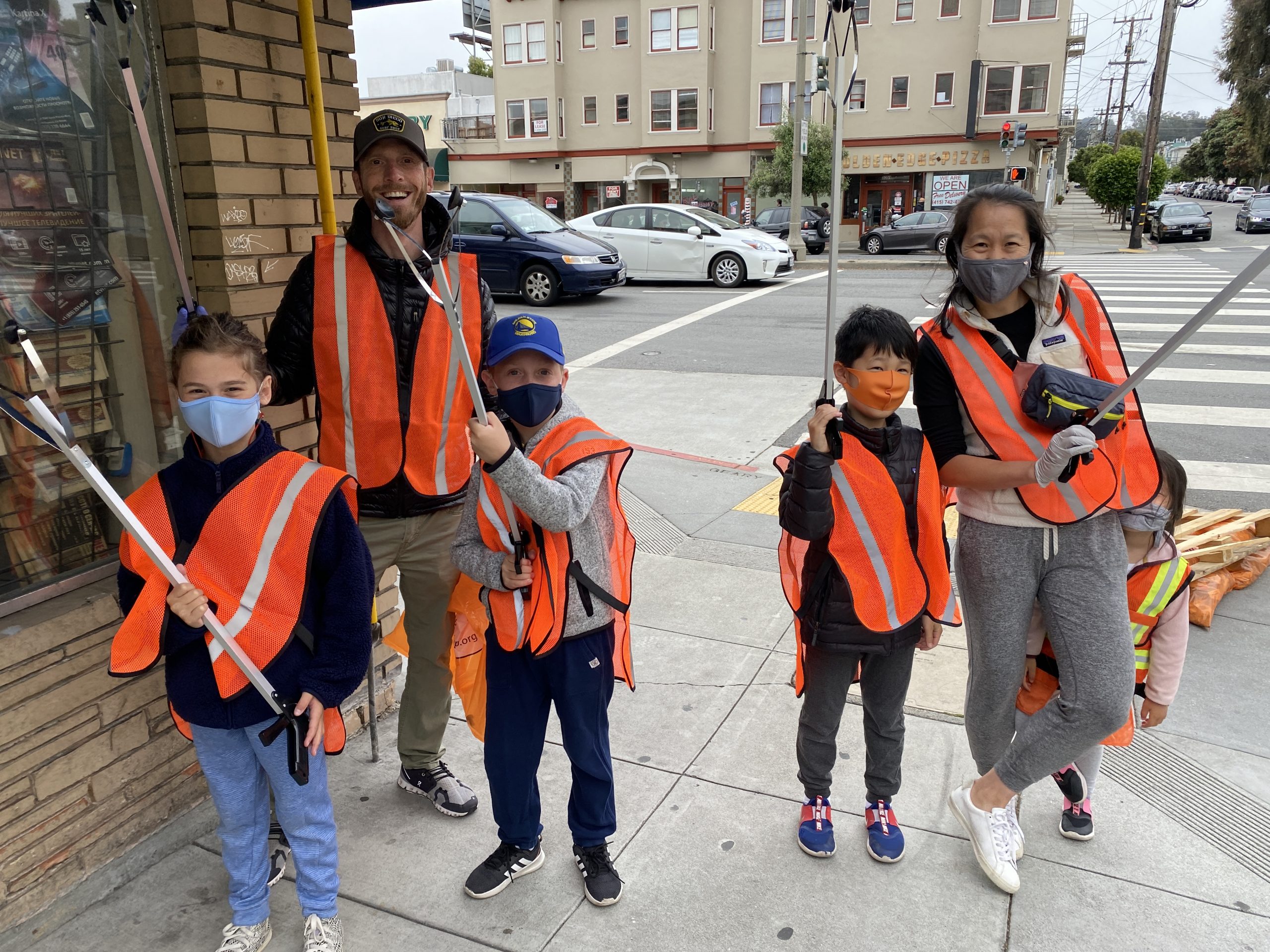
- Heavy-duty gloves: Nitrile-coated or leather gloves are superior to standard garden gloves as they provide better protection against punctures from glass or metal.
- Litter reachers/grabbers: These tools reduce the need for constant bending, protecting the volunteer's back and keeping hands away from potentially hazardous materials.
- Bright clothing: If cleaning near a roadway, a high-visibility (neon yellow or orange) safety vest is mandatory.
- Sturdy footwear: Closed-toe shoes or boots are essential to prevent injury from hidden debris in tall grass or sand.
Group vs. Solo Volunteering
Individual "micro-volunteering" has gained popularity in 2026. This involves picking up trash during a daily walk or run (often called "plogging"). While solo efforts are valuable, group cleanups offer the advantage of "bulk" disposal. When you volunteer with an organized group, the city usually coordinates a special truck to haul away the collected bags, whereas solo volunteers must often find a way to dispose of the waste within their own residential trash limits.
Safety Protocols and Best Practices
Safety is the most critical component of any volunteer trash pickup. Urban and roadside environments contain hazards that require specific handling protocols.
Identifying Hazardous Waste
Volunteers should never handle "red flag" items. If you encounter any of the following, do not attempt to move them; instead, mark the location and notify the event organizer or local authorities:
- Medical Waste: Syringes and needles (unless you have a designated sharps container and specific training).
- Chemicals: Unlabeled jugs, car batteries, or leaking containers.
- Large Debris: Items like tires, mattresses, or appliances often require specialized equipment to move safely.
- Human Waste: Often found in encampments or roadside stops; these areas require professional biohazard remediation.
Roadside Safety
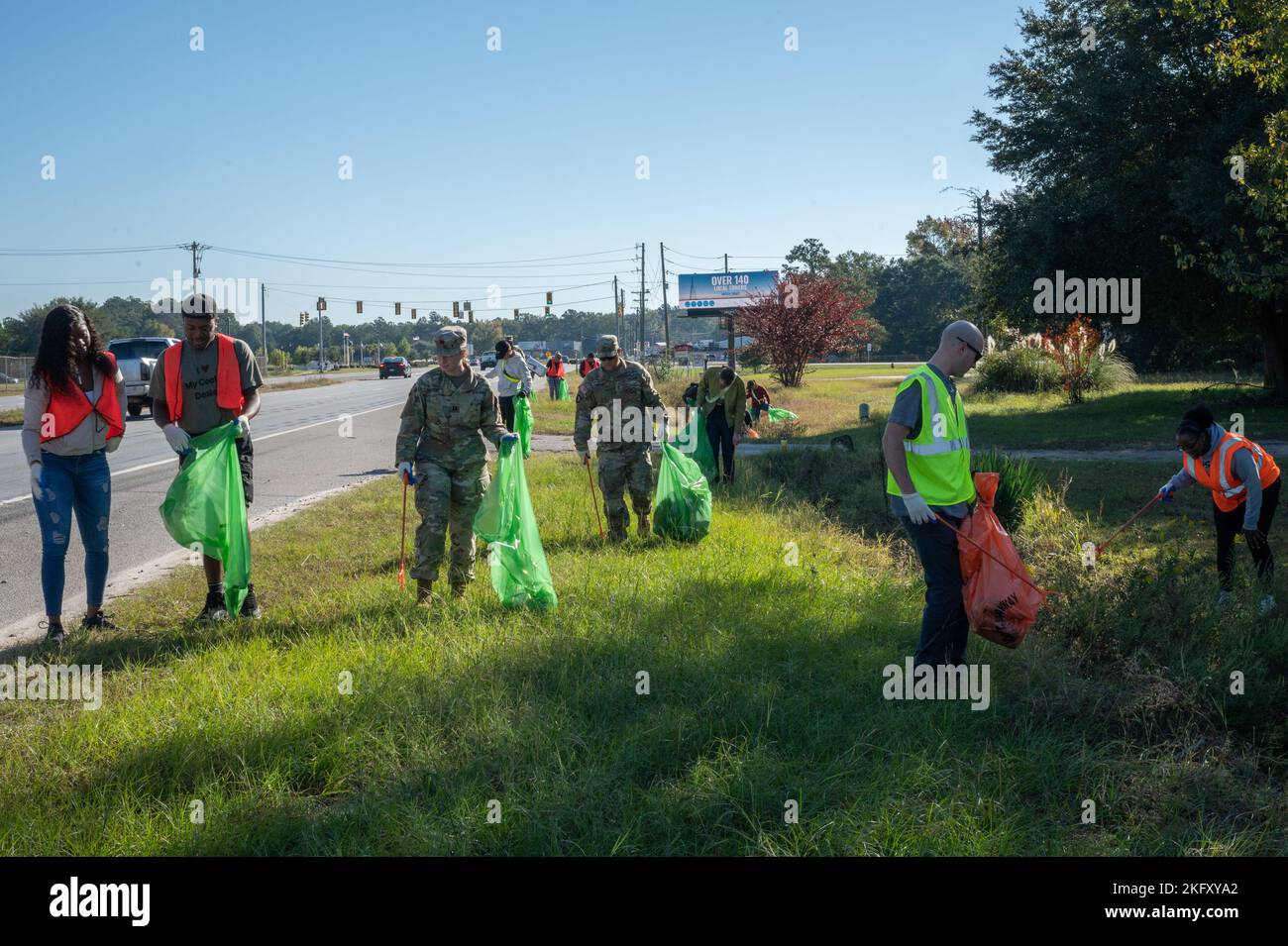
Roadside cleanups are statistically the most dangerous form of trash pickup. The Adopt-a-Highway program, managed by state Departments of Transportation (DOT), has strict rules. Volunteers must usually be at least 12 or 16 years old, attend a safety briefing, and work only during daylight hours in fair weather. Always work facing traffic so you can see oncoming vehicles.
Proper Sorting and Disposal
In 2026, "cleanups" are increasingly becoming "sort-ups." Rather than throwing everything into a single landfill-bound bag, many groups now sort materials on-site.
- Recyclables: Aluminum cans and clean plastic bottles (PET #1 and HDPE #2) are the most commonly recovered recyclables.
- Landfill: Paper contaminated by food, plastic film, and broken glass usually goes to the landfill.
- Special Waste: Tires and electronics (e-waste) should be set aside for specialized recycling facilities.
Comparison of Common Cleanup Initiatives
The following table compares the different types of volunteer cleanup programs available to help you decide which fits your availability and interests.
| Program Type | Primary Focus | Best For | Typical Provider |
|---|---|---|---|
| Adopt-a-Highway | Roadside litter | Long-term groups (Businesses, Clubs) | State DOT |
| Great American Cleanup | Parks, trails, and urban areas | Families and seasonal volunteers | Keep America Beautiful |
| Coastal Cleanups | Marine debris and beaches | Coastal residents and students | Ocean Conservancy |
| Adopt-a-Spot | Small local areas (Bus stops, corners) | Individual neighbors | City Council / Public Works |
| Plogging Groups | Fitness and litter removal | Runners and walkers | Local Meetup / Social Media |
Organizing Your Own Local Cleanup
If you cannot find an existing event near you, organizing a grassroots cleanup is a highly effective way to improve your community. In 2026, the process is streamlined through digital permitting and community engagement tools.
Step 1: Site Selection and Permission
Identify a "hotspot"—a park, alleyway, or stream that suffers from chronic littering. Ensure the land is public. If it is private property, you must obtain written permission from the owner. Contact your local Parks or Public Works department to see if they can provide a "Cleanup Permit," which often grants you free disposal at the local landfill or a scheduled truck pickup.
Step 2: Logistics and Supplies
Determine where the trash will go once it is bagged. This is the most common failure point for DIY cleanups. If the city will not pick it up, you must have a plan to transport the waste to a transfer station. You can often solicit donations from local hardware stores for bags and gloves in exchange for mentioning them in your event's social media promotion.
Step 3: Recruitment
Use social media platforms like Nextdoor or Facebook Groups to recruit neighbors. Clearly state the date, time, meeting location, and what volunteers should bring (e.g., "bring your own water bottle"). Create a digital sign-up sheet to track the number of participants, which is useful for logistics and for reporting the event's success afterward.
Step 4: Execution and Reporting
On the day of the event, hold a five-minute safety briefing. Remind volunteers not to pick up hazardous materials and to stay within the designated boundaries. After the cleanup, take photos of the "pile" of collected trash. This visual evidence is powerful for securing future funding or government support. Many groups in 2026 use the Litterati or Clean Swell apps to photograph and tag each piece of trash, creating a data map that can help the city identify where more trash cans or "No Littering" signs are needed.
Frequently Asked Questions
Can I get community service hours for picking up trash?
Yes, most schools and courts recognize trash pickup as valid community service. However, the hours must typically be verified by a registered non-profit organization. If you are cleaning up solo, you may need to use a GPS-tracking app that logs your time and location, then have those logs signed off by a recognized environmental coordinator.
Do I need a permit to pick up trash in a public park?
For individual or small-scale cleanup (one or two bags), a permit is rarely required. However, for organized group events involving more than 10-15 people, many cities require a "special event" or "right-of-entry" permit. This ensures that the city is aware of the activity and can coordinate waste removal.
What should I do if I find a needle or syringe?
Never place a needle in a standard plastic trash bag, as it will easily puncture the bag and could injure you or the sanitation worker. If you are part of an organized event, notify the leader who should have a puncture-proof "sharps container." If you are alone, the safest action is to leave it and report the location to the city’s non-emergency line (often 311).
Are there age restrictions for volunteers?
Age restrictions vary by program. Adopt-a-Highway programs usually require volunteers to be at least 12 or 16 years old due to traffic hazards. General park cleanups are often open to all ages, though children under 18 must be supervised by an adult.
How do I dispose of the trash I collect if I'm working alone?
If you are doing a "solo" cleanup, you are generally responsible for the disposal. Most people place the collected litter in their own residential trash bins. If you collect more than your bin can hold, contact your local waste management provider to see if they offer "vouchers" for free disposal at the landfill for documented volunteer work.
Next Steps for Aspiring Volunteers
To get started today, your first action should be to visit the website of your local municipality and search for "litter" or "volunteer" programs. If no immediate events are listed, download a community science app like Clean Swell and perform a 15-minute "mini-cleanup" in your immediate neighborhood. This small step provides immediate data to environmental researchers and sets the foundation for more significant community involvement.
Image Gallery