Union Pacific Northwest Schedule: Freight Operations and Logistics Management Guide for 2026
The Union Pacific Northwest corridor represents a vital industrial lifeline, operating through intricate regional scheduling, high-capacity intermodal freight lanes, and coordinated Class I interchange points. Navigating this logistica...
The Union Pacific Northwest corridor represents a vital industrial lifeline, operating through intricate regional scheduling, high-capacity intermodal freight lanes, and coordinated Class I interchange points. Navigating this logistical framework requires a thorough understanding of train dispatching protocols, route clearances, track maintenance windows, and the digital tools used to monitor real-time rail movements across Pacific Northwest territories.
Contents
Understanding the Union Pacific Northwest Rail Network
The rail infrastructure managed by Union Pacific (UP) across the Pacific Northwest forms an extensive network connecting major Pacific ports, agricultural heartlands, and manufacturing centers. This network handles a high volume of multi-commodity traffic, including intermodal containers, agricultural grain trains, lumber, paper products, and industrial chemicals.
Unlike passenger rail systems that operate on fixed, passenger-facing timetables, freight rail scheduling relies on dynamic operating plans. These plans are designed to optimize asset utilization, crew availability, and track capacity. Understanding how UP manages its northwest corridor involves analyzing the primary geographic gateways, infrastructure capacities, and the technological systems that govern line movements.
Key Geographic Corridors and Gateways
The Pacific Northwest network operates along several primary arteries, each characterized by distinct operational challenges, terrain profiles, and traffic densities.
- The Columbia River Gorge Route: Running parallel to the Columbia River, this corridor connects Portland and the Pacific Northwest ports to major eastern gateways via Hinkle Yard and Idaho. It features low grades, making it ideal for heavy unit trains, but requires careful coordination with environmental and geological monitoring systems.
- The I-5 Corridor: Stretching north-south from the Canadian border through Seattle, Tacoma, Portland, and down into California, this route handles heavy intermodal and automotive traffic, linking major marine terminals with inland distribution centers.
- The Idaho and Montana Interchanges: These eastern connections link the regional network to the broader North American rail system, facilitating the transcontinental movement of goods originating from or destined for the Pacific Northwest.
Train Classifications and Operating Priorities
Freight train scheduling is structured around a tiered priority system. Recognizing these classifications helps shippers, industrial partners, and logistics coordinators understand transit time expectations and network behavior.
- Intermodal and Priority Manifest (Z and K Trains): These trains carry premium freight, consumer goods, and time-sensitive cargo. They receive highest dispatching priority over single-car manifest traffic to maintain intermodal schedule integrity and meet strict service commitments.
- Manifest and General Freight (M and H Trains): These trains haul mixed merchandise, building materials, and manufactured goods. They operate on regularized block-swapping schedules between major classification yards like Hinkle, Albina (Portland), and Argo (Seattle).
- Unit Trains (G, C, and E Trains): Dedicated to single commodities such as grain, coal, and crude oil, these trains run on custom schedules directly from origin loading facilities to destination ports or processing plants, bypassing intermediate classification yards.
Real-Time Tracking and Schedule Visibility Tools
Because freight rail schedules fluctuate based on track maintenance, weather events, and network congestion, shippers cannot rely on static timetables. Instead, industry participants use advanced digital platforms provided by Union Pacific to monitor asset locations and estimated times of arrival (ETAs).
Accessing Network Status Through ShipX and Customer Tools
Union Pacific offers specialized enterprise software portals that provide granular visibility into shipment progress across the northwest corridor.
- UP ShipX: The primary web-based platform for managing shipping instructions, viewing bill of lading status, and tracking car movements.
- Trace and Notification Tools: Shippers can configure automated email or API alerts for specific milestones, such as release, yard arrival, interchange, and final destination placement.
- Network Operations Reports: Public and proprietary advisories detailing weather-related service interruptions, planned maintenance windows, and general velocity metrics across the Pacific Northwest division.
Interpreting Freight ETAs and Service Metrics
When monitoring a shipment schedule on the UP network, understanding the underlying metrics ensures accurate supply chain forecasting.
- Estimated Time of Arrival (ETA): Dynamically recalculated based on current train positioning, historical transit velocities, and upcoming terminal dwell times.
- Dwell Time: The duration a railcar or intermodal container spends stationary within a classification yard or intermodal ramp. High dwell times indicate local terminal congestion, which directly impacts the overall delivery schedule.
- Velocity: Measured in miles per day, system velocity serves as a key indicator of network fluidity. Higher velocity translates to more reliable transit schedules across the Pacific Northwest corridor.
Operational Constraints and Infrastructure Maintenance
Maintaining a fluid schedule along the Union Pacific Northwest network requires balancing freight traffic with ongoing infrastructure investment and regulatory compliance. Understanding these operational factors explains why transit times occasionally deviate from standard projections.
Track Maintenance Windows and Engineering Work
Union Pacific executes continuous capital improvement projects across its northwest routes. These maintenance programs—often referred to as "track windows" or "maintenance gang" operations—involve temporary shutdowns of specific rail segments for rail replacement, tie renewal, and ballast tamping.
- Scheduled Outages: Engineering departments publish planned maintenance schedules weeks in advance to allow logistics planners to adjust routing and inventory buffers.
- Emergency Repairs: Severe weather events common to the Pacific Northwest, including heavy winter snowstorms in mountain passes, high winds, and heavy rainfall leading to mudslides, can prompt immediate, unscheduled schedule adjustments to ensure safe operations.
Regulatory Compliance and Crew Management
Train operations are strictly governed by federal regulations regarding hours of service, mechanical inspections, and safety protocols.
- Federal Railroad Administration (FRA) Regulations: Crew scheduling must strictly adhere to mandated rest periods, directly influencing crew change points at designated terminals along the northwest line.
- Positive Train Control (PTC): All primary routes utilize PTC technology, an advanced safety system designed to automatically stop or slow trains when safety parameters are exceeded. While enhancing overall network safety, system integrations and software updates require careful scheduling to prevent operational friction.
Comparative Analysis of Pacific Northwest Freight Options
Logistics managers moving freight through the Pacific Northwest frequently evaluate Union Pacific services against competing rail carriers and alternative transportation modes. The following comparison highlights key operational characteristics.
| Feature / Metric | Union Pacific (UP) NW Corridor | BNSF Railway NW Route | Over-the-Road Trucking |
|---|---|---|---|
| Primary Geographic Strength | Central/Southern Oregon, Columbia Gorge, Southern Idaho | Northern Washington, Puget Sound, Montana passes | Point-to-point highway network across all regional metros |
| Capacity per Shipment | Extremely high (multi-car blocks or long intermodal trains) | Extremely high (heavy bulk and intermodal volumes) | Limited to standard legal trailer or container limits |
| Schedule Predictability | Dynamic; subject to yard dwell and line-haul velocity | Dynamic; subject to regional freight density | High direct-routing flexibility, subject to highway traffic |
| Environmental Impact | Highly fuel-efficient per ton-mile | Highly fuel-efficient per ton-mile | Higher carbon footprint per freight ton-mile |
| Best Suited For | Long-haul bulk commodities, grain, and port intermodal | Transcontinental intermodal, agricultural products | Time-critical regional shipments, low-volume loads |
Step-by-Step Guide to Managing Shipments on the UP Network
Successfully coordinating freight movements and monitoring schedules along the Union Pacific Northwest network involves a structured workflow for shippers and logistics coordinators.
- Establish Electronic Data Interchange (EDI) or ShipX Access: Register for official UP digital portals to ensure seamless transmission of shipping instructions, bills of lading, and tracking data.
- Determine Origin and Destination Facilities: Verify that both the shipping origin and receiving facility possess active rail spurs, correct industry station codes (SCAC/FSAC), and adequate track capacity to handle incoming railcars.
- Submit Shipping Instructions: Transmit complete, accurate shipping instructions via EDI or ShipX well in advance of the required release window to ensure proper train blocking and classification.
- Monitor In-Transit Status: Utilize the tracing features within UP's digital platforms to track milestone events, monitor estimated arrival times, and identify potential yard delays.
- Coordinate Local Switching Operations: Communicate directly with local switch crews or shortline partners (such as Portland & Western or regional shortlines) to manage the final placement and pull schedule at the industrial siding.
Frequently Asked Questions
Where can I view the official Union Pacific Northwest train schedule?
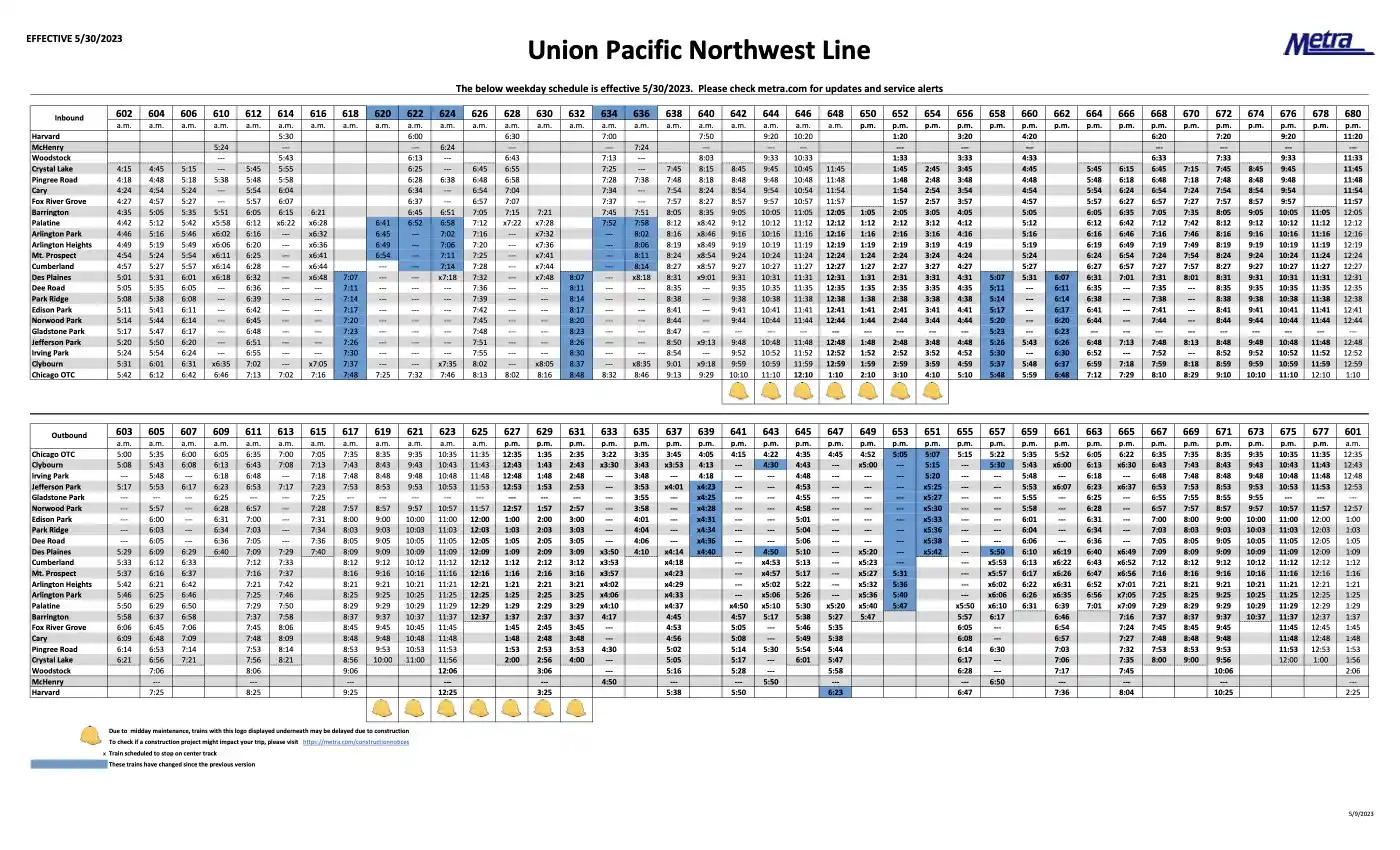
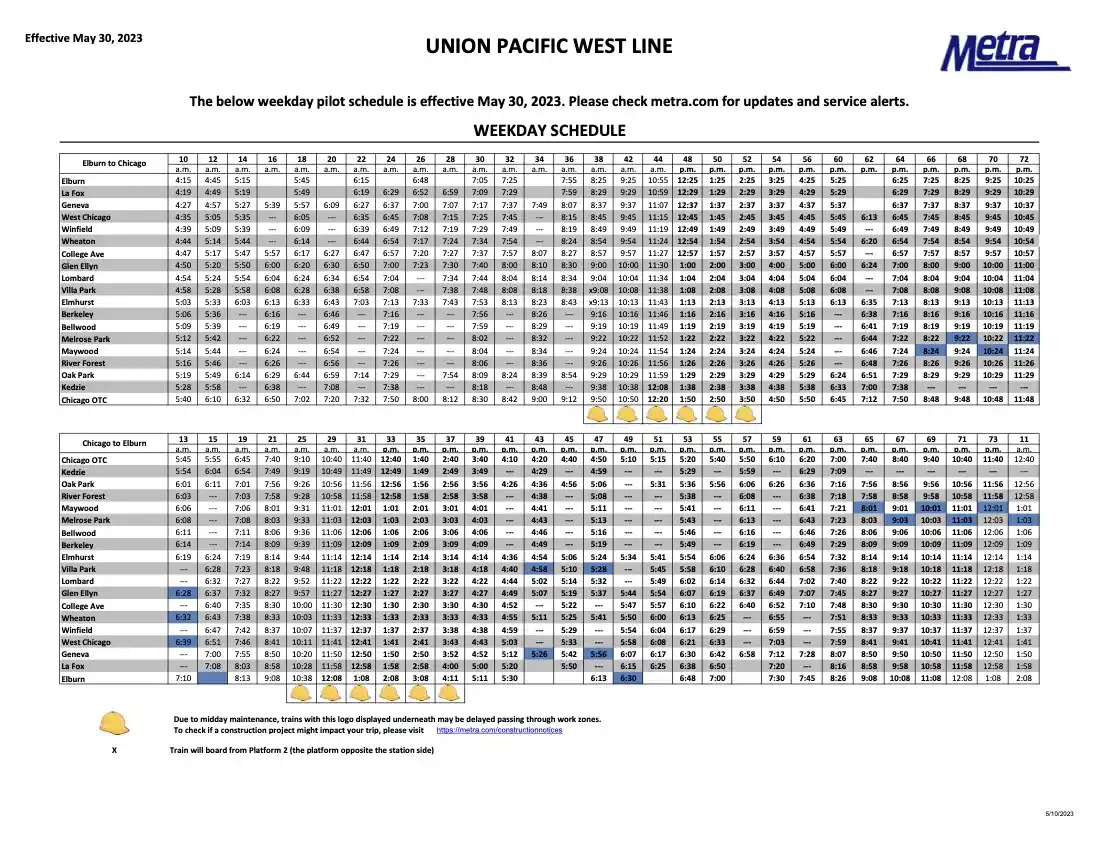
Union Pacific does not publish a public passenger-style timetable because freight train schedules are dynamic, proprietary, and adjusted continuously based on traffic volume, maintenance, and crew availability. Shippers must use UP ShipX or customer tracking portals to monitor specific shipment schedules in real time.
How do weather events in the Pacific Northwest impact freight schedules?
Severe winter weather, heavy mountain snowfall, and occasional seasonal mudslides along river corridors can temporarily reduce track speeds or necessitate temporary line closures. Union Pacific issues customer service advisories when these events require operational adjustments.
What is the difference between a manifest train and an intermodal train on this route?
Intermodal trains carry containers and trailers designed for fast point-to-point transit and receive higher dispatching priority. Manifest trains haul mixed freight in individual railcars that require sorting and classification at intermediate yards, resulting in longer overall transit schedules.
How can I track a specific railcar moving through Oregon or Washington?
You can track active railcars by logging into the Union Pacific ShipX customer portal or by utilizing authorized third-party rail logistics visibility platforms that integrate directly with UP tracking APIs.
Who should I contact regarding service delays or billing errors on the northwest corridor?
Logistics coordinators should reach out directly to the Union Pacific Customer Care Support team via the online portal or designated telephone support channels assigned to your specific commodity account.
Conclusion and Operational Recommendations
Managing freight logistics and monitoring schedules across the Union Pacific Northwest network requires active engagement with digital tracking tools, an understanding of dynamic rail operating plans, and close coordination with local switching operations. By leveraging UP ShipX platforms, maintaining open communication channels with customer service teams, and factoring potential seasonal weather adjustments into supply chain planning, shippers can ensure reliable and efficient movement of goods throughout the Pacific Northwest.
Image Gallery