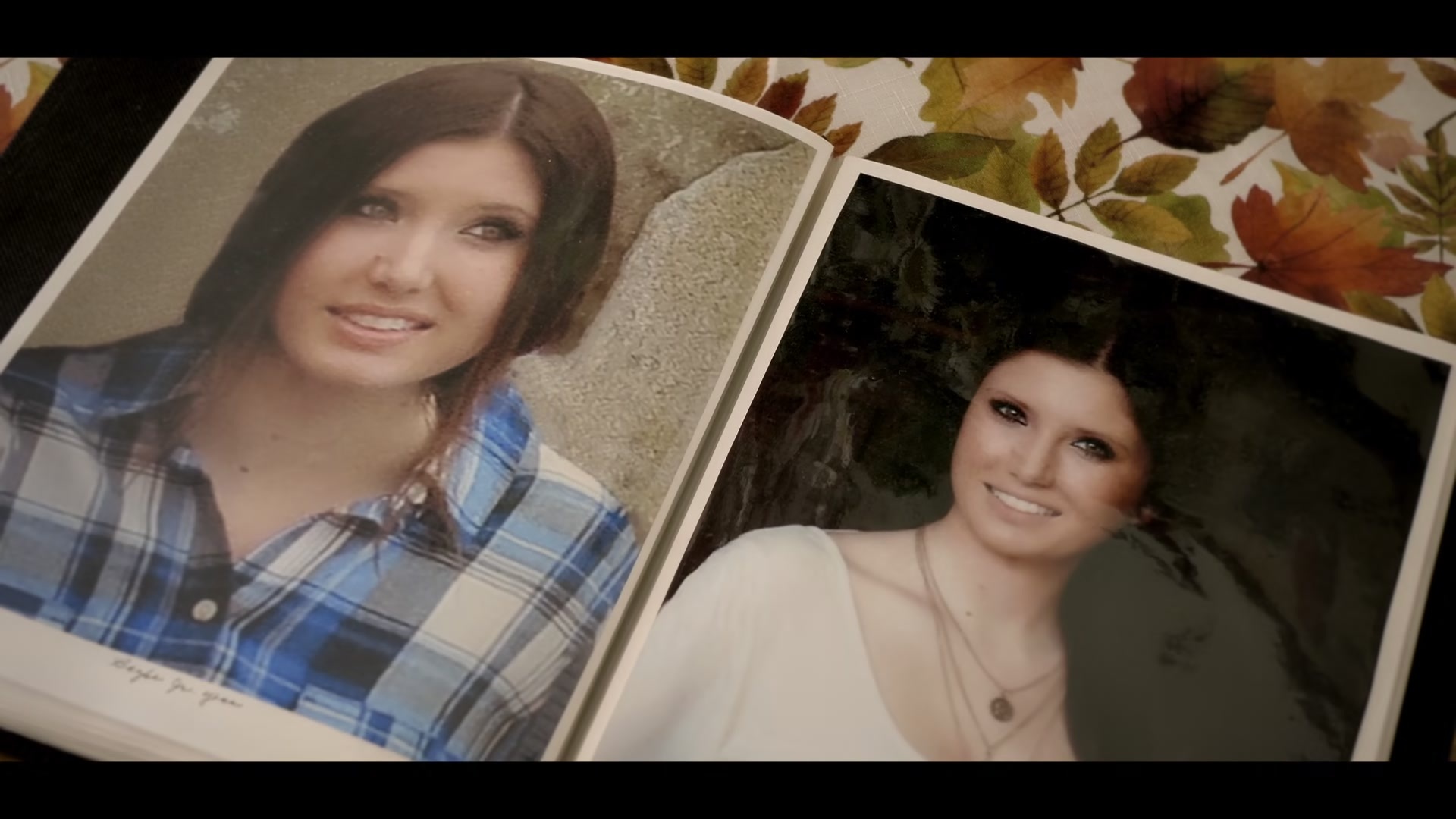
The Bakersfield Three: Understanding the 2026 Legal and Investigative Status
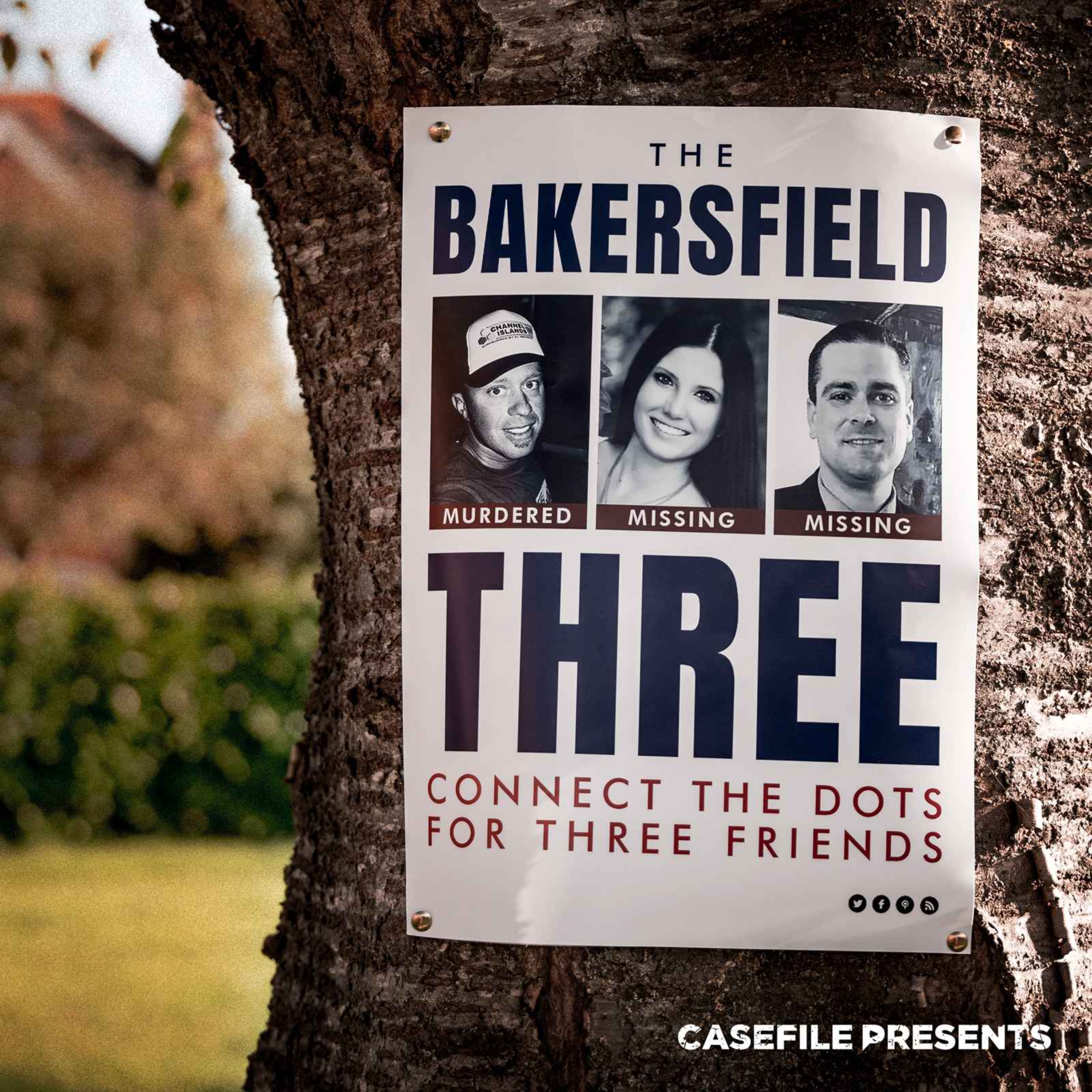
The "Bakersfield Three" refers to the high-profile disappearance of Micah Holsonbake, Baylee Despot, and Jose Ramirez, who went missing from Bakersfield, California, in 2018. As of 2026, the case remains a complex intersection of crimi...
The "Bakersfield Three" refers to the high-profile disappearance of Micah Holsonbake, Baylee Despot, and Jose Ramirez, who went missing from Bakersfield, California, in 2018. As of 2026, the case remains a complex intersection of criminal investigation, forensic challenges, and ongoing legal proceedings as the families continue to seek accountability and closure.
Contents
The Disappearances and Case Chronology
The disappearances of Micah Holsonbake, 32; Baylee Despot, 20; and Jose Ramirez, 24, occurred within a short timeframe in the spring of 2018. The cases were quickly linked by local law enforcement due to overlapping social circles and the suspicious circumstances surrounding their individual vanishings.
- Micah Holsonbake: Reported missing in late March 2018. His remains were discovered shortly thereafter in the Kern River, leading investigators to treat his death as a homicide.
- Baylee Despot: Reported missing in early April 2018. Forensic evidence later led authorities to categorize her disappearance as a murder, though her remains were never recovered.
- Jose Ramirez: Disappeared around the same time. The investigation into his whereabouts eventually led authorities to conclude that he was a victim of foul play, though his case remains marked by evidentiary gaps that have complicated the judicial process.
Investigative Hurdles and Forensic Challenges
The Bakersfield Three case is technically categorized as a series of connected homicides, yet the investigation faced significant obstacles from its inception. The lack of physical evidence in two of the three cases significantly hampered the prosecution's ability to build a linear narrative for a jury.
Key Factors Impacting the Investigation
Evidence Collection Barriers The recovery of limited physical remains in the case of Baylee Despot and Jose Ramirez forced law enforcement to rely heavily on circumstantial evidence and witness testimony. In 2026, forensic improvements in digital data recovery and DNA extraction continue to be analyzed, but the core investigation relies on testimonies that have shifted over the years.
The Role of Jurisdictional Coordination
Because the crimes occurred across multiple locations within Kern County, the Kern County Sheriff’s Office and the Bakersfield Police Department had to coordinate extensively. This inter-agency cooperation is standard for multi-jurisdictional homicides in California, but the sheer volume of discovery and the number of potential witnesses made the pretrial phase exceptionally long.
Judicial Proceedings and Legal Status as of 2026
By 2026, the legal status of those accused in connection with the Bakersfield Three has reached a critical juncture. The judicial process has been defined by several high-profile hearings and the slow movement of cases through the Kern County Superior Court system.
| Subject | Current Status (2026) | Primary Legal Challenge |
|---|---|---|
| Case Discovery | Completed | Processing voluminous digital records |
| Primary Suspects | Awaiting Final Adjudication | Admissibility of witness statements |
| Evidence Status | Admitted/Pending | Establishing the "corpus delicti" in absentia |
| Appellate Status | Ongoing | Pre-trial motions regarding hearsay |
Advocacy and Public Awareness
The families of the Bakersfield Three have maintained a consistent public presence, utilizing social media and advocacy groups to ensure the case does not go cold. Their efforts have been instrumental in keeping the pressure on the district attorney’s office.
- Annual Vigils: Families hold commemorative events each spring to mark the anniversaries of the disappearances.
- Legislative Advocacy: The families have pushed for reforms in how California handles "no-body" homicide cases, advocating for clearer standards in the prosecution of such crimes.
- Media Documentation: The case has been the subject of various true-crime podcasts and documentary features, which, while raising awareness, have occasionally created challenges regarding jury pool impartiality.
Forensic Science and Modern Investigatory Techniques
The application of modern forensic science has been a hallmark of the 2026 status of this investigation. Given the passage of time, investigators have turned to advanced technological tools to supplement the original evidence gathered in 2018.
Technological Advancements Applied
- Geospatial Analysis: Refined mapping of mobile device pings from 2018 to better track movement during the night of the disappearances.
- Enhanced Digital Forensics: Analyzing encrypted communications that were previously inaccessible to local law enforcement during the initial 2018-2020 phase.
- Collaborative Profiling: Engaging with cold case specialized units to review the behavioral patterns of the suspects involved.
Frequently Asked Questions
Are there any new leads in the Bakersfield Three case in 2026?
While no radical new evidence has surfaced to change the core narrative, investigators continue to process data that supports existing theories. The case remains open and active within the Kern County justice system.
Why have these cases taken so long to reach a conclusion?
The complexity of multi-victim, multi-suspect investigations—especially those involving missing remains—requires exhaustive evidentiary proof. This results in lengthy discovery periods and complex pre-trial motions that are common in high-stakes California criminal litigation.
What is the status of the accused individuals?
The accused individuals remain in the custody of the state or under strict legal monitoring, with various pre-trial hearings occurring throughout 2026. The legal system is currently navigating the final stages of evidence validation before moving to a full trial.
How can the public assist in cases like this?
Public assistance in cold cases or ongoing investigations is best directed through official channels. If you have information regarding the Bakersfield Three, contact the Kern County Sheriff’s Office or the designated crime tip lines. Providing actionable, verifiable information remains the most effective way to assist authorities.
Is there a central source for official updates?
Official updates are disseminated through the Kern County District Attorney’s office and the Kern County Sheriff's Department. These agencies remain the only sources of verified, non-speculative information regarding the legal status of the case.
Conclusion and Strategic Outlook
The investigation into the Bakersfield Three represents a challenging chapter for Kern County law enforcement and a profound tragedy for the families involved. As of 2026, the objective remains clear: to navigate the rigorous requirements of the California penal code to ensure a just outcome. Interested parties should rely strictly on official court records and law enforcement press releases to avoid the misinformation often associated with high-profile criminal cases.
Image Gallery