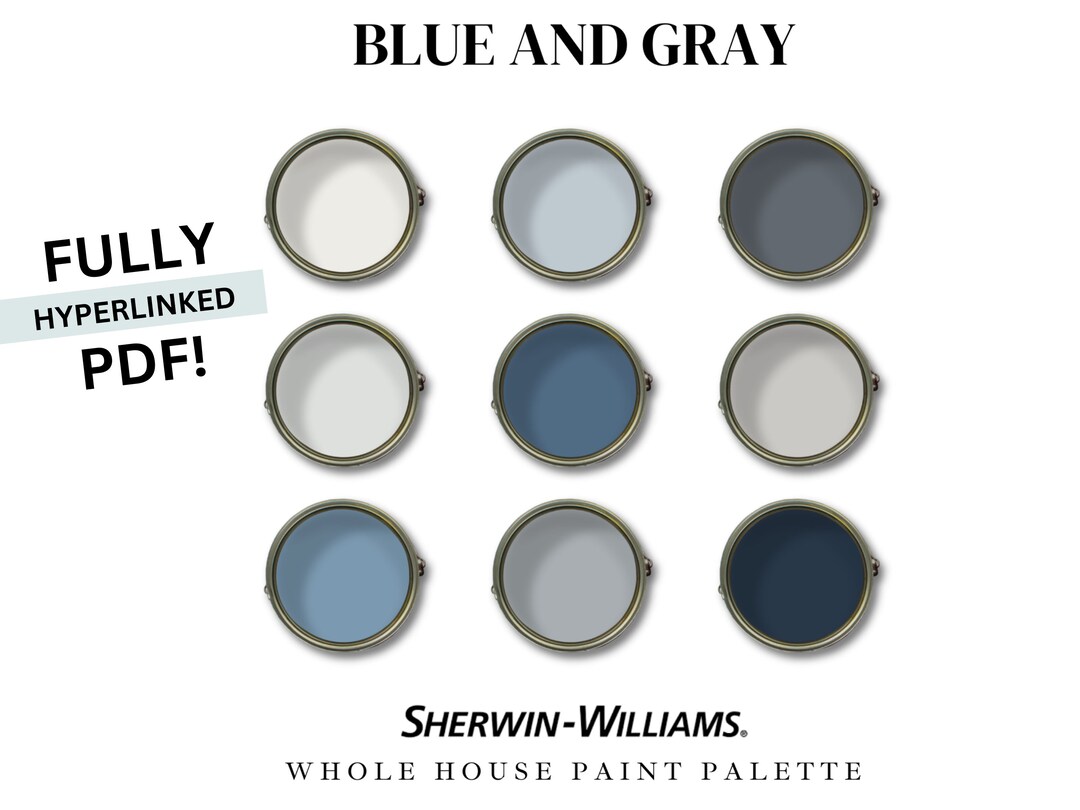
Sherwin-Williams Blue Paint: The Ultimate 2026 Color Selection and Application Guide
Sherwin-Williams blue paint offers a transformative palette ranging from soft, atmospheric coastal tones to dramatic, ink-dark navy hues that anchor modern architectural spaces. Selecting the right shade requires evaluating light refle...
Sherwin-Williams blue paint offers a transformative palette ranging from soft, atmospheric coastal tones to dramatic, ink-dark navy hues that anchor modern architectural spaces. Selecting the right shade requires evaluating light reflectance values, undertones, sheen levels, and substrate performance to achieve a professional, durable finish.
Contents
Understanding the Sherwin-Williams Blue Paint Spectrum
The Sherwin-Williams blue paint collection spans several distinct color families, categorized primarily by their underlying chromatic influences. Blue paints rarely exist in a vacuum; they frequently pull green, gray, violet, or true primary undertones depending on the surrounding light source.
Key Color Categories in the Blue Palette
- Soft Pastels and Airy Blues: These shades feature high Light Reflectance Values (LRV), typically above 60, making them ideal for small spaces, ceilings, and bathrooms where maximizing ambient light is a priority.
- Classic Mid-Tone Blues: Traditional navy alternatives and crisp nautical shades that perform well in traditional settings, children's rooms, and kitchen islands.
- Moody and Deep Navies: Saturated formulas with low LRV ratings (often under 10) that deliver high drama, sophistication, and a cocooning effect in studies and dining rooms.
- Green-Gray Blues (Chameleon Blues): Complex formulations that shift between blue, green, and gray based on the time of day and artificial lighting temperatures.
Popular Sherwin-Williams Blue Paint Colors and Their Characteristics
Evaluating specific formulations helps narrow down choices for residential and commercial projects. The following breakdown highlights some of the most requested Sherwin-Williams blue paint colors, detailing their LRV and spatial behavior.
| Color Name | Color Number | LRV | Primary Undertones | Best Suited For |
|---|---|---|---|---|
| Naval | SW 6244 | 4 | True Navy / Black | Accent walls, cabinetry, exterior doors |
| Distance | SW 6243 | 25 | Steel Blue / Gray | Living rooms, built-in shelving, offices |
| Honorable Blue | SW 6811 | 27 | Periwinkle / Slate | Bedrooms, dining rooms, trim accents |
| Tradewind | SW 6218 | 61 | Aqua / Soft Gray-Blue | Bathrooms, nurseries, coastal interiors |
| Pooling Blue | SW 7600 | 45 | Mid-Tone Cyan / Gray | Kitchen backsplashes, sunrooms |
| Stardew | SW 9138 | 51 | Muted Denim / Gray | Modern farmhouses, cabinetry, exteriors |
Evaluating Lighting and Light Reflectance Value (LRV)
Light Reflectance Value measures the percentage of light a paint color reflects. A higher LRV means the color bounces more light back into the room, while a lower LRV absorbs light.
North-facing rooms receive cool, bluish natural light, which can make pale blue paint look icy or sterile. In these spaces, selecting a blue with green or warm gray undertones prevents the room from feeling stark. Conversely, south-facing rooms flood interiors with warm, golden light, neutralizing cool undertones and making vibrant blues appear more balanced and rich.
Artificial lighting also plays a major role in how Sherwin-Williams blue paint appears. Incandescent bulbs emit a warm, yellow glow that deepens blues and mutes gray undertones, whereas cool LED bulbs (4000K and above) sharpen blue pigments, enhancing crispness but risking an institutional feel if the paint lacks warmth.
Choosing the Right Sheen for Blue Paint Projects
Sheen dictates both the aesthetic finish and the cleanability of painted surfaces. Because blue paint—especially dark navy—shows dust, smudges, and roller marks more readily than neutral tones, selecting the correct sheen is critical.
- Flat / Matte: Offers zero reflection, hiding surface imperfections effectively. Best reserved for low-traffic ceilings and formal living room walls. Difficult to scrub without leaving burnish marks.
- Satin / Low Sheen: Provides a velvety appearance with mild light diffusion. An excellent choice for standard walls, hallways, and bedrooms, offering moderate washability.
- Semi-Gloss: Highly durable and moisture-resistant with a noticeable sheen. The industry standard for trim, baseboards, doors, cabinetry, and bathroom walls where frequent cleaning is required.
- High-Gloss: Delivers a mirror-like finish that highlights architectural details and furniture pieces. Requires immaculate surface preparation, as every imperfection telegraphs through the finish.
Step-by-Step Application Guide for Professional Results
Achieving a flawless coat of Sherwin-Williams blue paint—particularly with deep bases that contain high colorant loads—requires methodical preparation and application techniques.
Surface Preparation Protocol Cleaning and Patching: Wash all surfaces with a trisodium phosphate (TSP) substitute to remove grease and oils. Fill nail holes and dents with lightweight spackle, sand smooth once cured, and wipe away dust with a tack cloth.
1. Priming the Surface
For light blue shades over dark existing walls, or when transitioning to ultra-deep navy formulas, tinting the primer is essential. Use a high-adhesion primer tinted close to the final color to reduce the number of topcoats required. For raw drywall, use a PVA drywall primer; for previously painted or glossy surfaces, use an acrylic bonding primer.
2. Cutting In and Rolling
Stir the paint thoroughly before pouring it into a tray. Cut in corners, ceiling lines, and baseboards using an angled synthetic-bristle brush. Work in manageable 3-foot by 3-foot sections when rolling walls, maintaining a wet edge to prevent lap marks. Apply paint using a 3/8-inch nap microfiber roller cover for smooth walls or a 1/2-inch nap for textured surfaces.
3. Applying Additional Coats
Deep blue bases (particularly in formulations like Emerald or Cashmere) often require two to three coats to achieve complete, streak-free opacity due to translucent organic colorants. Adhere strictly to the recoat times specified on the product data page—typically 2 to 4 hours under normal temperature and humidity conditions.
Comparing Premium Sherwin-Williams Interior Paint Lines
Not all paint formulas perform equally across different applications. Selecting the right product line ensures longevity, washability, and ease of application.
| Paint Line | Washability | Scrub Resistance | Self-Leveling | Best Recommended Use |
|---|---|---|---|---|
| Emerald Interior Acrylic Latex | Exceptional | Outstanding | Superior | High-traffic areas, cabinets, trim |
| Duration Home | Excellent | High | Very Good | Family rooms, hallways, moisture-prone walls |
| Cashmere Interior Acrylic Latex | Good | Moderate | Exceptional | Low-to-medium traffic bedrooms and living rooms |
| ProMar 200 Zero VOC | Moderate | Moderate | Good | Commercial spaces, rental properties, large-scale projects |
Pros and Cons of Using Blue Paint
Pros
- Versatility: Spans a vast continuum from tranquil spa-like sanctuaries to moody, sophisticated libraries.
- Market Appeal: Timeless shades like navy and slate blue remain perennially popular in interior design and boost perceived home value.
- Psychological Impact: Blue is scientifically associated with calm, focus, and reduced heart rates, making it ideal for workspaces and resting areas.
Cons
- Touch-Up Difficulty: Deep blue paint formulations, especially in flat or matte finishes, can show touch-ups if patched months after the initial application.
- Opacity Challenges: Highly saturated blue bases require tinted primers and multiple coats to achieve uniform coverage without streaking.
- Temperature Sensitivity: Cold or damp application conditions extend dry times and can compromise film coalescence and final durability.
Troubleshooting Common Blue Paint Issues
- Lap Marks and Roller Streaks: Usually caused by rolling over paint that has already begun to dry or failing to maintain a wet edge. Remedy by sanding lightly, feathering the edges, and applying a final uniform coat across the entire wall.
- Flash Spots (Uneven Sheen): Occurs when paint is applied over unprimed patched areas (flashing) that absorb moisture at different rates. Prevent by sealing patches with a dedicated primer before painting.
- Fading or Chalking (Exteriors): Direct UV exposure can degrade organic blue pigments over time. Use exterior formulations with proprietary UV blockers, such as Sherwin-Williams Emerald Exterior Acrylic Latex.
Frequently Asked Questions
What is the most popular Sherwin-Williams navy blue paint?
Naval (SW 6244) stands as the most popular and enduring navy blue in the Sherwin-Williams catalog. It provides a deep, saturated anchor color that works exceptionally well on cabinetry, accent walls, and exterior doors.
Do dark blue paints require a special primer?
Yes. Deep blue and accent base paints contain heavy colorant loads with lower hiding power. Tinting a high-hide gray or dark primer to match the final topcoat significantly reduces the number of coats needed for full coverage.
How do I prevent roller marks when painting with dark blue?
Maintain a wet edge, avoid overworking the paint as it begins to tack up, use a high-quality synthetic roller cover with the appropriate nap, and invest in a self-leveling paint line like Sherwin-Williams Emerald.
Are Sherwin-Williams blue paints safe for nurseries and bedrooms?
Many Sherwin-Williams lines, such as Emerald, Duration, and ProMar 200, are Zero-VOC formulas or meet stringent GREENGUARD Gold standards. This ensures low chemical emissions, making them safe for children's rooms once fully cured.
How long does Sherwin-Williams blue paint take to cure?
While paint dries to the touch within a few hours, full chemical curing takes approximately 30 days. Avoid aggressive cleaning or scrubbing of newly painted surfaces during this initial curing window.
Professional Recommendation
To achieve a showroom-quality finish with Sherwin-Williams blue paint, prioritize proper surface preparation and invest in high-grade formulations like Emerald or Duration. Always test sample boards in the specific room where the paint will be applied, observing how the color shifts under morning, afternoon, and artificial lighting before committing to full gallons.
Image Gallery