The Strategic Benefits of Forming an LLC in California
Forming a Limited Liability Company (LLC) in California provides business owners with essential personal asset protection, flexible pass-through taxation options, and enhanced professional credibility while operating within the world's...
Forming a Limited Liability Company (LLC) in California provides business owners with essential personal asset protection, flexible pass-through taxation options, and enhanced professional credibility while operating within the world's fifth-largest economy.
Contents
Navigating the legal landscape of business formation requires balancing regulatory compliance against operational advantages. For entrepreneurs launching ventures within the state or expanding foreign entities into domestic markets, choosing the correct business structure is a foundational decision. Among the available options, the Limited Liability Company remains a preferred vehicle for small-to-medium-sized enterprises. Establishing a California LLC offers distinct legal and financial mechanics that shape how a company shields its owners, manages tax obligations, and interacts with state agencies. Understanding these advantages allows founders to leverage state laws effectively while maintaining structural compliance.
Personal Asset Protection and Liability Shielding
The primary driver for establishing a corporate entity is the separation of personal and business liabilities. Operating as a sole proprietorship or a general partnership exposes personal assets—such as residential real estate, personal savings vehicles, and privately owned vehicles—to business judgments, creditor claims, and commercial litigation.
A California LLC creates a legal barrier between the personal assets of the owners (known as members) and the debts or obligations of the business. If the company faces a catastrophic lawsuit or defaults on a commercial lease, creditors generally cannot seize the personal property of the members to satisfy those business debts. This liability shield is codified under the California Corporations Code, providing a predictable framework for risk management.
However, this protection is not absolute. Courts in California may apply the doctrine of "piercing the corporate veil" if members fail to maintain proper separation between personal and business affairs. To preserve the liability shield, LLC members must:
- Maintain dedicated business bank accounts without commingling personal and company funds.
- Execute contracts and commercial agreements explicitly in the name of the LLC rather than individually.
- Adhere to internal governance requirements, such as maintaining a written operating agreement and recording meeting minutes or resolutions.
- Capitalize the business adequately at inception to handle foreseeable operational risks.
Tax Flexibility and Pass-Through Taxation
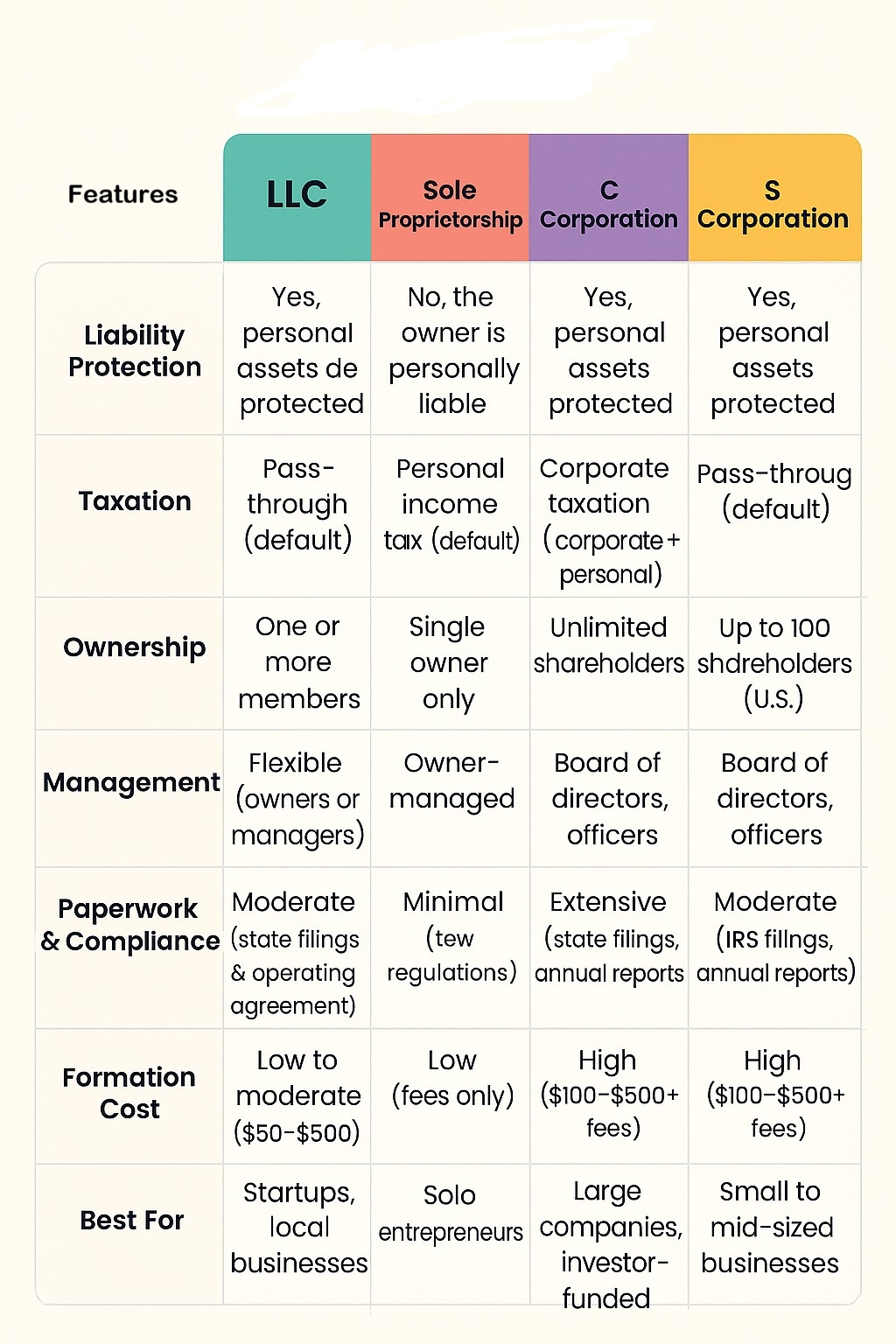
California LLCs benefit from a flexible tax classification structure recognized by both the Internal Revenue Service (IRS) and the California Franchise Tax Board (FTB). By default, a single-member LLC is treated as a "disregarded entity" for tax purposes, meaning the business income flows directly through to the owner’s personal tax return on Schedule C. A multi-member LLC defaults to partnership taxation, passing profits and losses through to members based on their ownership percentages.
Beyond these default classifications, LLC members can elect to have their company taxed as an S Corporation (S-Corp) or a C Corporation (C-Corp) by filing the appropriate elections with tax authorities. Electing S-Corp status can provide substantial self-employment tax savings for active owner-operators, as income can be split between a reasonable W-2 salary and corporate distributions exempt from self-employment taxes.
California-Specific Tax Considerations
While federal tax flexibility is standard, California imposes distinct state-level taxes and fees that every business owner must anticipate:
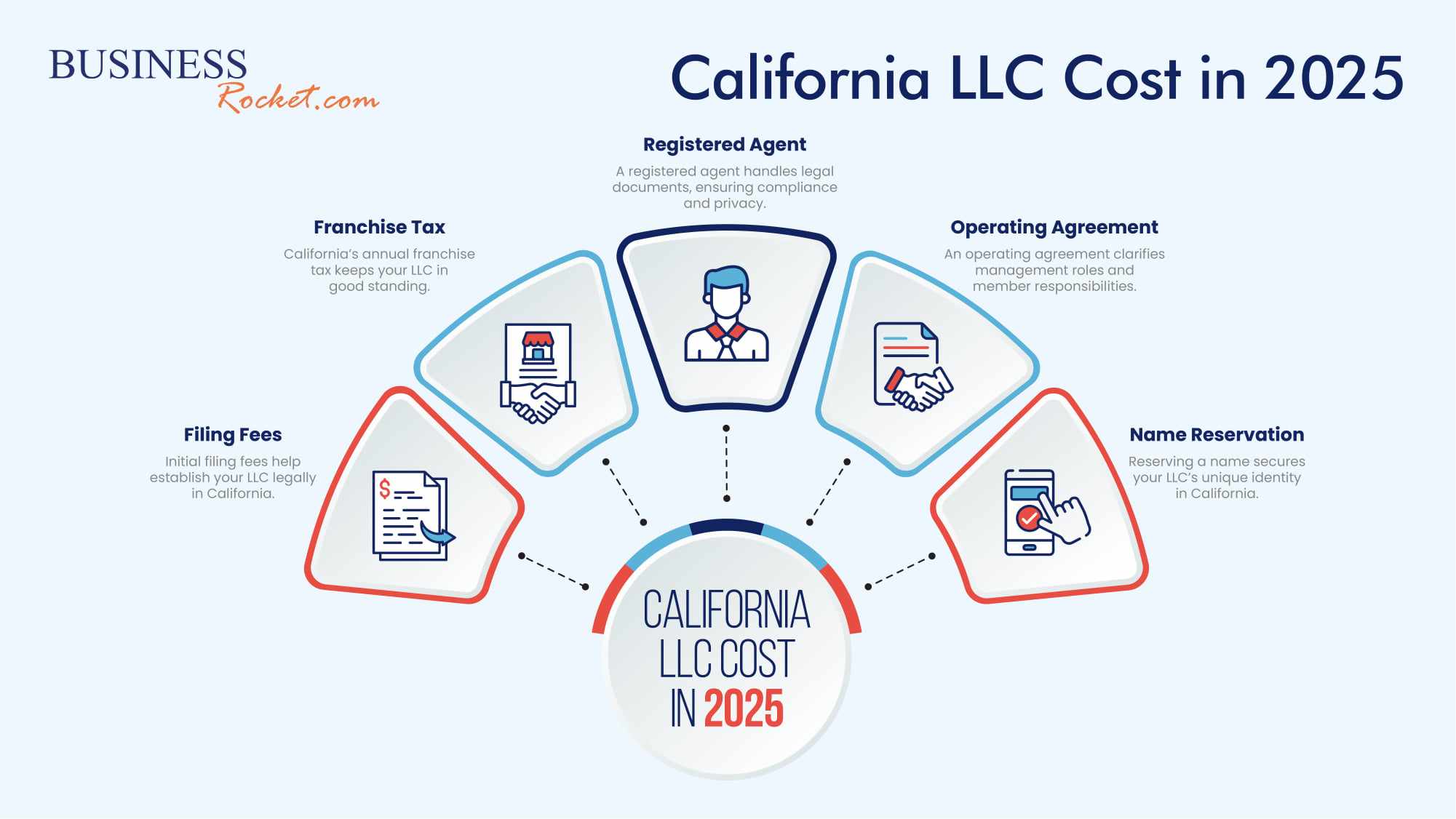
- Annual Franchise Tax: Every LLC organized, registered, or doing business in California must pay an annual minimum franchise tax of $800, regardless of whether the company is actively generating revenue. (Note: Under recent legislative updates, newly formed LLCs filing their first tax year in specific windows may be exempt from this initial fee, subject to current state statutes).
- LLC Fee on Gross Receipts: LLCs with total income from all sources derived from or attributable to California exceeding specific thresholds are subject to an additional annual LLC fee, which scales progressively based on total gross income.
| Gross Income Range (California Source) | Applicable Annual LLC Fee (As of 2026) |
|---|---|
| Less than $250,000 | $0 |
| $250,000 to $499,999 | $900 |
| $500,000 to $999,999 | $2,500 |
| $1,000,000 to $4,999,999 | $6,000 |
| $5,000,000 and above | $11,790 |
Management Structure and Operational Simplicity
Compared to traditional corporations (C-Corps or S-Corps), California LLCs offer a high degree of internal operational freedom. Corporations are legally mandated to maintain a rigid structural hierarchy, including a board of directors, corporate officers (such as a President, Secretary, and Treasurer), and mandatory annual shareholder meetings with strict record-keeping requirements.
In contrast, California LLCs can be structured in one of two primary ways, as defined in their Articles of Organization and Operating Agreement:
- Member-Managed: All owners participate directly in the daily management, operations, and decision-making processes of the business. This model suits small teams and closely held enterprises.
- Manager-Managed: Members appoint one or more designated managers (who may or may not be owners) to handle operational decisions, while passive members retain investment interests without active management duties. This structure mirrors corporate hierarchy without the mandatory overhead of corporate officers and formal board oversight.
Furthermore, California law requires LLCs to adopt a written Operating Agreement among its members. While this document does not need to be filed with the Secretary of State, it serves as the internal binding contract that governs voting rights, profit distributions, transfer of ownership interests, and procedures for dissolving the company.
Enhanced Professional Credibility and Market Presence
Operating a formal business entity influences how customers, suppliers, financial institutions, and partners perceive an enterprise. Conducting business under an official California LLC name signals organizational stability and long-term commitment.
Clients and vendors often prefer transacting with registered business entities rather than sole proprietorships because corporate registration implies accountability and regulatory oversight. Additionally, financial institutions require an official formation document, a Federal Employer Identification Number (EIN), and a Statement of Information to open dedicated business banking accounts, secure commercial credit lines, and apply for merchant processing services. This financial infrastructure is vital for scaling operations, separating accounting records, and preparing accurate financial statements for tax preparation or future investment rounds.
Prerequisites and Formation Process in California
Establishing an LLC in California involves a structured sequence of administrative steps governed by the California Secretary of State (SOS). Before initiating filings, founders should verify that their intended business name is available and complies with state naming conventions, which require including designators such as "Limited Liability Company," "L.L.C.," or "LLC."
The core formation workflow includes:
- Filing the Articles of Organization (Form LLC-1): Submit the official formation document to the California Secretary of State online via BizFile California or by mail, accompanied by the mandatory state filing fee.
- Appointing a Registered Agent: Designate an individual or a qualified corporate registered agent service with a physical street address in California to accept legal service of process and official state correspondence.
- Drafting a Written Operating Agreement: Create a comprehensive internal document outlining member rights, financial contributions, profit allocations, and governance rules.
- Obtaining an EIN: Apply for a free Employer Identification Number from the IRS website to establish tax identity and open business bank accounts.
- Filing the Statement of Information (Form LLC-12): File this mandatory report with the Secretary of State within 90 days of the initial filing date, and biennially thereafter, to update executive, management, and address details.
- Securing Local Licenses and Permits: Depending on the municipal jurisdiction and industry sector, obtain local business tax certificates, zoning clearances, and industry-specific regulatory permits.
Frequently Asked Questions
Can a single person form a California LLC?
Yes, California law explicitly permits single-member LLCs. The formation process, liability protections, and operational requirements remain identical to multi-member entities, though single-member LLCs utilize default disregarded entity tax treatment unless an explicit corporate election is filed.
Do I need a physical office in California to form a California LLC?
No, you do not need to reside in California or maintain an operational office within the state to form a California LLC. However, you must maintain a valid Registered Agent with a physical street address in California who is available during standard business hours to accept legal documents.
What is the difference between filing online and filing by mail?
Filing through the California Secretary of State's online portal (BizFile California) provides significantly faster processing times, often approving submissions within hours or days, whereas mail-in filings can experience delays spanning several weeks. Online filing also provides immediate access to endorsed copies of formation documents.
Are California LLCs required to have an operating agreement?
Yes, under California Corporations Code Section 17701.13, all LLC members must adopt a written Operating Agreement. While it is an internal document not filed with the state, failing to maintain one can expose the company to internal disputes and weaken liability protections during legal challenges.
How does the California Franchise Tax Board treat foreign LLCs?
Foreign LLCs—meaning companies organized in a state other than California or in a foreign country—that are "doing business" in California must register with the California Secretary of State, appoint a registered agent, and pay the exact same annual minimum franchise tax ($800) and gross receipts fees as domestic California LLCs.
Next Actions and Strategic Recommendations
Founders preparing to launch a venture should evaluate their capital requirements, operational risk profile, and long-term expansion goals before submitting formation paperwork. To ensure seamless compliance, consult with a qualified California corporate attorney or a certified public accountant (CPA) who specializes in state tax law. Review the official resources provided by the California Secretary of State to verify current filing fees, processing timelines, and reporting deadlines before initiating your business registration.
Image Gallery