The Role of Intercellular Signaling in Biological Systems and Human Health
Intercellular signaling is the fundamental process by which cells communicate to coordinate biological functions in multicellular organisms. By utilizing chemical messengers called ligands and specialized protein receptors, cells trans...
Intercellular signaling is the fundamental process by which cells communicate to coordinate biological functions in multicellular organisms. By utilizing chemical messengers called ligands and specialized protein receptors, cells transmit vital information to regulate growth, metabolism, immune responses, and homeostasis. This complex network ensures that billions of cells function as a unified entity rather than independent units.
Contents
In the complex landscape of modern biology as of 2026, the study of intercellular signaling has transitioned from identifying individual pathways to mapping entire "interactomes." Understanding these pathways is not merely an academic exercise; it is the cornerstone of pharmacology, regenerative medicine, and oncology. When cells fail to communicate correctly, the result is often systemic disease, ranging from diabetes to metastatic cancer.
The Molecular Framework of Cell Communication
At its most basic level, intercellular signaling requires three components: a signaling cell, a ligand (the message), and a target cell equipped with a receptor. The interaction between a ligand and its receptor is highly specific, often compared to a lock-and-key mechanism. This specificity ensures that cells only respond to the signals relevant to their specific function and physiological state.
Ligands: The Chemical Messengers
Ligands vary greatly in their chemical nature, which determines how they travel through the body and interact with receptors.
- Hydrophilic Ligands: These include proteins, peptides, and neurotransmitters. Because they cannot easily cross the lipid bilayer of the plasma membrane, they bind to receptors located on the cell surface.
- Hydrophobic Ligands: Steroid hormones (like cortisol or estrogen) and gases (like nitric oxide) can diffuse directly through the cell membrane. Their receptors are typically located in the cytoplasm or the nucleus.
Receptors: The Gatekeepers of Information
Receptors are specialized proteins that undergo a conformational change upon binding a ligand. This change is the "switch" that initiates a response inside the cell. As of 2026, structural biology tools such as cryo-electron microscopy have mapped the majority of human receptor classes, allowing for the design of highly targeted drugs that can either mimic a signal (agonists) or block it (antagonists).
Classification of Signaling Pathways by Distance
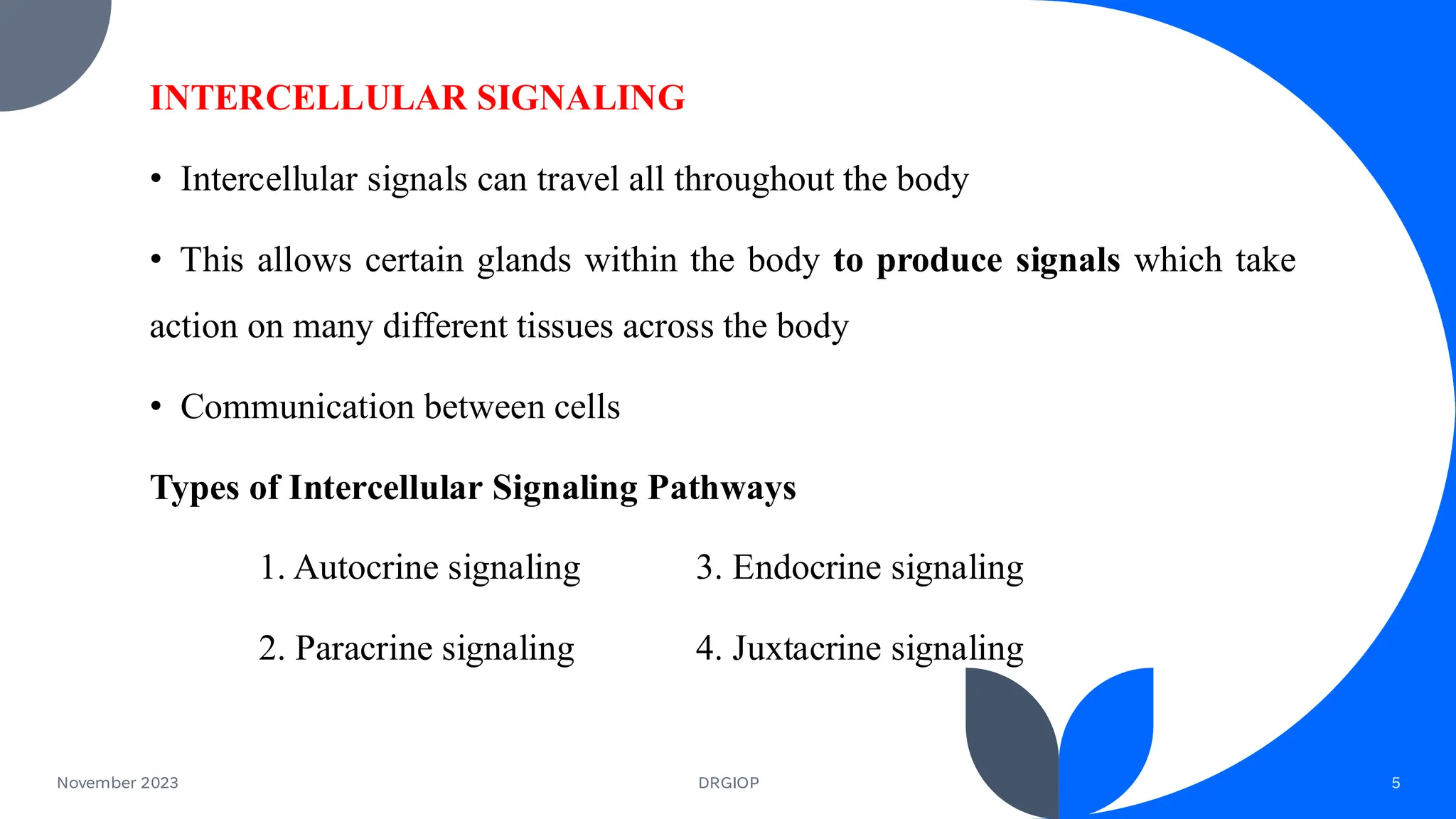
Biology categorizes signaling based on the distance the signal must travel to reach its target. This classification helps researchers understand the speed and scale of physiological responses.
1. Endocrine Signaling
Endocrine signaling involves the release of hormones into the bloodstream to reach distant target cells. This is the primary method for long-range coordination. For instance, the pituitary gland releases growth hormone, which affects bone and muscle cells throughout the entire body. Because hormones are diluted in the blood, endocrine signals typically act at low concentrations but have high-affinity receptors to ensure the message is received.
2. Paracrine Signaling
Paracrine signaling acts on cells in the immediate vicinity of the signaling cell. This is crucial for local coordination, such as during the inflammatory response or the formation of new blood vessels (angiogenesis). A specialized form of paracrine signaling is synaptic signaling, where neurons release neurotransmitters across a tiny gap (the synapse) to trigger a response in an adjacent neuron or muscle cell.
3. Autocrine Signaling
In autocrine signaling, a cell secretes a ligand that binds to receptors on its own surface. This creates a feedback loop. While healthy cells use this for self-regulation, it is frequently hijacked by cancer cells to stimulate their own uncontrolled growth.
4. Juxtacrine (Contact-Dependent) Signaling
Juxtacrine signaling requires physical contact between cells. Signaling molecules remain bound to the surface of the signaling cell, or pass through gap junctions—protein channels that connect the cytoplasm of adjacent cells. This is essential in embryonic development, where cells must "know" their exact position relative to their neighbors to differentiate into the correct tissue types.
| Signaling Type | Distance Traveled | Speed of Response | Primary Medium | Example |
|---|---|---|---|---|
| Endocrine | Long (Body-wide) | Slower (Minutes/Hours) | Bloodstream | Insulin regulating glucose |
| Paracrine | Short (Local) | Fast (Seconds/Minutes) | Extracellular Fluid | Growth factors in wound healing |
| Autocrine | Self | Variable | Cell Surface | T-cell immune activation |
| Synaptic | Ultra-short (Synapse) | Extremely Fast (Milliseconds) | Synaptic Cleft | Acetylcholine in muscle contraction |
| Juxtacrine | Direct Contact | Fast | Gap Junctions/Membrane | Notch signaling in embryos |
Signal Transduction: The Internal Relay
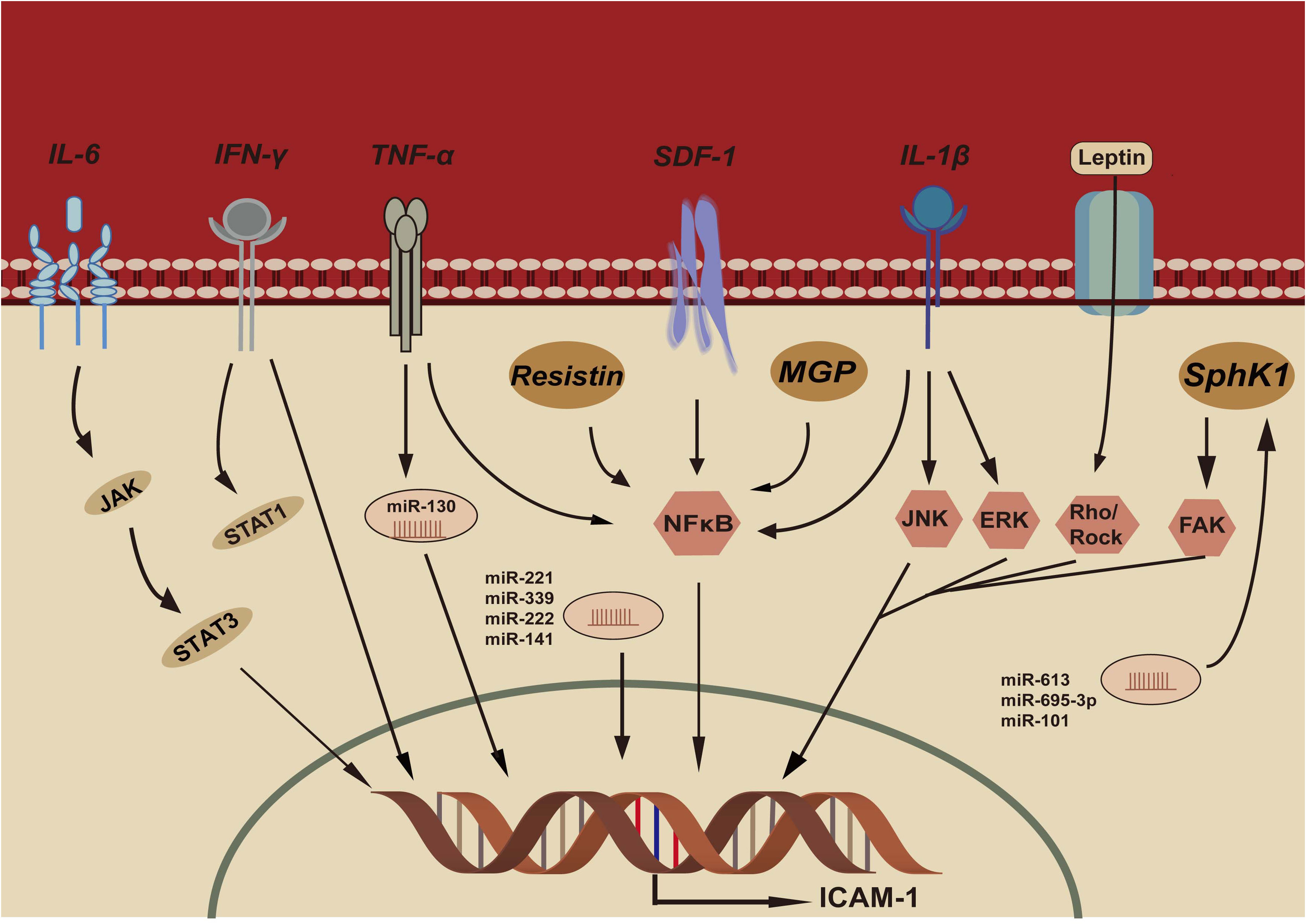
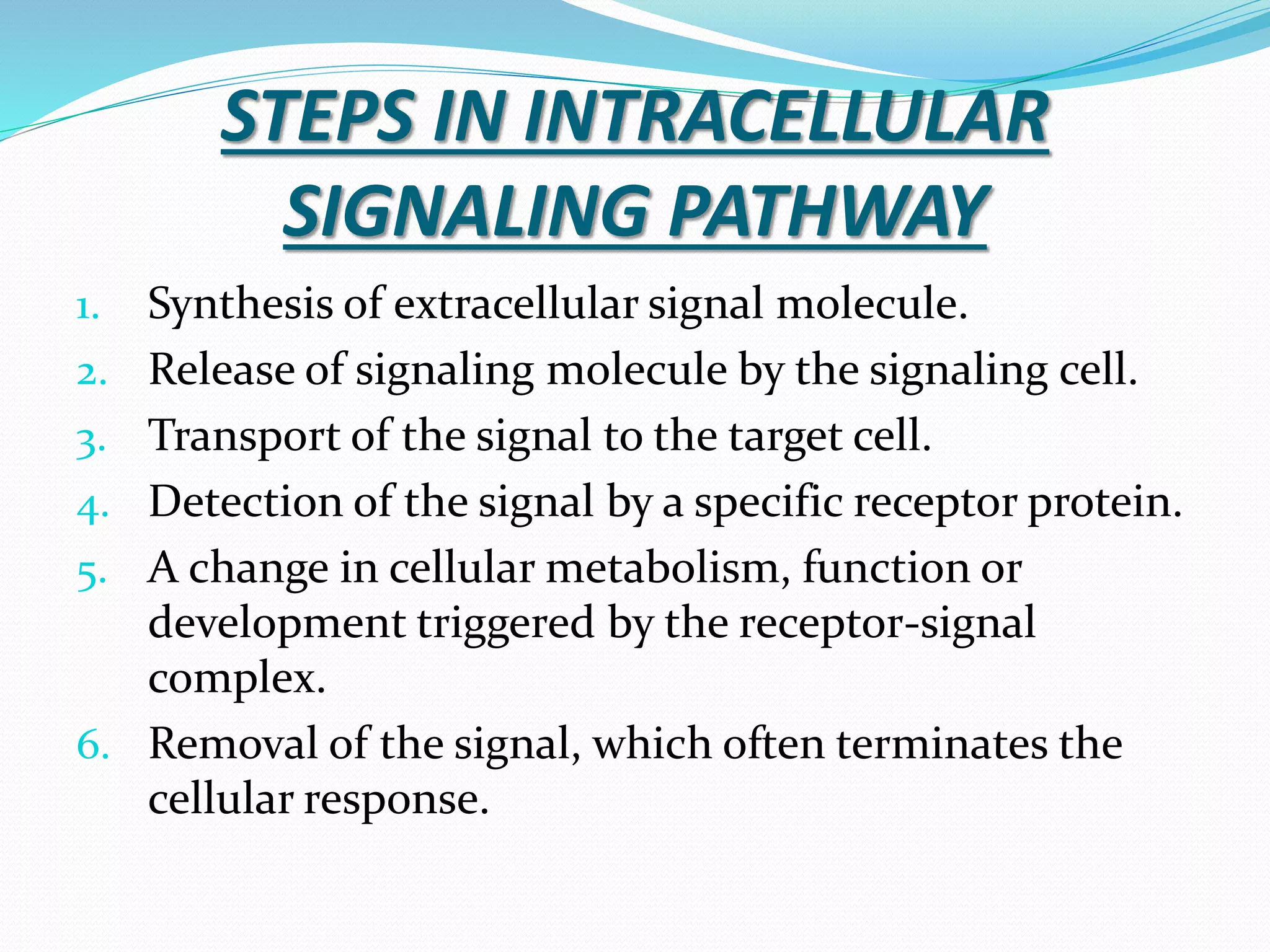
Once a ligand binds to a cell-surface receptor, the information must be "translated" into a cellular action. This process is known as signal transduction. It often involves a cascade of molecular events that amplify the original signal, ensuring that a single ligand molecule can trigger a massive cellular response.
The Role of Second Messengers
Second messengers are small molecules that spread rapidly through the cytoplasm. Common examples include cyclic AMP (cAMP), calcium ions ($Ca^{2+}$), and inositol triphosphate ($IP_3$). These molecules act as relays, activating various enzymes and proteins that eventually lead to changes in gene expression or metabolic activity.
Protein Phosphorylation
The most common mechanism for activating or deactivating proteins within a signaling pathway is phosphorylation—the addition of a phosphate group by an enzyme called a kinase. Conversely, phosphatases remove phosphate groups to turn the signal off. Many cancers are caused by mutations in kinases (like the Ras or Raf proteins) that keep them permanently "on," leading to continuous cell division.
Major Receptor Families
- G Protein-Coupled Receptors (GPCRs): These are the largest family of receptors. When a ligand binds, the GPCR activates an associated G-protein, which then triggers downstream effectors. GPCRs are the targets of nearly 35% of all FDA-approved drugs as of 2026.
- Receptor Tyrosine Kinases (RTKs): These receptors are vital for growth and differentiation. Binding of a ligand causes two receptors to pair up (dimerize) and phosphorylate each other, initiating a potent growth signal.
- Ion Channel-Linked Receptors: These convert chemical signals directly into electrical ones by opening or closing a gate in response to a ligand, allowing ions to flow across the membrane.
The Role of Signaling in Physiological Regulation
The ultimate goal of intercellular signaling is to maintain homeostasis—the stable internal environment required for life.
Blood Glucose Regulation
When blood sugar rises after a meal, beta cells in the pancreas detect the increase and release insulin (an endocrine signal). Insulin travels through the blood and binds to RTKs on muscle and fat cells, signaling them to move glucose transporters to their surface. This removes glucose from the blood, restoring balance. Failure in this signaling pathway results in Diabetes Mellitus.
The Immune Response
Intercellular signaling is the backbone of the immune system. When a pathogen enters the body, "sentinel" cells release cytokines (paracrine signals) to recruit white blood cells to the site of infection. These signals coordinate the complex "dance" between innate and adaptive immunity, ensuring that the body attacks the invader without destroying its own tissues.
Dysfunction in Signaling: Clinical Implications
Most human diseases can be traced back to a "broken" signaling pathway. In oncology, the study of signalome alterations has revolutionized treatment. Instead of broad-spectrum chemotherapy, 2026 clinical standards increasingly rely on small-molecule inhibitors and monoclonal antibodies that target specific faulty signals.
- Cancer: Overactive signaling through the EGFR (Epidermal Growth Factor Receptor) pathway drives many lung and breast cancers.
- Autoimmunity: In conditions like Rheumatoid Arthritis, cells produce excessive TNF-alpha (a signaling cytokine), leading to chronic inflammation and joint destruction.
- Neurological Disorders: Alzheimer’s and Parkinson’s diseases involve the failure of proteostatic signaling, where cells lose the ability to signal for the clearance of toxic protein aggregates.
The 2026 Landscape: Therapeutic Advances and Future Research
As we move through 2026, the focus of biological research has shifted toward spatial biology. We can now observe signaling events in real-time within living tissues using high-resolution biosensors. Furthermore, synthetic biology allows scientists to engineer "artificial" signaling pathways. These can be used in CAR-T cell therapy, where immune cells are programmed to recognize and signal the destruction of specific tumor markers that they would otherwise ignore.
Another significant development is the use of exosomes—small membrane-bound vesicles secreted by cells that contain a cocktail of proteins and RNA. Researchers now view exosomes as a complex "postal system" for intercellular signaling, offering a new frontier for drug delivery and liquid biopsies.
FAQs
What is the difference between a ligand and a receptor?
A ligand is a signaling molecule (like a hormone or neurotransmitter) that carries a message, while a receptor is a protein on or in a target cell that "receives" that message. The interaction between the two initiates the biological response.
Why is signal amplification important?
Signal amplification allows a very small number of signaling molecules to produce a large, rapid cellular response. By using cascades (where one enzyme activates many others), the cell ensures that even faint signals can be "heard" and acted upon effectively.
How do cells stop a signal once it has started?
Signals are terminated through several mechanisms: the degradation of the ligand by enzymes, the reuptake of the ligand by the signaling cell, or the internalization (endocytosis) of the receptor. Additionally, phosphatases remove phosphate groups to "turn off" proteins in the relay.
Can one signal cause different responses in different cells?
Yes. The response depends on the specific receptor type and the internal machinery of the target cell. For example, acetylcholine can cause heart muscle cells to relax but skeletal muscle cells to contract.
What happens when intercellular signaling fails?
Failure in signaling can lead to uncontrolled cell growth (cancer), inability to regulate metabolism (diabetes), or the immune system attacking the body (autoimmune diseases). Most modern medicines are designed to correct these signaling failures.
Practical Recommendation
For professionals in the life sciences or medical fields, staying current with signal transduction inhibitors is essential. As of 2026, the integration of AI-driven proteomics has made it possible to predict how a patient will respond to a specific signaling-blockade therapy. If you are a student or researcher, focusing on single-cell spatial transcriptomics will provide the most significant insights into how cells communicate within the three-dimensional context of human tissue.
Image Gallery