Tesco Extra vs Superstore: Understanding the Key Differences for Your Shopping Strategy in 2026
Tesco Extra and Tesco Superstore are both large-format supermarkets designed to accommodate full weekly shops, but they differ significantly in physical footprint, stock inventory, and additional non-grocery services. While Superstores...
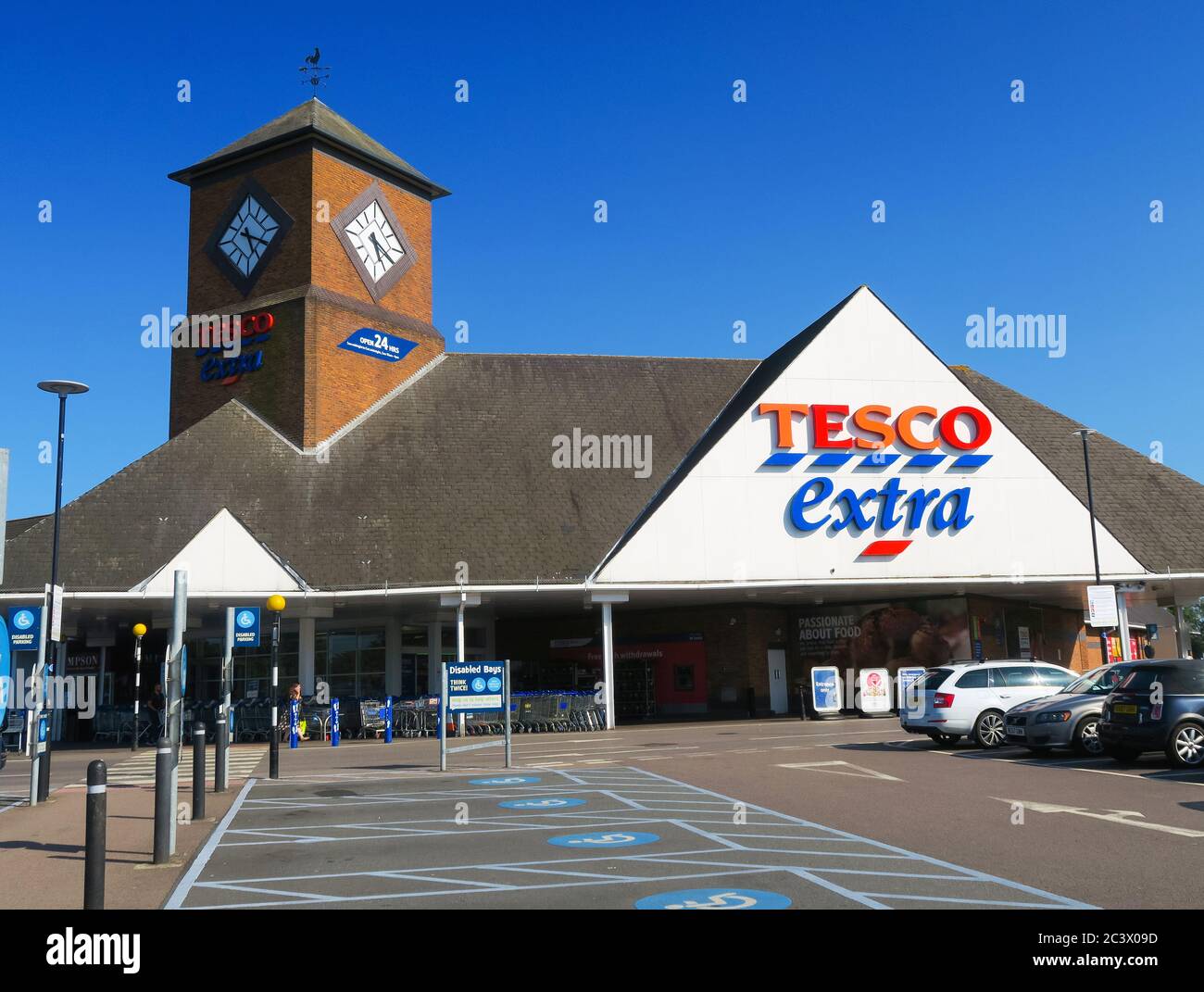
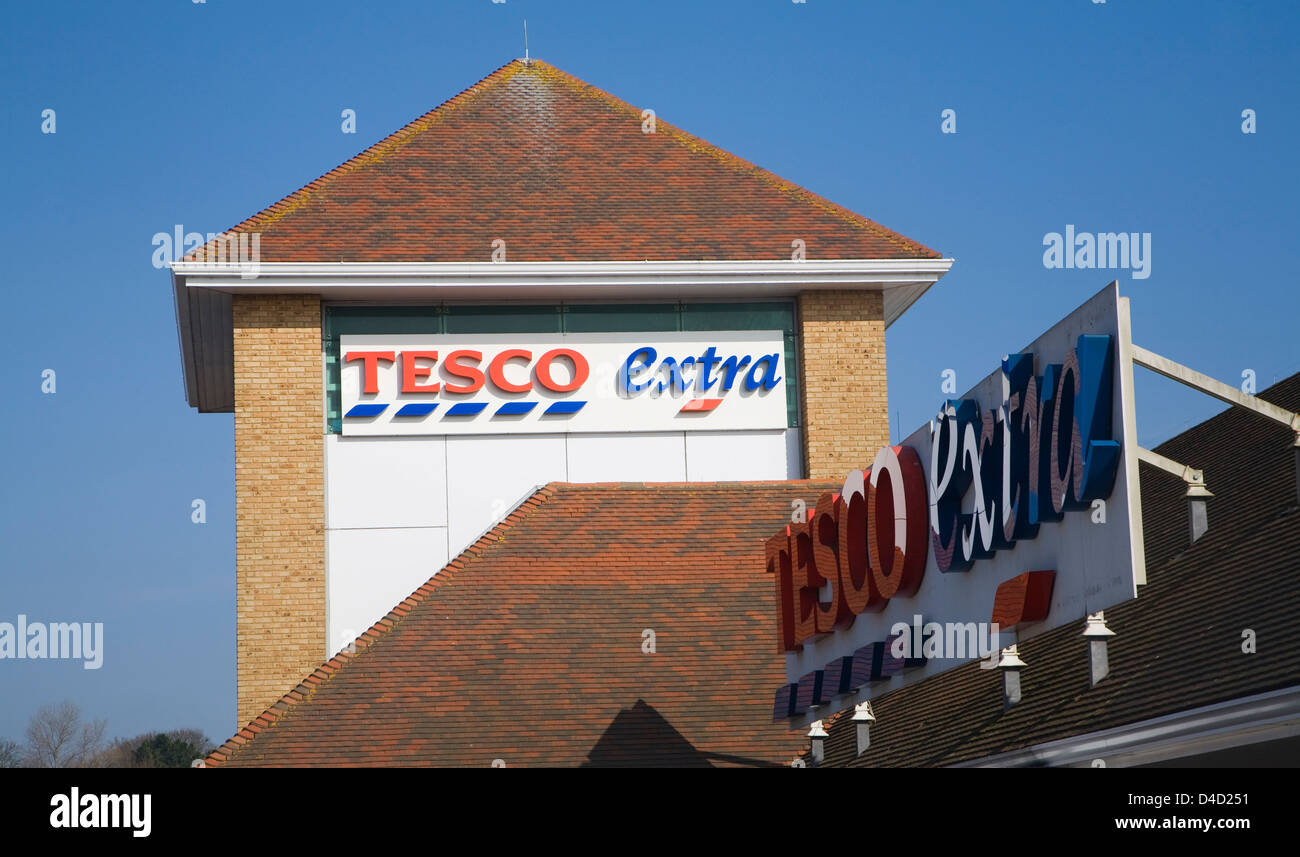
Tesco Extra and Tesco Superstore are both large-format supermarkets designed to accommodate full weekly shops, but they differ significantly in physical footprint, stock inventory, and additional non-grocery services. While Superstores focus heavily on a comprehensive food selection and a modest range of clothing and home goods, Extra locations act as hypermarkets featuring expansive non-food departments including electricals, entertainment, and third-party concessions.
Contents
Navigating the landscape of large-scale UK grocery retail requires understanding how different store tiers align with your shopping habits. Tesco, as one of the country's leading supermarket chains, operates a tiered store classification system to maximize retail space efficiency based on geographical location and consumer demand. Among these tiers, the distinction between a Tesco Superstore and a Tesco Extra is frequently misunderstood by shoppers looking for specific products, clothing ranges, or in-store services.
Decoding the Tesco Store Hierarchy: Where Extra and Superstore Fit
To understand the operational and inventory differences between these two formats, it helps to look at how Tesco categorizes its estate. The retailer primarily operates four main physical retail formats: Express, Metro (largely phased out or converted), Superstore, and Extra.
Superstores and Extras sit at the top of the size spectrum. However, they serve distinct catchment areas and inventory models.
- Tesco Superstore: Typically ranging between 25,000 and 50,000 square feet, these branches are engineered to stock a massive range of fresh, frozen, and ambient food alongside a curated selection of general merchandise. They are commonly found in medium-to-large town centers or suburban retail parks.
- Tesco Extra: These are hypermarket-scale locations, often exceeding 60,000 square feet and occasionally pushing past 100,000 square feet. Situated near major road networks on the outskirts of towns or cities, Extras are designed to house virtually the entire Tesco product ecosystem under one roof.
Core Structural and Inventory Differences
The primary divergence between a Tesco Extra and a Superstore lies in SKU (Stock Keeping Unit) depth, particularly within non-grocery categories. While both formats offer robust grocery selections, the breadth of non-food items changes dramatically.
Grocery and Fresh Food Provisions
Both store formats excel in grocery provisioning. You will find full bakeries, butcher counters (where still operational), fresh produce, and extensive chilled and frozen aisles in both a Superstore and an Extra.
- Product Availability: A Tesco Extra will typically carry a wider array of world foods, specialty dietary ranges (free-from, organic, gourmet lines like Finest), and bulk-buy options.
- Availability Consistency: Promotional stock and new product lines tend to roll out to Tesco Extra locations first due to higher footfall and larger backroom storage capacities.
Clothing, Homeware, and General Merchandise
This is where the physical size difference translates into a starkly different shopping experience.
- F&F Clothing: While larger Superstores often feature a dedicated F&F clothing department, the range is frequently limited to seasonal basics and popular womenswear and menswear lines. A Tesco Extra hosts the complete F&F collection, including extensive childrenswear, footwear, tailoring, and dedicated fitting rooms.
- Home and Electrical: Superstores generally stock basic homeware, kitchen utensils, stationery, and a small selection of books and magazines. Extras feature large non-food zones containing major electrical appliances (televisions, vacuum cleaners, white goods), extensive home decor, luggage, bedding, and automotive accessories.
Feature Comparison: Tesco Extra vs Superstore
Reviewing the structural capabilities of each format helps clarify which store type best suits specific shopping requirements.
| Feature / Attribute | Tesco Superstore | Tesco Extra |
|---|---|---|
| Average Floor Space | 25,000 – 50,000 sq ft | 60,000+ sq ft |
| Primary Location | Town centers, suburban high streets | Out-of-town retail parks, arterial road junctions |
| Grocery Range | Comprehensive fresh, frozen, and ambient lines | Maximum range, including bulk and specialty items |
| F&F Clothing Range | Moderate (Core lines and seasonal essentials) | Full range (Includes footwear, tailoring, and full kids' lines) |
| Electricals & Home Goods | Limited (Basic small appliances and kitchenware) | Extensive (Major appliances, TVs, complete home furnishings) |
| In-Store Concessions | Rare, or limited to a basic pharmacy/opticians | Common (Clothing brands, phone repair kiosks, dry cleaning, cafes) |
| Parking Facilities | Medium to large car parks | Large multi-bay car parks, often with EV charging points |
In-Store Services and Amenities
Beyond the retail floor, the range of ancillary services highlights the operational divergence between the two formats.
Extra Services Found Predominantly in Tesco Extras
Because of their vast floor plates and out-of-town positioning, Tesco Extra locations frequently lease space to third-party partners or build out comprehensive internal service desks. Shoppers can often utilize:
- In-store pharmacies, opticians, and dental clinics.
- Phone repair shops, dry cleaners, and photo processing booths.
- Expanded customer service desks handling complex queries, click-and-collect returns, and lottery services.
- Larger café operations, sometimes featuring partnerships with major coffee chains alongside standard Tesco restaurant offerings.
Services Available in Both Formats
Essential consumer conveniences are generally standardized across both Superstores and Extras, including:
- Scan as You Shop handheld devices and self-checkout zones.
- Tesco Bank kiosks or ATMs.
- Recycling facilities in the car park (glass, textiles, paper).
- Dedicated Click & Collect bays for online grocery and non-food orders.
Pros and Cons of Shopping at Each Format
Choosing between a Superstore and an Extra depends entirely on the purpose of your shopping trip. Weighing the operational advantages and disadvantages of each format streamlines your errands.
Tesco Superstore
Superstore Advantages: Easier to navigate due to a smaller footprint, resulting in faster in-and-out times for a standard weekly shop. Usually located closer to residential areas, saving travel time and fuel. Car parks are less congested during peak hours compared to massive hypermarket sites.
Superstore Disadvantages: Limited stock depth for non-grocery items means you may have to visit a separate retailer for clothing, electronics, or specialized homeware. Smaller inventory can lead to popular promotional lines selling out faster.
Tesco Extra
Extra Advantages: Unmatched product variety under one roof, allowing you to complete grocery shopping, clothing purchases, and electronics shopping in a single trip. Better availability of specialized items and higher stock resilience. Equipped with extensive non-grocery services.
Extra Disadvantages: Can be overwhelming due to sheer physical size, long walking distances, and heavy foot traffic. Out-of-town locations often require driving and can experience severe traffic congestion during weekends and holidays.
How to Choose the Right Store for Your Needs
Matching your shopping list to the appropriate store tier prevents wasted trips and frustration.
- Assess Your List Depth: If your shopping list consists strictly of fresh produce, pantry staples, household cleaning goods, and dairy, a Tesco Superstore will fully satisfy your requirements with less walking and quicker navigation.
- Factor in Non-Food Requirements: If you need to try on clothing, purchase a television, buy specialized bedding, or pick up bulky home organization items, bypass the local Superstore and head directly to a Tesco Extra.
- Evaluate Time Constraints: For a rapid mid-week top-up shop, a Superstore's compact layout saves valuable time. If you have a free weekend morning and need to tackle multiple errands at once, an Extra's consolidated service offering is more efficient.
- Check Store Locators: Always verify the specific attributes of your nearest branch using the official Tesco store locator, as certain older Superstores have been retrofitted with expanded clothing or pharmacy sections over time.
Frequently Asked Questions
Can I use Click & Collect at both Tesco Extra and Superstore locations?
Yes, both Tesco Superstores and Tesco Extras support Click & Collect services for groceries and general merchandise. However, Tesco Extra locations generally feature larger dedicated collection zones and handle higher volumes of non-food order pickups.
Do Tesco Extras have different pricing compared to Superstores?
Standard grocery pricing, Clubcard prices, and promotions are uniform across all large-format Tesco Superstores and Extras. Prices only diverge significantly when comparing these large formats to smaller convenience-focused Tesco Express stores, which often carry slightly higher prices due to operational costs.
Are all clothing ranges available in a Tesco Superstore?
No. While many Superstores stock a basic selection of F&F clothing, only Tesco Extra locations (and select large Superstores) house the complete, comprehensive F&F fashion collection including extensive footwear and tailoring ranges.
Why do some towns have an Extra while others only have a Superstore?
Store classification is determined by demographic data, available real estate, local planning permissions, and projected customer footfall. Extras require large plots of land—usually on urban peripheries—whereas Superstores are scaled to fit denser, close-in retail environments.
How can I check if my local Tesco is a Superstore or an Extra?
You can check the exact designation of any branch by using the Store Locator tool on the official Tesco website or mobile app, which details the specific square footage, department availability, and opening hours for every location.
Strategic Shopping Recommendation
For most consumers, keeping a Tesco Superstore as your primary destination for regular weekly grocery provisioning offers an efficient balance of speed and stock availability. Reserve trips to a Tesco Extra for occasions requiring consolidated multi-department shopping, such as seasonal wardrobe updates, major homeware purchases, or utilizing specialized in-house services like pharmacies and optical centers. By understanding these structural differences, you can optimize your time and ensure your retail trip matches your exact purchasing needs.
Image Gallery