Hydrocolloid Plasters for Burns in Practice
Hydrocolloid plasters provide a moist wound healing environment that can manage superficial and partial-thickness burns by supporting re-epithelialization while protecting nerve endings from air exposure. However, clinicians and patien...
Hydrocolloid plasters provide a moist wound healing environment that can manage superficial and partial-thickness burns by supporting re-epithelialization while protecting nerve endings from air exposure. However, clinicians and patients must carefully evaluate burn depth, infection status, and exudate levels before application, as these dressings are contraindicated for infected, heavily exudating, or deep full-thickness thermal injuries.
Contents
Managing burns effectively in clinical and home settings requires a clear understanding of wound physiology, dressing selection criteria, and safety parameters. While advanced wound care products have transformed modern practice, improper application can lead to complications such as maceration or trapped bacterial growth. This article examines the practical deployment, clinical benefits, technical constraints, and step-by-step management protocols associated with hydrocolloid plasters for burns.
Understanding Hydrocolloid Plasters and Burn Wound Physiology
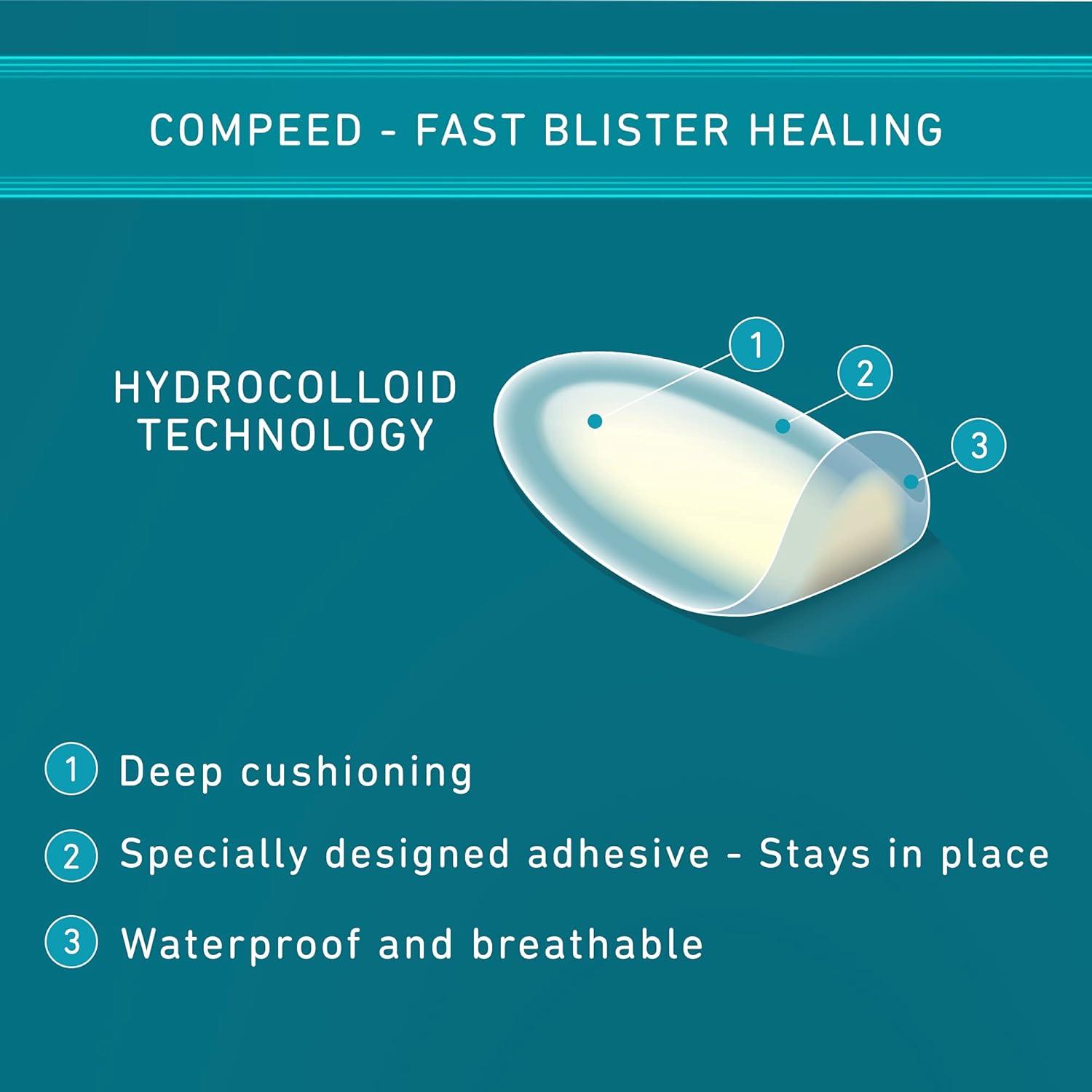
Hydrocolloid dressings consist of an outer water-resistant film or foam backing and an inner self-adhesive layer containing hydrophilic colloidal particles—such as gelatin, pectin, and carboxymethylcellulose. When these particles come into contact with wound exudate, they form a cohesive gel that maintains a moist, warm environment. This moist environment accelerates the migration of epidermal cells across the wound bed, reducing healing times compared to traditional dry gauze dressings.
In the context of burn injuries, wound management aims to minimize pain, prevent secondary infection, and preserve viable tissue. Superficial-thickness (first-degree) and superficial partial-thickness (second-degree) burns react well to this environment because moisture prevents the desiccation of exposed nerve endings, providing significant pain relief. Furthermore, the semi-permeable outer layer acts as a barrier against external bacteria and fluid contamination while allowing gas exchange.
| Feature / Attribute | Hydrocolloid Plasters | Traditional Dry Gauze |
|---|---|---|
| Wound Environment | Moist, promotes cellular migration | Dry, prone to scab formation |
| Pain Management | High (cushions and protects nerve endings) | Low (frequent friction during changes) |
| Exudate Management | Moderate absorption (forms cohesive gel) | High absorption, but sticks to wound bed |
| Infection Barrier | Semi-permeable waterproof seal | Porous, requires secondary tape and cover |
| Change Frequency | Every 3 to 7 days (as indicated by gel pooling) | Daily or more frequently |
Clinical Indications and Contraindications
Choosing the right dressing requires accurate diagnosis of burn depth and tissue condition. Hydrocolloid plasters are not universally suitable for all thermal injuries. Clinicians must assess several parameters to determine whether a hydrocolloid dressing is appropriate.
Appropriate Indications
- Superficial Burns: Erythematous skin without blistering (e.g., mild sunburns) where protection and comfort are the primary goals.
- Superficial Partial-Thickness Burns: Second-degree burns characterized by intact or recently ruptured blisters with moist, pink or red underlying dermis and brisk capillary refill.
- Donor Sites: Certain clean, low-exudate skin graft donor sites under professional supervision.
Critical Contraindications
- Infected Burns: Hydrocolloids create an occlusive, anaerobic environment that can accelerate bacterial proliferation if infection is already present. Signs of infection include purulent discharge, spreading erythema, foul odor, and systemic fever.
- Deep Partial-Thickness and Full-Thickness Burns: Third-degree burns, charring, or deep injuries involving subcutaneous tissue require specialized surgical evaluation and specialized burn center intervention rather than standard outpatient dressings.
- Heavily Exudating Wounds: Burns producing excessive fluid can overwhelm the absorption capacity of hydrocolloid materials, leading to peri-wound maceration (skin breakdown from excessive moisture).
Step-by-Step Application Protocol in Practice
Applying a hydrocolloid plaster requires strict adherence to aseptic techniques to prevent contamination. Rushing the preparation phase or failing to cleanse the burn site properly increases the risk of secondary complications.
- Cool the Burn: Immediately following a thermal injury, cool the burn under cool running tap water for at least 20 minutes. Do not use ice, as extreme cold causes vasoconstriction and deepens tissue damage.
- Assess and Cleanse: Gently clean the burn site with mild soap and sterile saline or water. Pat the area dry with sterile gauze. Remove any loose, non-viable epidermis or ruptured blister skin carefully, as trapped debris can cause infection.
- Select the Correct Size: Choose a plaster that extends at least 1 to 2 centimeters beyond the margin of the burn onto healthy, intact skin to ensure a secure seal.
- Apply the Dressing: Remove the protective release liner without touching the adhesive surface. Gently roll or smooth the plaster over the burn, pressing down lightly from the center outward to eliminate air pockets and wrinkles.
- Secure Edges: Ensure the adhesive border adheres completely to the surrounding skin. If necessary in high-mobility areas, use hypoallergenic border tape, though the dressing's self-adhesive nature is usually sufficient.
Monitoring, Maintenance, and Removal
Managing hydrocolloid plasters involves observing the healing process over several days without unnecessary dressing changes. Because these dressings interact with exudate, specific visual indicators help determine when a change is required.
As fluid interacts with the hydrophilic particles, a white or yellowish-grey gel bubble typically forms underneath the center of the plaster. This appearance is normal and indicates that the dressing is working. However, if the fluid expands to the outer edges of the adhesive border, or if leakage occurs, the dressing must be replaced immediately.
Removal Procedures
- Gently press down on the surrounding skin with one hand while lifting an edge of the plaster with the other.
- Slowly stretch the dressing horizontally away from the wound rather than pulling it upward. This technique releases the adhesive bond without tearing fragile new skin.
- If the dressing adheres firmly to the wound bed, irrigate the area gently with sterile saline or warm water to loosen it before removal. Never force or yank the plaster off.
- Cleanse the wound bed again, inspect for signs of healing or infection, and apply a fresh dressing if the burn remains unhealed.
Common Mistakes and Troubleshooting
Clinical experience highlights several recurring errors when utilizing hydrocolloid plasters for burn care. Avoiding these pitfalls ensures safer outcomes and faster recovery.
- Premature Removal: Changing the dressing daily disrupts the delicate epithelial layer forming underneath. Unless leakage, odor, or infection signs appear, leave the plaster in place for up to seven days.
- Ignoring Odor: When removing a hydrocolloid dressing, a characteristic mild, cheesy odor and yellowish gel are common and normal upon cleansing. However, a foul, pungent odor accompanied by pus and severe pain indicates infection, requiring immediate medical evaluation.
- Incorrect Assessment of Depth: Applying occlusive dressings to deep burns delays necessary surgical debridement and grafting consultations. When in doubt regarding burn depth, consult a general practitioner, emergency physician, or specialized burn team.
Frequently Asked Questions
Can I use hydrocolloid plasters on chemical or electrical burns?
No. Chemical and electrical burns involve deep tissue damage, systemic complications, and unpredictable tissue necrosis. These injuries require immediate emergency medical evaluation and specialized clinical management rather than standard consumer hydrocolloid plasters.
What should I do if a blister forms under the hydrocolloid plaster?
A soft, fluid-filled bubble often forms under hydrocolloid dressings as part of the normal gel-formation process. If the blister is small and intact, it can be left alone. If it is large, painful, or compromises the seal, a qualified healthcare professional should evaluate it and perform sterile drainage if necessary.
How long can a single hydrocolloid plaster stay on a burn?
A hydrocolloid plaster can typically remain in place for up to 7 days, depending on the volume of exudate produced. If fluid leaks past the edges, or if the patient experiences increasing pain, throbbing, or fever, remove the dressing immediately and seek medical advice.
Are hydrocolloid plasters waterproof?
Most hydrocolloid plasters feature a waterproof outer polyurethane film. This allows patients to shower cautiously, though prolonged soaking in baths or swimming pools should be avoided to prevent the adhesive border from lifting and introducing bacteria.
When is professional medical attention required for a burn?
Seek immediate emergency medical care if the burn covers an area larger than three inches in diameter, affects the face, hands, feet, groin, or major joints, is caused by chemicals or electricity, or shows signs of infection such as spreading redness, pus, or fever.
Practical Next Actions
For minor superficial or uncomplicated superficial partial-thickness burns, ensure you have a clean assessment area, cool water for initial thermal dissipation, and appropriately sized hydrocolloid dressings on hand. If you suspect a deeper burn, underlying contamination, or if the patient is a young child or elderly individual with fragile health, consult a licensed healthcare professional before applying any occlusive dressing. Proper triage and ongoing observation remain the cornerstone of safe, effective burn recovery.
Image Gallery