Long Range Shooting in Alabama: Facilities, Training, and Ballistic Requirements
Alabama has established itself as a premier destination for precision marksmen, offering some of the most technologically advanced facilities in the United States. From the electronic targets of the CMP Talladega Marksmanship Park to t...
Alabama has established itself as a premier destination for precision marksmen, offering some of the most technologically advanced facilities in the United States. From the electronic targets of the CMP Talladega Marksmanship Park to the rugged, thousand-yard lanes at private tactical centers, the state provides diverse opportunities for long-range enthusiasts of all skill levels in 2026.
Contents
Long-range shooting in Alabama is characterized by a mix of public-access marksmanship parks and exclusive private training facilities. To succeed here, shooters must navigate the state’s high humidity and variable density altitude while mastering equipment capable of precise engagement at distances from 600 to over 1,200 yards. Whether you are a competitive Precision Rifle Series (PRS) shooter or a hunter looking to extend your ethical range, Alabama’s infrastructure supports comprehensive skill development through professional instruction and world-class range design.
The Landscape of Alabama Long-Range Facilities
The geographical and institutional landscape of Alabama offers a unique advantage for long-range shooters. Unlike many Eastern states where dense forests limit range lengths, Alabama hosts several facilities specifically engineered for extreme distances. These venues are often divided into two categories: "State-of-the-Art Electronic" and "Tactical/Field" environments.
CMP Talladega Marksmanship Park: The "Home of Marksmanship"
The Civilian Marksmanship Program (CMP) Talladega Marksmanship Park remains the crown jewel of the South’s shooting infrastructure. Spanning over 500 acres, this facility revolutionized the sport by implementing Kongsberg Target Systems (KTS). These electronic targets use acoustic sensors to locate bullet impacts, transmitting the data instantly to a monitor at the shooter’s bench.
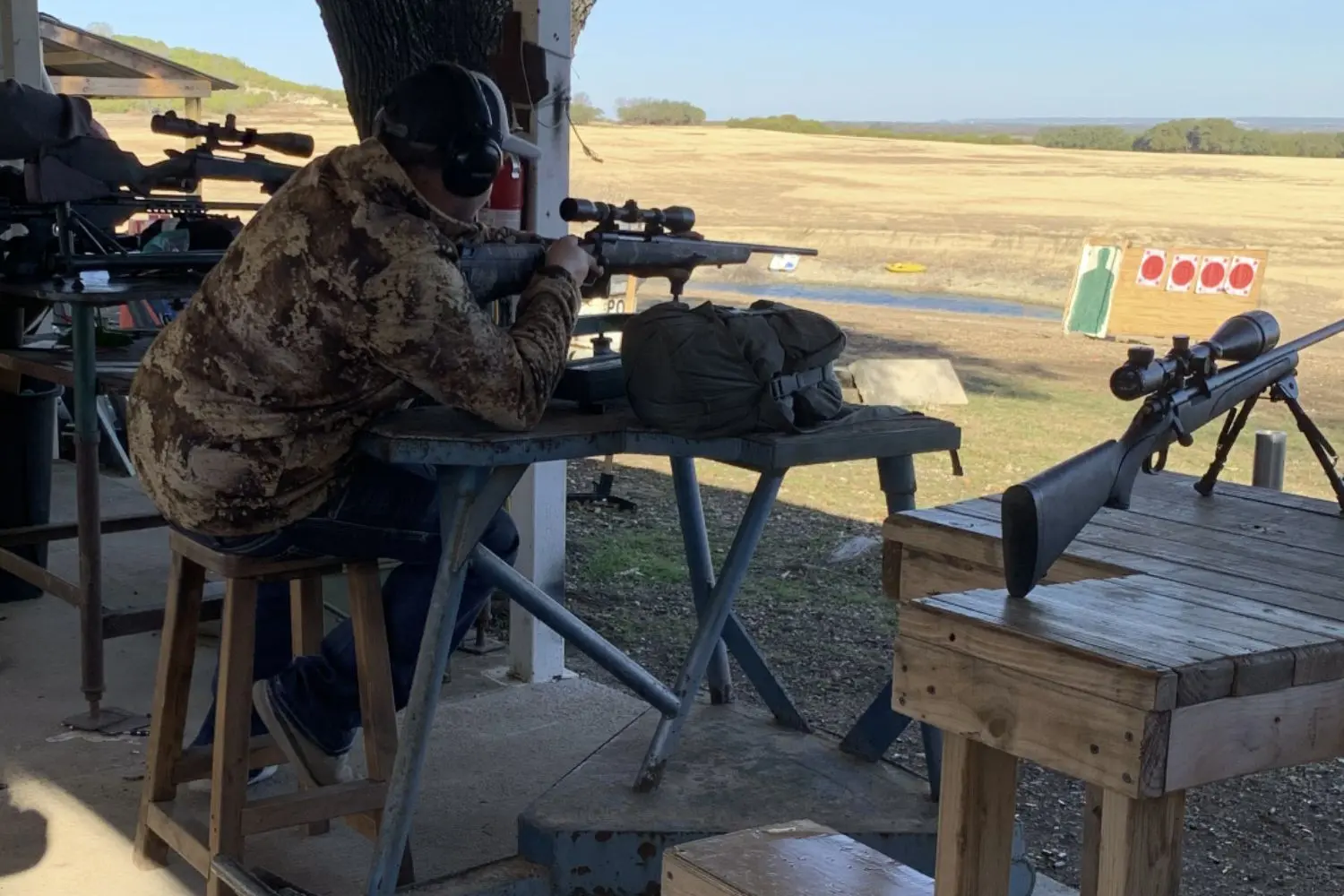
At the 600-yard range, shooters can cycle through strings of fire without ever needing to "pull pits" or wait for manual target resets. This efficiency allows for a much higher volume of precision fire during a single session. The park is designed with a focus on traditional high-power rifle competition but is equally accessible to the public for zeroing and practice. For those new to the distance, the CMP offers a mandatory safety briefing that covers the specific operations of electronic monitors, ensuring that even novices can navigate the technology-heavy environment.
Private Tactical Ranges: Element and The Arena
For those looking to push beyond 600 yards into true "Extreme Long Range" (ELR) territory, private facilities like Element Training Center and The Arena Training Center are essential.
Element Training Center, located near Holt, Alabama, is known for its "Long Range Row." This facility offers lanes stretching to 1,000 yards and beyond. Unlike the groomed lawns of CMP, Element provides a more realistic field environment. This is where shooters practice reading "mirage"—the heat waves that distort the image of the target—which is a constant factor in Alabama's climate.
The Arena Training Center in Swansea is a massive 2,300-acre multi-purpose facility. It is a staple on the Precision Rifle Series (PRS) circuit. The Arena is designed for the tactical shooter, featuring varied firing points including rooftops, barricades, and natural terrain. Their ranges often extend to 1,200 yards, providing the necessary distance for calibers like the .300 PRC or 6.5 PRC to truly perform.
Essential Ballistics for the Alabama Climate
Shooting in Alabama presents specific atmospheric challenges that differ significantly from the high, dry environments of the American West. In 2026, the use of ballistic solvers and atmospheric sensors has become standard for anyone shooting past 500 yards in the Deep South.
Understanding Density Altitude (DA)
Density Altitude is perhaps the most critical variable for an Alabama shooter. DA is a measure of air density influenced by temperature, pressure, and humidity. In Alabama, the low elevation combined with high summer heat and humidity creates "thick" air.
- High DA (Hot/Humid): The air is less dense, meaning less drag on the bullet. Your shots will likely impact higher than your baseline zero.
- Low DA (Cold/Dry): The air is denser, increasing drag and causing the bullet to drop faster.
A Kestrel weather meter or a similar ballistic weather station is indispensable here. Alabama’s humidity doesn't just affect the bullet; it affects the shooter. Mirage is often heavy at mid-day, requiring shooters to dial back their optic's magnification to see through the "boil" of the air.
Caliber and Equipment Selection
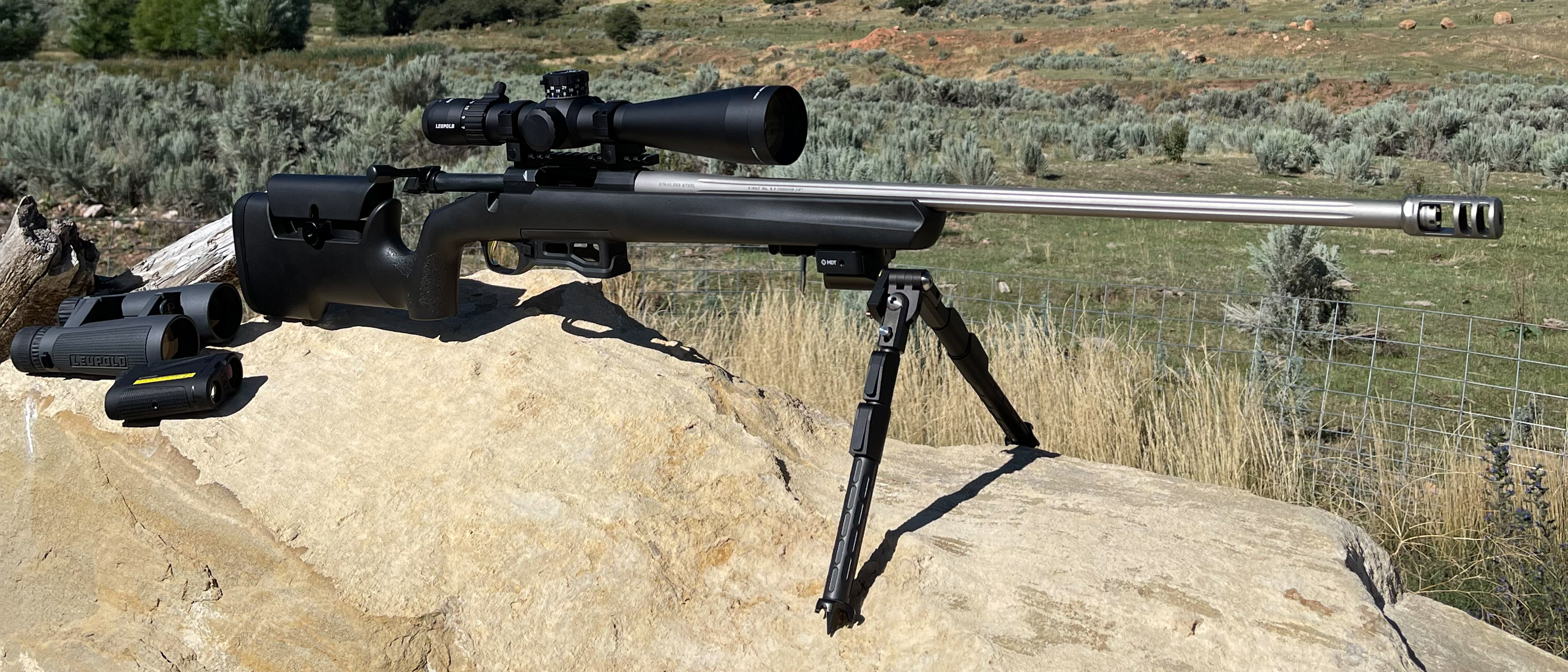
While the .308 Winchester remains a classic, the 2026 long-range scene in Alabama is dominated by "6mm" and "6.5mm" cartridges. The 6.5 Creedmoor remains the entry-level standard due to its balance of recoil and ballistic coefficient (BC). However, competitive shooters at The Arena or Element often favor the 6mm Dasher or 6GT for their exceptionally flat trajectories and minimal recoil, which allows the shooter to "spot" their own impacts through the scope.
| Feature | CMP Talladega | Element Training Center | The Arena Training Center |
|---|---|---|---|
| Max Distance | 600 Yards | 1,000 Yards | 1,200+ Yards |
| Target Type | Electronic (Kongsberg) | Steel and Paper | Steel / Tactical Arrays |
| Primary Focus | High Power / Public Access | Precision Rifle / Practice | PRS / Professional Training |
| Membership | Not Required (Daily Fee) | Membership & Day Pass | Membership & Event Based |
| Instruction | Basic / Competitive | Advanced Long Range | Tactical / PRS Specialized |
Preparing for Competition: PRS and Regional Matches
Alabama is a hub for the Precision Rifle Series (PRS) Southeast Region. These competitions are not just about shooting from a prone position; they require shooters to engage targets from unstable positions under a time limit.
Getting Started in Alabama PRS
For a beginner, the leap into competition can be daunting. The regional "Club Pro" matches held at venues like The Arena are designed to be an entry point. These matches typically require:
- A Bolt-Action or Gas Rifle: Capable of 1 MOA (Minute of Angle) accuracy or better.
- A Variable Power Optic: Preferably with a "Christmas Tree" style reticle (like the Horus Tremor3 or Mil-XT) for rapid hold-overs.
- Support Bags: Such as a "Game Changer" bag to steady the rifle on wooden barricades or cattle gates.
In 2026, many Alabama matches have integrated "Production Class" divisions, which limit the cost of the rifle and optic, ensuring that newcomers aren't outgunned by $10,000 custom builds. Participating in these matches is the fastest way to learn "wind calling"—the art of compensating for the lateral push of the wind, which can move a bullet several feet off-target at 1,000 yards.
Range Etiquette and Safety Requirements
Safety protocols at Alabama long-range facilities are strictly enforced to manage the inherent risks of high-energy projectiles.
- Cold Range Policy: Most facilities operate on a "cold range" basis, meaning rifles must be unloaded with bolts open and "Chamber Flags" (Empty Chamber Indicators) inserted whenever anyone is downrange or during transitions.
- Muzzle Awareness: Due to the long barrels often used in precision shooting, extra care must be taken when moving rifles between benches or barricades.
- Caliber Restrictions: While most ranges allow up to .338 Lapua Magnum, some (like the CMP) may have restrictions on .50 BMG or armor-piercing ammunition due to the potential damage to electronic target sensors or steel deflectors.
Before visiting a facility like the CMP Talladega Marksmanship Park, it is recommended to check their current "Range Officer" (RO) requirements. Often, first-time visitors must watch a safety video and perform a short competency demonstration.
Advanced Training and Education
To move from "hitting the paper" to "clinging to the bullseye," professional instruction is vital. Several organizations operate within Alabama to provide high-level training.
Organizations such as Stronghold Precision and individual instructors at Element Training Center offer courses ranging from "Long Range 101" to "Advanced Wind Reading." These courses typically cover:
- Internal Ballistics: What happens inside the barrel (harmonics, twist rate).
- External Ballistics: The bullet’s flight (BC, drag curves, Coriolis effect).
- Terminal Ballistics: Performance upon impact (crucial for hunters).
- The Data on Previous Engagement (DOPE): Creating a "range card" that tells you exactly where to aim at every 50-yard increment.
In 2026, many of these courses utilize digital tools like the Applied Ballistics ecosystem, teaching shooters how to use custom drag models (CDMs) for their specific rifle and ammunition combination.
Frequently Asked Questions
What is the minimum rifle caliber for long-range shooting in Alabama?
While you can shoot a .223 Remington at long distances, most Alabama ranges recommend at least a .243 Winchester or 6mm Creedmoor for distances beyond 500 yards. The .223 lacks the wind-bucking capability required for the gusty conditions often found at open facilities like The Arena. For those looking for the most versatile option, the 6.5 Creedmoor is the standard recommendation.
Do I need a specialized "Sniper Rifle" to get started?
No. Many modern "precision" factory rifles from manufacturers like Ruger, Bergara, or Tikka are capable of hitting targets at 1,000 yards right out of the box. The most important factor is the optic. You need a scope with "tracking" reliability—meaning when you turn the dial 10 clicks, the point of impact moves exactly the distance promised.
Are there any public 1,000-yard ranges in Alabama?
Most 1,000-yard ranges in Alabama are privately owned or require a membership. The CMP Talladega Marksmanship Park is public but currently maxes out at 600 yards. For 1,000 yards, Element Training Center in Holt is one of the most accessible options for the general public via day passes, provided you meet their safety and proficiency standards.
How does Alabama’s humidity affect my bullet?
Contrary to popular belief, high humidity actually makes the air less dense (water vapor is lighter than dry air). This means that on a very humid day in Alabama, your bullet will experience slightly less drag and may hit higher than it would on a dry day at the same temperature. However, the effect is secondary to temperature and barometric pressure.
Can I use a suppressor at these ranges?
Yes, most Alabama ranges are suppressor-friendly. In fact, many PRS competitors and long-range enthusiasts prefer suppressors because they reduce recoil and muzzle blast, making it easier to maintain a "sight picture" and see where the bullet impacts. Note that you must have your NFA paperwork (Tax Stamp) available, as some private ranges may request to see it.
Next Steps for the Aspiring Alabama Marksman
If you are ready to begin your long-range journey, the first step is to visit the CMP Talladega Marksmanship Park for a day of practice on their 600-yard electronic targets. This provides a low-pressure environment to test your equipment and establish a baseline for your rifle's performance. Once you are comfortable at 600 yards, consider enrolling in a precision rifle clinic at Element Training Center to bridge the gap to 1,000 yards and beyond. Engaging with the local community through Alabama-based shooting forums or PRS regional Facebook groups will also provide invaluable real-time data on upcoming matches and equipment swaps.
Image Gallery