Orangutan Deforestation and Palm Oil: Environmental Impact and Supply Chain Verification
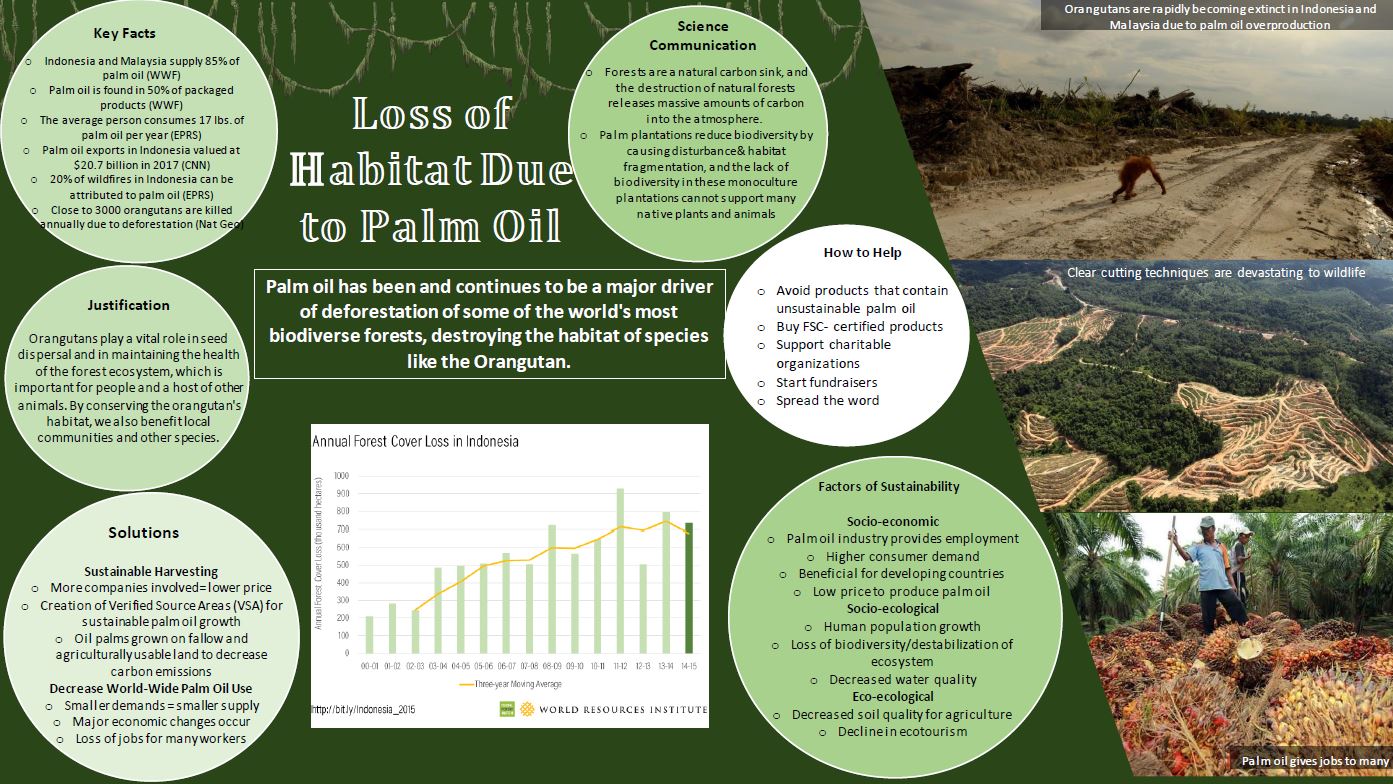
Palm oil expansion is a primary driver of deforestation in Southeast Asia, severely threatening the survival of wild orangutan populations. Industrial land clearing for oil palm plantations destroys primary rainforests, fragments habit...
Palm oil expansion is a primary driver of deforestation in Southeast Asia, severely threatening the survival of wild orangutan populations. Industrial land clearing for oil palm plantations destroys primary rainforests, fragments habitats, and pushes these critically endangered great apes toward extinction. Understanding the relationship between agricultural commodity production and wildlife displacement requires examining supply chain dynamics, certification standards, and consumer choices.
Contents
The Ecological Crisis: How Palm Oil Expansion Drives Deforestation
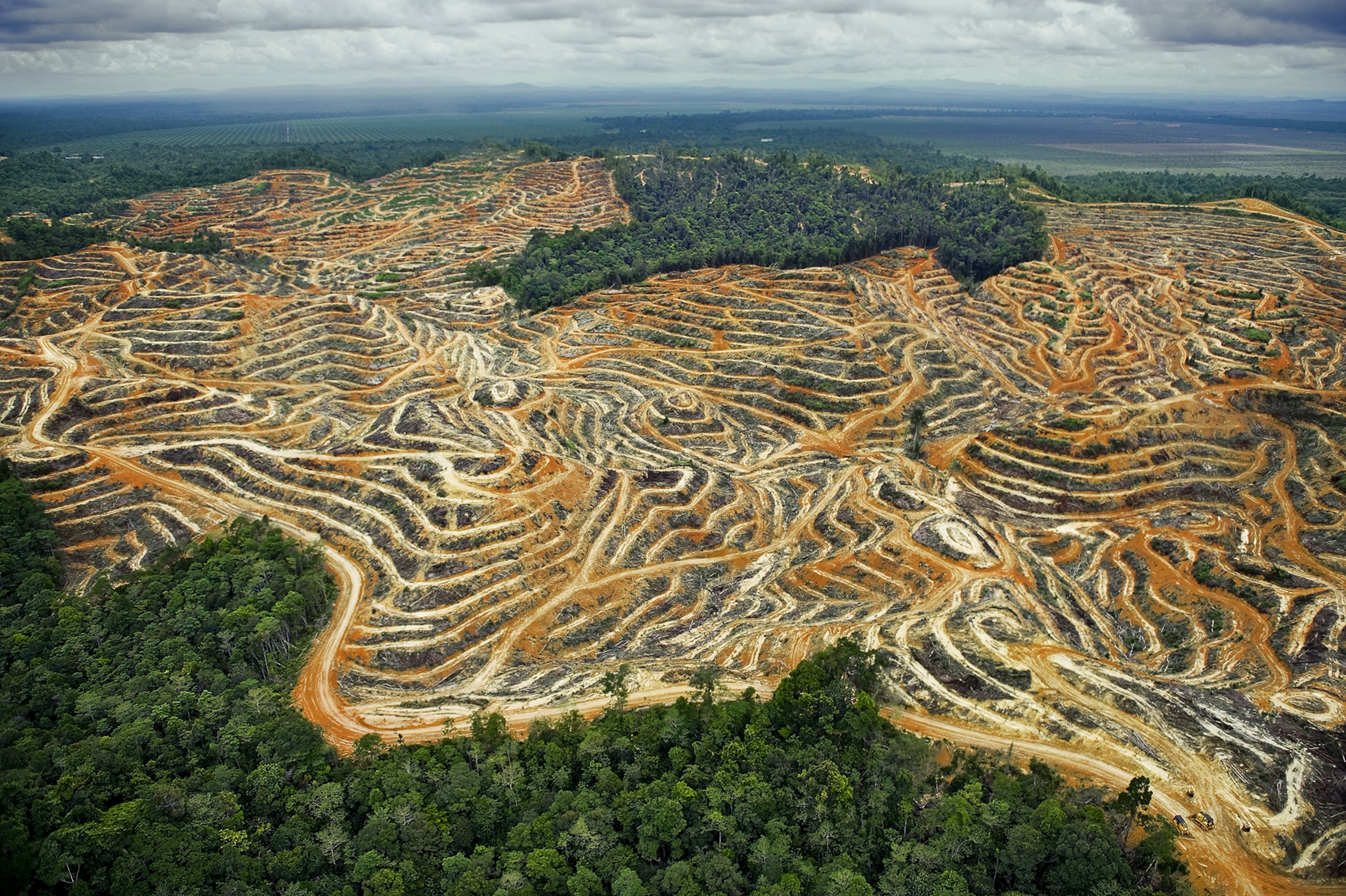
Global demand for vegetable oil has turned the tropical rainforests of Borneo and Sumatra into industrial agricultural landscapes. Palm oil (Elaeis guineensis) is a remarkably high-yielding crop, producing more oil per hectare than soybean, sunflower, or rapeseed alternatives. However, this high biological productivity has fueled massive commercial expansion, transforming diverse tropical ecosystems into monoculture estates.
When companies develop new land for palm oil, they typically rely on clear-cutting and slash-and-burn methods. This process releases massive quantities of carbon dioxide stored in peatlands and biomass, while completely dismantling the forest canopy. For tree-dwelling species like orangutans, the loss of contiguous forest means the immediate loss of nesting sites, foraging areas, and social pathways.
Furthermore, industrial development introduces roads, infrastructure, and human activity deep into remote forest interiors. This fragmentation isolates subpopulations, making genetic exchange impossible and rendering orangutans vulnerable to poaching, illegal pet trade capture, and fatal human-wildlife conflicts when displaced animals enter agricultural plots searching for food.
Understanding the Species: Bornean, Sumatran, and Tapanuli Orangutans
Three distinct species of orangutans inhabit the dwindling forests of Indonesia and Malaysia, all facing severe population declines directly linked to habitat loss.
- Bornean Orangutan (Pongo pygmaeus): Found across the island of Borneo, this species is listed as Critically Endangered by the International Union for Conservation of Nature (IUCN). Subspecies distribution varies by region, with populations plummeting as lowland forests are converted into plantations.
- Sumatran Orangutan (Pongo abelii): Confined entirely to the northern island of Sumatra, particularly the Leuser Ecosystem, this species is also Critically Endangered. They face intense pressure from agricultural encroachment and infrastructure projects that bisect their remaining forest strongholds.
- Tapanuli Orangutan (Pongo tapanuliensis): Discovered and scientifically described as a distinct species in 2017, the Tapanuli orangutan is the rarest great ape on Earth, with fewer than 800 individuals remaining in the Batang Toru ecosystem of North Sumatra. Planned hydroelectric projects and adjacent palm oil pressures threaten their extremely restricted habitat range.
Supply Chain Complexity: From Forest to Consumer Goods
Tracing palm oil from an Indonesian plantation to a supermarket shelf in North America, Europe, or beyond is an intricate logistical challenge. Raw fruit bunches are harvested from plantations, transported to local mills for crushing into crude palm oil (CPO), and then sent to refineries. At the refinery stage, palm oil is fractionated into various grades used by multinational consumer goods manufacturers.
Because raw materials from multiple independent smallholders and large corporate estates are continuously mixed at mills and refineries, establishing complete traceability is difficult. A single bottle of shampoo, a package of cookies, or a tub of margarine may contain refined palm oil sourced from dozens of different plantations, some of which may be operating illegally within protected forest zones or orangutan migratory corridors.
| Supply Chain Tier | Primary Operation | Environmental Risk Factor |
|---|---|---|
| Smallholders & Estates | Harvesting fresh fruit bunches from oil palm trees. | Illegal land clearing, peatland drainage, wildlife poaching. |
| Mills | Crushing fruit to produce crude palm oil (CPO). | Effluent runoff, mixing of legal and illegal crop sources. |
| Refineries | Processing CPO into edible oils and chemical derivatives. | Lack of transparency and origin tracking in bulk blending. |
| Manufacturers | Producing packaged consumer goods (food, cosmetics, detergent). | Greenwashing, indirect sourcing from deforested regions. |
Certification and Verification Standards
To combat destructive agricultural practices, industry stakeholders established certification systems designed to separate sustainable supply chains from deforestation-driven operations. The primary mechanism governing the global trade is the Roundtable on Sustainable Palm Oil (RSPO).
Established in 2004, the RSPO certifies palm oil producers who commit to environmental and social criteria, including the protection of High Conservation Value (HCV) areas and High Carbon Stock (HCS) forests. Under strict RSPO principles, member companies are prohibited from clearing primary forests or secondary forests harboring endangered wildlife like orangutans.
However, certification systems face ongoing scrutiny from conservation groups and independent auditors. Criticisms often center on enforcement mechanisms, transparency gaps, and the historical inclusion of plantations developed via historical deforestation. To address these limitations, many major brands have adopted "No Deforestation, No Peat, No Exploitation" (NDPE) policies, which apply stricter cutoff dates and independent satellite monitoring to verify that suppliers are not clearing new land.
Consumer and Corporate Action: Driving Change
Addressing the impact of palm oil on orangutans requires coordinated intervention across corporate procurement, regulatory policy, and consumer purchasing habits. Boycotting palm oil entirely is often discouraged by conservation scientists and economists, as replacing palm oil with alternative vegetable oils—such as soybean or coconut—would require significantly more land area due to lower yield per hectare, potentially displacing deforestation pressures onto other fragile ecosystems and wildlife species.
Instead, the primary solution lies in transforming market demand toward certified sustainable production.
- Corporate Due Diligence: Consumer goods corporations must enforce stringent supply chain transparency, mapping Tier 1 and Tier 2 suppliers down to the individual mill and plantation level.
- Regulatory Compliance: Governments in consumer markets, such as the European Union Deforestation Regulation (EUDR), increasingly require companies to prove that imported agricultural commodities do not originate from deforested land.
- Consumer Awareness: Shoppers can examine ingredient labels for RSPO-certified palm oil derivatives and support companies that transparently report their sourcing practices.
Frequently Asked Questions
What is palm oil and why is it used so widely?
Palm oil is an edible vegetable oil derived from the fruit of the oil palm tree. It is favored by food and cosmetic manufacturers because it remains semi-solid at room temperature, has a high melting point, acts as a natural preservative, and requires significantly less land to cultivate per ton than other vegetable oils.
Are all palm oil plantations responsible for orangutan deforestation?
Not all plantations drive recent deforestation. Many established estates operate on land that was converted from agriculture or degraded scrubland decades ago. Certified sustainable palm oil ensures that no primary forests or orangutan habitats have been cleared since established cutoff dates.
Why not just boycott palm oil completely?
Boycotting palm oil can lead to "leakage" or substitution effects. Because oil palm trees produce up to ten times more oil per hectare than alternatives like soybean, rapeseed, or sunflower, switching to other oils could force agricultural expansion onto a much larger global land footprint, threatening other species.
How can I check if the products I buy are sustainable?
Look for certified trademarks on product packaging, such as the RSPO label. Additionally, independent watchdog organizations like the Rainforest Action Network (RAN) and the World Wide Fund for Nature (WWF) regularly publish palm oil buyer scorecards evaluating corporate sustainability commitments.
What is the current population status of wild orangutans?
Wild orangutan populations across Borneo and Sumatra are estimated to number between 100,000 and 120,000 individuals collectively, with exact figures difficult to verify due to remote terrain. All three species remain listed as Critically Endangered due to ongoing habitat fragmentation and illegal hunting.
Next Steps for Sustainable Support
To actively minimize your contribution to orangutan habitat loss, review the household and cosmetic products you purchase regularly. Support brands that publish complete mill-level traceability lists and invest in verified sustainable supply chains. For those wishing to contribute directly to conservation efforts, reputable wildlife sanctuaries and rehabilitation centers in Borneo and Sumatra—such as the Orangutan Land Trust and Borneo Orangutan Survival Foundation—offer support programs focused on forest restoration, anti-poaching patrols, and the rescue and release of displaced animals.
Image Gallery