Random Celebrity Names: The Ultimate Guide for Creativity, Games, and Development in 2026
Random celebrity names serve as vital tools for game nights, creative writing prompts, and technical data testing. By selecting names from a diverse pool of actors, musicians, and digital creators, users can instantly inject high-conte...
Random celebrity names serve as vital tools for game nights, creative writing prompts, and technical data testing. By selecting names from a diverse pool of actors, musicians, and digital creators, users can instantly inject high-context anchors into social interactions or software environments, streamlining everything from party icebreakers to complex algorithmic training.
Contents
As we move through 2026, the definition of a "celebrity" has expanded significantly. No longer confined to the silver screen or the radio, the pool of recognizable names now includes massive digital creators, virtual influencers, and global icons from niche streaming platforms. Whether you are a developer looking for realistic placeholder data or a host planning a high-stakes game of Charades, understanding how to effectively categorize and generate these names is essential for success.
Why Random Celebrity Names Are More Useful Than Ever
The utility of a randomized list of famous figures extends far beyond simple entertainment. In 2026, the "fame economy" is integrated into nearly every facet of digital life. Here is why having access to a curated, randomized list is a tactical advantage:
Enhancing Social and Party Games
Classic games like Charades, "Who Am I?", and "Celebrity" (often played with a bowl of paper slips) rely entirely on the quality of the names involved. Using a randomizer ensures a fair distribution of difficulty. If one person picks all the names, they may inadvertently choose people only from their own generation or interests. A randomized approach forces participants to engage with a broader spectrum of pop culture, making the game more inclusive and challenging.
Creative Writing and Archetyping
Authors and screenwriters often use celebrity names as "shorthand" for character archetypes during the drafting phase. Instead of struggling to describe a character's "vibe," a writer might use a placeholder name like "Timothée Chalamet type" or "Zendaya energy." Randomizing these names can help writers break out of their comfort zones, prompting them to create characters based on unexpected personas they wouldn't have naturally chosen.
Software Development and UI/UX Testing
For developers building social media clones, contact management systems, or notification engines, using "John Doe" is outdated. In 2026, realistic testing requires data that mimics actual user behavior. Random celebrity names provide recognizable, varied-length strings that help developers see how names look in different fonts, layouts, and notification bubbles. Furthermore, for those training AI recommendation engines, a dataset of celebrity names is crucial for testing collaborative filtering and interest-based mapping.
Categorizing the Stars: A 2026 Perspective
To get the most out of a random name generator or list, it is helpful to categorize celebrities by their primary "sphere of influence." This allows you to tailor the names to your specific audience or project needs.
1. Legacy Icons and Hollywood Royalty
These are the names that transcend generations. Even in 2026, figures like Meryl Streep, Tom Cruise, and Denzel Washington remain household names. These are excellent for multi-generational gatherings because they provide a common ground between Gen Alpha and Boomers.
2. The Music Titans
From the global dominance of K-pop groups like BTS and NewJeans to the enduring legacy of Taylor Swift and Beyoncé, music celebrities often have the most recognizable names globally. This category is particularly useful for international audiences where film stardom might be more regional.
3. Digital Creators and Streamers
By 2026, the distinction between "Internet famous" and "traditionally famous" has nearly vanished. Names like MrBeast, Kai Cenat, or top-tier virtual YouTubers (VTubers) hold as much weight with younger demographics as movie stars once did. If your target audience is under 30, these names are indispensable.
4. Professional Athletes
Sports stars offer a different kind of recognition. Names from the NBA, FIFA, and the growing professional pickleball leagues provide a diverse array of names that are often associated with specific traits like "discipline," "speed," or "leadership."
Methods for Generating Random Celebrity Names
Depending on your technical requirements, there are several ways to generate these names in 2026.
Manual Lists and "The Bowl Method"
For small-scale use, nothing beats a curated manual list. You can write down 50 names across different categories to ensure balance. This is best for family events where you want to avoid "unrecognizable" modern influencers that might confuse older participants.
Online Generation Tools
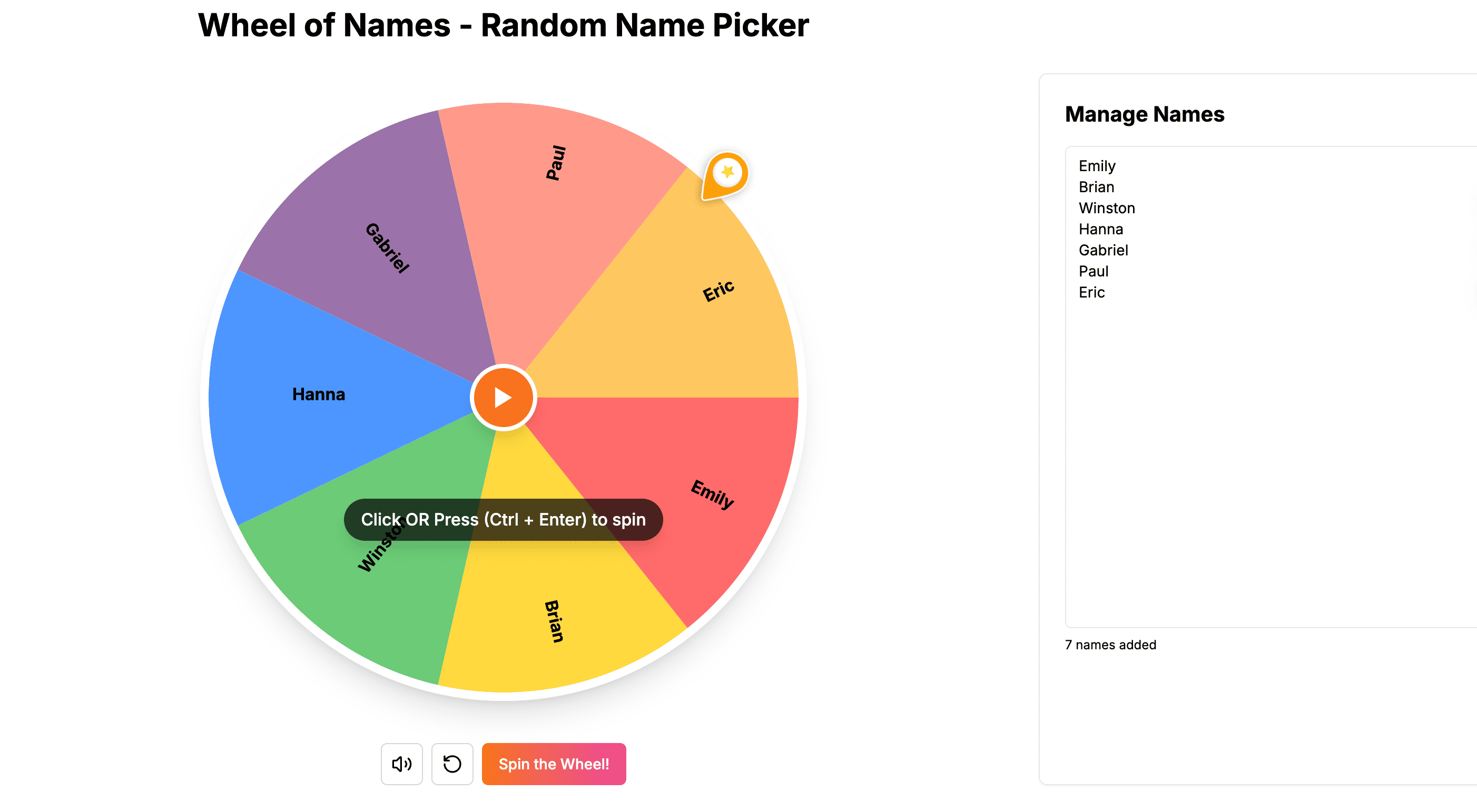
Dozens of web-based tools allow you to toggle filters. You can choose to generate "only 90s actors" or "modern pop stars." These tools are the gold standard for game masters who need a quick list of 20 names without any prep time.
API Integration for Developers
Professional developers often use APIs (Application Programming Interfaces) to pull live data. By tapping into databases like IMDb or the The Movie Database (TMDB), developers can fetch a list of currently trending actors or directors. This ensures the data is always fresh and relevant to 2026 trends.
| Method | Best For | Pros | Cons |
|---|---|---|---|
| Manual Selection | Small Parties | High relevance, no tech needed | Time-consuming, biased |
| Randomizer Apps | Instant Play | Fast, diverse, easy to use | Requires device access |
| API Fetching | App Development | Scalable, real-time data | Requires coding knowledge |
| AI Prompting | Writing/Brainstorming | Highly customizable themes | Potential for "hallucinated" names |
Strategic Use Cases for Random Names
The "Identity" Icebreaker
In corporate settings in 2026, traditional icebreakers are often seen as tedious. A "Random Celebrity" icebreaker involves taping a name to each person's back. They must ask "Yes" or "No" questions to figure out who they are. Using a randomized list ensures that the boss doesn't get an easy name while the intern gets an obscure one.
Stress-Testing Search Algorithms
If you are building a search bar for a new platform, you need to test for misspellings and partial matches. Celebrity names are perfect for this because people frequently misspell them (e.g., "Scarlett Johansson" vs "Scarlet Johanson"). A randomized list of these names allows you to run "fuzzy search" tests to see how well your algorithm handles common errors.
Avoiding "Main Character" Bias in Fiction
When writers use the same names for their protagonists, the stories can feel repetitive. By using a randomizer to pick a celebrity "muse," a writer might find themselves looking up that celebrity's history or fashion style, leading to a much richer, more nuanced character design that avoids their usual tropes.
Legal and Ethical Considerations of Using Celebrity Names
While using random names for games and testing is generally "fair use," there are boundaries to keep in mind, especially in a commercial context in 2026.
- Right of Publicity: You cannot use a celebrity's name to imply an endorsement of a product without their permission. If you are building a commercial app, ensure the names are clearly used as placeholders or examples, not as part of the branding.
- Defamation: Even in a game or a fictional placeholder, using a name in a way that is malicious or harmful can lead to legal complications. It is always best to keep the use of these names lighthearted and professional.
- Accuracy in Data: If you are using names for historical or academic research, ensure the "randomization" doesn't strip away important context, such as the person’s nationality or the era in which they were active.
Practical Tips for Better Randomization
- Balance the Decades: Don't just pull from 2026. A good list should have a mix of 80s icons, 2000s stars, and current viral sensations.
- Diversify Fields: Ensure you aren't just picking actors. Include scientists, authors, and athletes to keep the list intellectually stimulating.
- Consider Global Appeal: If your audience is international, include names from Bollywood, Nollywood, and the European football leagues. Global icons like Shah Rukh Khan or Kylian Mbappé have massive recognition across borders.
Frequently Asked Questions
What are the best categories for a "Who Am I?" game?
For the best results, mix categories: 30% Actors, 30% Musicians, 20% Athletes, and 20% "Historical" Celebrities (like Albert Einstein or Marilyn Monroe). This ensures that someone with any interest profile has a fair chance of guessing.
How do I generate celebrity names for a Python project?
You can use a library like faker or connect to an API like the TMDB API. Simply send a request to the "trending" endpoint to get a JSON list of the top 20 most popular people on the platform at that moment.
Are social media influencers considered celebrities in 2026?
Yes. In terms of name recognition and cultural impact, top-tier creators on platforms like TikTok and YouTube are categorized as celebrities. In many demographic segments, they are more recognizable than traditional television actors.
Can I use celebrity names in my self-published book?
You can generally mention a celebrity’s name in a fictional work (e.g., "She looked like Natalie Portman"). However, you cannot make them a character in the book who performs actions that could be seen as defamatory or that capitalize on their "Right of Publicity" for profit without consent.
What is the most common mistake when picking random names?
The most common mistake is "Recency Bias"—picking only people who were in the news in the last week. This makes the list date quickly. A truly effective random list includes "Evergreen" celebrities who have been famous for at least a decade.
Final Recommendation
When using random celebrity names, the key is to match the selection to the "context of use." If you are hosting a party, prioritize high-recognition, high-energy names that spark conversation. If you are a developer, prioritize name variety and string complexity to ensure your software is robust. For the most balanced experience, always utilize a mix of "Legacy Stars" and "Modern Creators" to ensure every generation feels included in the cultural conversation of 2026.
Image Gallery