The Best Neighborhoods in Montreal: A Comprehensive 2026 Guide
Choosing the best neighborhood in Montreal depends on your lifestyle preferences, budget, and proximity to work or study. For 2026, the city offers a diverse mix of historic charm in Old Montreal, artistic vibrancy in Plateau-Mont-Roya...
Choosing the best neighborhood in Montreal depends on your lifestyle preferences, budget, and proximity to work or study. For 2026, the city offers a diverse mix of historic charm in Old Montreal, artistic vibrancy in Plateau-Mont-Royal, family-friendly atmosphere in Rosemont, and modern urban living in the rapidly evolving Griffintown district.
Contents
Montreal remains one of North America’s most unique urban environments. As of 2026, the city has successfully integrated major transit expansions, including the fully operational Réseau express métropolitain (REM), which has fundamentally altered how residents choose where to live. This "city of neighborhoods" functions as a collection of distinct villages, each offering a specific cultural flavor and architectural style. Whether you are seeking the bustling nightlife of the downtown core or the quiet, leafy streets of the West Island, understanding the nuances of the local rental and real estate markets is essential for making an informed decision.
Understanding Montreal’s Geographic and Cultural Layout
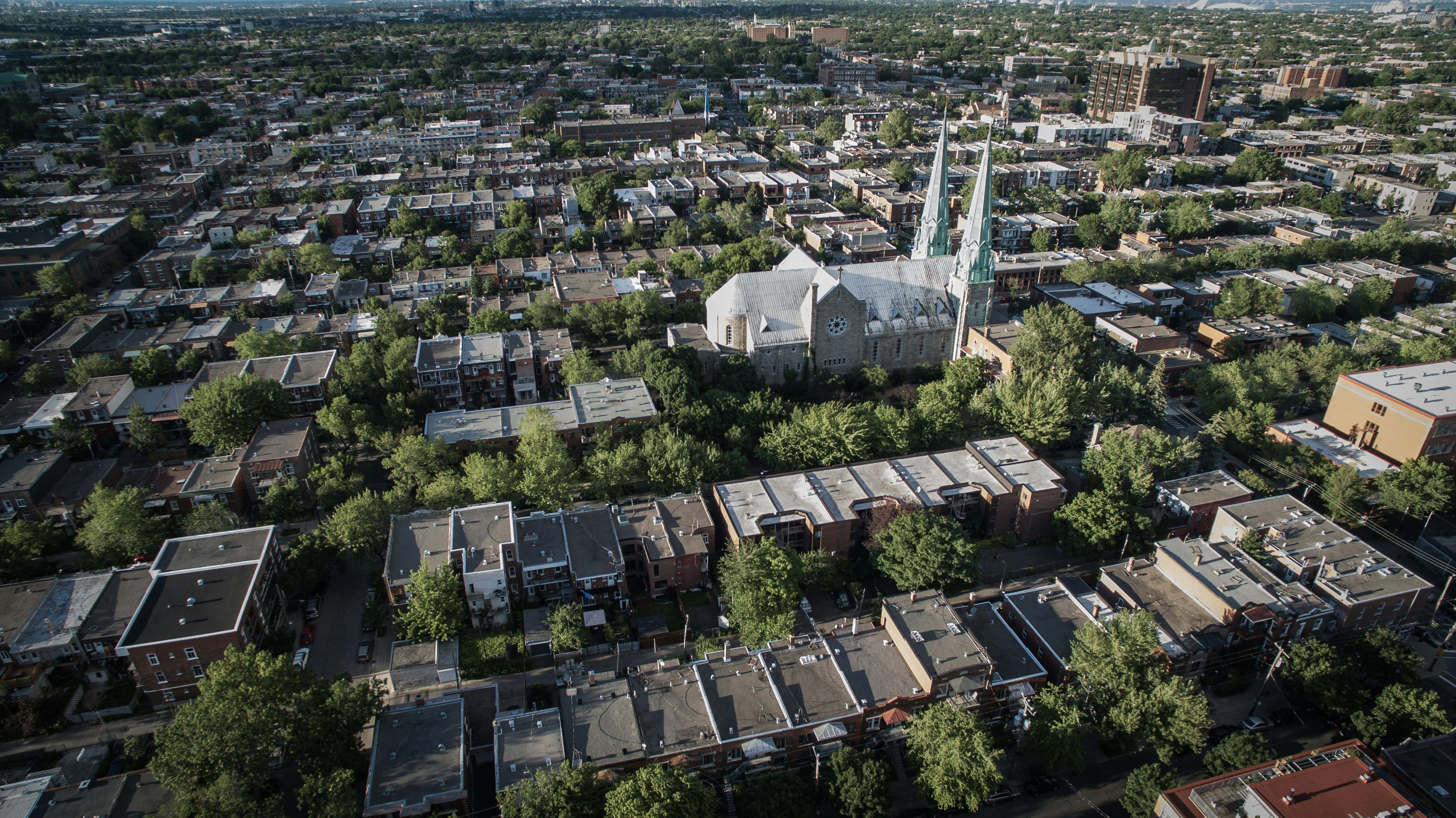
To navigate Montreal’s neighborhoods effectively, one must understand the "East-West" divide, traditionally marked by Saint-Laurent Boulevard. Historically, the West was predominantly Anglophone, while the East was Francophone. In 2026, these lines are increasingly blurred, yet the cultural legacies remain. The downtown core (Ville-Marie) serves as the central hub, with residential neighborhoods radiating outward.
Transportation is a primary factor in neighborhood desirability. The STM (Société de transport de Montréal) metro system, complemented by the now-complete REM light rail branches, allows for efficient commuting even from peripheral boroughs. When evaluating a neighborhood, consider the "Walk Score" and the proximity to the "Ruelles Vertes" (green alleys), which have become a staple of high-quality urban life in Montreal.
Plateau-Mont-Royal and Mile End: The Artistic Heart
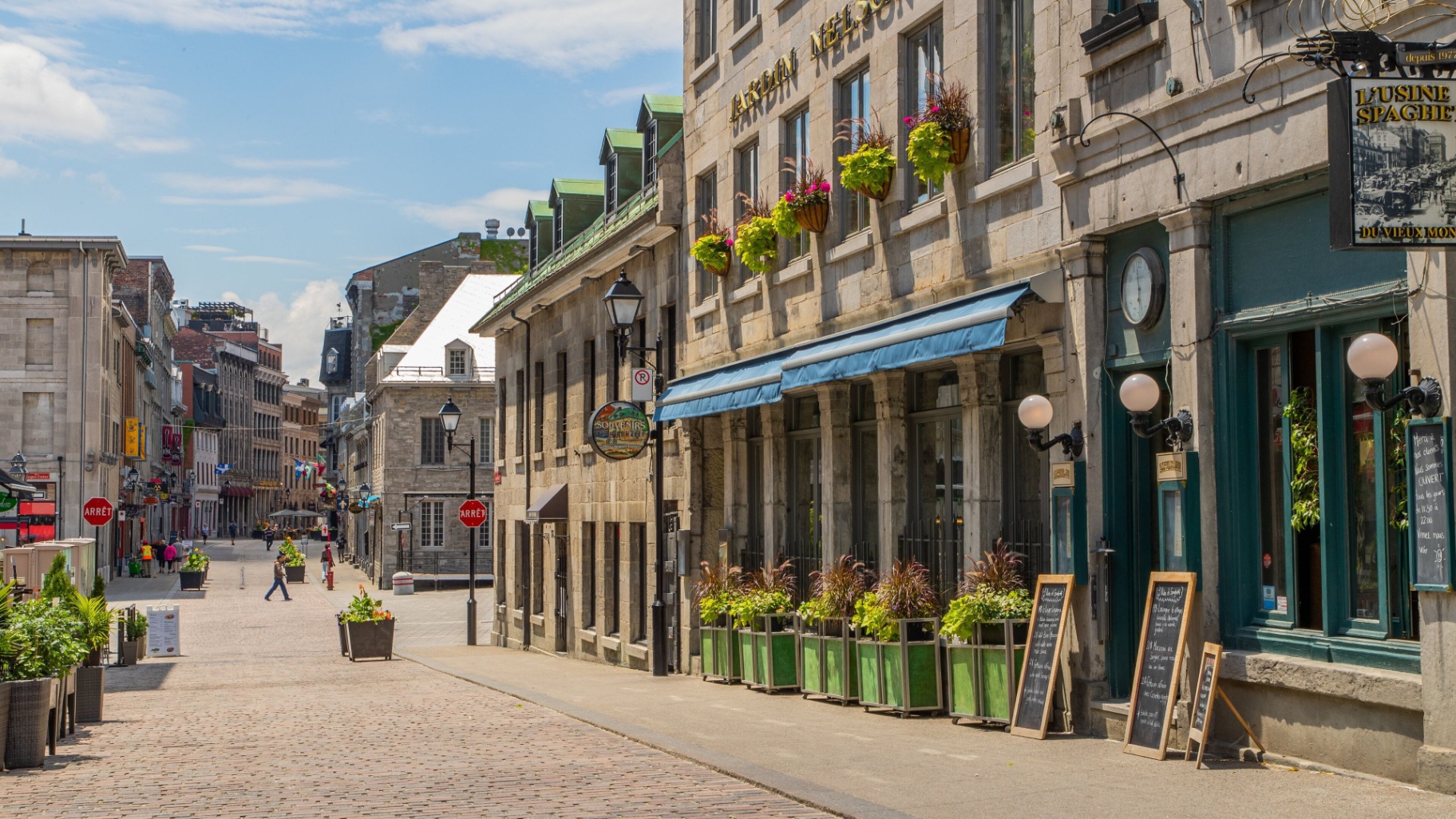
Plateau-Mont-Royal continues to be the most iconic neighborhood in Montreal. Known for its wrought-iron exterior staircases and brightly colored houses, it remains a magnet for artists, young professionals, and French expatriates.
Life in the Plateau
The Plateau is characterized by its high density and vibrant street life. Avenue du Mont-Royal, which is now permanently pedestrianized during the summer months as of 2026, serves as the main artery for shopping and dining. Residents here enjoy immediate access to Parc La Fontaine, one of the city's most beautiful green spaces, offering skating in the winter and outdoor theater in the summer.
The Mile End Micro-Neighborhood
Nestled within the Plateau is the Mile End, world-renowned for its bagel shops (St-Viateur and Fairmount) and its status as a global tech hub. With Ubisoft and several AI research firms maintaining massive offices here, the Mile End attracts a highly educated, international demographic. It is arguably the most "hip" area of Montreal, featuring independent boutiques, specialized coffee shops, and a thriving live music scene. However, this popularity comes with a price; rental rates in Mile End are among the highest in the city for non-luxury housing.
Rosemont–La Petite-Patrie: The Family Choice
If the Plateau is where you spend your twenties, Rosemont–La Petite-Patrie is where many Montrealers move to raise a family. This borough has seen significant investment in infrastructure and green spaces over the last few years.
Jean-Talon Market and Little Italy
At the heart of this district lies the Jean-Talon Market, one of the largest open-air markets in North America. Living within walking distance of the market allows residents to access fresh, local produce year-round, fostering a food-centric lifestyle. The adjacent Little Italy neighborhood offers a mix of traditional trattorias and modern wine bars.
Family Amenities and Green Alleys
Rosemont is famous for its "Ruelles Vertes"—public alleys transformed into lush, car-free gardens where children play and neighbors socialize. The proximity to the Botanical Garden and Maisonneuve Park provides vast recreational opportunities. For 2026, Rosemont remains a "middle-ground" budget option; it is more expensive than the far East End but offers better value for square footage than the downtown core or the Plateau.
Griffintown and Le Sud-Ouest: Modernity and Heritage
Le Sud-Ouest (The Southwest) has undergone the most dramatic transformation of any Montreal district over the past decade. It comprises several distinct areas: Griffintown, Saint-Henri, and Little Burgundy.
Griffintown’s Vertical Growth
Griffintown is Montreal’s answer to modern condo living. Formerly an industrial district, it is now dominated by sleek glass towers and high-end amenities. It is the preferred choice for young professionals working in the Financial District or the Cité du Multimédia. With the REM station now fully integrated, commuting to the airport or the South Shore is seamless. However, critics often point to a lack of traditional schools and large parks compared to older boroughs.
Saint-Henri and Little Burgundy
Further west along the Lachine Canal lie Saint-Henri and Little Burgundy. These areas blend a gritty industrial aesthetic with some of the city's best dining experiences. Notre-Dame Street West has become a culinary destination, home to world-famous restaurants and antique shops. The Lachine Canal itself serves as a major recreational corridor, providing kilometers of paths for cycling, running, and kayaking.
Verdun: The Rising Star
Verdun was once considered a working-class suburb, but by 2026, it has solidified its reputation as one of the coolest neighborhoods in the world. Its transformation has been driven by the revitalization of Wellington Street and the development of the Verdun Beach.
Wellington Street
Consistently ranked as one of the best "cool streets" globally, Wellington Street is home to a diverse array of local businesses, from high-end cocktail bars to traditional diners. The street’s pedestrianization strategy has been a massive success, boosting local commerce and community engagement.
Riverside Access
What sets Verdun apart is its relationship with the Saint Lawrence River. The expansive waterfront parks offer bike paths, cross-country skiing, and a public beach. For those seeking an urban lifestyle with easy access to nature and water, Verdun is often the top recommendation.
Westmount and Outremont: Luxury and Tradition
For those with a higher budget seeking prestige and historic architecture, Westmount and Outremont remain the gold standards.
- Westmount: An independent city enclave, Westmount is predominantly Anglophone and known for its massive Victorian mansions, elite private schools, and the beautiful Westmount Park. It offers a sense of quiet exclusivity while being minutes away from the downtown core.
- Outremont: Located on the north side of Mount Royal, Outremont is the Francophone equivalent of Westmount. It is characterized by its grand avenues, upscale boutiques on Rue Laurier, and proximity to the Université de Montréal. It is a favored location for academics, professionals, and established families.
Neighborhood Comparison Table (2026 Estimates)
| Neighborhood | Primary Vibe | Avg. Rent (4 1/2)* | Best For | Walk Score |
|---|---|---|---|---|
| Plateau | Artsy & Vibrant | $2,300 | Nightlife, Culture | 95+ |
| Rosemont | Family-Oriented | $1,950 | Families, Foodies | 85+ |
| Verdun | Community & River | $1,850 | Outdoor Lovers | 90+ |
| Griffintown | Modern & Urban | $2,500 | Young Professionals | 88+ |
| Mile End | Trendy & Tech | $2,450 | Creatives, Techies | 98+ |
| Saint-Henri | Gritty-Chic | $2,100 | Foodies, Singles | 89+ |
| NDG | Diverse & Leafy | $1,800 | Students, Expats | 82+ |
*Note: 4 1/2 refers to a two-bedroom apartment. Prices are estimated based on 2026 market trends.
Practical Considerations for Moving to Montreal
When choosing a neighborhood, the technicalities of the Quebec rental system are as important as the location. Most leases in Montreal traditionally start on July 1st, a phenomenon known as "Moving Day." While this is shifting slightly as the market tightens, the majority of inventory still appears in the spring for July occupancy.
Language and Integration
While Montreal is highly bilingual, especially in the West End and downtown, moving to neighborhoods like Rosemont or Hochelaga will require a better command of French for daily interactions. Conversely, NDG (Notre-Dame-de-Grâce) and Westmount are more Anglophone-friendly.
Heating and Utilities
Montreal winters are rigorous. When evaluating an apartment or home, verify the type of heating (electric baseboards are most common) and whether "Hydro" (electricity) is included in the rent. In 2026, energy efficiency ratings are increasingly included in rental listings to help tenants estimate winter costs.
Frequently Asked Questions
Which Montreal neighborhood is the safest?
Most residential neighborhoods in Montreal are considered very safe compared to other major North American cities. Westmount, Outremont, and the Town of Mount Royal (TMR) consistently report low crime rates. However, even high-traffic areas like the Plateau and Verdun are generally safe for pedestrians at all hours.
Where should students live in Montreal?
Students at McGill University often prefer the "Ghetto" (the area directly east of campus) or the Plateau. Concordia students frequently look in the Shaughnessy Village or NDG due to the easy bus/metro access to both campuses. UdeM students typically congregate in Côte-des-Neiges or Outremont.
Is it better to live near a Metro or REM station?
In 2026, being near a REM station offers a significant advantage for those who travel frequently to the Pierre Elliott Trudeau International Airport or the South Shore (Brossard/Dix30). However, the classic Metro (Green and Orange lines) remains the backbone of the city for reaching the downtown core and cultural hubs.
Are rents in Montreal still affordable compared to Toronto?
Yes. Despite significant increases over the last few years, Montreal remains substantially more affordable than Toronto or Vancouver. In 2026, a high-end two-bedroom in Montreal may cost what a studio apartment costs in downtown Toronto, though local salaries are also generally lower.
What is the best neighborhood for remote workers?
The Mile End and the Sud-Ouest are excellent for remote workers due to the high density of "third spaces" such as coworking cafes and public libraries. Many newer condo developments in Griffintown also include dedicated coworking floors as a standard amenity.
Final Recommendation
If you are new to the city and want the quintessential Montreal experience, start your search in Plateau-Mont-Royal or Mile End. For those prioritizing a balance of rental value, safety, and outdoor access, Verdun currently offers the best ROI for quality of life in 2026. Always visit a neighborhood at different times of the day—especially during the evening—to gauge the noise levels and local atmosphere before signing a lease or making a purchase.
Image Gallery