Understanding the United States Courts of Appeals: The Intermediary Powerhouses
The United States Courts of Appeals are the 13 intermediate appellate courts within the federal judicial system, positioned directly below the Supreme Court. As of 2026, these courts serve as the final arbiter for the vast majority of...
The United States Courts of Appeals are the 13 intermediate appellate courts within the federal judicial system, positioned directly below the Supreme Court. As of 2026, these courts serve as the final arbiter for the vast majority of federal cases, as the Supreme Court exercises discretionary review over only a small fraction of the thousands of appeals filed annually. These courts do not conduct trials or hear new evidence; instead, they review the records of lower district courts and federal administrative agencies to ensure that the law was applied correctly.
Contents
The Structural Framework of the Federal Judiciary
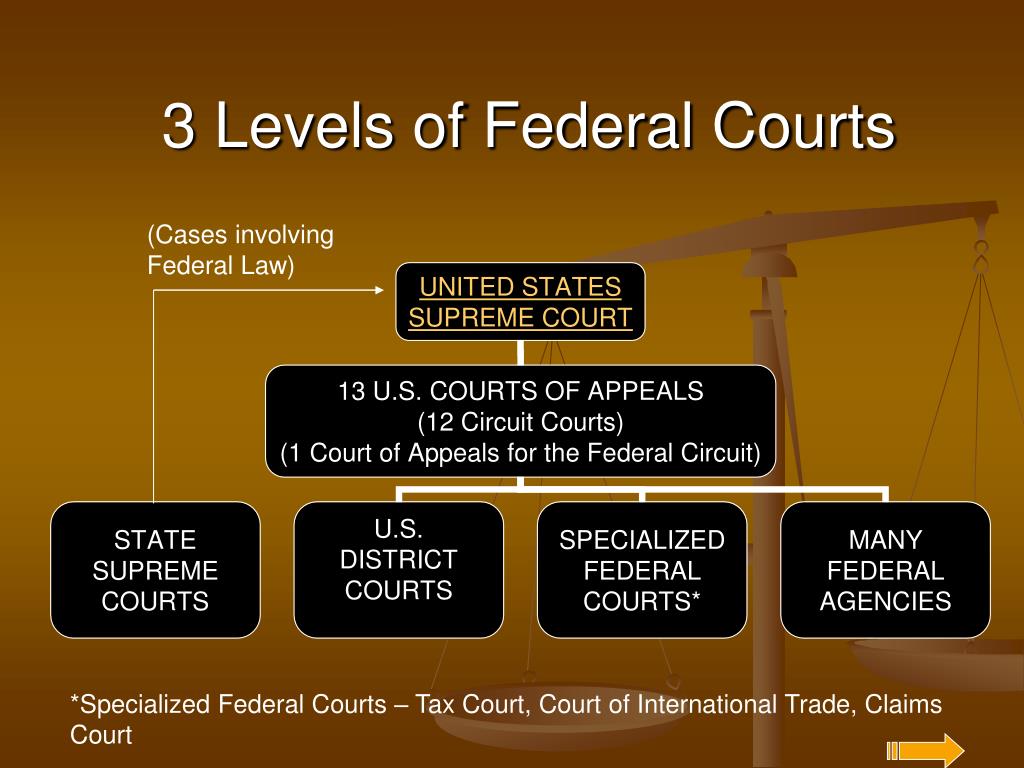
The federal court system is organized into three primary tiers: the U.S. District Courts (trial courts), the U.S. Courts of Appeals (intermediate appellate courts), and the U.S. Supreme Court (the court of last resort). Understanding the role of the "courts of appeals below the Supreme Court" requires recognizing their mandatory jurisdiction. Unlike the Supreme Court, which can choose which cases to hear via a writ of certiorari, the Courts of Appeals generally must hear any appeal from a final decision of a district court within their jurisdiction.
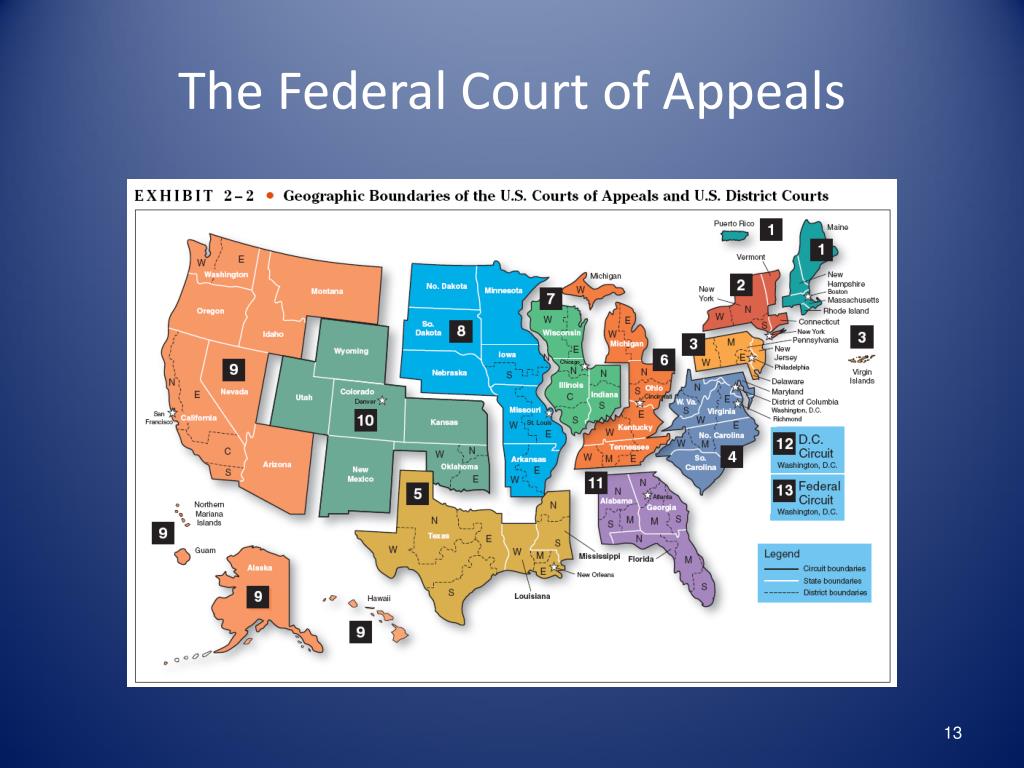
The 13 courts are divided into 11 numbered regional circuits, the District of Columbia Circuit, and the Federal Circuit. This decentralized structure ensures that federal law is interpreted and applied across the diverse geographic regions of the United States, although it occasionally leads to "circuit splits"—disagreements between different circuits on the same point of law.
The Eleven Regional Circuits
The regional circuits are numbered First through Eleventh and cover specific groups of states and territories. For example, the Ninth Circuit is the largest, spanning most of the Western United States, including California, Washington, and Arizona. The Fifth Circuit, based in New Orleans, covers Texas, Louisiana, and Mississippi. Each circuit develops its own body of "circuit law," which is binding on all district courts within that geographic area but only persuasive to courts outside of it.
The District of Columbia Circuit
The D.C. Circuit is often considered the "second most important court in the land." Because it is located in the nation’s capital, it has a specialized docket that focuses heavily on federal administrative law and the actions of government agencies. Many major regulatory disputes involving the Environmental Protection Agency (EPA), the Federal Communications Commission (FCC), and the Department of Labor are adjudicated here, making its influence on national policy immense.
The United States Court of Appeals for the Federal Circuit
Unlike its counterparts, the Federal Circuit is not defined by geography. Instead, it has nationwide jurisdiction over specific subject matters. Created by the Federal Courts Improvement Act of 1982, this court hears appeals related to patent law, international trade, government contracts, and claims against the federal government. By centralizing these topics, the legal system ensures a high degree of uniformity in areas where technical expertise and national consistency are vital.
The Appellate Process: How Cases Move Upward
The journey to a Court of Appeals begins after a final judgment is rendered in a U.S. District Court. Under the "final judgment rule," parties generally cannot appeal individual rulings made during a trial; they must wait until the entire case is resolved. However, there are limited exceptions for "interlocutory appeals" involving critical legal questions that could end the litigation early.
Notice of Appeal and Briefing
To initiate the process, the appellant must file a Notice of Appeal within a strict timeframe—usually 30 days from the entry of judgment (60 days if the U.S. government is a party). Once the appeal is docketed, the parties submit written briefs. These are not mere summaries; they are deep legal analyses that identify specific errors made by the trial judge. The appellee (the party who won in the lower court) files a responsive brief arguing why the original decision was correct.
The Role of the Record
The Courts of Appeals are strictly "record-bound." This means judges only consider the evidence that was presented to the District Court. No new witnesses are called, and no new documents can be introduced. The appellate judges review the "trial transcript," exhibits, and legal motions to determine if the lower court committed a reversible error.
Standards of Review
One of the most technical aspects of the appellate process is the "standard of review," which determines how much deference the appellate court gives to the trial judge:
- De Novo Review: Used for questions of law. The appellate court looks at the issue with "fresh eyes," giving no deference to the lower court's interpretation.
- Clear Error: Used for findings of fact. The appellate court will only overturn a factual finding if it is left with a "definite and firm conviction that a mistake has been committed."
- Abuse of Discretion: Used for procedural rulings, such as whether a judge should have allowed a specific piece of evidence. This is the hardest standard for an appellant to overcome.
How Decisions Are Made: Panels and En Banc Review
Cases in the Courts of Appeals are typically heard by a panel of three judges, selected at random from the active judges of the circuit (and sometimes including "senior" judges or visiting judges from other circuits).
Oral Argument
While many cases are decided solely on the written briefs, the court may schedule oral arguments. In these sessions, attorneys have a limited window—often 15 to 20 minutes—to present their core arguments and answer rapid-fire questions from the three-judge panel. In 2026, many of these arguments continue to be livestreamed or provided as high-quality audio recordings to maintain public transparency.
Reaching a Decision
After the argument, the judges deliberate in private. One judge is assigned to write the "opinion of the court." If a judge disagrees with the result, they may write a "dissenting opinion." If they agree with the result but for different legal reasons, they may write a "concurring opinion." These published opinions become binding precedent for the circuit.
En Banc Hearings
In rare instances, a party may petition for an "en banc" hearing. This occurs when a majority of the active judges in the circuit agree to hear a case together, rather than as a three-judge panel. En banc reviews are typically reserved for cases of exceptional public importance or to resolve internal conflicts within the circuit's own prior rulings. In the Ninth Circuit, which has nearly 30 active judges, a "limited en banc" consisting of 11 judges is used instead of the full court.
Comparing the Courts of Appeals and the Supreme Court
It is a common misconception that the Supreme Court is the primary venue for legal correction. In reality, the Courts of Appeals are where the vast majority of federal legal disputes find their final resolution.
| Feature | U.S. Courts of Appeals | U.S. Supreme Court |
|---|---|---|
| Number of Courts | 13 | 1 |
| Number of Judges/Justices | ~179 Active Judgeships | 9 Justices |
| Jurisdiction | Mandatory (must hear appeals) | Discretionary (chooses cases) |
| Type of Review | Error correction and law clarification | National uniformity and constitutional issues |
| Precedential Reach | Binding only within the Circuit | Binding nationwide |
| Caseload (approx. annual) | 40,000 - 50,000 filings | 70 - 80 signed opinions |
The Impact of Circuit Splits on National Law
Because each Court of Appeals operates independently, they often reach different conclusions on identical legal issues. These "circuit splits" are a primary driver of the Supreme Court's docket. When the Fourth Circuit rules one way on a federal statute and the Fifth Circuit rules the opposite, a "geographic patch-work" of law is created. Businesses and citizens in different states may find themselves subject to different federal rules. The Supreme Court often steps in to resolve these splits to ensure the U.S. Constitution and federal laws are applied uniformly across all 50 states.
Judicial Appointments and Lifespan of Service
Judges on the Courts of Appeals are Article III judges, meaning they are appointed by the President and confirmed by the Senate for life terms. This lifetime tenure is intended to insulate the judiciary from political pressure, allowing judges to make decisions based solely on the law. As of 2026, the process of filling vacancies in the appellate courts remains a significant point of focus for the federal government, as these judges often serve for decades and shape the legal landscape long after the presidents who appointed them have left office.
Senior Status
To manage heavy caseloads, judges can take "senior status" once they meet specific age and service requirements (the "Rule of 80"). Senior judges continue to hear cases and provide valuable experience to the court while creating an official vacancy that allows the President to appoint a new full-time active judge. This system is vital for maintaining the operational capacity of the appellate system.
Frequently Asked Questions
Can I present new evidence to a Court of Appeals?
No. The Court of Appeals is limited to the record created in the trial court. If you discovered new evidence after the trial ended, you must usually file a motion for a new trial in the District Court rather than attempting to introduce it during an appeal.
Is the decision of a Court of Appeals always final?
It is final unless the Supreme Court agrees to hear the case via a writ of certiorari or if the Court of Appeals agrees to an en banc rehearing. Statistically, the Supreme Court hears fewer than 1% of the cases appealed to it, making the appellate court's decision the final word for over 99% of litigants.
How long does a federal appeal usually take?
As of 2026, the median time from the filing of a notice of appeal to a final disposition is approximately 10 to 15 months. This varies significantly by circuit; some circuits with high caseloads or judicial vacancies may take longer.
Who can represent a party in the Court of Appeals?
While individuals can technically represent themselves (pro se), appellate litigation is highly technical and governed by the Federal Rules of Appellate Procedure. Most parties hire specialized appellate attorneys who are admitted to the bar of that specific circuit.
What is a "summary affirmance"?
In some cases where the legal issues are straightforward and the lower court's decision is clearly correct, the Court of Appeals may issue a summary affirmance. This is a brief order upholding the decision without a full written opinion or oral argument.
Practical Recommendation for Researchers and Litigants
For those looking to understand how a specific law is applied in their region, it is essential to consult the Local Rules of the specific circuit in question. While all 13 courts follow the Federal Rules of Appellate Procedure, each circuit has its own supplemental rules regarding brief length, electronic filing requirements, and oral argument procedures. Legal researchers should prioritize "published" opinions, as "unpublished" or "non-precedential" opinions are generally not binding on future panels, though they may still be cited for their persuasive value under certain conditions.
Image Gallery