Understanding Universal Coaster Death: Safety, Myths, and Reality
A universal coaster death refers to a fatality occurring on a roller coaster within a Universal Destinations & Experiences theme park, such as Universal Orlando Resort or Universal Studios Hollywood. While high-profile incidents are ex...
A universal coaster death refers to a fatality occurring on a roller coaster within a Universal Destinations & Experiences theme park, such as Universal Orlando Resort or Universal Studios Hollywood. While high-profile incidents are extremely rare, these events typically involve undiagnosed medical conditions, rider non-compliance with safety rules, or, in very rare historical cases, mechanical failure.
Contents
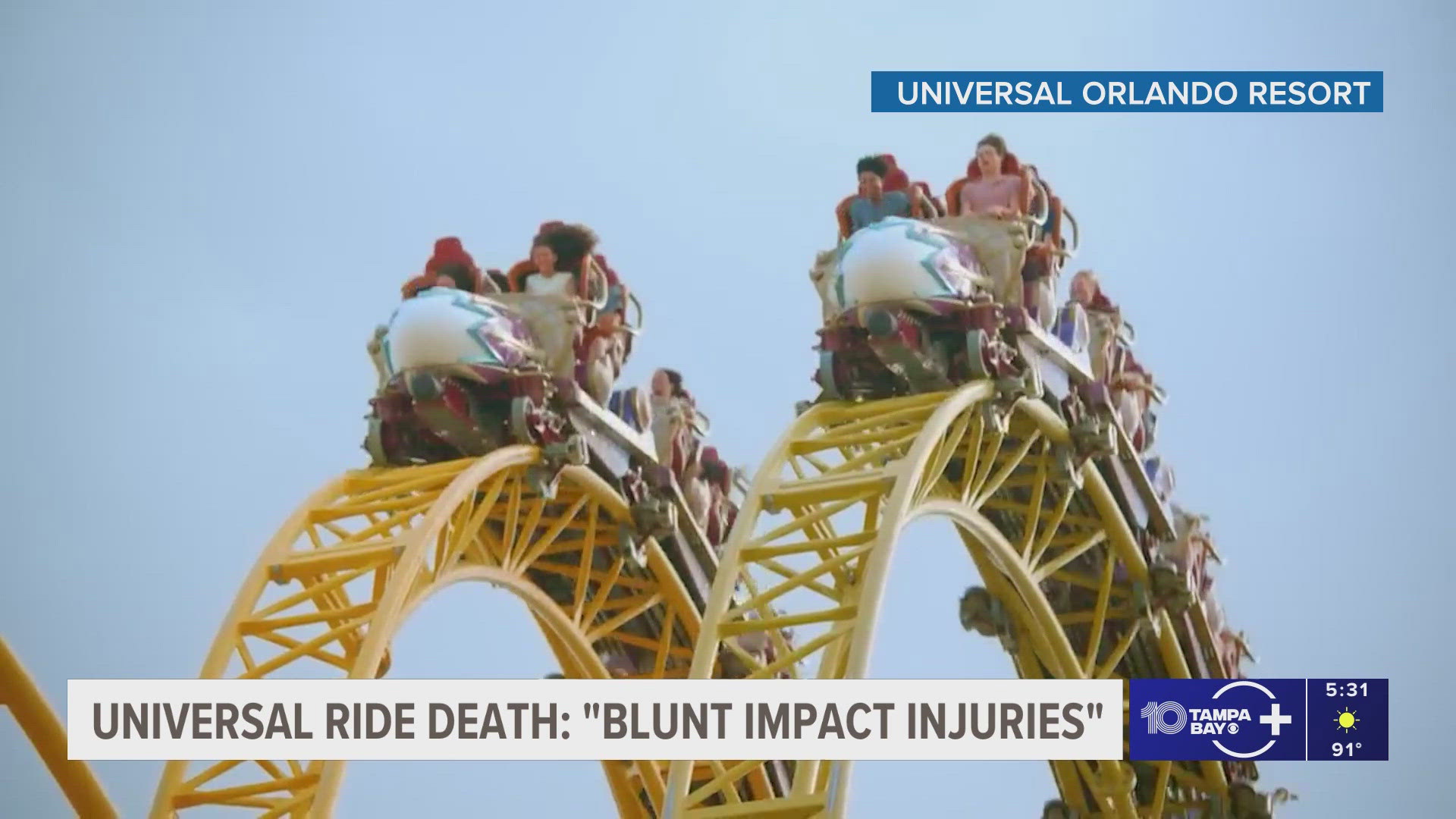
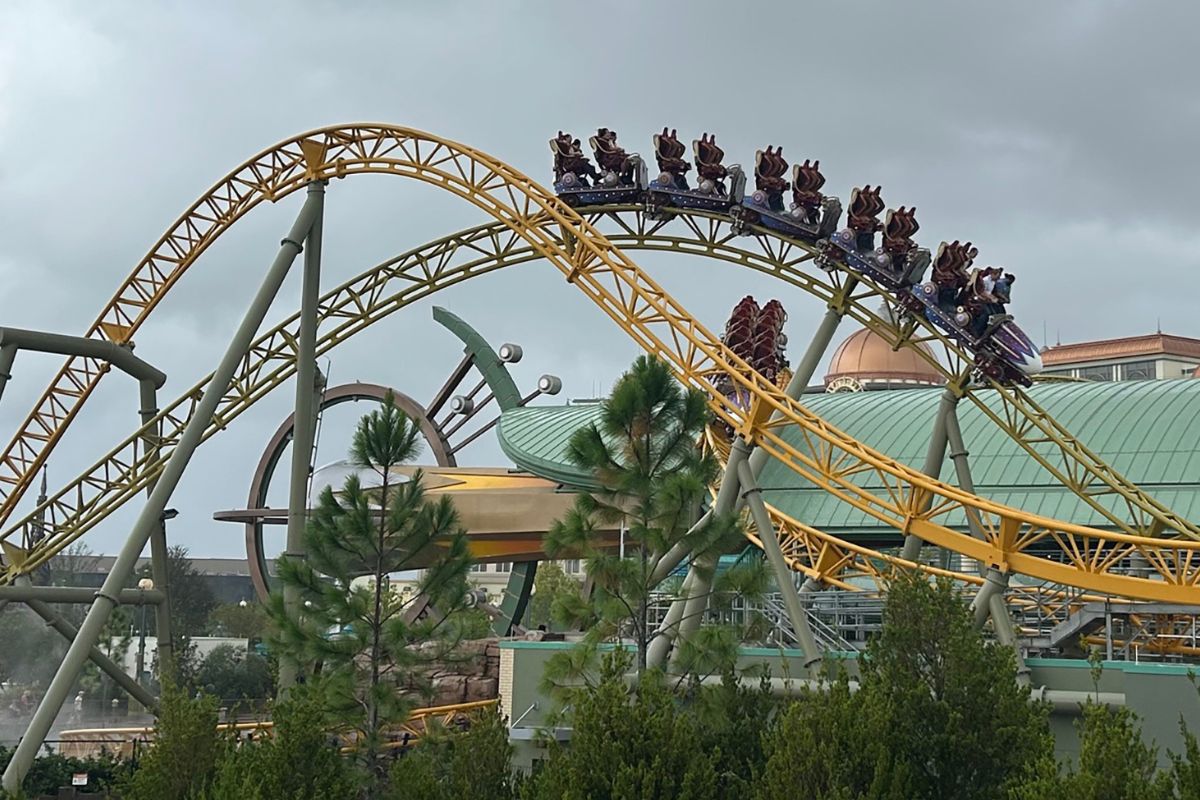
The term often surfaces in public discourse due to the high-velocity nature of Universal’s modern attractions, such as the Jurassic World VelociCoaster or Stardust Racers. However, from a technical and statistical perspective, traveling by car to the theme park remains significantly more dangerous than riding the attractions themselves. In 2026, the theme park industry continues to maintain one of the highest safety-to-passenger ratios of any transportation or entertainment sector.
The Engineering of Safety: Preventing Fatalities at Universal Parks
To understand why a "universal coaster death" is such a statistical anomaly, one must examine the multi-layered safety systems integrated into modern attractions. Universal’s engineering standards are governed by ASTM International F24 Committee standards, which dictate the design, maintenance, and operation of amusement rides and devices.
Block Zone Systems
The primary defense against "heavy-load" accidents (collisions) is the block zone system. A roller coaster track is divided into several "blocks." Only one train is permitted in a single block at any given time. If a train fails to clear a block, the computer system (PLC - Programmable Logic Controller) automatically engages brakes in the preceding block to stop the following train. This "fail-safe" logic ensures that mechanical or human error cannot result in a mid-course collision.
Redundant Restraint Mechanisms
Modern coasters at Universal, such as Hagrid’s Magical Creatures Motorbike Adventure, utilize redundant locking mechanisms. Whether using a hydraulic lap bar or an over-the-shoulder restraint, these systems are monitored by sensors that communicate with the ride’s dispatch console. If a restraint is not locked within a specific millimetric tolerance, the ride cannot be dispatched. In 2026, many of these systems have been upgraded with biometric-assisted confirmation to ensure guests of varying body types are securely fastened.
Documented Incidents and Historical Context
While Universal has an exemplary safety record, there have been documented fatalities and serious injuries over the decades. Analyzing these is crucial for distinguishing between "ride-caused" deaths and "health-related" incidents.
Medical Pre-conditions
The vast majority of fatalities recorded at Universal Parks are not caused by the ride's mechanical failure but by the physical stress the ride places on a guest with an underlying condition. High-G maneuvers can exacerbate undiagnosed heart defects or aneurysms. For example, over the history of Universal Orlando, several guests have passed away shortly after riding attractions like Revenge of the Mummy or The Incredible Hulk Coaster due to cardiovascular events. These are often categorized as "natural causes" occurring in a theme park environment rather than a "coaster death" caused by the machine.
Rider Non-Compliance and Human Error
Historical data shows that a significant portion of theme park injuries result from guests attempting to circumvent safety protocols. This includes standing up in moving vehicles, attempting to loosen restraints, or bringing prohibited items onto the ride. A notable incident in 2011 on Dragon Challenge (now closed) involved a guest being struck by an object, leading to a permanent injury. This specific event revolutionized Universal’s safety policies, leading to the implementation of mandatory metal detectors on high-intensity coasters—a policy that remains a cornerstone of their operations in 2026.
Disambiguating the "Euthanasia Coaster" Myth
Frequently, the search term "universal coaster death" is confused with the Euthanasia Coaster, a conceptual art project designed by Julijonas Urbonas. It is important to clarify that this is not an attraction at any Universal park, nor does it exist in reality.
The Euthanasia Coaster was designed to kill its passengers through prolonged, extreme G-forces (10G for 60 seconds), which would cause cerebral hypoxia (loss of oxygen to the brain). While the concept occasionally goes viral on social media, leading people to wonder if such a "death coaster" exists at major theme parks, it is purely a philosophical and aesthetic project. Commercial coasters, including those at Universal, are strictly limited in the G-forces they can apply to ensure guest safety and comfort, typically peaking around 4G to 5G for only fractions of a second.
Comparing Safety Features Across Major Universal Coasters
The following table outlines the safety configurations and intensity levels of flagship coasters currently operating at Universal Parks as of 2026.
| Attraction | Park Location | Primary Safety System | Peak G-Force | Restraint Type |
|---|---|---|---|---|
| Jurassic World VelociCoaster | Islands of Adventure | Magnetic Launch/Block Zone | 4.0 G | Lap Bar (Redundant) |
| Stardust Racers | Epic Universe | Dual-Track Conflict Logic | 3.8 G | Lap Bar (Electronic Locking) |
| The Incredible Hulk Coaster | Islands of Adventure | Tire-Propelled Launch | 4.0 G | Over-the-Shoulder |
| Hollywood Rip Ride Rockit | Universal Studios Florida | Vertical Lift Safety Brake | 4.1 G | X-Seat Lap Bar |
| Flight of the Hippogriff | Multiple Parks | Friction Braking | 2.5 G | Individual Lap Bar |
The Legal and Regulatory Framework of Ride Safety
When a serious incident or a fatality occurs, it triggers an immediate and massive regulatory response. In Florida, for example, major theme parks like Universal are required to report any injury that results in a hospital stay of 24 hours or more to the Florida Department of Agriculture and Consumer Services (FDACS).
The Role of Liability and Insurance
From a corporate perspective, a single "universal coaster death" caused by negligence would result in catastrophic financial and reputational damage. Consequently, Universal employs hundreds of third-party inspectors and internal maintenance teams who work through the night. Every inch of track is inspected daily, often using ultrasonic or X-ray testing to identify microscopic stress fractures in the steel before they can become a hazard.
Wrongful Death Claims
In the rare event of a fatality, legal proceedings typically focus on "Duty of Care." Universal provides extensive signage, audio warnings, and "test seats" at the entrance of rides. By providing these warnings, the park mitigates legal liability regarding known medical risks (such as pregnancy, heart conditions, or neck injuries). Most legal disputes regarding park deaths are settled out of court to protect the brand's image, often involving confidentiality agreements that prevent the specific details from becoming public.
The Evolution of Theme Park Safety in 2026
By 2026, Universal has integrated AI-driven monitoring systems across its parks. These systems use computer vision to detect if a guest has a loose item, such as a phone or camera, while on the lift hill. If an object is detected, the ride is automatically "e-stopped" (emergency stopped) to prevent the object from falling and striking another guest.
Furthermore, the introduction of Epic Universe in 2025 brought about new standards in "intelligent" ride vehicles. These vehicles can communicate their mechanical health in real-time to the maintenance hub, predicting when a wheel assembly or a motor might need replacement before any physical signs of wear are visible. This proactive approach has pushed the probability of a mechanical failure leading to a "universal coaster death" toward near-zero levels.
FAQ: Common Concerns Regarding Theme Park Fatalities
Has anyone ever died on the VelociCoaster?
As of 2026, there have been no documented fatalities caused by the ride's operation or mechanical failure on the Jurassic World VelociCoaster. It is considered one of the safest high-intensity coasters in the world due to its advanced magnetic braking system and redundant lap bar restraints.
What is the most common cause of death at Universal?
The most common cause of death at Universal theme parks is underlying medical conditions. These typically include cardiac arrest or strokes that occur during or after a ride because the physical stress of the attraction triggered a pre-existing health issue.
Are roller coasters safer than they used to be?
Yes. Modern coasters utilize PLC systems, magnetic brakes (which work even during power failures), and non-destructive testing for metal fatigue. Statistically, the "Golden Age of Safety" is the current era, where computerized monitoring has eliminated many of the human errors that led to accidents in the mid-20th century.
How does Universal handle a ride if a death occurs?
If a serious incident occurs, the ride is immediately closed and treated as a forensic site. It remains closed until the park's internal safety team and state regulators (like FDACS) can certify that the ride is mechanically sound. Often, a ride will remain closed for days or weeks during a comprehensive investigation.
Why do some people feel like they are "falling out" of the ride?
This sensation is known as "airtime" or "negative Gs." It is a deliberate design choice intended to provide a thrill. Engineering-wise, you are perfectly secure; the restraints are designed to hold multiple times the force generated by the ride, making it physically impossible to "fall out" if the restraint is properly locked.
Practical Advice for Concerned Riders
If you are concerned about the risks associated with high-intensity attractions, the following steps are recommended:
- Consult a Physician: If you have a history of high blood pressure, heart issues, or back/neck problems, avoid "high-thrill" attractions.
- Use the Test Seats: Before entering the queue, use the test seat located outside the attraction. This ensures your body type is compatible with the restraint system.
- Secure All Items: Use the provided lockers. In 2026, Universal's policy on loose items is stricter than ever; complying with this prevents injuries to yourself and others.
- Listen to Ride Operators: Pay attention to the boarding instructions and ensure your feet are flat on the floor and your head is back against the headrest when required.
While the phrase "universal coaster death" sounds ominous, the reality is a testament to modern engineering. The layers of technology, regulation, and maintenance ensure that these attractions remain a pinnacle of safe, controlled thrill-seeking.
Image Gallery