How to Discover Your Skin Undertone: The Definitive Guide for 2026
To discover your skin undertone, you must identify the subtle hue beneath your skin’s surface by observing your veins, testing your reaction to specific jewelry metals, and analyzing how your complexion responds to neutral colors like...
To discover your skin undertone, you must identify the subtle hue beneath your skin’s surface by observing your veins, testing your reaction to specific jewelry metals, and analyzing how your complexion responds to neutral colors like white or cream. Unlike your surface tone, your undertone remains constant regardless of sun exposure.
Contents
Understanding your skin undertone is the foundational step in mastering personal aesthetics. Whether you are selecting a high-definition foundation, choosing a signature hair color, or revitalizing your wardrobe, your undertone dictates which pigments will harmonize with your natural coloring and which will appear jarring or "muddy." While surface skin tones—often categorized as fair, medium, tan, or deep—can change due to seasonal tanning, age, or skin conditions like rosacea, your undertone is a permanent biological trait determined by the concentration of melanin and other pigments in your dermis.
The Science of Skin Undertones
Before attempting to identify your specific category, it is essential to understand what creates an undertone. The human skin contains various pigments, primarily melanin (brown/black), carotene (yellow/orange), and hemoglobin (red in oxygenated blood). The way light scatters through the layers of your skin and reflects off these pigments determines your undertone.
As of 2026, dermatological and cosmetic science generally recognizes three primary categories, with a significant fourth sub-category that often causes confusion:
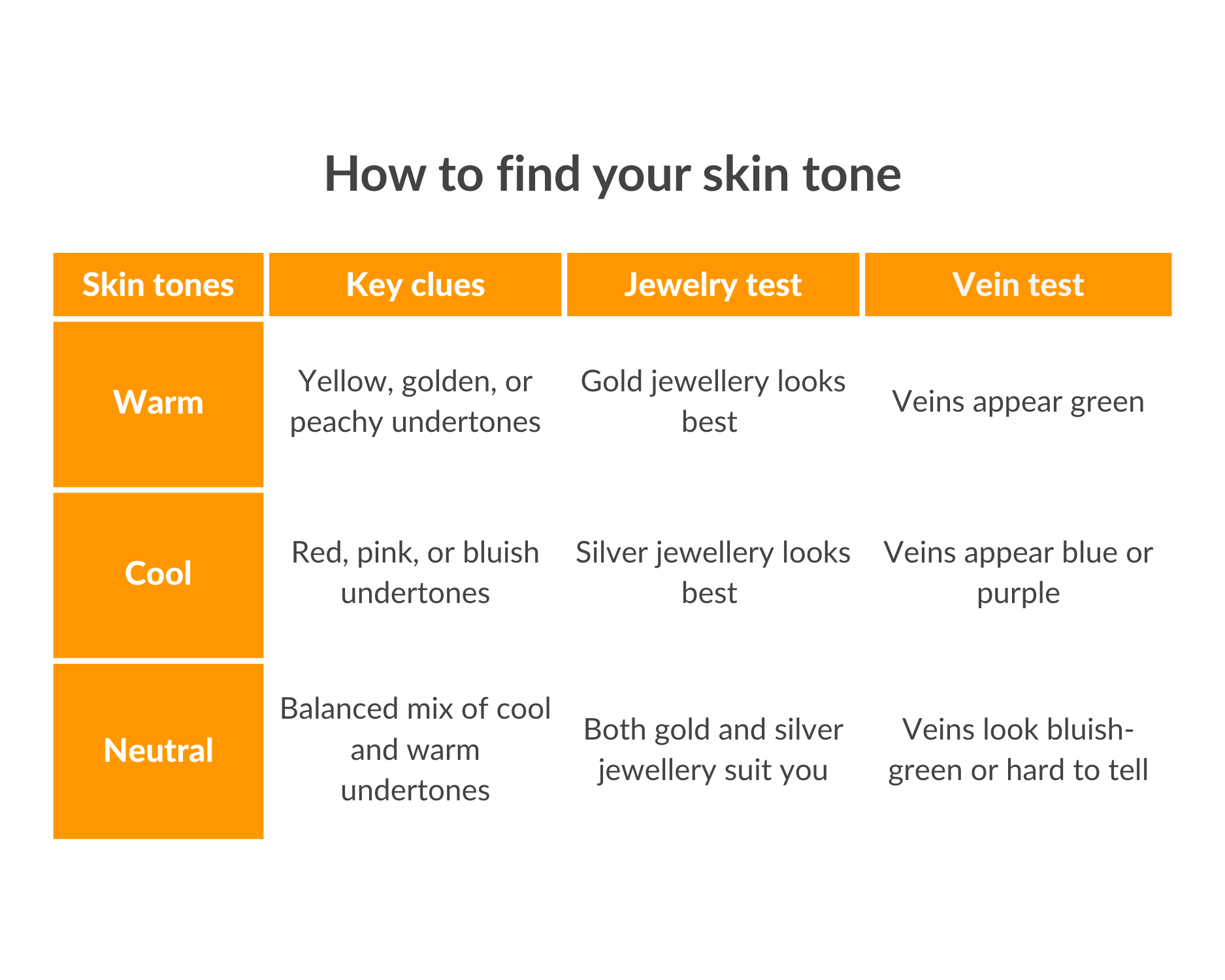
- Cool Undertones: These possess hints of pink, red, or bluish hues. People with cool undertones often find that their skin has a "rosy" quality.
- Warm Undertones: These are characterized by golden, yellow, or peachy hues. This is not limited to "tanned" skin; even the fairest skin can have a warm, golden base.
- Neutral Undertones: A balance of both cool and warm pigments. This means the skin doesn't lean strongly toward pink or gold, often appearing roughly the same color as the surface tone.
- Olive Undertones: Often mistaken for warm or neutral, olive skin has a distinct greenish or grayish cast. It can be further divided into "cool olive" or "warm olive," making it one of the most complex tones to match.
Proven Methods to Identify Your Undertone
To get the most accurate results, you should perform these tests in natural, indirect sunlight. Artificial lighting—especially fluorescent or warm incandescent bulbs—can cast yellow or blue tints that skew your perception.
1. The Vein Color Test
This is the most traditional method, though it requires a discerning eye. Examine the veins on the inside of your wrist, where the skin is thinnest and the vessels are most visible.
- Blue or Purple Veins: This typically indicates a cool undertone. The blue light is reflecting through a pink-toned dermis.
- Green or Olive Veins: This suggests a warm undertone. The veins are still blue, but because you are viewing them through a yellow-toned skin filter, they appear green (blue + yellow = green).
- Blue-Green or Indistinguishable: If you see a mix of colors or cannot quite decide, you likely have a neutral undertone.
2. The White Paper Test
The white paper test creates a "color anchor" to help your eyes detect subtle shifts in your skin’s hue. Hold a piece of stark white paper up to your clean, makeup-free face in front of a mirror.
Observe how your skin looks in contrast to the pure white. If your skin looks pinkish or rosy, you are cool. If your face looks more yellow or sallow against the white, you are warm. If you look slightly gray or "ashen," you may have an olive or neutral tone. Note that if you have active acne or rosacea, focus on the skin of your neck or chest rather than your face to avoid misidentifying surface redness as a cool undertone.
3. The Jewelry Comparison
Metal reflectivity interacts uniquely with skin chemistry. You will need a piece of bright silver jewelry and a piece of polished yellow gold jewelry.
- Silver/Platinum: If silver makes your skin look vibrant and "awake," while gold looks heavy or artificial, you have a cool undertone.
- Gold: If gold adds a healthy glow to your complexion and silver looks "harsh" or cold against your skin, you have a warm undertone.
- Both: If both metals look equally flattering, you are likely neutral.
4. The Sun Reaction Test
How your skin responds to UV exposure is a strong indicator of its underlying pigment structure. According to the Fitzpatrick Scale, a standard tool used by the American Academy of Dermatology, different skin types react predictably to the sun.
- Burn then Tan (or Burn only): Cool undertones typically have less melanin protection against UV rays, leading to easy burning and a pinkish recovery.
- Tan Easily: Warm undertones generally possess more melanin that activates quickly, resulting in a golden-brown tan with minimal burning.
- The Neutral Exception: Many neutrals will burn slightly but eventually tan to a rich shade.
5. The "Neutral Clothing" Draping Test
Find a stark white garment and an off-white or cream garment. Drape them individually near your face. Cool undertones usually look best in stark white, whereas cream or ivory can make them look washed out or "dirty." Warm undertones are flattered by cream and tan shades, while pure white can look overly clinical and harsh.
Comprehensive Undertone Comparison Table
| Undertone | Primary Hue | Vein Appearance | Metal Preference | Best Neutral Colors | Foundation Base |
|---|---|---|---|---|---|
| Cool | Pink, Red, Blue | Blue or Purple | Silver / Platinum | Stark White, Navy | Pink or Red |
| Warm | Yellow, Gold, Peach | Greenish | Yellow Gold | Cream, Tan, Olive | Yellow or Gold |
| Neutral | Balanced / No Hue | Blue-Green / Teal | Both Silver & Gold | Any Neutral | Peach or Neutral |
| Olive | Green, Gray | Green or Purple | Gold / Bronze | Charcoal, Terracotta | Green or Blue-based |
The Nuance of Olive Undertones
Olive skin is frequently misdiagnosed. Many people believe olive skin must be "tan," but very fair olive skin exists. The defining characteristic is the presence of green pigment. If you find that "warm" foundations look too orange and "cool" foundations look too pink, you likely have an olive undertone.
In 2026, many cosmetic brands have expanded their ranges to include "cool olive" (green with blue base) and "warm olive" (green with yellow base). To verify this, look at the hollow of your neck or the skin around your collarbone; if it has a subtle greenish or "muted" quality compared to others, you are in the olive category.
Practical Applications: Makeup and Fashion
Once you have discovered your skin undertone, you can apply this knowledge to eliminate trial-and-error in your styling.
Foundation and Concealer
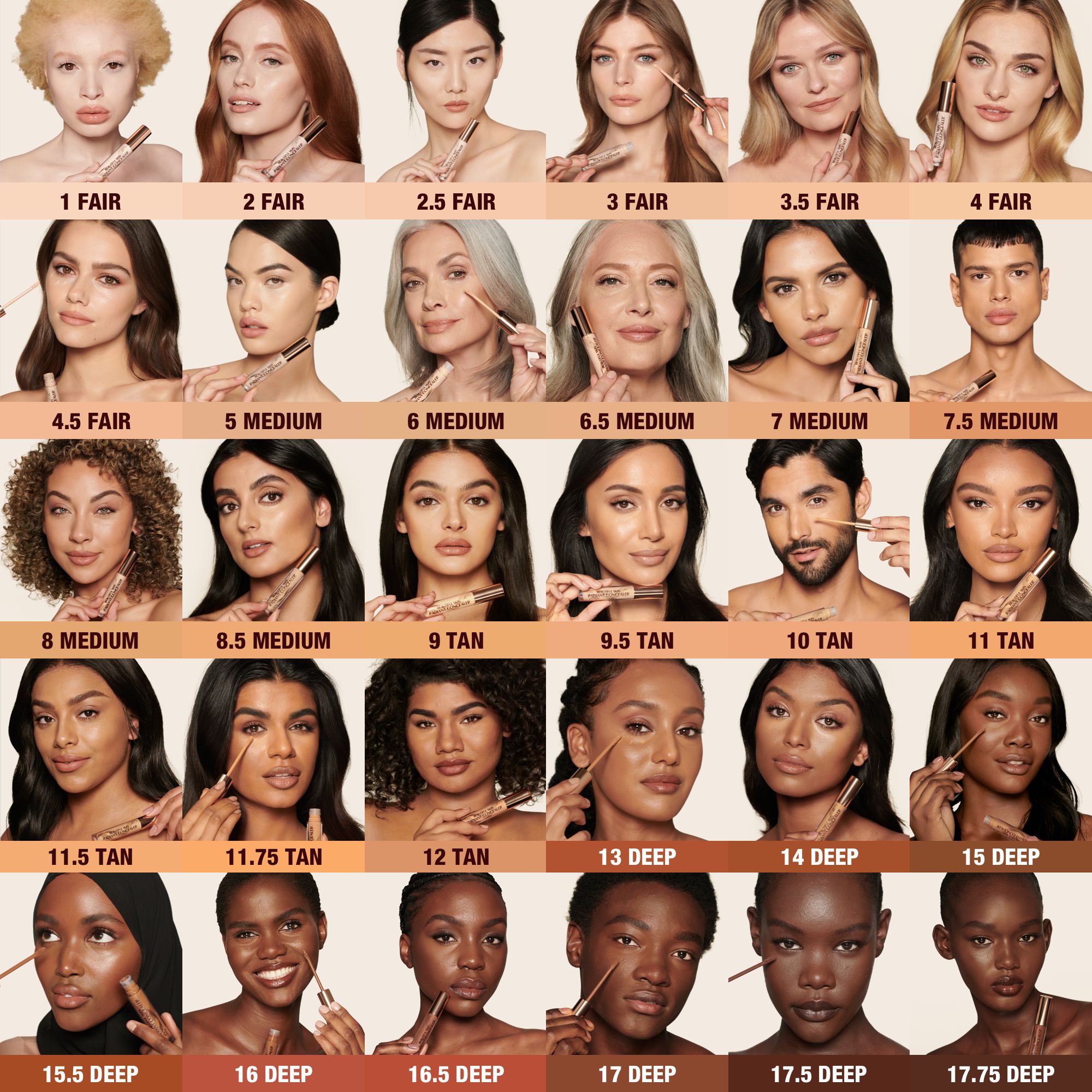
When shopping for base products, look for labeling cues. Brands like MAC, Estée Lauder, and Fenty Beauty often categorize their shades by undertone.
- Cool: Often labeled with "C" or "P" (Pink).
- Warm: Often labeled with "W" or "G" (Gold/Yellow).
- Neutral: Often labeled with "N."
Always swatch on your jawline, not your arm. The skin on your arm is rarely the same color as your face. Allow the product to sit for at least 10 minutes to check for oxidation, a process where the makeup reacts with skin oils and shifts color (often becoming warmer or darker).
Wardrobe and Color Theory
- Cool Tones: Look for "jewel tones" such as emerald green, royal blue, amethyst, and ruby red. Avoid oranges and tomato reds.
- Warm Tones: Look for "earth tones" like mustard yellow, olive green, burnt orange, and chocolate brown. Avoid icy blues and stark magentas.
- Neutral Tones: You have the most flexibility. Mid-range colors like dusty rose, jade green, and lagoon blue are particularly flattering.
Frequently Asked Questions
Can my skin undertone change as I age?
No. Your surface skin tone may change due to sun damage (hyperpigmentation), thinning of the skin, or reduced circulation, but the genetic blueprint of your undertone remains the same throughout your life.
What if I have a "warm" face but a "cool" body?
This is common and often due to surface redness (rosacea) or sun exposure on the face. In professional makeup artistry, the standard is to match the foundation to the neck or chest to create a seamless, unified look across the entire body.
Can a person with dark skin have a cool undertone?
Absolutely. Darker complexions are often pigeonholed as "warm," but many individuals with deep skin tones have beautiful cool, bluish, or violet undertones. Conversely, very fair individuals can have very strong golden or warm undertones.
How does "Season" relate to undertone?
Seasonal color analysis (Spring, Summer, Autumn, Winter) is a more complex system that builds upon undertones. Generally, Winters and Summers are cool-toned, while Springs and Autumns are warm-toned. Undertone is the first step toward finding your "season."
Why does my foundation look gray?
If your foundation looks gray or "ashy" on your skin, it usually means the foundation is too cool for you (you are warm or olive) or the shade is too light. If it looks orange, the foundation is likely too warm or too dark for your natural undertone.
Next Actions for Personalized Styling
To finalize your discovery, take these three steps:
- Clear Your Canvas: Remove all makeup and wait 15 minutes for any redness from washing to subside.
- Document in Natural Light: Take a high-resolution photo of your face and neck next to a white object in indirect sunlight.
- Test a "Bridge" Color: Try a "Universal" red lipstick (often a neutral-leaning red). If it looks orange on you, you are cool. If it looks pink or fuchsia, you are warm. If it looks like a true, balanced red, you have found your neutral baseline.
Image Gallery