Comprehensive Guide to 2012 Nissan Versa Problems, Common Failures, and Reliability
The 2012 Nissan Versa is often remembered for its budget-friendly price point and exceptional cabin space, but it also earned a notorious reputation for mechanical vulnerabilities—most notably involving its early-generation Xtronic Con...
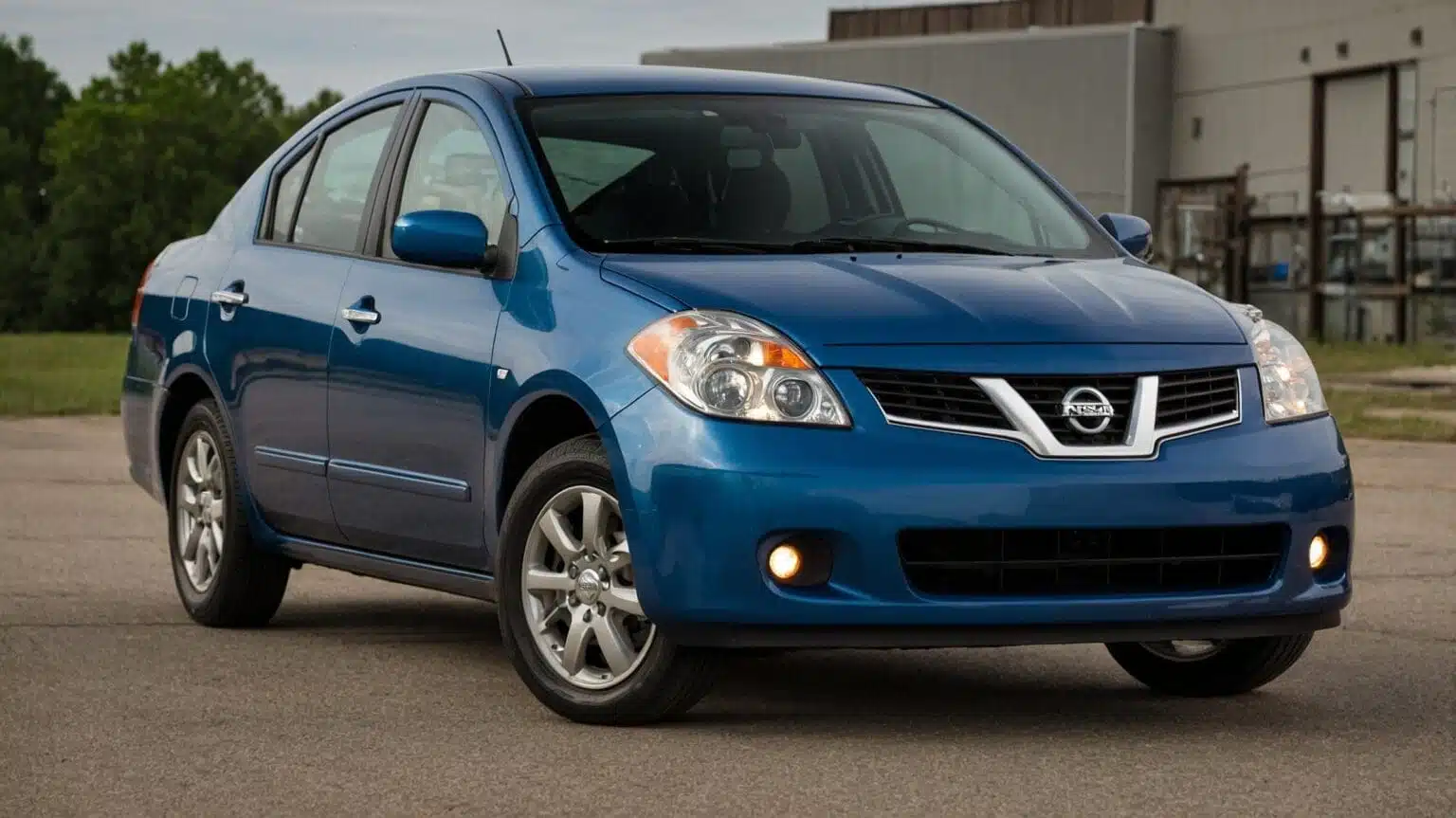
The 2012 Nissan Versa is often remembered for its budget-friendly price point and exceptional cabin space, but it also earned a notorious reputation for mechanical vulnerabilities—most notably involving its early-generation Xtronic Continuously Variable Transmission (CVT), suspension wear, and premature engine mount failures.
Contents
When evaluating a used 2012 Nissan Versa or troubleshooting persistent mechanical issues on an existing vehicle, understanding the root causes of these failures is essential for avoiding catastrophic repair bills. This generation marked a transition period for Nissan's economy lineup, and while the car offered high fuel efficiency and low initial acquisition costs, long-term durability suffered significantly due to engineering compromises in the drivetrain.
The Core Mechanical Vulnerability: The Xtronic CVT
By far the most severe and widely documented issue facing the 2012 Nissan Versa involves its automatic transmission. Unlike traditional geared automatics, the 2012 Versa sedan utilizes an Xtronic Continuously Variable Transmission (CVT) paired with a 1.6-liter 4-cylinder engine (note that the Versa Hatchback was split into a separate generation, the Versa Hatchback/Versa Note, depending on the market year, but the 2012 sedan introduced this specific powertrain combination).
Symptoms of CVT Failure
Drivers experiencing transmission degradation typically report a distinct set of symptoms that worsen over time. Recognizing these early warning signs can prevent total mechanical lockup on the highway:
- Whining or Humming Noises: A high-pitched, vacuum-like whine that increases in pitch as the vehicle accelerates is often the first indicator of internal bearing wear inside the CVT housing.
- Severe Shuddering and Jerking: Hesitation, juddering, or violent shaking when accelerating from a dead stop or low speeds.
- “Limp Mode” and Overheating: Entering a protective fail-safe mode where the vehicle refuses to accelerate past a low speed, frequently triggered by overheating transmission fluid.
- Delayed Engagement: A noticeable lag or clunk when shifting the gear selector from Park into Reverse or Drive.
The Root Cause and Manufacturer Response
The primary failure mechanism in these early Nissan CVTs is overheating and inadequate fluid pressure regulation, which causes premature wear on the steel pushbelt and the conical pulleys. Metal shavings accumulate in the transmission fluid, clogging the valve body and accelerating internal component destruction.
Due to widespread consumer complaints and class-action litigation, Nissan extended the powertrain warranty for many vehicles of this era to 10 years or 120,000 miles. However, because a 2012 model well exceeds that chronological window, current owners or prospective buyers absorb the full financial risk of a transmission replacement, which often ranges from $3,500 to $5,500 including labor.
Engine, Mount, and Vibration Issues
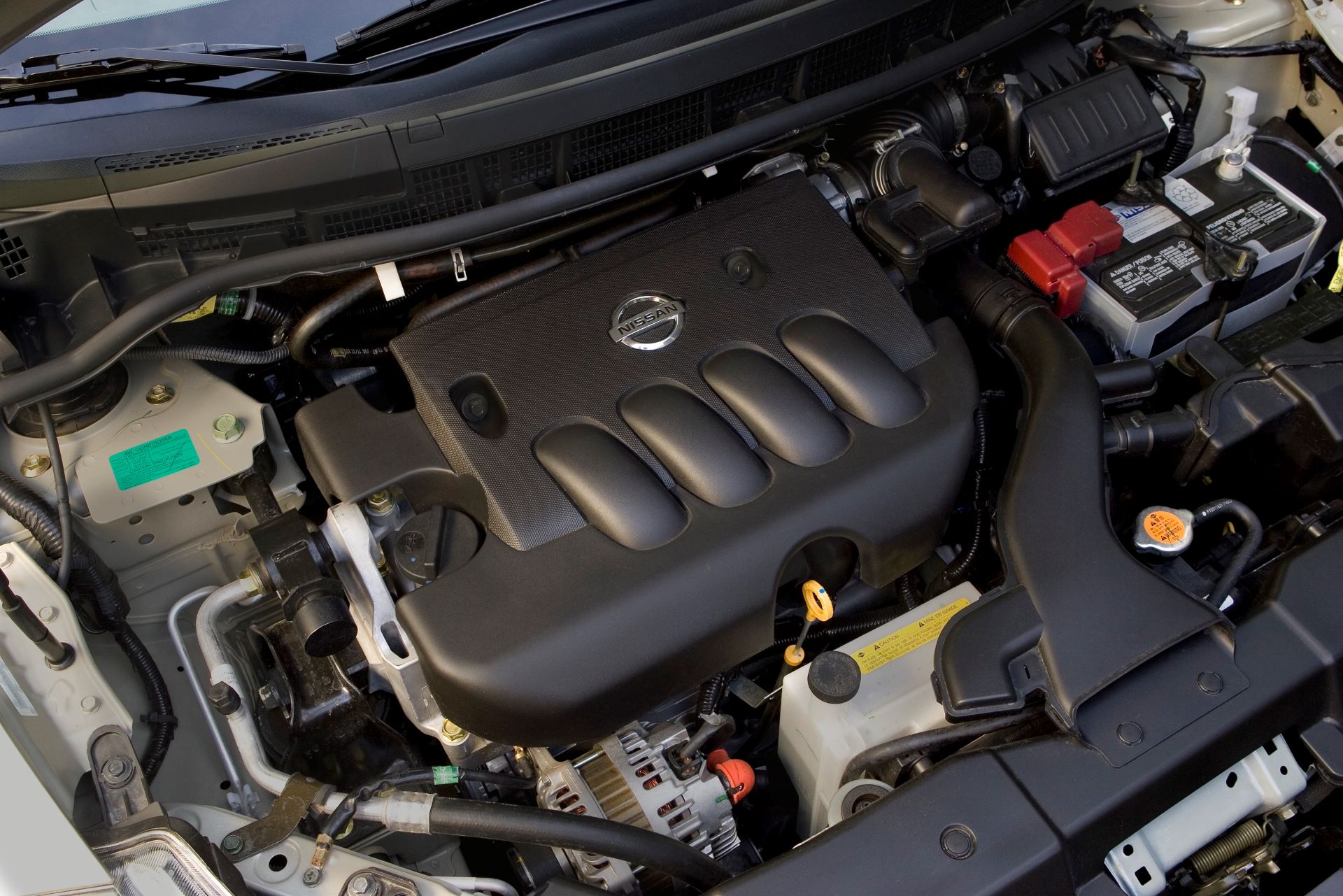
While the HR16DE 1.6-liter engine block itself is mechanically robust and capable of high mileage with proper oil changes, the peripheral components and mounting systems frequently fail, leading to heavy cabin vibrations.
Premature Engine Mount Wear
The 2012 Nissan Versa utilizes a three-point engine and transmission mounting system designed to isolate engine vibrations from the unibody chassis. Unfortunately, the rubber compounds used in these OEM mounts tend to degrade, crack, and tear prematurely—often failing before 80,000 miles.
When a mount fails, the engine sags, transferring engine torque directly to the frame. Drivers typically notice a heavy vibration in the steering wheel and floorboards while the car is idling in "Drive" at a stoplight, which temporarily smooths out once the vehicle begins moving. Replacing all three mounts simultaneously is standard practice to restore smooth idle quality.
Suspension and Steering Complications
The suspension system on the 2012 Versa was engineered to maximize interior passenger room and maintain a low production cost, resulting in lighter-duty components that wear out faster than average when subjected to rough road conditions.
Suspension Component Failure Points
- Control Arm Bushings and Ball Joints: The lower control arm bushings are prone to tearing, which causes loose steering response, wandering alignment, and a persistent clunking or popping noise when going over speed bumps or turning into driveways.
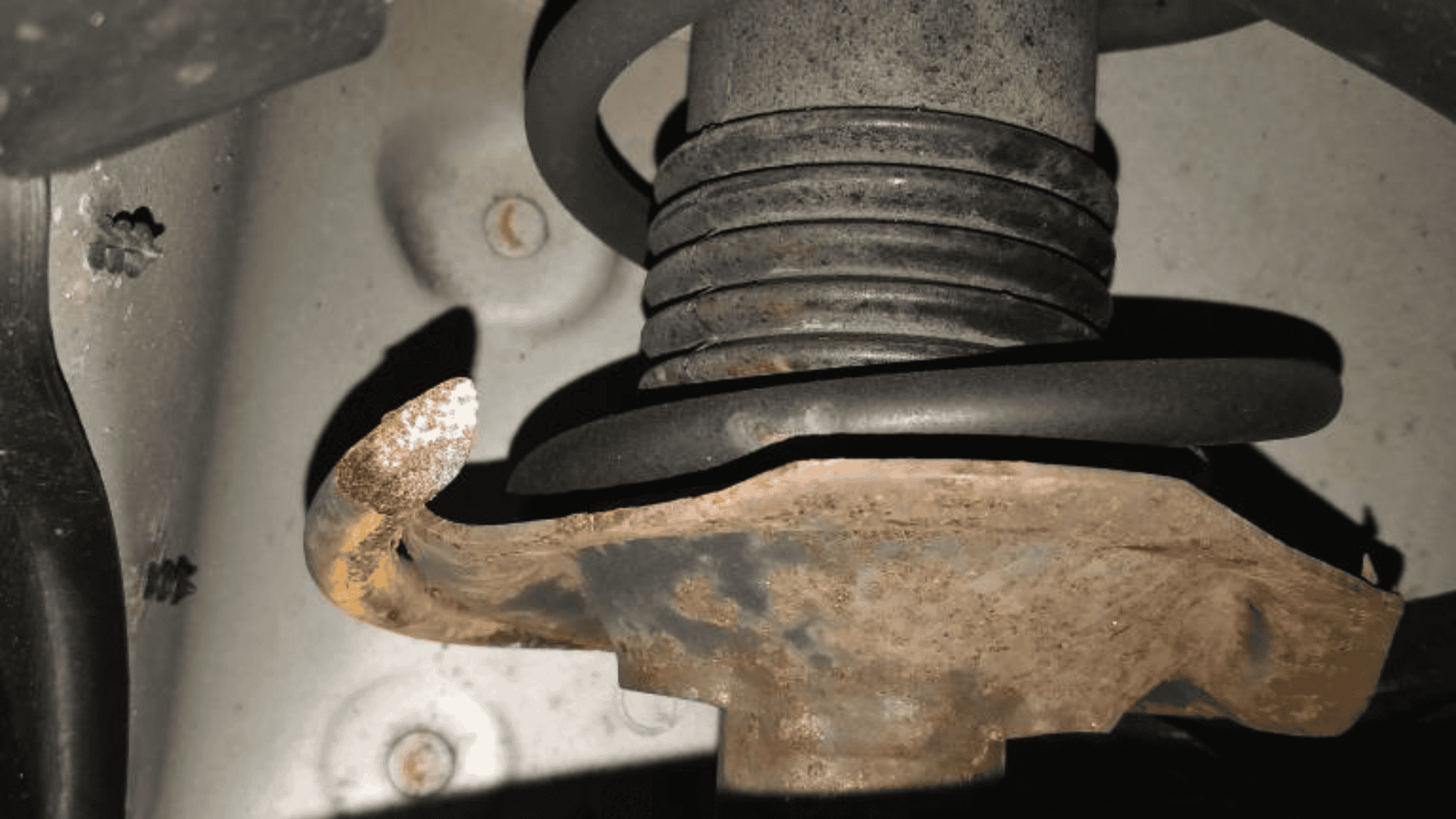
- Strut Mounts and Shocks: Strut assemblies frequently leak or lose damping capability by 100,000 miles, resulting in a floating ride, excessive nose-dive during braking, and uneven tire cupping.
- Electric Power Steering (EPS) Grinds: Some owners report clicking, sticking, or a heavy notch-like feel in the steering column, often traced to wear within the electric power steering motor or intermediate shaft universal joints.
Summary of Common 2012 Nissan Versa Problems
| Component System | Common Symptom | Primary Cause | Estimated Repair Cost | Severity Level |
|---|---|---|---|---|
| Transmission (CVT) | Whining noise, slipping, shuddering, limp mode | Pulley wear, belt slip, fluid breakdown | $3,500 – $5,500 | High |
| Engine Mounts | Excessive cabin and steering wheel vibration at idle | Degraded and torn rubber dampening inserts | $300 – $700 | Moderate |
| Suspension | Clunking noises over bumps, wandering steering | Worn control arm bushings and failing ball joints | $400 – $900 | Moderate |
| Electrical / AC | Blower motor failure, intermittent power door lock issues | Resistor burnout, weak door actuator motors | $150 – $400 | Low |
| Brakes | Premature front brake pad wear, rotor warping | Undersized factory brake components for vehicle load | $250 – $500 | Low |
Electrical, Interior, and Accessory Glitches
Beyond the heavy mechanical concerns, the 2012 Versa is prone to minor electrical and accessory failures that can cause frustration over time.
Heating and Air Conditioning Blower Motor Resistor
A frequent comfort complaint involves the HVAC blower fan working only on high speed (setting 4) or failing entirely. This is caused by thermal overload melting the blower motor resistor and its electrical harness connector. Repairing this issue requires replacing both the resistor block and inspecting the wiring harness for heat damage.
Door Lock Actuators
Power door lock actuators in the driver and passenger doors frequently burn out, requiring manual locking via key or interior toggles. The internal electric motors lose their magnetic strength, failing to move the locking linkage mechanism.
Maintenance Strategies for Current Owners
If you currently own a 2012 Nissan Versa and want to maximize its operational lifespan, adhering to strict preventive maintenance protocols is mandatory, particularly regarding the drivetrain.
- Frequent CVT Fluid Changes: If your transmission has not yet failed, replace the CVT fluid every 30,000 miles using strictly Nissan NS-2 CVT Fluid (or an officially certified equivalent). Old, degraded fluid accelerates metal-on-metal wear.
- Inspect Mounts During Oil Changes: Have a mechanic visually inspect the hydraulic and rubber engine mounts during every routine oil change to catch tearing before total structural separation occurs.
- Monitor Cooling Efficiency: Ensure the front radiator and transmission cooler lines remain free of debris, as excessive heat is the primary catalyst for CVT failure.
Frequently Asked Questions
Is the 2012 Nissan Versa a reliable car?
Overall, the 2012 Nissan Versa has below-average reliability compared to competitors like the Toyota Corolla or Honda Fit from the same model year. While the engine is durable, the high failure rate of the Xtronic CVT pulls down its long-term dependability rating significantly.
How long does a 2012 Nissan Versa CVT transmission last?
Many original equipment CVTs in this generation begin showing signs of failure between 100,000 and 130,000 miles. However, vehicles driven primarily in heavy stop-and-go traffic without regular fluid changes may experience failure much earlier, sometimes under 80,000 miles.
Are there any official recalls on the 2012 Nissan Versa?
Yes. Over its lifespan, the 2012 Versa has been subject to various safety and compliance recalls. Owners should check the National Highway Traffic Safety Administration (NHTSA) database using their specific 17-digit Vehicle Identification Number (VIN) to verify that all open recalls have been completed by a certified dealer.
What are the signs of a failing CVT in a Nissan Versa?
The most reliable indicators are a distinct mechanical whine or buzz during acceleration, sudden hesitation when pressing the gas pedal, severe juddering or shaking at low speeds, and the vehicle entering a reduced-power "limp mode" due to excessive transmission operating temperatures.
Can a manual transmission 2012 Nissan Versa avoid these issues?
Yes. The 2012 Nissan Versa was available with a 5-speed manual transmission in its base trim level (the Versa 1.6 S). Models equipped with the manual gearbox completely bypass the costly CVT failure risks, making them significantly more reliable over high mileage, provided the clutch is maintained.
Final Recommendation
The 2012 Nissan Versa remains an attractive option strictly for buyers seeking ultra-low-cost, fuel-efficient transportation—provided they verify the transmission has been meticulously maintained or replaced. Prospective buyers should thoroughly test-drive the vehicle on both surface streets and highways, listening closely for transmission whine and checking for idle vibrations. If purchasing a model equipped with the automatic CVT, always budget for potential transmission repairs or prioritize manual transmission variants to eliminate the primary mechanical liability of this model year.
Image Gallery