Understanding the Role of a SQL Database Programmer
A SQL database programmer is a specialized software professional responsible for designing, implementing, and maintaining the logical structures of relational databases. They write complex queries, stored procedures, and triggers to ma...
A SQL database programmer is a specialized software professional responsible for designing, implementing, and maintaining the logical structures of relational databases. They write complex queries, stored procedures, and triggers to manage data flow and integrity, ensuring that applications can efficiently interact with massive datasets while maintaining high security and performance standards.
Contents
The landscape of data management has shifted significantly leading into 2026, yet the foundational necessity of Structured Query Language (SQL) remains the bedrock of enterprise data architecture. As organizations grapple with increasingly complex data ecosystems, the role of the SQL database programmer has evolved from a simple query writer to a critical architect of data logic. This position sits at the intersection of software engineering and data science, requiring a unique blend of algorithmic thinking and structural design.
Defining the Core Scope of SQL Database Programming
To understand this role, one must first distinguish it from adjacent positions like Database Administrators (DBA) or Backend Developers. While a Backend Developer might write SQL to fetch data for a web page, and a DBA focuses on the physical health of the server, the SQL database programmer is the primary author of the database’s internal logic.
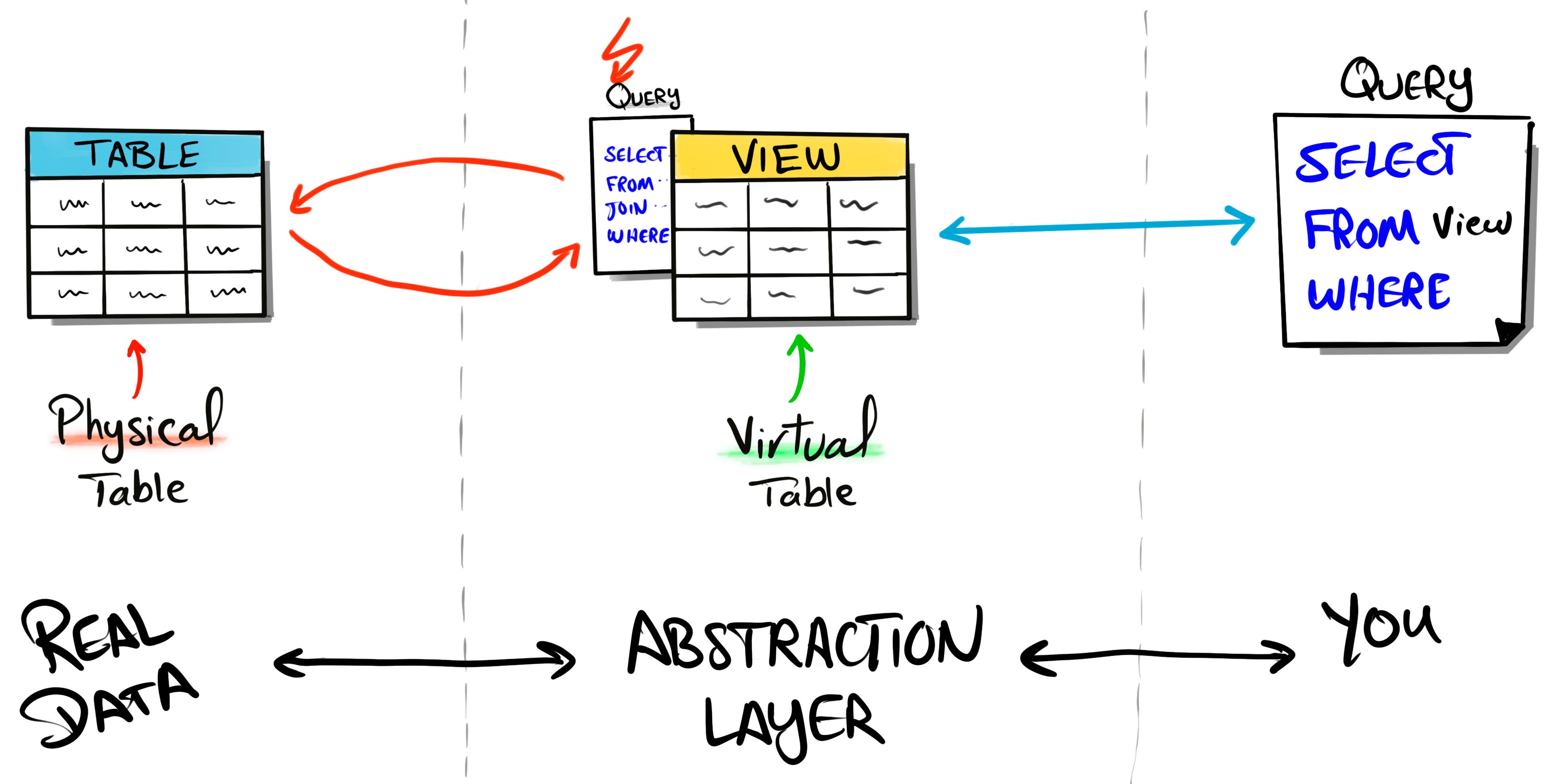
In 2026, this role involves more than just "knowing SQL." It requires a deep understanding of Relational Database Management Systems (RDBMS) such as PostgreSQL, Microsoft SQL Server, Oracle, and MySQL. The programmer is responsible for the "Programmable Objects" within these systems. This includes creating sophisticated routines that live inside the database engine, allowing for faster processing by reducing the amount of data that needs to move across the network to the application layer.
The programmer’s primary goal is to ensure that data is stored logically, retrieved efficiently, and remains consistent throughout its lifecycle. This involves a rigorous application of ACID properties (Atomicity, Consistency, Isolation, Durability), which are the guiding principles that guarantee reliable processing of database transactions.
Primary Responsibilities and Daily Operations
The daily life of a SQL database programmer is centered around the lifecycle of data structures. Their responsibilities are divided between building new systems and optimizing existing ones to handle modern scale.
Database Schema Design and Normalization
One of the most critical tasks is the creation of the database schema. This is the "blueprint" of how data is organized. The programmer must decide how tables are structured, which columns they contain, and how they relate to one another via primary and foreign keys.
A major part of this design process is Normalization. This is a systematic approach of decomposing tables to eliminate data redundancy and undesirable characteristics like Insertion, Update, and Deletion Anomalies. By 2026 standards, programmers must balance the "purity" of Third Normal Form (3NF) with the performance requirements of modern applications, sometimes selectively using denormalization for high-read environments.
Developing Stored Procedures and Functions
Instead of sending raw SQL strings from an application, professional environments use Stored Procedures. These are sets of SQL statements that are compiled and stored in the database. The SQL programmer writes these procedures to handle complex business logic.
By keeping logic within the database, the programmer achieves several things:
- Performance: Compiled code runs faster than raw scripts.
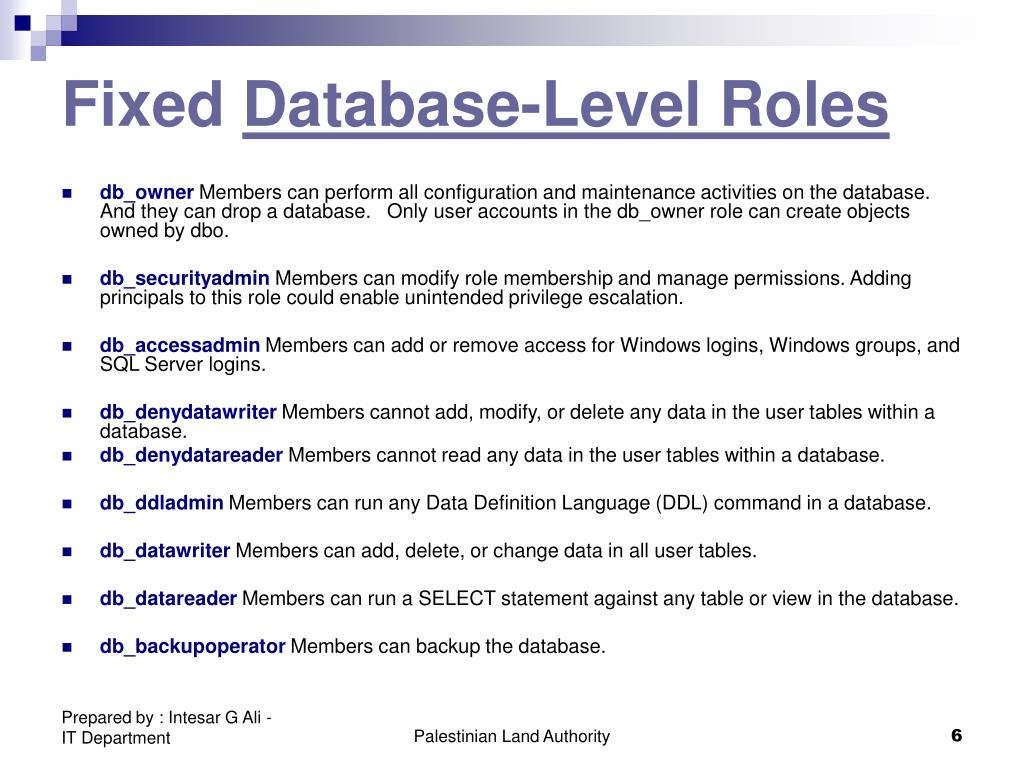
- Security: Users can be granted permission to execute a procedure without having direct access to the underlying tables.
- Maintainability: If the logic needs to change, it is updated in one place (the database) rather than in dozens of different application microservices.
Performance Tuning and Query Optimization
As databases grow to petabyte scales, a poorly written query can cripple an entire system. The SQL database programmer acts as a "performance surgeon." They use tools like Execution Plans to see exactly how the database engine is retrieving data. They identify "table scans" (where the engine looks at every row) and replace them with "index seeks" by creating appropriate indexing strategies, such as B-Tree, Columnstore, or specialized Indexes for JSON and spatial data.
Essential Skills for the 2026 Technical Landscape
While the core syntax of SQL (standardized by ANSI) hasn't changed drastically, the environment in which it operates has. A successful programmer in 2026 needs a diversified skill set.
Mastery of SQL Dialects
While "Standard SQL" exists, every major platform has its own extension. A programmer often specializes in one or more of these:
- T-SQL (Transact-SQL): Used by Microsoft SQL Server.
- PL/SQL (Procedural Language/SQL): Used by Oracle.
- PL/pgSQL: Used by PostgreSQL.
These dialects allow for procedural programming features like loops, variables, and error handling, which are not part of basic SQL.
Understanding of Cloud-Native Architectures
In 2026, most SQL programming happens in cloud environments like AWS RDS, Azure SQL Database, or Google Cloud SQL. The role now requires knowledge of how to program for "Serverless" SQL environments and "Distributed SQL" (like CockroachDB or YugabyteDB), where data is spread across multiple geographic regions but must still behave as a single relational unit.
Integration with Modern Data Formats
Modern SQL programmers are no longer restricted to rows and columns. They must be proficient in handling Semi-Structured Data. This involves writing SQL that can query and manipulate JSON, XML, and even vector data types used for AI and machine learning integrations. The ability to bridge the gap between traditional relational data and modern document-based data is a hallmark of a senior programmer.
SQL Programmer vs. Database Administrator (DBA)
It is common to confuse these two roles, but they have distinct focus areas. The programmer builds the "software" inside the database, while the DBA manages the "hardware" and environment.
| Feature | SQL Database Programmer | Database Administrator (DBA) |
|---|---|---|
| Primary Focus | Logic, Code, and Schema Design | Infrastructure, Security, and Uptime |
| Main Tools | IDEs, T-SQL/PL-SQL, Version Control | Management Studios, Monitoring Tools, Backups |
| Daily Task | Writing Stored Procedures & Triggers | Configuring Clusters & Mirroring |
| Goal | Efficient data processing and integrity | High availability and disaster recovery |
| Optimization | Query rewriting and Indexing | Memory allocation and Disk I/O |
The Impact of AI on SQL Programming in 2026
By 2026, Artificial Intelligence has become a partner rather than a replacement for the SQL programmer. AI-driven coding assistants are now capable of generating boilerplate SQL and identifying obvious optimization errors. However, the human programmer’s role has shifted toward Data Governance and Architectural Integrity.
AI tools often struggle with the "business context"—knowing why a certain data relationship exists or how a specific regulatory requirement (like GDPR or CCPA) affects data storage. The SQL programmer is the guardian of these rules, ensuring that AI-generated queries do not violate data privacy or logical constraints. Furthermore, SQL programmers are now heavily involved in "Vector Databases" within relational systems, writing the logic that allows AI models to retrieve contextually relevant data efficiently.
Educational Paths and Career Progression
Becoming a SQL database programmer usually follows a structured path. While some are self-taught, the complexity of modern RDBMS usually requires formal training.
- Foundational Education: Most professionals hold a degree in Computer Science, Information Technology, or Data Management. Understanding data structures and set theory is essential.
- Certification: Platform-specific certifications remain highly valued. In 2026, the most recognized are the Oracle Database SQL Certified Associate, Microsoft Certified: Azure Database Administrator Associate (which covers heavy programming), and specialized PostgreSQL Professional certifications.
- Career Ladder:
- Junior SQL Programmer: Focuses on writing simple queries, basic reports, and maintaining existing procedures.
- Senior SQL Programmer: Designs complex schemas, performs deep performance tuning, and leads data migration projects.
- Database Architect: The highest level, responsible for the entire data strategy of an organization, deciding which technologies to use and how data flows across the enterprise.
Common Challenges and Troubleshooting
SQL programming is not without its hurdles. Programmers frequently encounter issues that require deep analytical skills.
- Concurrency and Deadlocking: When two different processes try to update the same piece of data at the same time, it can cause a "deadlock." The programmer must write code that handles "locking hints" and "isolation levels" to prevent the system from freezing while still ensuring data accuracy.
- Technical Debt: In older systems, programmers often find "spaghetti SQL"—thousands of lines of undocumented, complex code. Refactoring this into modular, modern SQL is a common and difficult task.
- Data Quality: SQL programmers are often the last line of defense against "dirty data." They must implement Constraints (Check, Unique, Not Null) and Triggers to ensure that invalid data never enters the system in the first place.
Frequently Asked Questions
Is SQL still relevant in 2026 with the rise of NoSQL?
Yes. While NoSQL (like MongoDB) is excellent for specific use cases, the "SQL-on-Everything" trend has seen most NoSQL platforms add SQL-like interfaces. Relational databases remain the standard for financial, transactional, and structured business data due to their strict consistency models.
Do I need to know other programming languages?
While you can specialize solely in SQL, most SQL programmers are proficient in at least one general-purpose language like Python, C#, or Java. This is necessary for building the "Data Access Layer" that connects the application code to the database.
What is the difference between a Data Engineer and a SQL Programmer?
A Data Engineer focuses on the "pipes"—the ETL (Extract, Transform, Load) pipelines that move data between different systems. A SQL Programmer focuses on the "destination"—the logic and structure inside the relational database itself. There is significant overlap, but the SQL programmer is more focused on the software development aspect within the RDBMS.
Can I work remotely as a SQL Database Programmer?
Absolutely. Since 2024, the vast majority of database work has moved to the cloud. As long as you have secure access to the cloud environment and a robust local development toolset, SQL programming is highly conducive to remote work.
What is the most important skill for a beginner?
Understand Set Theory. SQL is a set-based language, not a procedural one. Beginners often try to think in "loops" (like in Python), but a professional SQL programmer thinks in "sets" of data. Mastering the concept of JOINs and Subqueries is the first major hurdle.
Summary of Next Actions
For those looking to enter or advance in the field of SQL database programming, the path forward is clear. First, gain mastery over one major RDBMS (PostgreSQL is highly recommended for its open-source versatility). Second, focus on learning Performance Tuning—being the person who can make a query run 100x faster is the quickest way to career advancement. Finally, stay updated on how SQL interacts with AI and cloud-native services, as these will be the primary drivers of the industry through the rest of the decade.
Image Gallery