The Reality of Getting Stuck in a Cruise Ship Waterslide
When a person gets stuck in a cruise ship waterslide, particularly on looping models like the Ocean Loops, they typically lose momentum and slide back to the lowest point of the curve. Safety protocols are immediately triggered, allowi...
When a person gets stuck in a cruise ship waterslide, particularly on looping models like the Ocean Loops, they typically lose momentum and slide back to the lowest point of the curve. Safety protocols are immediately triggered, allowing crew members to open a specialized emergency extraction hatch to safely remove the rider within minutes.
Contents
The image of a passenger suspended in a clear acrylic tube over the open ocean is a recurring viral sensation on social platforms. While these videos often trigger claustrophobia or anxiety in viewers, the reality of the situation is a testament to rigorous maritime engineering and standardized safety procedures. On modern cruise ships in 2026, getting "stuck" is not viewed by the crew as an accident, but rather as a predictable, albeit infrequent, operational occurrence known as a "short-ride."
The Viral Incident: What Happened on the Norwegian Encore
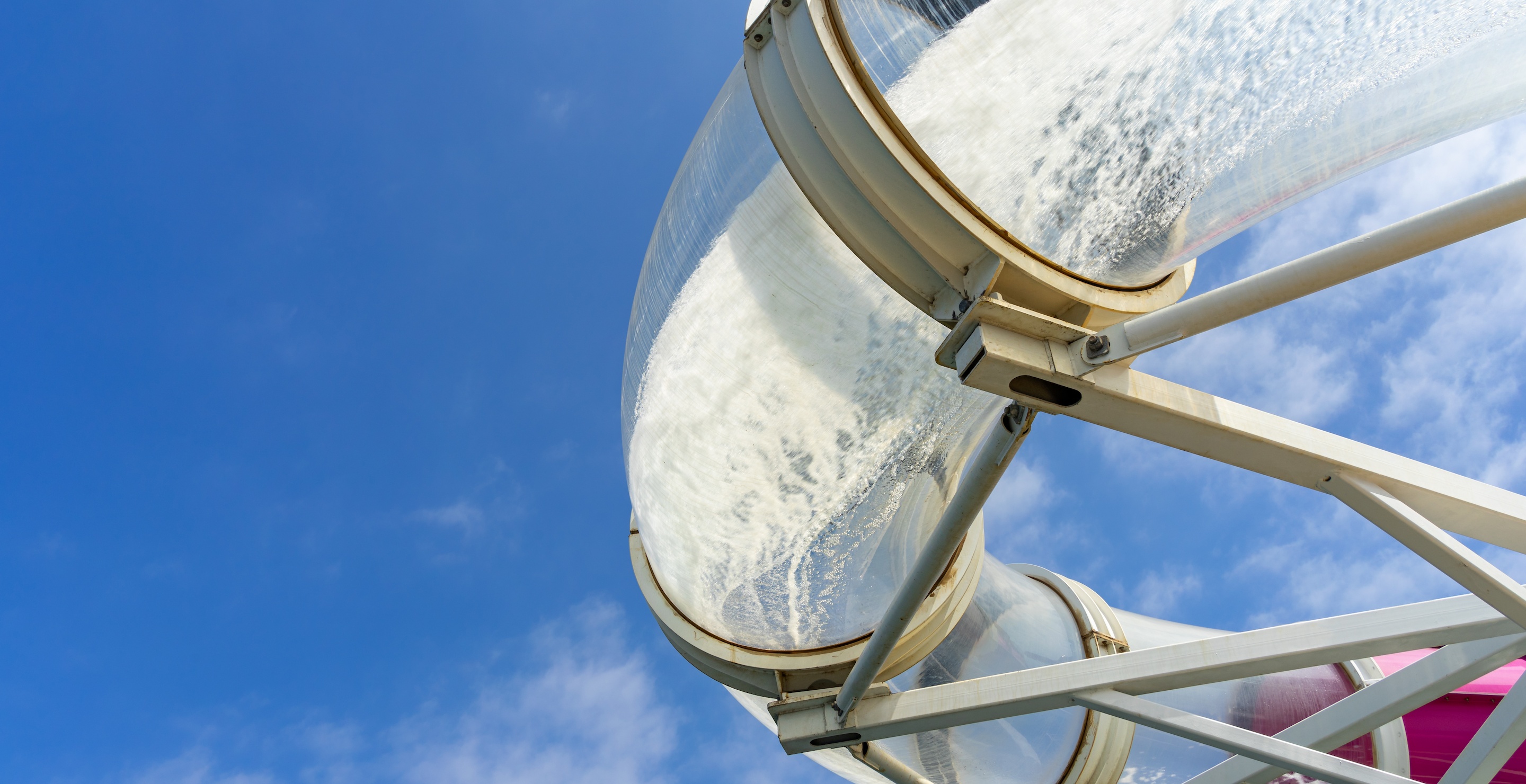
The most prominent example of a passenger getting stuck occurred on the Norwegian Encore, a Breakaway Plus-class ship operated by Norwegian Cruise Line (NCL). The attraction, known as Ocean Loops, is a double-looping waterslide that extends over the side of the ship, offering riders a view of the sea through transparent tubing.
In the viral footage, a female rider is seen descending the initial drop and attempting to navigate the first upward loop. Due to a lack of sufficient velocity, she fails to reach the apex of the loop and begins to slide backward. She eventually comes to a rest at the "trough" or the lowest point between the two inclines.
Contrary to some social media speculation, the rider was never in physical danger. The slide is equipped with sensors that immediately notify the dispatching lifeguard when a rider has not cleared a specific section within the allotted time. The "stuck" passenger remained in the tube for a short period before a crew member utilized the built-in emergency exit located at the base of the loop.
The Physics of the "Short-Ride": Why Riders Lose Momentum
To understand why a person might get stuck, one must look at the mechanics of an AquaLoop or similar gravity-defying slide. These attractions do not rely on a continuous flow of high-pressure water to push the rider through the loop; instead, they rely almost entirely on potential energy being converted into kinetic energy.
Friction and Resistance
The primary culprit in most "stuck" scenarios is friction. Waterslides require a thin film of water to reduce the coefficient of friction between the rider's skin (or swimwear) and the fiberglass or acrylic surface. If a rider’s skin makes excessive contact with the dry portions of the tube, or if their swimwear is made of high-friction material (like certain types of heavy cotton or loose-fitting board shorts), they lose speed rapidly.
Body Weight and Aerodynamics
There is a specific "sweet spot" for rider weight on looping slides. If a rider is too light, they may lack the necessary momentum to carry through the upward arc. Conversely, if a rider is significantly over the recommended weight limit, the increased surface area of their body can create more drag. Additionally, the rider's posture is critical. Safety instructions typically mandate crossing the ankles and placing hands behind the head to minimize wind resistance and maximize "sleekness."
Environmental Factors
On a cruise ship, wind is a constant variable. High winds can create air pockets within the tube that act as a "braking" force. On the Norwegian Encore and similar ships, the slides are often closed when wind speeds exceed certain safety thresholds, specifically to prevent riders from getting stuck due to air resistance.
Built-In Safety Features and Extraction Procedures
Cruise ship waterslides are designed by specialized firms like WhiteWater West or Polin Waterparks, which integrate multiple layers of safety into the hardware. These attractions are governed by international standards, including ASTM F24 (Standard Committee on Amusement Rides and Devices).
The Emergency Hatch
Every looping slide is manufactured with at least one emergency extraction point. This is a hinged section of the tube, usually located at the lowest point of the loop where a rider is most likely to come to a stop. These hatches are secured with heavy-duty latches and are often monitored by cameras.
Sensor Systems and Signal Lights
Sophisticated sensor arrays are placed at intervals along the slide. These sensors track the "block" system, similar to a roller coaster. A second rider cannot be dispatched until the sensors confirm that the previous rider has exited the slide. If a rider stops moving, the sensors trigger an "all-stop" on the dispatch floor, preventing any possibility of a collision.
The Extraction Process
- Detection: The lifeguard at the top and bottom of the slide receive an alert from the sensor system.
- Visual Confirmation: The crew uses CCTV or direct line-of-sight to locate the rider.
- Communication: Crew members often communicate with the rider through the tube walls to provide reassurance.
- Hatch Deployment: A technician or trained lifeguard moves to the extraction hatch, unlocks it, and assists the rider out of the tube.
- Re-entry: The rider is typically walked back to the deck area.
Comparing Slide Types and "Stuck" Risk
Not all cruise ship slides carry the same risk of a rider stopping mid-course. Below is a comparison of common slide architectures found on major lines such as Royal Caribbean, Carnival, and NCL.
| Slide Type | Common Examples | Mechanism | Risk of Getting Stuck | Primary Reason for Stopping |
|---|---|---|---|---|
| AquaLoop / Looping | Ocean Loops (NCL) | Gravity/Drop Floor | Moderate | Insufficient momentum for incline |
| Body Slide (Open) | The Perfect Storm (Royal Caribbean) | Gravity/Water Flow | Low | Excessive friction/Lack of water |
| Mat Racer | Blaster (NCL) | Mat Friction/Gravity | Low | High-friction mat surface |
| Master Blaster | Tidal Wave (Royal Caribbean) | Water Jets | Very Low | Power failure or pump malfunction |
| Enclosed Tube | Twister (Carnival) | Gravity | Very Low | Rare; usually due to rider stopping themselves |
What to Do If You Get Stuck
While the experience can be unsettling, especially for those with a fear of enclosed spaces, the physical danger is virtually non-existent. If you find yourself losing momentum on a cruise ship slide, follow these steps:
- Stay Calm: The tube is ventilated, and you are not in an airtight environment. You are being monitored by cameras and sensors.
- Do Not Attempt to Climb: Trying to climb up or down a steep, wet incline can lead to slips and minor injuries.
- Wait for Instructions: A crew member will reach you quickly. Wait for them to open the extraction hatch rather than trying to force any part of the slide open.
- Keep Your Limbs Inward: Once the hatch is opened, follow the crew's guidance on how to exit to avoid catching your fingers or toes on the tube edges.
Regulatory Oversight and Maintenance
As of 2026, maritime safety standards for recreational facilities have become even more stringent. While the International Maritime Organization (IMO) focuses on ship safety and pollution, the actual operation of the slides falls under the jurisdiction of the ship's flag state (e.g., Bahamas, Panama, or Malta) and the classification societies (like DNV or Lloyd's Register).
These slides undergo daily inspections. Maintenance crews check for "gel-coat" integrity to ensure the sliding surface is perfectly smooth. They also test the water pressure and the mechanical latches of the emergency hatches. If a slide consistently results in "short-rides," it is taken out of service to adjust the water flow or weight requirements.
Common Misconceptions vs. Reality
Misconception: You will fall back into a pool of water and drown. Reality: There is very little standing water in the "loop" section of these slides. The water is constantly drained and recirculated. A stuck rider is sitting on a damp surface, not submerged.
Misconception: The next rider might hit you. Reality: The "block" sensor system makes this mechanically impossible under normal operating conditions. The launch trap door will not open until the slide is clear.
Misconception: You are "trapped" over the ocean. Reality: While the tube might be physically positioned over the water, you are inside a reinforced structure designed to hold significantly more weight than a single human. The extraction hatch is always positioned over a walkway or a deck area, never over the open sea.
Practical Recommendations for Cruisers
To minimize your chances of getting stuck on a looping slide, pay close attention to the pre-ride requirements. Wear "slick" swimwear made of nylon or spandex, and avoid shorts with bulky pockets or metal rivets. If the lifeguard suggests a specific crossing of the arms and legs, maintain that exact position until you have cleared the highest point of the slide. If you are near the minimum weight limit, be aware that you have a slightly higher statistical chance of a "short-ride," and consider choosing a traditional body slide instead.
Image Gallery